Driving a Jeep Wrangler is more than owning a car—it’s a lifestyle. If you have ever asked yourself, “Do I like my Jeep Wrangler?”
you’re not alone. This rugged SUV has a strong fan base, but it’s not perfect for everyone.
Let’s explore what makes people love their Wranglers, what might annoy them, and how it compares to other vehicles. By the end, you’ll know if a Jeep Wrangler truly fits your needs.
What Makes The Jeep Wrangler Special
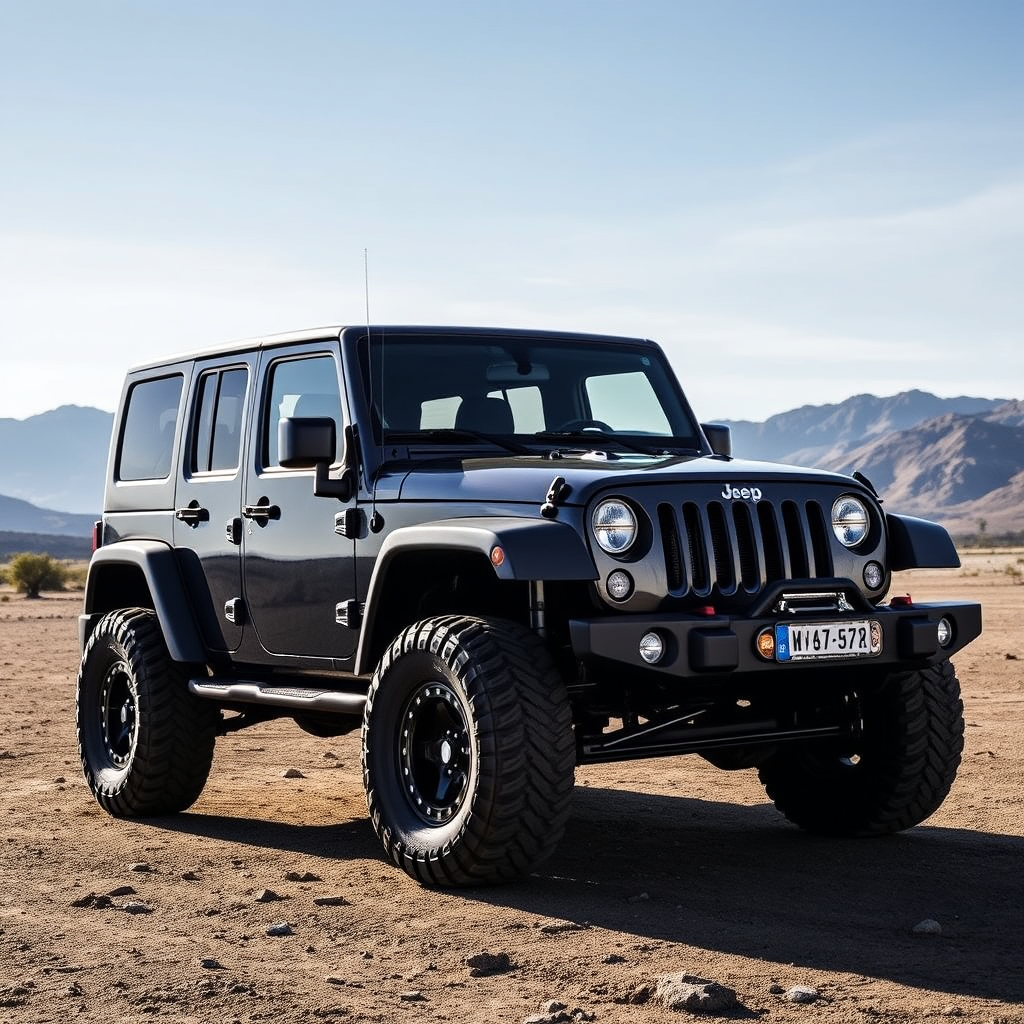
The Jeep Wrangler stands out with its iconic design and strong off-road abilities. Its boxy shape, round headlights, and removable doors are instantly recognizable. For many owners, these features are more than style—they’re a statement.
Wrangler’s off-road performance is legendary. With four-wheel drive, high ground clearance, and solid axles, you can tackle mud, rocks, and snow with confidence. This makes it popular among adventure seekers.
Many owners love the freedom of customization. You can choose from soft tops, hard tops, or no top at all.
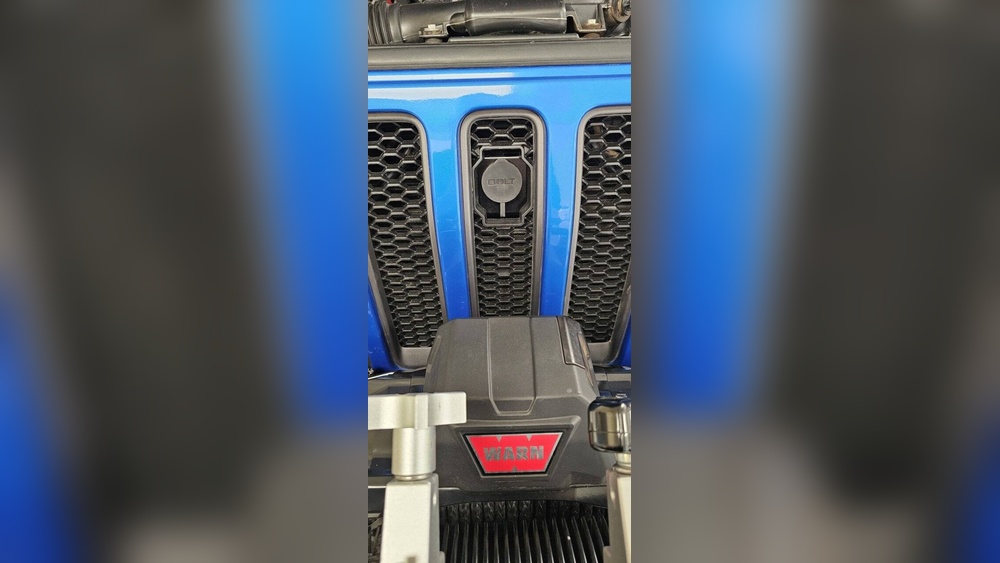
Accessories like winches, lift kits, and LED lights are easy to add. Wrangler owners often personalize their vehicles to reflect their personality.
Daily Driving Experience
While the Wrangler shines off-road, everyday driving is a different story. Its ride is rough compared to other SUVs, and wind noise can be high, especially with a soft top.
Still, for some, this raw feeling is part of the charm.
Wrangler’s turning radius is tight, making parking in cities easier. However, its fuel economy is below average. The EPA rates the 2024 Wrangler at around 17–23 mpg depending on the model.
Here’s a comparison of the Jeep Wrangler with similar SUVs:
| Vehicle | MPG (City/Highway) | Ride Comfort | Cargo Space (cu ft) |
|---|---|---|---|
| Jeep Wrangler | 17 / 23 | Stiff | 31.7 |
| Ford Bronco | 20 / 22 | Smoother | 35.6 |
| Toyota 4Runner | 16 / 19 | Comfortable | 47.2 |
If you value comfort and cargo space, you might find the Wrangler lacking. But if you want a vehicle that feels adventurous, it’s hard to beat.
Real-world Ownership Costs
Buying a Wrangler is only the start. You need to consider maintenance, insurance, and fuel costs. Wranglers are known for reliability, but repairs can be expensive if you drive off-road often.
Insurance is generally higher than for sedans, mainly because Wranglers are targeted by thieves and are often used in risky situations. Tire replacements, suspension fixes, and regular oil changes add up. According to Kelley Blue Book, Wrangler owners spend about $650–$900 per year on maintenance.
Let’s compare yearly costs for three similar vehicles:
| Vehicle | Annual Maintenance ($) | Annual Insurance ($) | Depreciation Rate (%) |
|---|---|---|---|
| Jeep Wrangler | 800 | 1,350 | 14 |
| Ford Bronco | 750 | 1,300 | 16 |
| Toyota 4Runner | 700 | 1,200 | 12 |
One insight beginners often miss: Wranglers hold their value well. Even after five years, resale prices stay strong. However, modifications can lower resale value, especially if not done professionally.
Common Jeep Wrangler Complaints
Wrangler owners love their SUVs, but there are downsides. Here are some common complaints:
- Noise: Wind and road noise are much higher than most cars.
- Ride quality: The suspension is stiff, making long drives tiring.
- Fuel economy: Wranglers use more gas than most competitors.
- Technology: Some models lack advanced safety and infotainment features.
- Leaks: Older models sometimes have water leaks after heavy rain.
Experienced owners accept these issues as part of the Wrangler “charm,” but new buyers can be surprised.
A non-obvious insight: While leaks and noise are often discussed, many buyers are unaware that Wrangler repairs require specialized tools. This can make DIY fixes harder for those used to standard cars.
Jeep Wrangler Community And Culture
Owning a Wrangler means joining a strong community. You’ll notice the “Jeep Wave” a friendly greeting between Wrangler drivers.
Online groups, events, and local clubs help owners share advice, plan off-road trips, and organize charity drives.
Wrangler owners often support each other, especially in remote areas. If your Jeep breaks down on a trail, other owners are quick to help.
This sense of camaraderie is rare in other brands.
Here’s a quick comparison of owner communities:
| Brand | Online Forums | Local Clubs | Annual Events |
|---|---|---|---|
| Jeep Wrangler | Thousands | Active | Many |
| Ford Bronco | Hundreds | Growing | Few |
| Toyota 4Runner | Hundreds | Moderate | Few |
The Jeep community can help you solve problems, find parts, and make lifelong friends. This is something many owners value as much as the vehicle itself.
Is The Jeep Wrangler Right For You?
If you dream about off-road adventures, crave unique style, and like being part of a passionate community, the Wrangler is a great choice. You’ll need to accept its quirks: rough ride, high fuel costs, and basic tech.
If you need a quiet, comfortable ride for daily commutes, or you value fuel efficiency, you might prefer another SUV. For those who want to stand out and enjoy a true adventure vehicle, nothing else delivers the same feeling.
To learn more about Wrangler’s history and specs, visit Wikipedia.

Frequently Asked Questions
What Is The Average Lifespan Of A Jeep Wrangler?
A Wrangler can last 200,000 miles or more with proper care. Regular maintenance is key to reaching this milestone.
Can You Drive A Jeep Wrangler Every Day?
Yes, but expect a rougher ride and higher fuel costs than other SUVs. Many owners use Wranglers for daily commuting, especially in areas with snow or rough roads.
Is The Jeep Wrangler Good For Families?
Wranglers have limited cargo space and a stiff ride. Families with small children may find it less comfortable, but older kids often enjoy the adventurous feel.
How Does The Wrangler Handle Winter Conditions?
With four-wheel drive and high clearance, Wranglers perform well in snow. Be sure to use proper winter tires for best results.
What Are The Most Popular Wrangler Accessories?
Common accessories include lift kits, winches, LED lights, and roof racks. These help personalize the Wrangler for off-roading or daily use.
Whether you love your Jeep Wrangler or are still deciding, remember: it’s about more than specs—it’s about the experience. If you’re ready for adventure and don’t mind a few rough edges, the Wrangler might be the perfect companion.