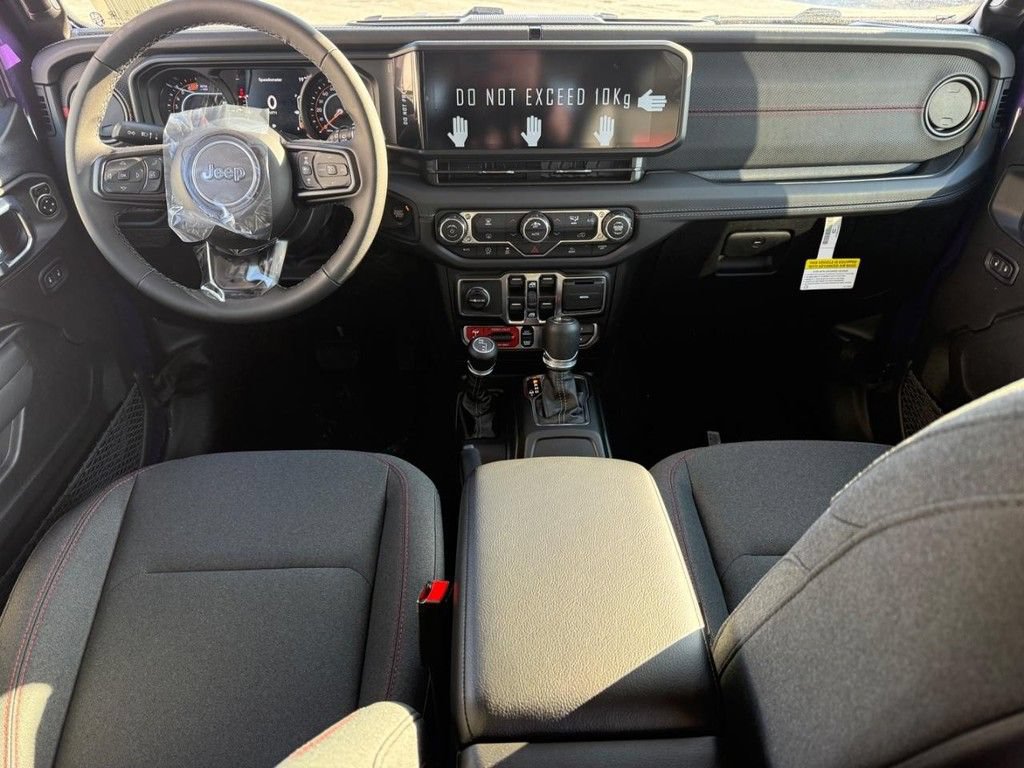
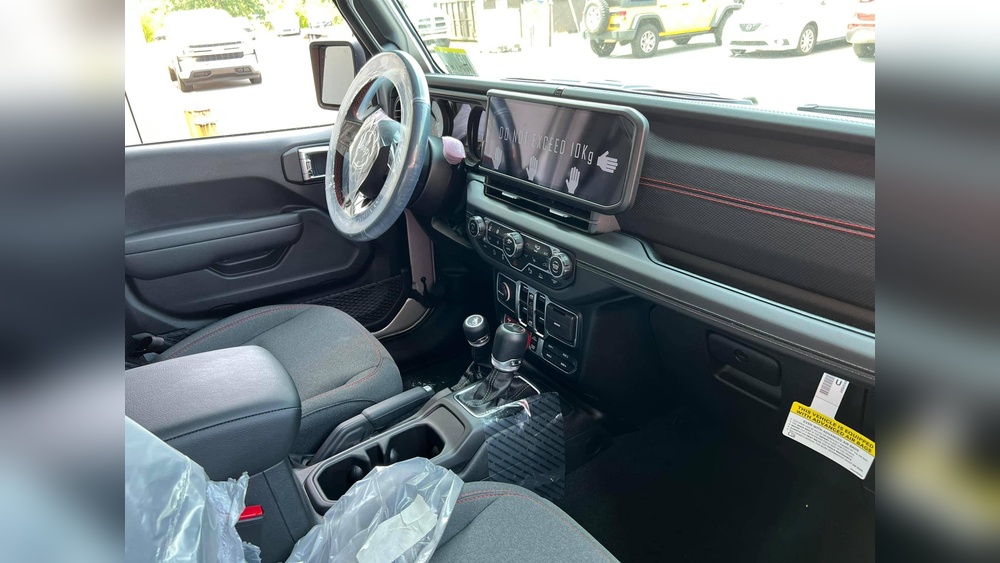
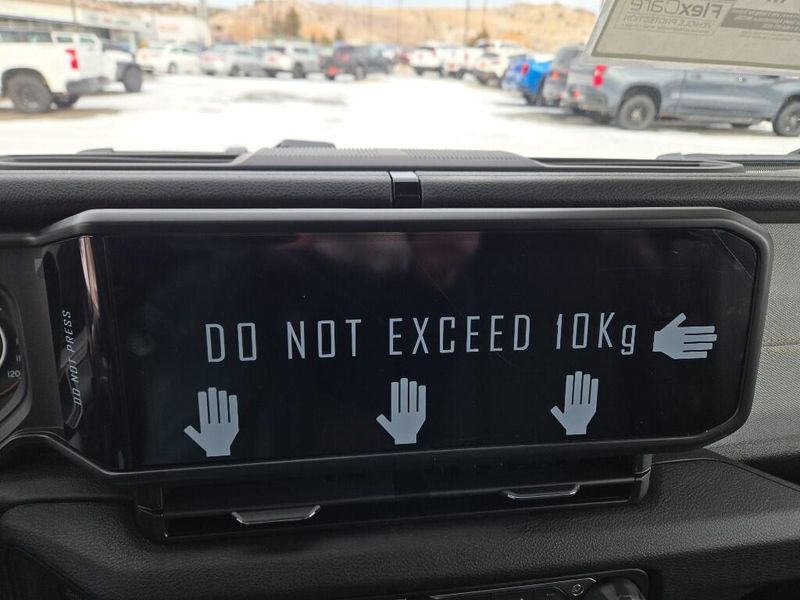
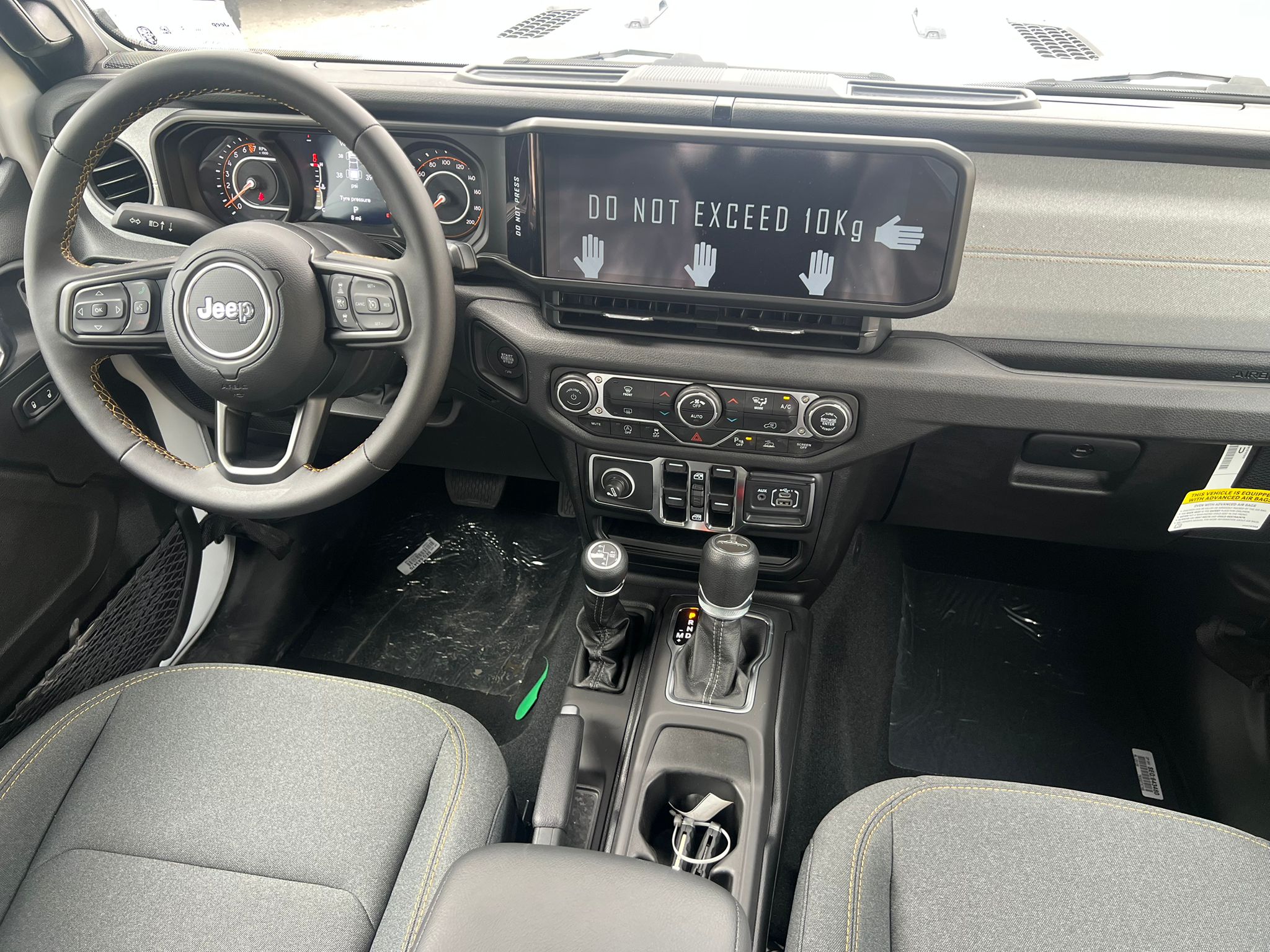
When you see the phrase “Do Not Exceed 10Kg Jeep,” it might seem simple. But this warning is more important than most people realize.
Whether it’s on a luggage rack, a roof box, or a cargo accessory, these words are about safety, vehicle performance, and even insurance. Many Jeep owners and travelers ignore or misunderstand this warning, which can lead to serious problems.
Let’s break down what this 10kg limit really means, why it matters, and how to stay within safe limits without giving up on adventure.
Understanding The 10kg Limit
The “Do Not Exceed 10Kg Jeep” warning usually appears on roof racks, cargo baskets, or aftermarket accessories. It tells you the maximum load you can place on that part of the vehicle. This does not always mean you can only put 10kg (about 22 pounds) on your entire Jeep—usually, it’s about that specific accessory.
For example, a small roof rail might only be rated for 10kg, while the Jeep roof itself may handle more. Always read the owner’s manual and check each accessory’s label.
Why 10kg Is A Common Limit
- Design Safety: Many racks or accessories are made for light loads—like a small bag or lightweight gear.
- Balance and Stability: Heavy loads on top can make a Jeep unstable, especially during turns.
- Regulations: Some countries or states require clear weight limits for roof accessories.
What Happens If You Exceed The Limit?
Ignoring the 10kg warning can cause more problems than you might think:
- Damage to the Jeep: Too much weight can bend the roof, break mounts, or damage rails.
- Accidents: A heavy load raises the center of gravity, making rollovers or tip-overs more likely.
- Insurance Issues: Some insurers may not cover damage if you ignored safety warnings.
- Accessory Failure: Roof racks or boxes may break, sending cargo flying.
Real-world Example
In 2022, a Jeep owner loaded 25kg of camping gear on a 10kg-rated roof basket. On the highway, the basket failed, and gear scattered, causing an accident behind them.
No one was hurt, but it shows how exceeding limits leads to danger.
How To Stay Within The 10kg Limit
Sticking to weight limits is easier with some planning. Here are effective steps:
- Weigh Your Gear: Use a digital scale to check the total weight before loading.
- Distribute Weight Smartly: Place heavier items inside the Jeep, not on the roof.
- Use Lightweight Equipment: Choose camping or sports gear made from lighter materials.
- Upgrade Accessories: If you need to carry more, buy racks or boxes with a higher weight rating.
- Check Regularly: After loading, re-check all fastenings and weight.
Common Mistakes To Avoid
- Guessing weights instead of measuring
- Ignoring the accessory’s label and relying on the Jeep’s maximum roof load
- Packing everything on top for convenience
Comparing Weight Limits: Jeep Vs. Other Vehicles
Not all vehicles have the same roof or rack limits. Here’s a quick comparison:
| Vehicle | Typical Roof Rack Limit | Accessory Limit (example) |
|---|---|---|
| Jeep Wrangler | 31-68 kg (70-150 lbs) | 10 kg (22 lbs) |
| Honda CR-V | 45 kg (100 lbs) | 15 kg (33 lbs) |
| Toyota RAV4 | 68 kg (150 lbs) | 20 kg (44 lbs) |
As you can see, accessory limits are often much lower than the total roof capacity.
The Science Behind Weight Limits
Vehicle manufacturers use stress tests and computer modeling to set these numbers. They consider:
- Material strength (steel, aluminum, plastic)
- Wind resistance at highway speeds
- Dynamic loads (sudden stops, bumps, swerves)
Even if the Jeep itself is tough, the accessory might not handle high forces, especially during sharp maneuvers or emergency braking.
Practical Tips For Jeep Owners
Here are some extra insights many beginners miss:
- The 10kg limit is for dynamic weight (when driving). Parked weight can sometimes be higher, but this is not safe on the road.
- Accessories like roof tents often have different static (parked) and dynamic (moving) weight ratings—never use the static rating while driving.
- The Jeep’s roof load includes the weight of the rack itself. For example, if the rack weighs 4kg, you can only add 6kg more.
Smart Packing Example
Let’s say you want to bring camping gear. Here’s a sample packing plan that keeps you under the 10kg accessory limit:
| Item | Weight (kg) |
|---|---|
| Sleeping bag | 1.5 |
| Small tent | 2.0 |
| Cooking kit | 1.0 |
| Clothes bag | 1.0 |
| First aid kit | 0.5 |
| Food pack | 2.0 |
| Other gear | 1.5 |
| Total | 9.5 |
This keeps you safe and legal.
Consequences Of Ignoring The Warning
Some drivers think, “It’s just a few extra kilos, what could happen?” But the risks are real:
- Reduced fuel economy from wind drag and extra weight
- Poor handling in corners or during sudden moves
- Possible legal fines if an accident is linked to overloading
More importantly, your safety and that of other road users is at stake.
Frequently Asked Questions
Why Is The Limit Only 10kg On Some Jeep Accessories?
The limit is set by the accessory’s design and materials. Many are made for light loads to avoid stressing the Jeep’s roof or mounting points.
Can I Exceed 10kg If My Jeep’s Roof Can Hold More?
No. The accessory’s limit is often lower than the Jeep’s roof capacity. Always follow the lower number for safety.
How Do I Know If I’m Over The Limit?
Weigh your loaded gear with a scale before mounting it. Don’t guess.
Remember to include the accessory’s own weight in your calculation.
What Should I Do If I Need To Carry More Weight?
Look for heavier-duty racks rated for more weight, or place items inside the Jeep instead of on the roof. Consult your owner’s manual and the accessory’s instructions.
Where Can I Learn More About Vehicle Weight Limits?
For more detailed information, visit the Wikipedia page on vehicle weight.
Staying under the 10kg limit may seem inconvenient, but it’s a small step that protects your Jeep, your safety, and your peace of mind. Always check labels, weigh your gear, and don’t take shortcuts.
Your next trip will be safer and more enjoyable when you keep within the recommended limits.