Jeep Wranglers are famous for their rugged design and off-road abilities. Many drivers wonder about their maintenance needs, especially when it comes to timing belts.
If you’re considering a Wrangler or already own one, knowing about its timing system is important for keeping your engine healthy and avoiding expensive repairs. This guide explains whether Jeep Wranglers have timing belts, why it matters, and what you need to know for reliable performance.
Timing Belts Vs. Timing Chains: What’s The Difference?
Before looking at Jeep Wranglers, let’s explain the difference between timing belts and timing chains. Both are essential parts of an engine.
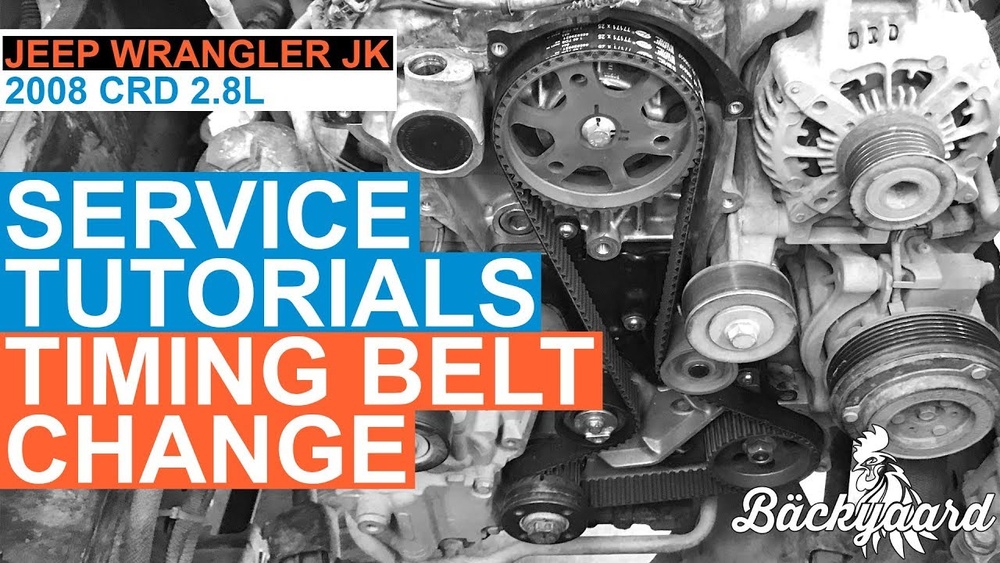
- Timing belt: Made of rubber and reinforced fibers. It connects the crankshaft and camshaft, keeping engine valves moving in sync. Timing belts are quieter but usually need replacement every 60,000–100,000 miles.
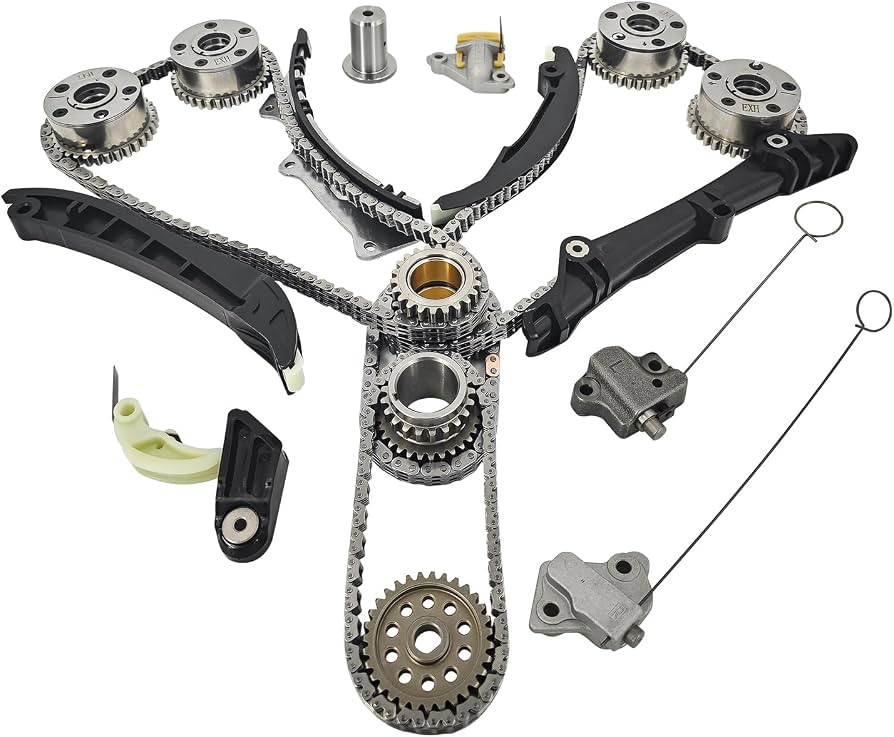
- Timing chain: Made of metal. It also connects the crankshaft and camshaft, but lasts much longer—often for the life of the vehicle. Timing chains are noisier but more durable.
The main difference is lifespan and maintenance. Timing belts wear out and break more easily, while timing chains are stronger and rarely fail if properly lubricated.
Do Jeep Wranglers Have Timing Belts?
Jeep Wranglers do not use timing belts. Instead, all modern Wranglers have timing chains. This applies to all engines used in Wranglers since the early 1990s.
Let’s look at the main Jeep Wrangler engines and their timing system:
| Model Year | Engine | Timing System |
|---|---|---|
| 1987–1995 (YJ) | 2.5L I4, 4.0L I6 | Timing Chain |
| 1997–2006 (TJ) | 2.5L I4, 4.0L I6 | Timing Chain |
| 2007–2011 (JK) | 3.8L V6 | Timing Chain |
| 2012–present (JK/JL) | 3.6L V6, 2.0L Turbo I4, 3.0L EcoDiesel | Timing Chain |
Even newer engines like the 2.0L turbo and 3.6L Pentastar V6 use timing chains. This design choice is because Jeep aims for reliability, especially for off-road use where engine failure can be dangerous.
Why Timing Chains Are Better For Jeep Wranglers
The choice of timing chains in Wranglers is not random. Here are key reasons:
- Durability: Chains last much longer than belts. Most timing chains will last over 200,000 miles if you keep the oil clean.
- Strength: Metal chains are tougher and can handle rough driving, extreme temperatures, and high engine stress.
- Less Maintenance: You don’t need to replace timing chains regularly, unlike belts which need scheduled replacements.
- Consistency: Chains keep timing precise for longer, which is important for engine performance.
This makes timing chains ideal for off-road vehicles like the Wrangler, where reliability is more important than quietness or low cost.
Common Wrangler Engine Timing Chain Questions
Some drivers worry about timing chain problems. Here’s what you should know:
- Timing chain failure is rare: Most failures come from neglect, like not changing oil or using low-quality oil.
- Symptoms of chain problems: If a chain stretches or wears, you may hear rattling noises, notice engine misfires, or see a check engine light.
- Replacement cost: Changing a timing chain is more expensive than a belt (usually $1,000–$2,000), but it’s rarely needed.
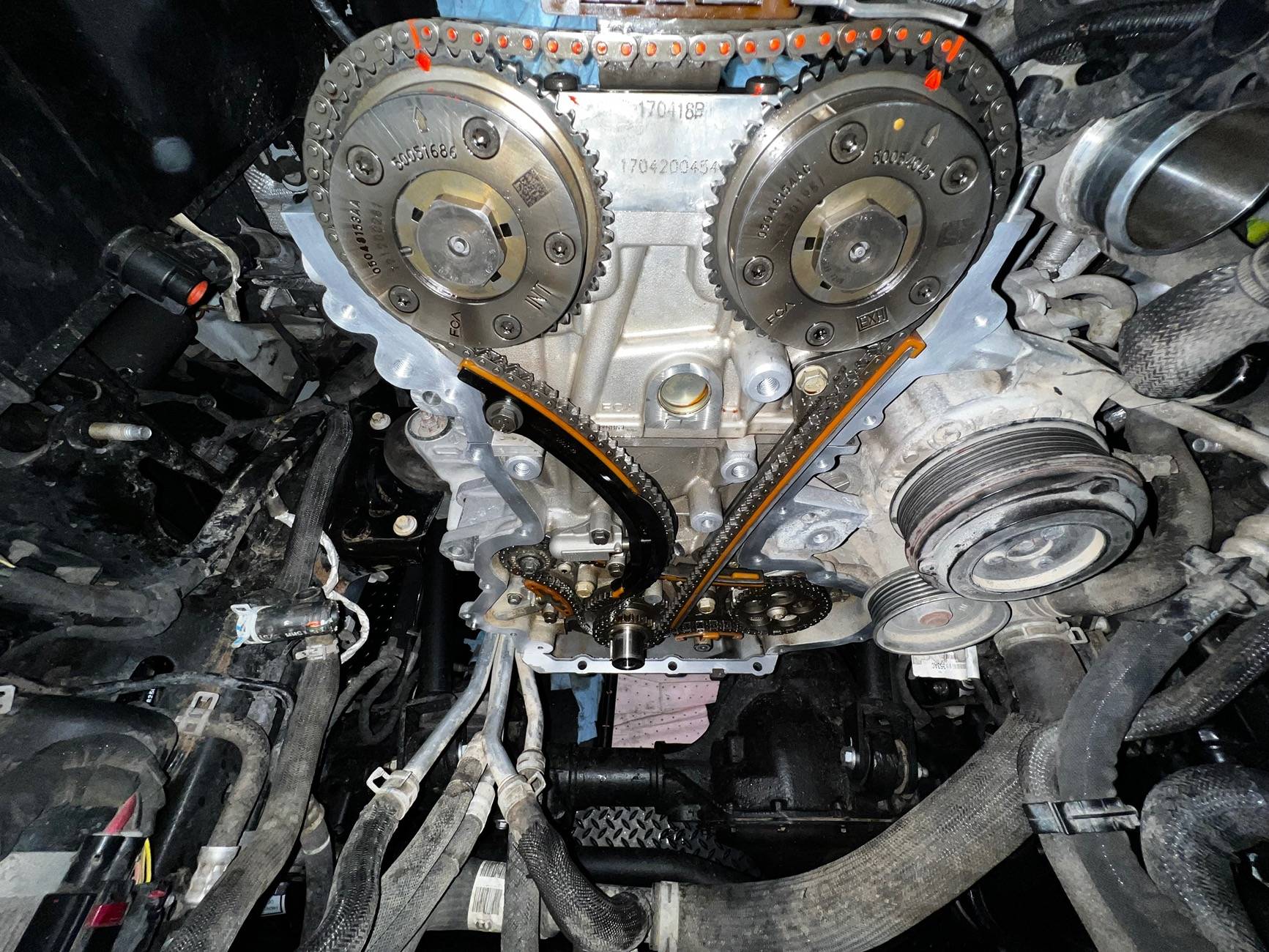
A well-maintained Wrangler timing chain will likely last as long as the vehicle.
Wrangler Maintenance Tips For Timing Chains
To keep your timing chain working well, follow these tips:
- Change oil regularly: Old oil can cause chain and tensioner wear. Stick to the schedule in your owner’s manual.
- Use quality oil: Always use the oil type and grade recommended by Jeep.
- Listen for noises: Rattling or clicking from the engine can mean chain trouble. Get it checked soon.
- Avoid engine overheating: Overheating can damage timing chains and other parts.
- Don’t ignore warning lights: If your check engine light comes on, have your mechanic scan for codes.
These steps will help your chain last a long time and avoid costly repairs.
How Wranglers Compare To Other Vehicles
Many modern vehicles have switched to timing chains, but some still use belts. Here’s a quick comparison:
| Vehicle | Engine Type | Timing System |
|---|---|---|
| Jeep Wrangler | All engines (since 1987) | Timing Chain |
| Honda Civic | Some engines | Timing Belt or Chain |
| Toyota Camry | Most engines | Timing Chain |
| Ford F-150 | Recent models | Timing Chain |
| Subaru Outback | Older models | Timing Belt |
As you see, Wrangler is part of a growing trend toward timing chains, especially for vehicles meant for tough conditions.

Two Insights Most Jeep Owners Miss
- Timing chains don’t need regular replacement: Many owners worry about their chain because they’re used to timing belt schedules. Unless you hear odd noises or have engine issues, the chain is likely fine.
- Oil quality directly affects chain life: Few realize that dirty or wrong oil can cause chain wear. Even with a strong chain, bad oil can lead to failure.
These points help you avoid unnecessary repairs and keep your Wrangler reliable.
Frequently Asked Questions