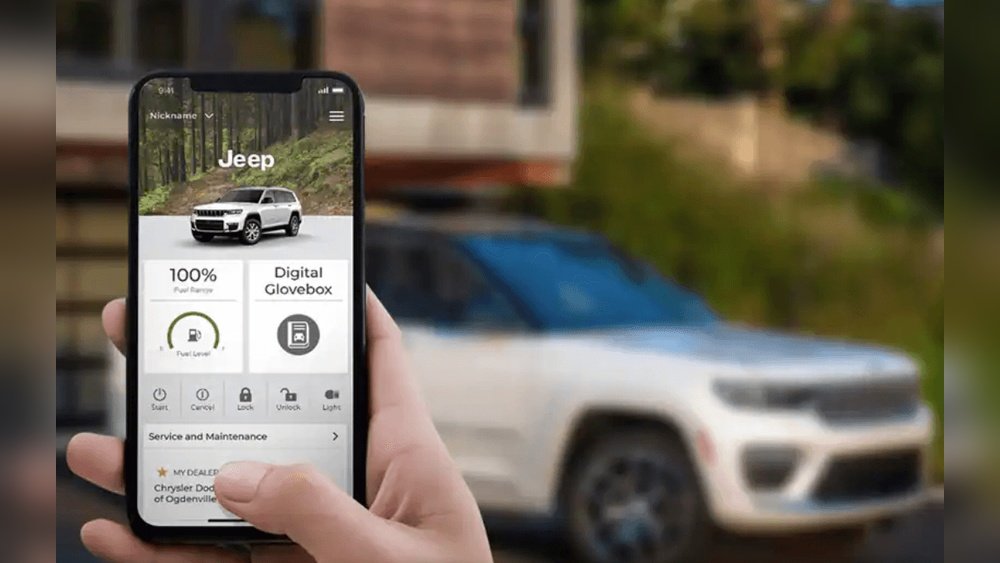
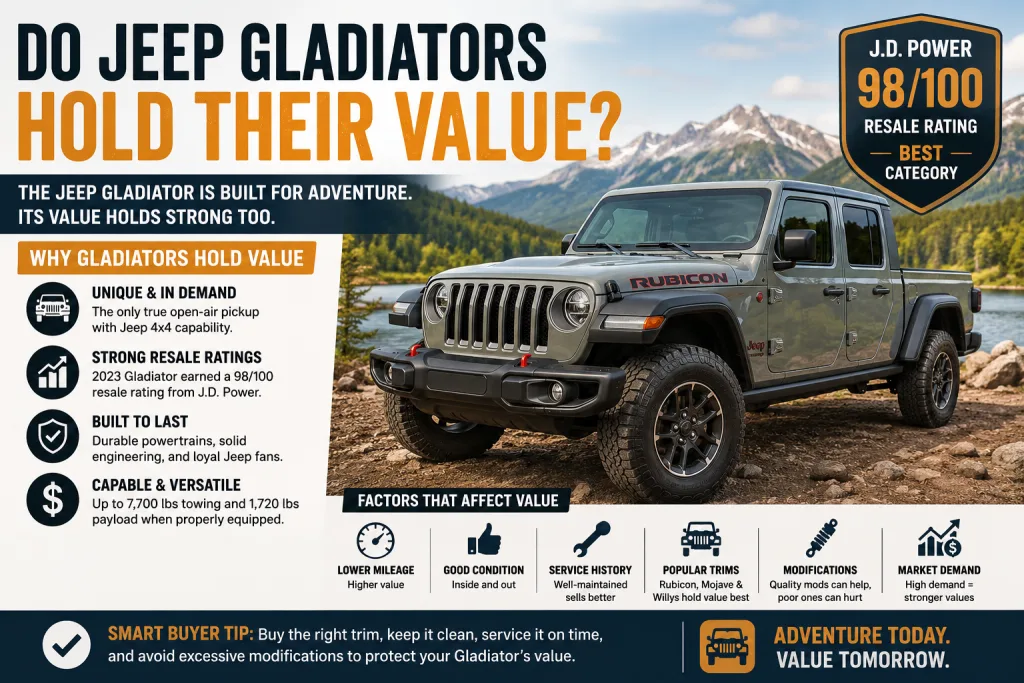
Jeep Rubicon owners often wonder if their vehicle is a wise investment or just a fun adventure. With off-road capability, rugged design, and a strong brand name, the Jeep Rubicon has built a reputation for durability.
But does it really hold its value better than other vehicles? Let’s look at the facts, compare it with competitors, and explore what makes the Rubicon stand out in the resale market.
Why Vehicle Value Matters
When you buy a car, its value drops as soon as you drive off the lot. This is depreciation. Some vehicles lose value quickly, while others keep their price better over time. For people who buy a Jeep Rubicon, the resale value is important. A higher resale value means you lose less money when you sell or trade in your vehicle.
Jeep Rubicon Resale Value: The Data
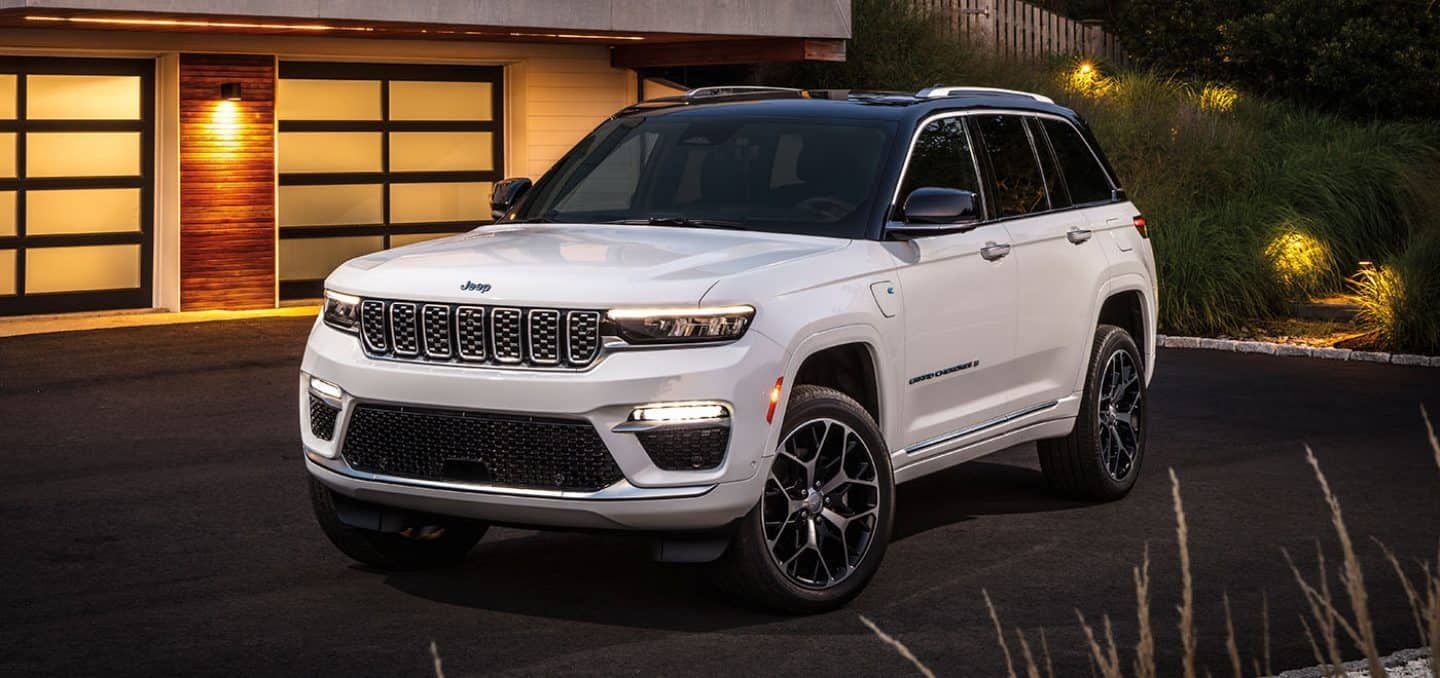
The Jeep Rubicon, especially the Wrangler Rubicon model, is well-known for strong resale value. According to Kelley Blue Book, Jeep Wranglers often keep more than 60% of their original value after five years. This is much higher than the average SUV. For example, the average five-year resale value for most SUVs is closer to 50%.
Here’s a quick look:
| Vehicle | 5-Year Resale Value (%) |
|---|---|
| Jeep Wrangler Rubicon | ~60-65% |
| Toyota 4Runner | ~58% |
| Ford Bronco | ~55% |
| Average SUV | ~50% |
This data shows that the Rubicon outperforms many rivals. The difference may not seem big, but over $40,000, a 10% higher resale value means $4,000 more when you sell.
What Makes The Rubicon Hold Its Value
Several factors help the Jeep Rubicon stay valuable:
- Iconic Brand: The Jeep brand is known for off-road vehicles. Many buyers trust the brand’s reputation.
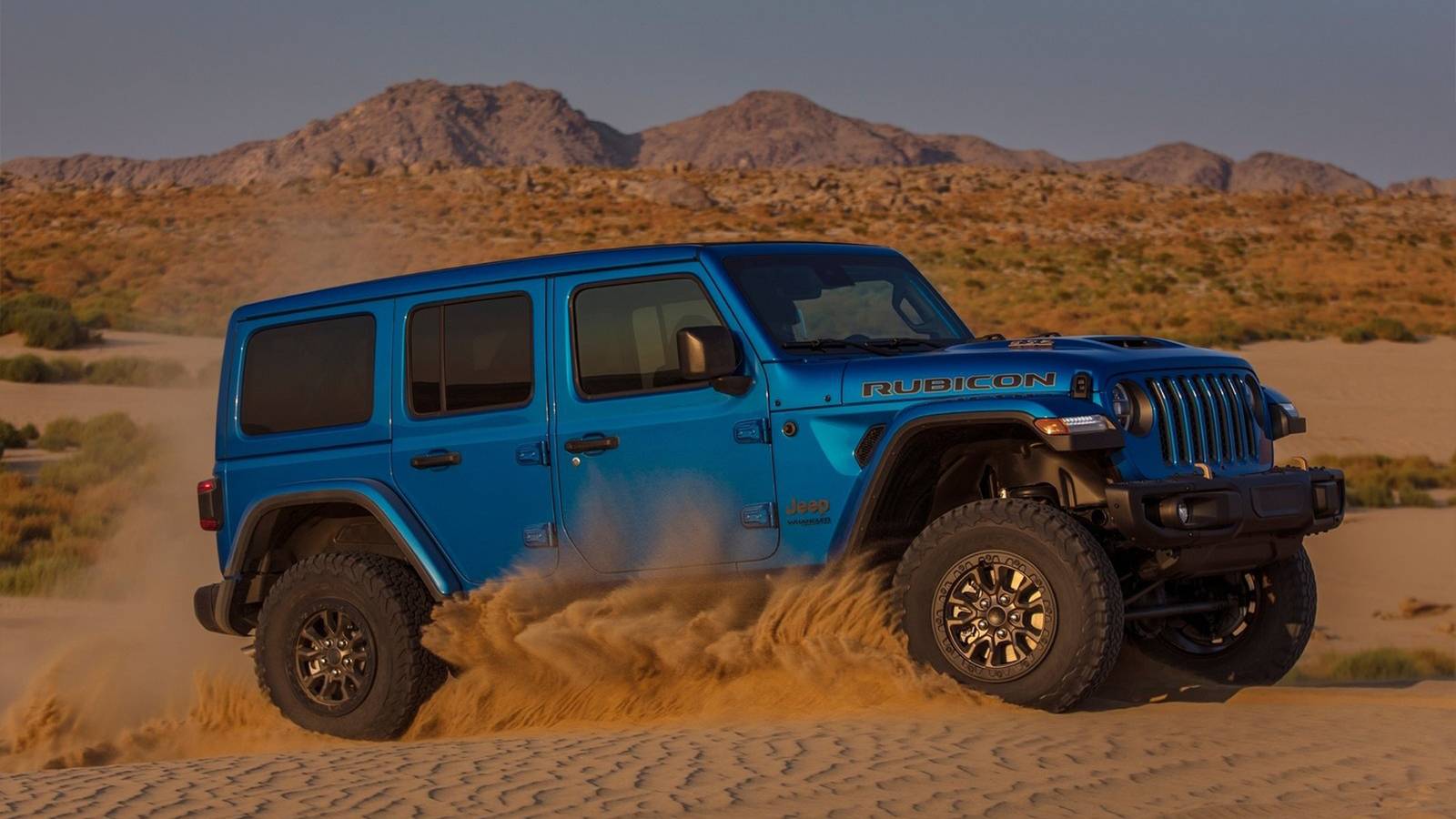
- Off-Road Performance: The Rubicon has features like locking differentials, all-terrain tires, and high ground clearance. These appeal to adventure seekers.
- Strong Demand: Used Rubicons are in high demand, especially in areas with outdoor activities.
- Limited Production: Special editions and unique colors sometimes create more buyer interest.
- Customization: Owners often add upgrades. These can add value if done well.
A non-obvious insight: Many buyers look for older Rubicons for their classic look and mechanical simplicity. This keeps even 10-year-old models desirable.
Rubicon Vs. Other Jeep Models
Not all Jeeps keep their value the same way. The Rubicon trim is usually better than the base models, but how big is the gap?
| Jeep Model | 5-Year Resale Value (%) |
|---|---|
| Wrangler Rubicon | ~62% |
| Wrangler Sport | ~59% |
| Grand Cherokee | ~53% |
| Renegade | ~48% |
The Rubicon trim consistently does better than other Jeep trims. The extra features and “top-of-the-line” status make it more desirable. However, be careful: adding too many aftermarket parts can actually lower value if they are not high quality.
What Hurts Rubicon Resale Value
While Rubicons usually hold value, some factors can hurt resale:
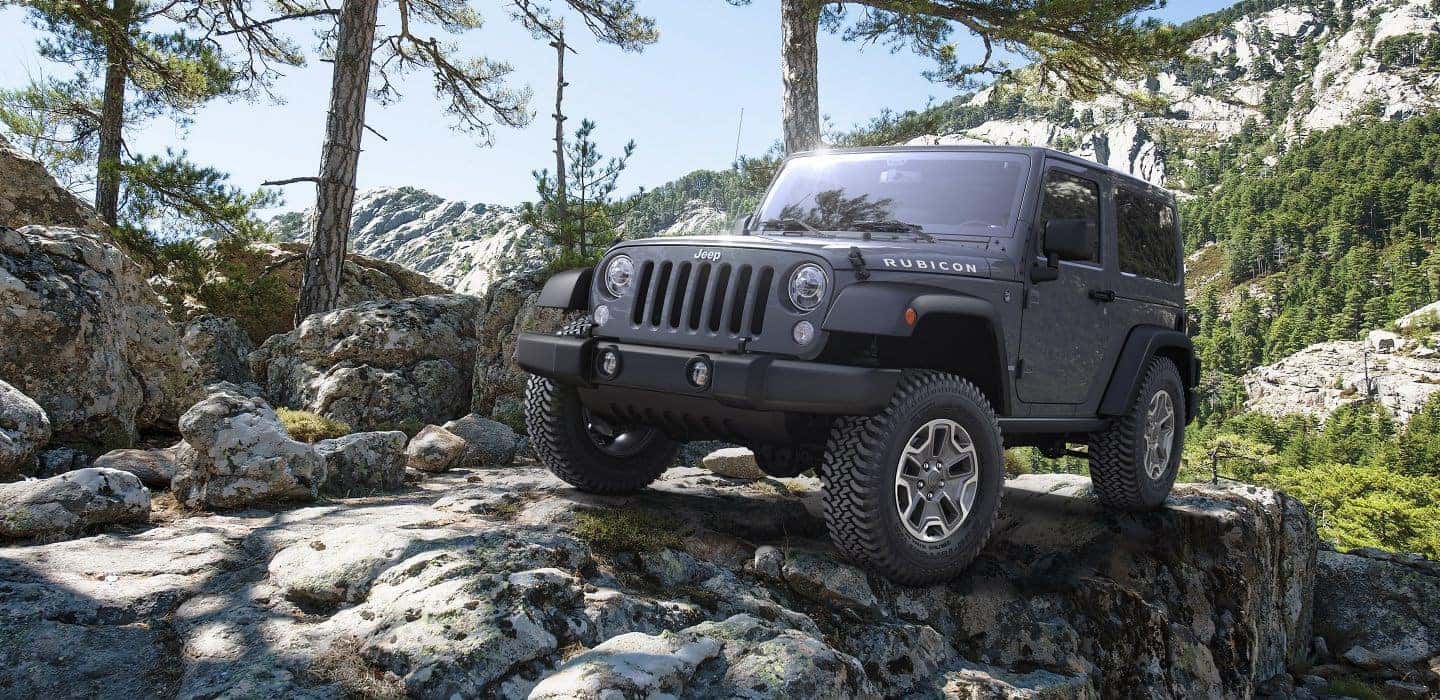
- Heavy Modifications: Extreme lifts, oversized tires, or engine swaps can turn off buyers.
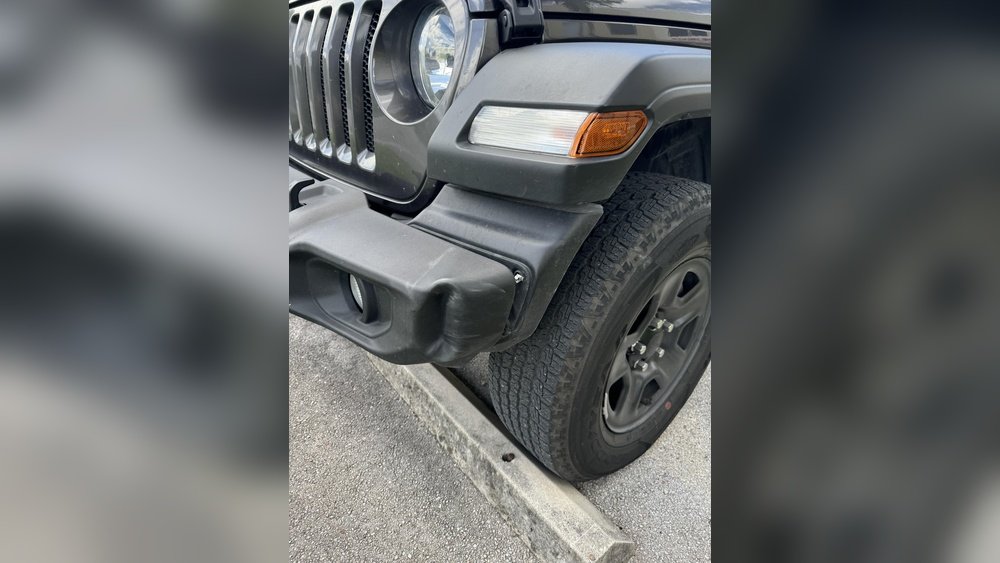
- Accident History: A clean record is critical. Even small accidents can drop price.
- Poor Maintenance: Skipping regular service lowers trust and value.
- High Mileage: Like any car, higher miles mean lower price, though Rubicons handle miles better than most.
A practical tip: Keep all service records and avoid cheap repairs. Buyers pay more for a Rubicon with a clear history.
Real-world Example
Let’s compare two similar Rubicons after five years:
| Rubicon A | Rubicon B |
|---|---|
| Stock, 50,000 miles, all service records, no accidents | Modified, 80,000 miles, missing records, minor accident |
| $32,000 resale value | $25,000 resale value |
Both started at around $48,000. The well-maintained, unmodified Rubicon A keeps $7,000 more value than Rubicon B.
How To Maximize Rubicon Resale Value
If you want to get the most for your Jeep Rubicon, follow these tips:
- Keep your Rubicon as original as possible. Small upgrades are fine, but avoid extreme changes.
- Save all maintenance records. This builds buyer trust.
- Fix scratches, dents, or small issues quickly.
- Consider selling privately. Dealers offer less than private buyers.
- Choose popular colors like black, white, or silver. Unique colors may hurt resale.
A non-obvious tip: In some regions, Rubicons with hardtops are worth more than soft tops due to weather.
The Market Outlook For Jeep Rubicons
The used car market changes every year, but the Rubicon’s value remains steady. Shortages of new cars (like during the pandemic) actually made used Rubicons more valuable.
As more buyers look for reliable, fun vehicles, demand stays high. However, fuel prices and new model releases can still affect prices.
For deeper statistics, you can check out Kelley Blue Book.
Frequently Asked Questions
How Long Does A Jeep Rubicon Usually Keep Its Value?
A Jeep Rubicon usually keeps more than 60% of its value after five years. Some well-kept models hold value even longer, especially with low mileage.
Is It Better To Buy A New Or Used Rubicon For Value?
A lightly used Rubicon often gives the best value. You avoid the biggest drop in price, which happens in the first year, but still get a reliable vehicle.
Do Modifications Increase Rubicon Resale Value?
Most aftermarket modifications do not add value. Buyers prefer original or lightly upgraded vehicles. Only high-quality, popular upgrades may help.
Why Do Rubicons Hold Value Better Than Other Jeeps?
The Rubicon’s off-road features, brand reputation, and high demand make it stand out. Limited editions and classic styling also help.
Are Jeep Rubicons Expensive To Maintain?
Rubicons are built tough, but maintenance costs can be higher than regular SUVs. However, if you keep up with service, the resale value stays strong.
In summary, Jeep Rubicons are among the best vehicles for holding value. Their unique features, strong demand, and trusted reputation make them a smart choice for buyers who want to protect their investment.
Take care of your Rubicon, and it will return the favor when it’s time to sell.