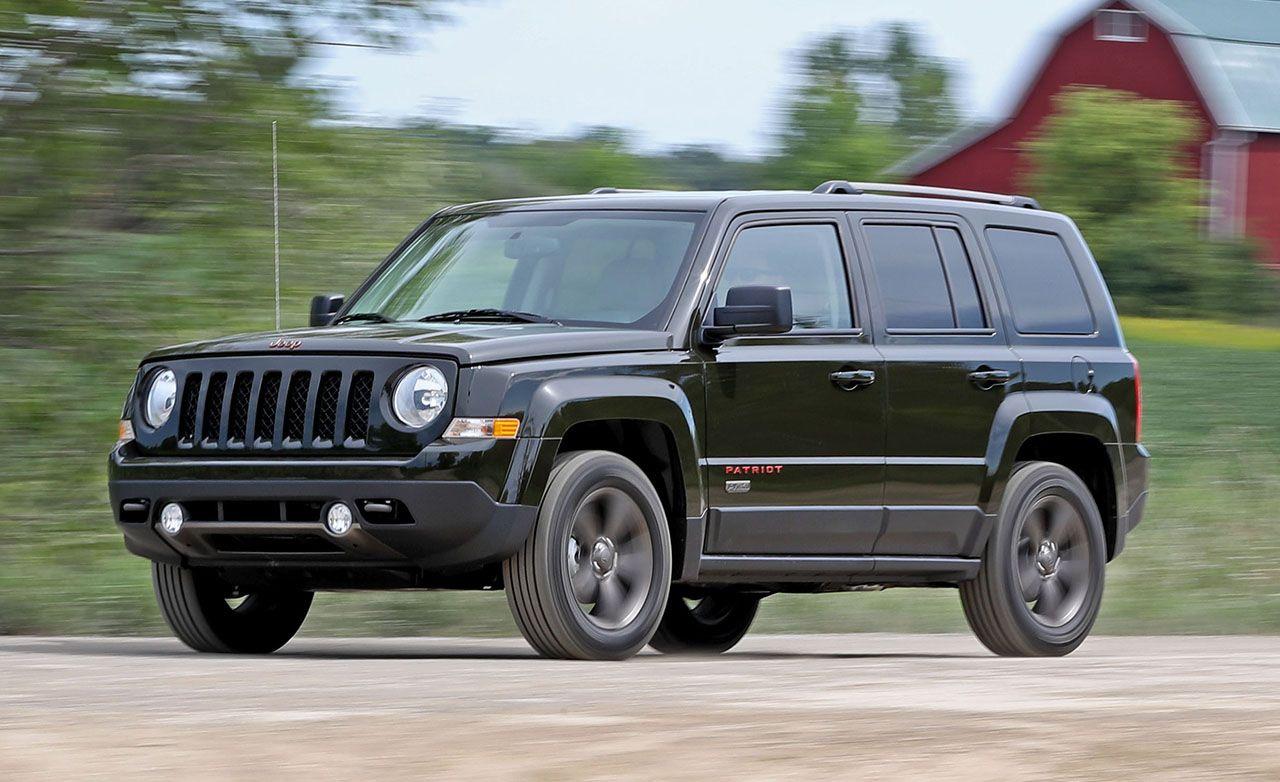
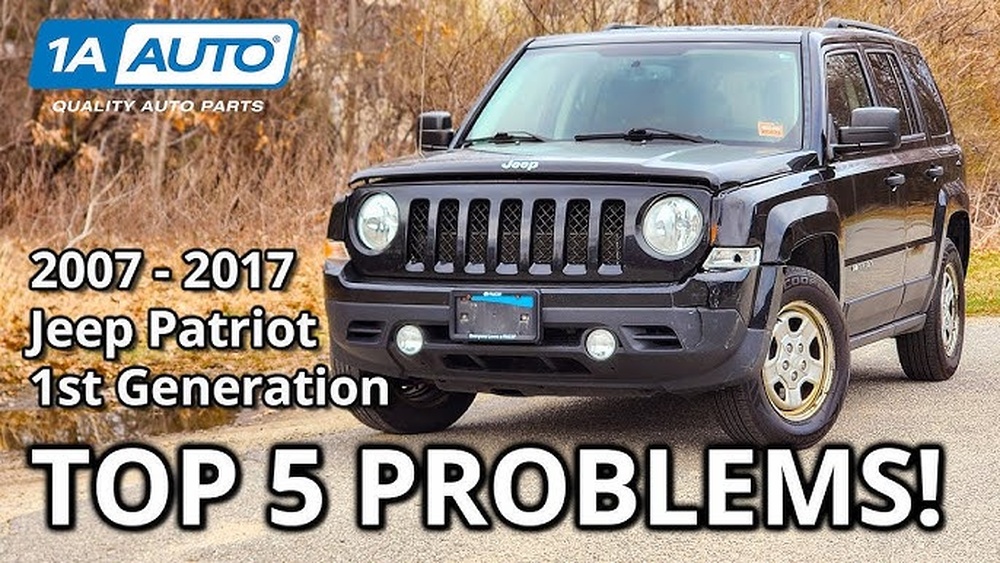
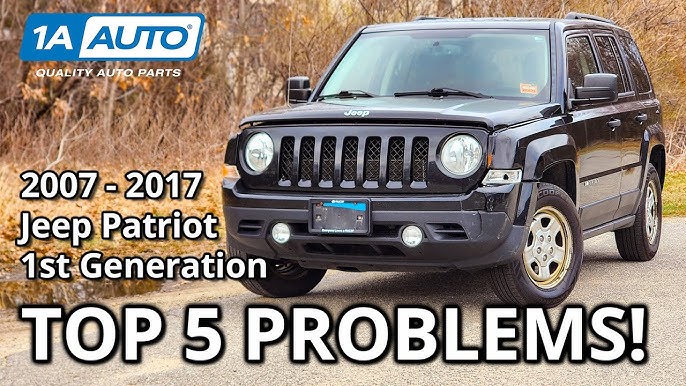
The Jeep Patriot is a compact SUV that caught attention for its affordable price and rugged look. Many drivers liked its off-road style and practical features. However, like all vehicles, the Patriot has its share of problems. If you’re thinking about buying a used Patriot or already own one, understanding its common issues can save you time, money, and frustration.
Common Jeep Patriot Problems
No car is perfect, and the Jeep Patriot is no exception. Over the years, several issues have been reported by drivers and experts.
1. Transmission Issues
The continuously variable transmission (CVT) in many Patriots is a source of trouble. Owners often notice:
- Jerky acceleration
- Whining noises
- Overheating, especially on long drives
Some Patriots experience transmission failure before 100,000 miles. Repairing or replacing a CVT can be expensive, sometimes costing over $3,000. If you drive in hot climates or tow with your Patriot, the risk is higher.
2. Water Leaks
A surprising number of Patriots suffer from water leaks. These leaks usually appear around the sunroof, doors, or roof seams. Signs include:
- Wet carpets
- Moldy smell
- Stains on the headliner
Water leaks can damage electronics and cause rust. Fixing leaks often requires resealing or replacing gaskets, which can be tricky.
3. Suspension And Steering Concerns
Many drivers report front suspension noise and early wear, especially:
- Lower control arms
- Ball joints
- Tie rods
These parts can wear out before 60,000 miles. Problems include clunking sounds or loose steering. Replacing worn parts improves safety and ride comfort.
4. Engine Troubles
Some Patriots face engine stalling or rough idling. Common causes are:
- Faulty crankshaft or camshaft sensors
- Dirty throttle body
While these issues are not as common as transmission problems, they can leave you stranded if ignored.
5. Electrical Problems
Owners sometimes notice:
- Power window failure
- Faulty door locks
- Dashboard warning lights
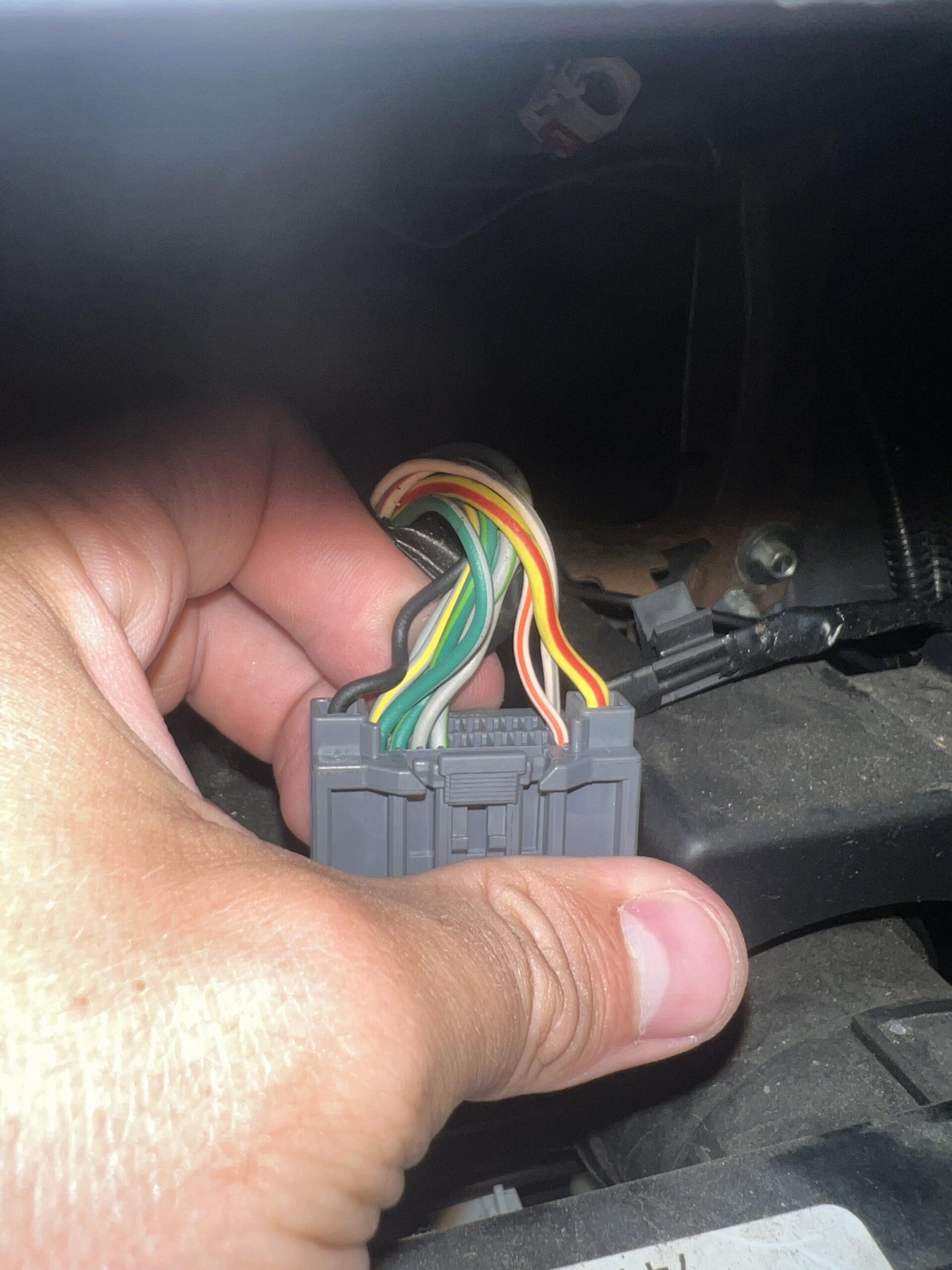
Electrical gremlins are often due to moisture entry or wiring faults.
Real-world Reliability Data
It’s helpful to see how the Jeep Patriot compares to other SUVs in its class. The table below shows reliability ratings from trusted sources.
| Model | Average Reliability Rating | Repair Cost (Annual) |
|---|---|---|
| Jeep Patriot | 3.0/5 | $596 |
| Honda CR-V | 4.5/5 | $407 |
| Toyota RAV4 | 4.5/5 | $429 |
| Ford Escape | 3.5/5 | $600 |
The Jeep Patriot’s repair costs are a bit higher than class leaders but not the worst in its segment.
Model Years To Watch Out For
Some years of the Patriot are more troublesome than others. Based on owner reports and recalls, it’s wise to be cautious with:
| Year | Known Problems |
|---|---|
| 2008 | Transmission failure, water leaks |
| 2011 | Engine stalling, electrical issues |
| 2014 | Suspension wear, sensor problems |
| 2016 | Transmission overheating |
Patriots built after 2015 have fewer complaints, but all years require careful inspection.
What Owners Like
Despite its problems, the Patriot has strengths that attract loyal owners.
- Affordable price: One of the cheapest compact SUVs when new and on the used market.
- Simple mechanics: Base models are easy to repair, with fewer electronics than rivals.
- Off-road look: Many enjoy the classic Jeep styling and available four-wheel-drive.
These features make the Patriot appealing for drivers who want basic transportation with a rugged appearance.
Buying Tips And What To Check
If you decide to buy a used Jeep Patriot, keep these tips in mind:
- Test drive carefully. Listen for unusual noises during acceleration, braking, and turning.
- Check for water leaks. Look under the carpets, in the trunk, and around the sunroof.
- Inspect the transmission. Make sure shifting is smooth, and there are no warning lights.
- Review maintenance records. Regular oil changes and transmission service are a good sign.
- Consider a pre-purchase inspection. A qualified mechanic can spot hidden problems.
A surprising mistake many buyers make is ignoring small leaks or noises, thinking they’re “normal for a Jeep. ” These small issues often turn into big repairs if not fixed early.
How To Reduce Jeep Patriot Problems
Regular maintenance is the key to keeping a Patriot running smoothly. Important steps include:
- Change transmission fluid every 30,000-50,000 miles if equipped with CVT.
- Replace worn suspension parts promptly to avoid further damage.
- Seal leaks as soon as possible to prevent rust and electrical problems.
One insight many new owners miss: Avoid towing heavy loads or driving long highway trips in extreme heat with a CVT model. The transmission is sensitive to overheating, which is a leading cause of failure.
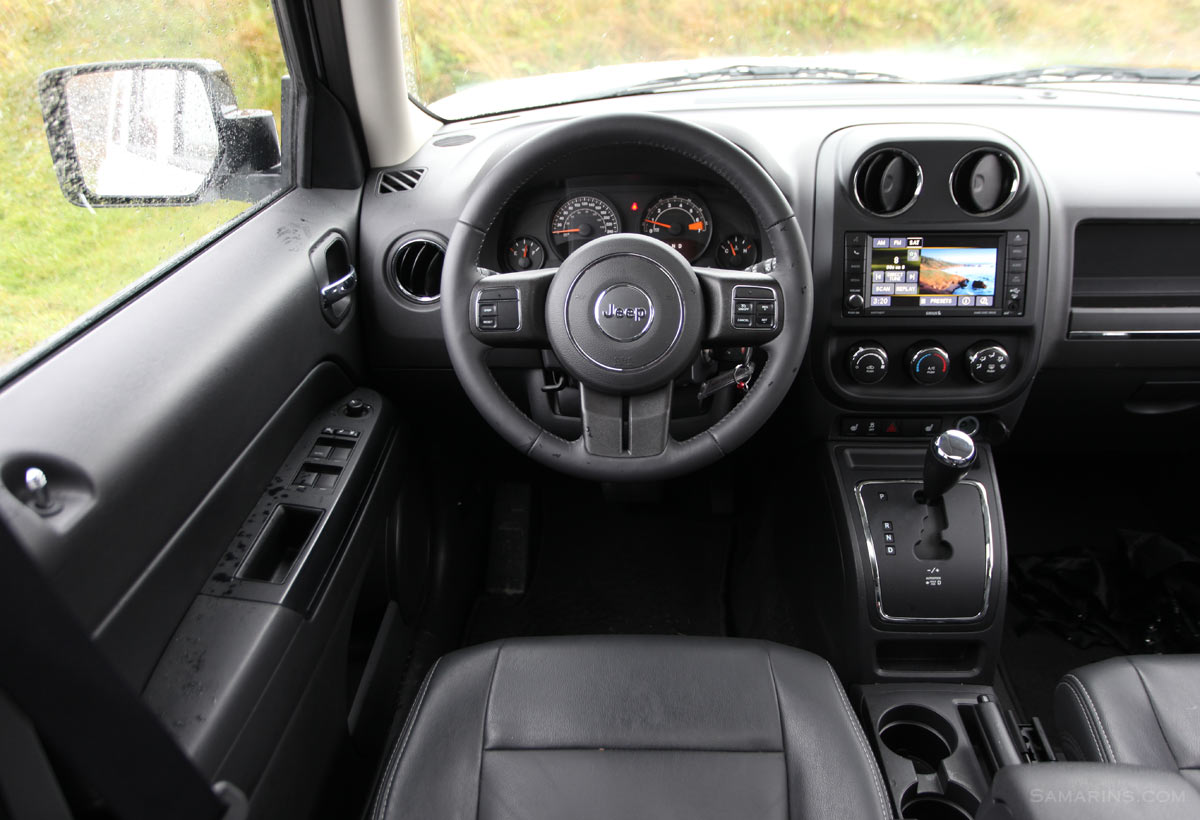
Is The Jeep Patriot Right For You?
The Patriot can be a good choice for those who:
- Want a simple, budget-friendly SUV
- Don’t mind basic features and a firm ride
- Are willing to stay on top of maintenance
However, if you need a trouble-free daily driver or plan to keep your vehicle for many years, a Toyota RAV4 or Honda CR-V may be more reliable options.
For more technical details and recalls, visit the official NHTSA website.
Frequently Asked Questions
Is The Jeep Patriot Expensive To Maintain?
The Patriot’s yearly repair costs are average for compact SUVs. Basic parts are cheap, but major repairs like transmission replacement can be costly.
What Is The Most Common Jeep Patriot Problem?
Transmission failure is the most common and expensive issue, especially in models with the CVT.
Are Jeep Patriots Good In Snow?
With four-wheel drive, the Patriot handles snow and light off-roading well. Front-wheel-drive models are less capable but still decent for city driving.
How Many Miles Do Jeep Patriots Last?
With proper maintenance, many Patriots last 120,000–180,000 miles. Neglecting service can shorten this lifespan.
Are Jeep Patriots Safe?
Safety ratings are average. Later models have more airbags, but crash scores are not as high as some competitors.
The Jeep Patriot offers value and style but comes with a few well-known problems. Careful shopping and regular maintenance are essential for a good ownership experience.