A Compass longevity question should not be answered with a magical mileage number. A vehicle’s remaining life depends on model year, maintenance history, driving conditions, accident history and the condition of the exact SUV being inspected.
Quick Answer
A Jeep Compass may serve for years when maintenance is kept current and problems are addressed promptly.
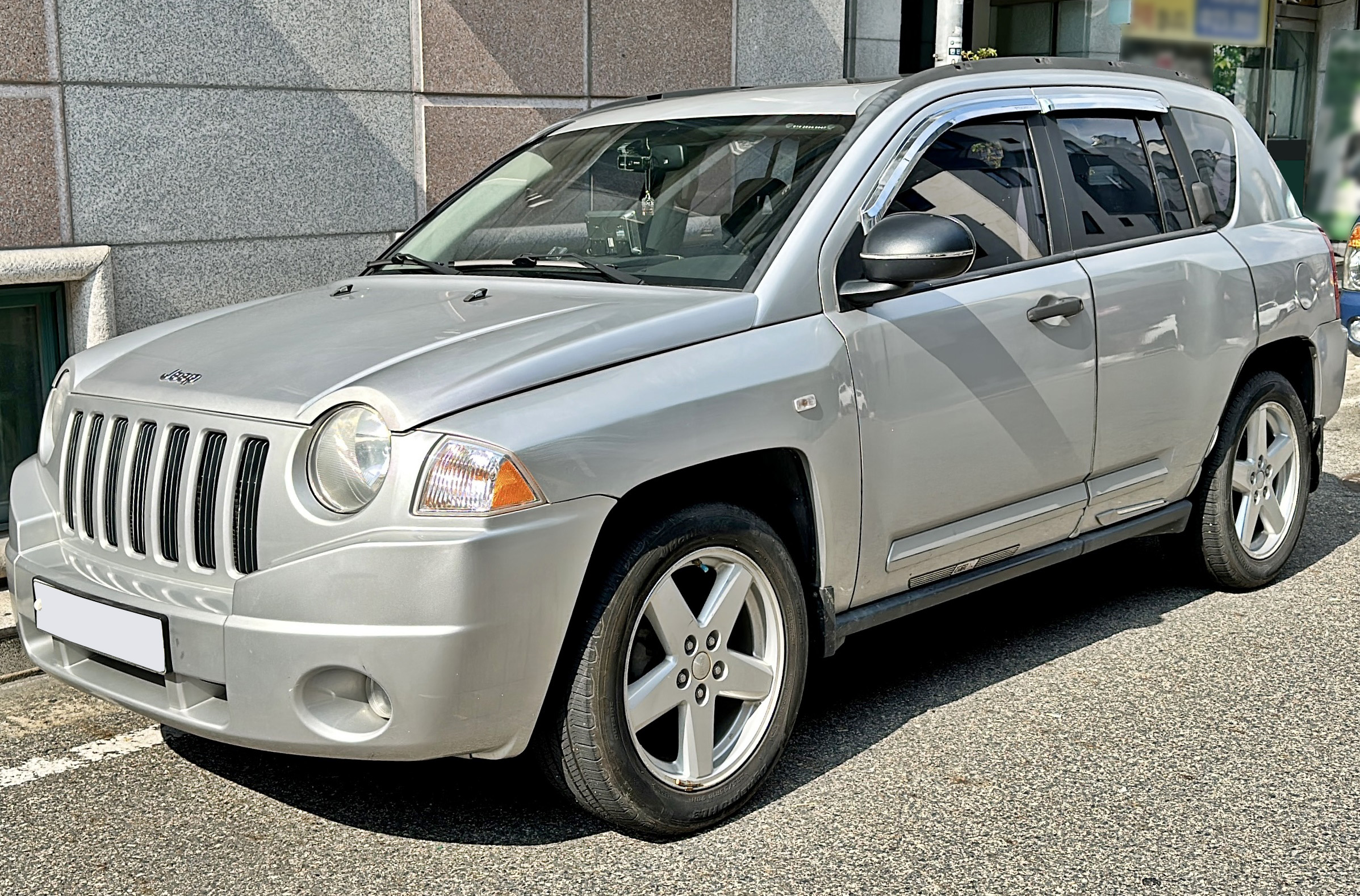
Before buying a used Compass, check the VIN, service records, recall status, warning lights, tires, fluids, rust and how the vehicle behaves during a cold start and road test.
Start With the Exact Model Year
Compass generations and powertrains changed over time. Identify the year, trim, engine and drivetrain before reading owner discussions.
A problem reported on one generation should not be copied automatically to another.
Records Matter More Than a Mileage Slogan
A lower-mileage SUV with delayed oil changes, old fluids and unresolved warnings may be a worse purchase than a higher-mileage example with consistent records. Ask for receipts and compare the service history with the maintenance schedule.
Complete a Cold-Start Inspection
Ask the seller not to warm the vehicle before you arrive. Listen during startup, watch warning lights, test idle quality and confirm the temperature remains stable.
A polished exterior cannot hide every mechanical clue.
Use a Long Test Drive
Drive in city traffic and at highway speed. Check steering, braking, acceleration, shifting, climate control, cameras and electronics.
Listen over bumps and during turns. A brief lap around a parking lot misses too much.
Run a VIN Recall Search
Use NHTSA or Mopar to check the exact VIN. Recall history does not answer every reliability question, but it is an essential safety step.
Ask for proof when a seller says recall work was completed.
Inspect Tires, Rust and Underbody Condition
Uneven tire wear may point to alignment or suspension needs. Road salt and water exposure may affect the underside.
Inspect before negotiating, especially when the SUV lived in a harsh climate.
Budget for the First Year
Include immediate maintenance, tires and a repair reserve. Do not spend the entire amount on the purchase.
A used Compass is a better value when the first-year budget remains realistic.
Key Details to Check
| Item | What to verify | Why it matters |
|---|---|---|
| Model details | Year, trim, engine and drivetrain | Connects research to the correct Compass |
| Maintenance | Receipts and schedule comparison | Shows whether service was delayed |
| Cold start | Noise, warning lights and idle | Reveals clues hidden by a warmed engine |
| Road test | Shifting, steering, brakes and electronics | Tests the SUV in real conditions |
| Recall status | VIN lookup through NHTSA or Mopar | Identifies open safety campaigns |
Step-by-Step Review
- Record the VIN and exact configuration.
- Check recalls and request service receipts.
- Inspect fluids, tires, rust and the underside.
- Start the Compass cold and scan for codes.
- Complete a mixed city and highway test drive.
- Price immediate work before making an offer.
Common Mistakes to Avoid
- Using one mileage target for every Compass
- Skipping the cold start
- Assuming a clean dashboard proves a clean scan
- Ignoring recall status
- Buying without a repair reserve
Frequently Asked Questions
How many miles will a Compass last?
There is no universal guarantee. Maintenance, condition and use matter more than one online number.
Should I buy a high-mileage Compass?
Only after reviewing records, scanning the SUV and completing a thorough inspection.
Where should I check recalls?
Use the NHTSA or Mopar VIN search.
Check Transmission Behavior Carefully
During the test drive, pay attention to how the Compass moves from a stop, changes speed and responds during steady cruising. Any hesitation, harsh behavior or warning message deserves diagnosis before purchase.
Do not accept a vague promise that the issue is normal.
Look for Evidence of Water Intrusion
Inspect carpets, the spare-tire area and interior trim for stains, moisture or odor. Water exposure may create electrical problems and corrosion.
A clean detail job can hide clues, so look carefully in storage areas and below mats.
Price Tires and Brakes Before Negotiating
Tires and brakes are ordinary wear items, but replacing them soon after purchase changes the deal. Check tread depth, tire age, brake feel and visible rotor condition.
Use the findings when comparing similar Compass listings.
Ask for an Independent Inspection
A technician can scan modules, inspect the underside and identify overdue service. The inspection may cost money, but it is cheaper than discovering multiple repairs after the purchase is complete.
Plan Maintenance Around Your Use
Short trips, rough roads, winter salt and heavy traffic affect ownership. Use the maintenance guide and inspect more frequently when conditions are hard on the vehicle.
Longevity comes from consistent attention, not a single mileage promise.
Review Ownership Cost, Not Only Purchase Price
Add insurance, immediate maintenance, tires and the repair reserve to the budget. A cheaper Compass with several overdue items may cost more during the first year than a slightly higher-priced example with better records.
Use the Inspection to Negotiate or Walk Away
When the report shows manageable work, use the documented costs during negotiation. When it shows uncertain transmission behavior, heavy rust or several unresolved warnings, choose another vehicle instead of forcing the deal.
Keep a Maintenance File After Purchase
Store receipts, scan reports, tire records and recall paperwork together. Note mileage at each service.
A simple file helps you spot patterns early and gives a future buyer better evidence than a general claim that the Compass was well maintained.
- How Long Does A Jeep Compass Last
- How Long Will A Jeep Compass Last
- How Long Will Jeep Grand Cherokee Last
Final Takeaway
A Compass longevity decision should be based on the exact SUV, not a mileage myth. Inspect the vehicle carefully, review the records and reserve money for the first year of ownership.