Did Jeep Go Bankrupt?
Many people wonder: Did Jeep go bankrupt? The brand is famous for rugged SUVs and off-road vehicles, but its history is not simple. Jeep has survived wars, market changes, and even financial trouble. Today, it remains a strong name in the auto industry. Let’s explore Jeep’s financial story, clear up common confusion, and see how the company managed to stay alive.
Jeep’s Early History And Ownership Changes
Jeep started in the early 1940s. It was created for the US military during World War II. The original design came from Willys-Overland, and later, Ford produced similar models. After the war, Jeep became popular with civilians. The Jeep’s simple, tough design made it appealing not just for soldiers, but also for farmers, workers, and adventurers who needed a vehicle that could handle rough roads and tough jobs.
Ownership of Jeep changed many times:
- Willys-Overland (1941–1953): First to produce Jeep.
- Kaiser Motors (1953–1970): Bought Willys-Overland.
- American Motors Corporation (AMC) (1970–1987): Modernized Jeep and expanded models.
- Chrysler (1987–1998): Bought AMC, including Jeep.
- DaimlerChrysler (1998–2007): Merged with Chrysler.
- Fiat Chrysler Automobiles (FCA) (2014–2021): Chrysler merged with Fiat.
- Stellantis (2021–present): FCA merged with Peugeot’s parent company.
Each owner brought changes. For example, AMC introduced the Cherokee and modernized the line, attracting new customers who wanted family-friendly SUVs.
Under Chrysler, Jeep’s production grew, and the brand became even more recognizable around the world. DaimlerChrysler tried to blend German engineering with Jeep’s American style, but the partnership faced challenges.
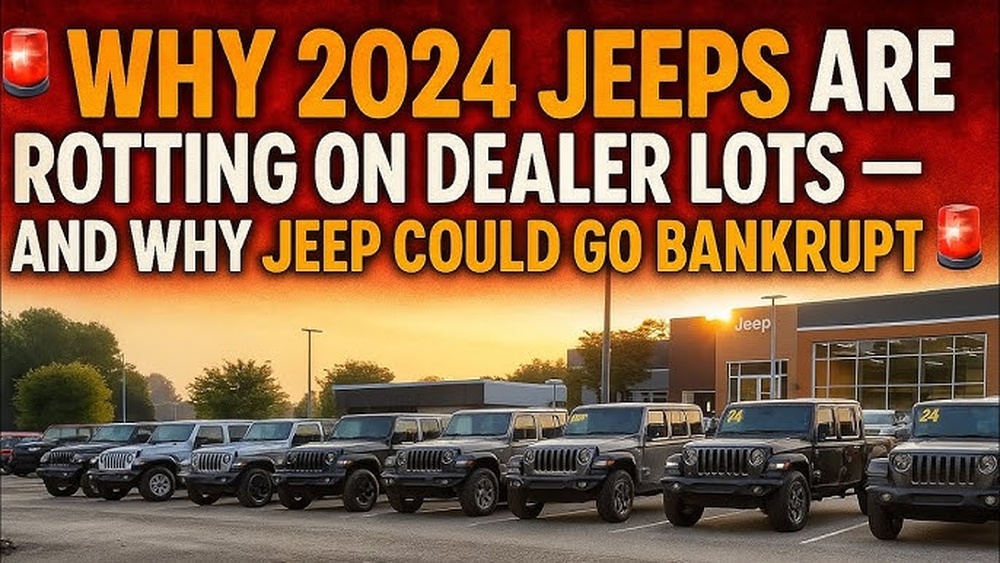
Jeep itself never filed for bankruptcy. But its parent companies faced financial crises.
This is where confusion often starts. Many car fans and buyers don’t realize that a brand can survive even if the company that owns it faces trouble.
This difference is important to understand Jeep’s journey.
Chrysler’s Bankruptcy And Jeep’s Survival
The most famous bankruptcy linked to Jeep happened in 2009. Chrysler LLC, Jeep’s parent company, filed for bankruptcy during the global financial crisis. At that time, car sales dropped sharply, and many automakers struggled with debt and slow markets.
| Year | Company | Event |
|---|---|---|
| 2009 | Chrysler LLC | Filed for bankruptcy |
| 2009 | Jeep | Continued production |
| 2014 | Fiat Chrysler Automobiles | Formed after merger |
| 2021 | Stellantis | New parent company |
Chrysler’s bankruptcy was big news. The US government stepped in with loans and support.
The company reorganized, and Fiat took control. Jeep was never shut down; production went on.
In fact, Jeep’s strong sales helped Chrysler recover.
During this time, many workers at Jeep factories worried about their jobs. But because Jeep was profitable, factories kept running, and the brand kept advertising and launching new models.
This was different from some other car brands, which stopped making cars or closed down.

Why People Think Jeep Went Bankrupt
Many believe Jeep went bankrupt because:
- Chrysler owned Jeep during its bankruptcy.
- News headlines often mentioned Jeep in bankruptcy stories.
- Jeep is a major brand in Chrysler’s lineup.
News reports sometimes used Jeep’s name alongside Chrysler’s, which made it sound like Jeep was in trouble too. Dealerships often had signs for both Chrysler and Jeep, making the connection stronger in people’s minds.
But Jeep as a brand never disappeared. The vehicles were still made and sold.
The company’s factories stayed open. Only Chrysler, the parent, went bankrupt and reorganized.
It’s a common mistake to think the brand suffered the same fate as the owner. In reality, Jeep’s business stayed strong.
For example, during Chrysler’s financial crisis, Jeep’s Wrangler and Grand Cherokee continued to win awards and sell well. This helped keep the brand visible and trusted.
Jeep After The Bankruptcy: Growth And Success
After Chrysler’s bankruptcy, Jeep became even more successful. Sales increased every year for nearly a decade. New models like the Jeep Grand Cherokee and Jeep Wrangler attracted customers worldwide. Jeep also expanded into smaller SUV segments, launching the Compass and Renegade, which helped bring in younger and urban buyers.
Let’s see Jeep’s sales growth after 2009:
| Year | Jeep US Sales |
|---|---|
| 2009 | 231,701 |
| 2015 | 865,028 |
| 2020 | 795,312 |
| 2022 | 684,614 |
Even during economic downturns, Jeep stayed popular. The brand expanded in Europe, Asia, and South America.
Today, Jeep is part of Stellantis, a huge global company. Jeep also started to focus on hybrid and electric technologies, showing it can adapt to new trends.
For example, the plug-in hybrid Wrangler 4xe is now one of the best-selling plug-in hybrids in the US.
Another sign of Jeep’s strength is its loyal customer base. Many Jeep owners become lifelong fans, joining clubs and off-road events.
This community support helps the brand stay strong even when the car market slows down.
Non-obvious Insights About Jeep’s Financial Journey
Most people miss these facts:
- Jeep’s brand value protected it: Even when owners had money trouble, Jeep’s reputation kept it safe. Buyers trusted the brand, not just the parent company. For instance, during Chrysler’s bankruptcy, Jeep’s image for toughness and reliability meant people still wanted to buy Jeeps, even if they worried about Chrysler’s future.
- Government support mattered: The US government helped Chrysler, which indirectly saved Jeep. Without this, Jeep’s future could have been risky. This support included not only loans but also a fast restructuring process, allowing Chrysler and Jeep to keep working without long delays.
Another point: Jeep’s global appeal. While US sales are important, Jeep sells many vehicles overseas. This spreads risk and helps the brand survive tough times. For example, if US sales slow down, strong sales in countries like China, Brazil, and Italy can balance the business. Also, Jeep’s ability to produce vehicles in different regions helps reduce shipping costs and respond faster to local market changes.
One more insight: Jeep’s off-road image allows it to charge higher prices than some other brands. This “brand premium” helps keep profits up, even when the car market is tough.
Comparing Jeep With Other Car Brands Facing Bankruptcy
Jeep’s story is unique. Other brands did not always survive bankruptcy or crisis.
| Brand | Parent Company Bankruptcy? | Brand Survival? |
|---|---|---|
| Jeep | Yes (Parent: Chrysler 2009) | Yes |
| Saturn | Yes (Parent: GM 2009) | No |
| Hummer | Yes (Parent: GM 2009) | No (relaunched later) |
| Plymouth | Yes (Parent: Chrysler 2001) | No |
| Chrysler | Yes (2009) | Yes |
Jeep’s brand strength and sales gave it a better chance than many others. Some brands, like Saturn and Plymouth, lost their place in the market because they didn’t have the same strong identity or loyal following as Jeep.
Hummer did not survive bankruptcy at first, but was brought back years later as an electric brand.
This shows that a strong, unique brand can help a company survive even major challenges.

What Jeep’s Future Looks Like
Jeep is not at risk of bankruptcy today. Stellantis is a financially strong company.
Jeep continues to launch new models and invest in electric vehicles.
Some key trends:
- Jeep is moving toward electric SUVs. The company has already announced several electric models, including the upcoming Jeep Recon and Wagoneer S. These are designed to compete with top electric SUVs worldwide.
- The brand invests in global markets. Jeep is building new factories and expanding its dealer network in regions like India and South America.
- Stellantis plans to keep Jeep as a leading name. The company sees Jeep as one of its most valuable brands and continues to invest in marketing, technology, and innovation.
Jeep is also focusing on new technology for safety and comfort, such as advanced driver assistance and improved connectivity. The future looks bright, with plans to make every Jeep model available in an electric or hybrid version over the next few years.
For more details on Jeep’s history and ownership, check Wikipedia.
Frequently Asked Questions
Did Jeep Ever File For Bankruptcy?
No, Jeep itself never filed for bankruptcy. Only its parent company, Chrysler, did so in 2009.
Why Do People Think Jeep Went Bankrupt?
Because Chrysler owned Jeep during its bankruptcy, people often confused the brand with the parent company’s financial troubles.
How Did Jeep Survive The Chrysler Bankruptcy?
Jeep survived because of its strong sales and brand reputation. The government also helped Chrysler, which saved Jeep indirectly.
Who Owns Jeep Now?
Jeep is owned by Stellantis, a large global company formed from Fiat Chrysler Automobiles and Peugeot’s parent company.
Is Jeep At Risk Of Bankruptcy Today?
No. Jeep is financially stable and continues to grow.
Stellantis supports the brand with new investments and models.
Jeep’s story proves that strong brands can survive even when their owners face bankruptcy. The company’s history shows resilience and adaptability.
Today, Jeep remains a leader in the SUV market and is moving toward a future with new technologies and global expansion.
Jeep’s journey is a reminder that a trusted name, loyal customers, and the ability to adapt can help a brand survive almost any storm.