The story of Jeep and its relationship with Chrysler is full of twists, business decisions, and industry changes. Many car fans wonder, did Chrysler buy Jeep?
The answer is yes, but the journey is more interesting than most people realize. Jeep’s history goes back to World War II, but Chrysler’s involvement started much later.
Understanding this history helps explain why Jeep is so popular today and how it became part of the Chrysler family.
Jeep’s Origin And Early History
Jeep began during World War II. The U.S. Army needed a tough, reliable vehicle for soldiers. Willys-Overland and Ford made the first Jeeps, called the MB and GPW. After the war, Willys kept making civilian Jeeps, like the CJ series. Jeep quickly became famous for its off-road ability.
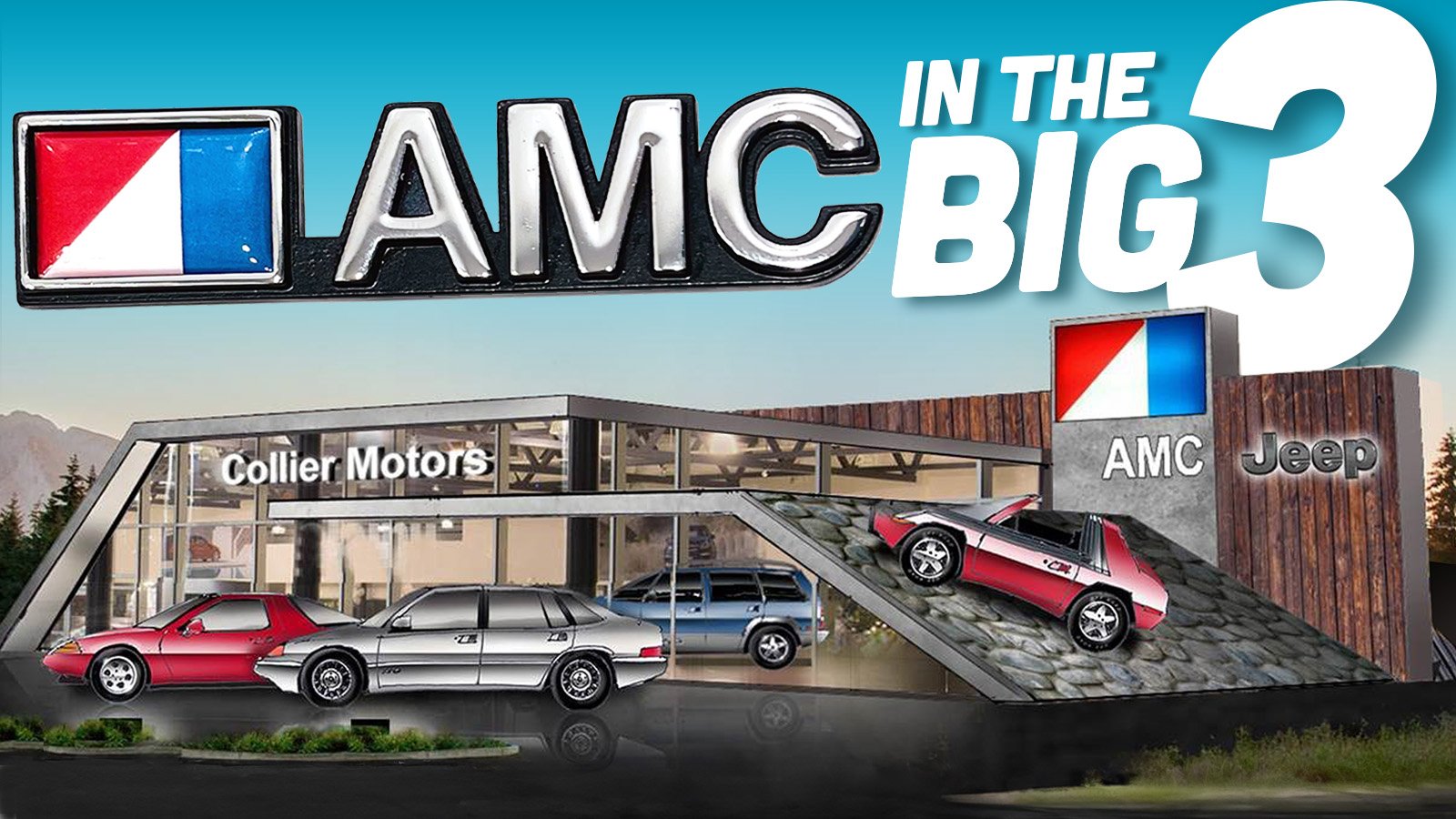
In the 1950s and 60s, Jeep changed hands several times. Kaiser Motors bought Willys in 1953. By 1970, American Motors Corporation (AMC) owned Jeep. AMC invested in new models like the Cherokee and Grand Wagoneer, building Jeep’s reputation as a top SUV brand.
Chrysler Buys Jeep: The 1987 Acquisition
The major turning point came in 1987. Chrysler, one of America’s biggest car companies, bought AMC. The main reason? Chrysler wanted the Jeep brand. At the time, SUVs were becoming popular, and Jeep was a leader.
Chrysler paid about $1.5 billion for AMC. This deal brought Jeep into the Chrysler group. Jeep’s famous models, like the Wrangler and Cherokee, now had Chrysler’s resources behind them.
Here’s a quick comparison of AMC and Chrysler at the time of the deal:
| Company | Main Products | Annual Revenue (1987) |
|---|---|---|
| AMC | Jeep, Eagle | $3 billion |
| Chrysler | Dodge, Plymouth, Chrysler | $16 billion |
Chrysler kept the Jeep brand separate. They improved the line-up, launching new models and updating older ones. The Grand Cherokee (1992) became a huge success, showing Chrysler’s impact.

Why Chrysler Wanted Jeep
Chrysler’s decision to buy Jeep was not just about getting new cars. Jeep had some unique strengths:
- Strong reputation: Jeep was seen as the best off-road vehicle.
- Growing SUV market: People wanted SUVs more than ever.
- Loyal customer base: Jeep fans often bought only Jeep.
Chrysler saw that Jeep could help them grow in a new market. SUVs were selling fast, and Jeep was leading the pack.
Chrysler also wanted technology and designs from AMC’s engineers.
Here’s a comparison of Jeep and other SUV brands in the early 1990s:
| Brand | Popular SUV Model | US Sales (1992) |
|---|---|---|
| Jeep | Grand Cherokee | 220,000 |
| Ford | Explorer | 300,000 |
| Chevrolet | Blazer | 150,000 |
Jeep’s strong sales made it a valuable part of Chrysler’s business.
Jeep’s Journey After Chrysler
After the purchase, Jeep thrived under Chrysler. The company invested in quality, safety, and new designs. Jeep became famous worldwide, not just in the US. Models like the Wrangler and Grand Cherokee won awards for performance and reliability.
However, Chrysler itself went through changes:
- In 1998, Chrysler merged with Daimler-Benz (maker of Mercedes-Benz). The new company was called DaimlerChrysler.
- In 2007, Daimler sold Chrysler to Cerberus Capital Management.
- By 2009, Chrysler filed for bankruptcy, but Jeep remained strong.
- In 2014, Chrysler merged with Fiat, making Fiat Chrysler Automobiles (FCA).
- In 2021, FCA merged with PSA Group (Peugeot), forming Stellantis.
Despite all these changes, Jeep stayed at the center of the company’s strategy.
Non-obvious Insights Beginners Miss
Many people think Jeep was always part of Chrysler, but it was AMC’s best product for years. Another detail: Chrysler didn’t just want Jeep’s brand. They also got AMC’s talented engineering team. These engineers helped Chrysler develop new models and improve quality.
A second insight: Chrysler used Jeep’s platforms (the base of a car) to build other vehicles. For example, the Dodge Durango shared parts with the Jeep Grand Cherokee. This saved money and improved both brands.
Chrysler’s Influence On Jeep Today
Jeep’s growth under Chrysler has shaped its modern identity. Chrysler brought more resources, marketing, and technology. Jeep expanded its line-up, including models like the Compass and Renegade. Today, Jeep sells millions of vehicles worldwide.
Chrysler’s decision to keep Jeep’s rugged image was wise. The brand still stands for off-road excellence and adventure. Even as the parent company changed names, Jeep’s values stayed the same.