The 2019 Jeep Cherokee is a capable SUV, but like any vehicle, it requires proper maintenance to run smoothly. One crucial aspect of this maintenance is the coolant.
Choosing the right coolant and knowing how to manage it can save you from costly repairs and ensure your Cherokee performs reliably in various weather conditions.
This guide will walk you through everything you need to know about the coolant for your 2019 Jeep Cherokee, from type and capacity to maintenance and troubleshooting.
Understanding Coolant Types For Your 2019 Jeep Cherokee
Coolant, also known as antifreeze, is a vital fluid that circulates through your engine to manage its temperature. It prevents the engine from overheating in hot weather and from freezing in cold weather. For the 2019 Jeep Cherokee, it’s essential to use the correct type of coolant to avoid damaging the engine’s cooling system components.
Jeep, like many manufacturers, has specific coolant requirements. For the 2019 model year, Jeep recommends a HOAT (Hybrid Organic Acid Technology) coolant. Specifically, this often translates to a Mopar OAT (Organic Acid Technology) coolant or an equivalent that meets the Chrysler Material Standard MS-12106 specification. This type of coolant typically has a vibrant pink or orange color.
It's crucial to understand why using the wrong coolant can be detrimental. Older coolants, like conventional green ethylene glycol, can cause corrosion and damage to the seals and metal components within the modern cooling system of a 2019 Cherokee.
HOAT coolants are designed with a blend of organic acids and silicates, offering long-term protection against corrosion for the diverse materials found in today's engines, including aluminum, cast iron, and various plastics and rubber seals.
Why Hoat Coolant Is Important
The HOAT coolant is formulated to provide a balance of rapid heat transfer and long-lasting corrosion protection. The organic acid components in HOAT coolants form a protective layer on metal surfaces, preventing rust and corrosion. Unlike older silicate-based coolants that could wear down over time, HOAT coolants offer extended service intervals, typically up to 5 years or 100,000 miles. This longevity is a significant advantage for owners, reducing the frequency of coolant flushes and replacements.
Using a coolant that does not meet the MS-12106 specification can lead to several problems. You might experience premature corrosion of internal engine parts, including the water pump, radiator, and heater core.
This can result in leaks, reduced cooling efficiency, and eventually, severe engine damage.
Always check your owner’s manual or consult a trusted mechanic if you are unsure about the correct coolant for your vehicle.
Coolant Capacity And Specifications For The 2019 Jeep Cherokee
Knowing the correct coolant capacity for your 2019 Jeep Cherokee is essential for both routine top-offs and complete system flushes. The total coolant capacity can vary slightly depending on the engine option. The 2019 Jeep Cherokee was available with two primary engine options: the 2.0L Turbo I4 and the 3.2L Pentastar V6.
For models equipped with the 2.0L Turbo engine, the total coolant capacity is approximately 9.5 quarts (9.0 liters).
For models equipped with the 3.2L Pentastar V6 engine, the total coolant capacity is approximately 10.5 quarts (9.9 liters).
These figures represent the total volume of the cooling system, including the radiator, engine block, heater core, and hoses. When performing a coolant flush and refill, you will typically purchase a concentrated coolant and distilled water mixture, or a pre-mixed 50/50 solution.
If using concentrated coolant, you will need enough to mix with an equal amount of distilled water to achieve the required volume. For example, for the V6 engine, you would need approximately 5. 25 quarts of concentrated coolant and 5.
25 quarts of distilled water.
The Importance Of Distilled Water
When mixing concentrated coolant, always use distilled water. Tap water contains minerals and impurities that can lead to scale buildup within the cooling system. This scale can reduce the efficiency of heat transfer and clog passages, potentially leading to overheating. Distilled water is pure and free of these contaminants, ensuring optimal performance and longevity of your cooling system.
Verifying Your Specific Model
While these capacities are generally accurate, it’s always best to confirm the exact coolant capacity for your specific 2019 Jeep Cherokee by consulting your owner’s manual. The manual will also detail the precise Mopar specification or equivalent coolant type required. This information is critical to prevent potential damage from using an incompatible fluid.

When To Check And Replace Your Coolant
Regularly checking your coolant level is a simple yet vital maintenance task. It allows you to catch potential leaks early and ensure your engine is adequately protected. The 2019 Jeep Cherokee owner’s manual typically recommends checking the coolant level at least once a month or before long trips.
Checking The Coolant Level
- Ensure the engine is cool. Never open the radiator cap or coolant reservoir cap when the engine is hot. The system is under pressure, and hot coolant can cause severe burns.
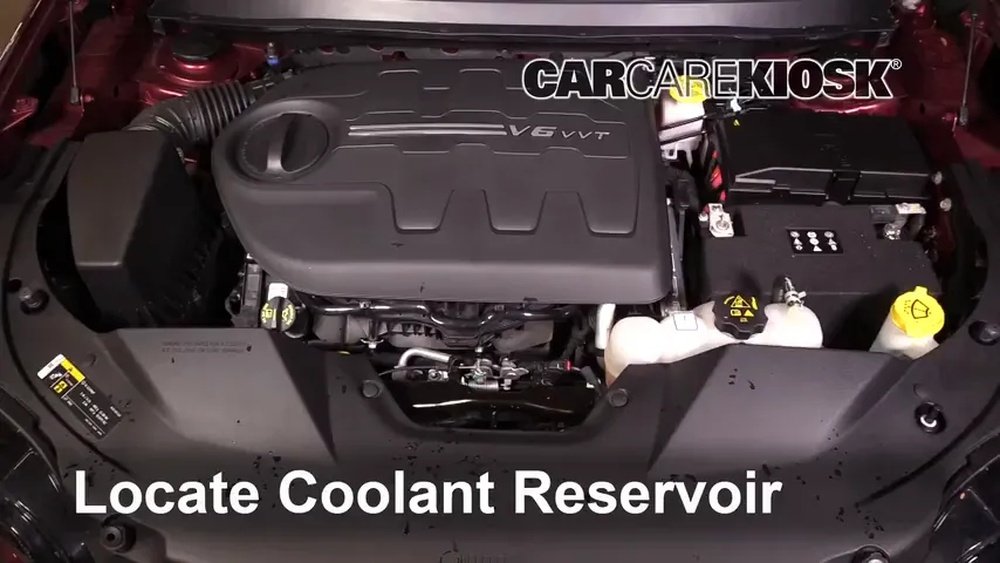
- Locate the coolant reservoir. This is usually a translucent plastic tank connected to the radiator.
- Observe the level. There will be “MIN” and “MAX” or “COLD” and “HOT” lines marked on the reservoir. The coolant level should be between these lines when the engine is cold. If it’s below the “MIN” or “COLD” line, you need to add coolant.
Topping Off Coolant
If the coolant level is low, you can top it off using the correct type of coolant (pre-mixed 50/50 solution is easiest for topping off).
- Slowly remove the reservoir cap.
- Add the coolant mixture until it reaches the “MAX” or “HOT” line. Do not overfill.
- Replace the cap securely.
- Start the engine and let it run for a few minutes, then re-check the level once it cools down.
Complete Coolant Replacement (flush)
The service interval for a complete coolant flush and replacement for a 2019 Jeep Cherokee using the specified HOAT coolant is typically around 100,000 miles or 5 years, whichever comes first. However, it’s always best to refer to your owner’s manual for the exact recommendation.
A coolant flush involves draining the old coolant, flushing the system with a cleaning solution or distilled water to remove debris and old fluid, and then refilling it with the new, correct coolant mixture. This process ensures that the cooling system is free of contaminants and filled with fresh coolant that provides optimal protection.
Signs that your coolant may need checking or replacing sooner:
- Visible leaks: Puddles of pink or orange fluid under your vehicle.
- Overheating: The temperature gauge climbing into the red zone.
- Foul smell: A sweet, syrupy odor, which can indicate a coolant leak.
- Discolored coolant: If the coolant appears rusty, cloudy, or has debris floating in it.
- Low coolant warning light: If your dashboard indicates a low coolant level.
Performing A Coolant Flush And Replacement
While many owners opt to have a professional mechanic perform a coolant flush, it is a task that can be done at home with the right tools and knowledge. This process ensures your 2019 Jeep Cherokee’s cooling system is clean and filled with fresh, protective fluid.
Tools And Materials You’ll Need:
- Correct Coolant: Mopar OAT (MS-12106) or equivalent HOAT coolant (pink/orange).
- Distilled Water: For mixing if using concentrated coolant.
- Drain Pan: Large enough to hold the old coolant.
- Funnel: For adding new coolant.
- Pliers: To remove hose clamps.
- Gloves and Eye Protection: For safety.
- Jack and Jack Stands: To safely raise the front of the vehicle for better access to the drain plug.
- Optional: Cooling system flush kit.
Step-by-step Process:
- Prepare the Vehicle: Ensure the engine is completely cool. Park the vehicle on a level surface. If needed, safely raise the front of the vehicle using a jack and secure it with jack stands.
- Locate the Radiator Drain Plug: This is usually at the bottom of the radiator. Some vehicles have a petcock valve, while others have a plug that needs to be removed.
- Drain the Old Coolant: Place the drain pan beneath the drain plug. Carefully open the radiator cap (this helps the fluid drain faster) and then open the drain plug. Allow all the old coolant to drain completely.
- Flush the System (Optional but Recommended): Once drained, close the drain plug. Fill the system with distilled water. You can either run the engine for a short period with the distilled water (following flush kit instructions if used) or simply let it sit. Drain this water. Repeat this flushing process until the drained water runs clear.
- Close the Drain Plug: Ensure the drain plug is securely tightened.
- Refill with New Coolant:
- If using concentrated coolant: Mix the coolant with distilled water in a 50/50 ratio in a separate container.
- If using pre-mixed coolant: Use it directly.
- Using a funnel, slowly pour the new coolant mixture into the radiator until it reaches the fill neck.
- Fill the Reservoir: Fill the coolant reservoir to the “MAX” or “HOT” line with the same coolant mixture.
- Bleed the System: This is a critical step to remove air pockets.
- Start the engine.
- Turn the heater to the highest temperature and fan speed.
- Let the engine run until it reaches normal operating temperature. Watch the temperature gauge.
- As the engine warms up, the thermostat will open, and the coolant will circulate. You may need to add more coolant to the reservoir as air escapes.
- Periodically squeeze the radiator hoses to help dislodge air bubbles.
- Once the engine is at operating temperature and no more air seems to be escaping, turn off the engine.
- Allow the engine to cool completely.
- Final Check: After the engine has cooled, re-check the coolant level in both the reservoir and the radiator (if accessible). Top off if necessary.
- Dispose of Old Coolant Properly: Never pour old coolant down the drain or onto the ground. It is toxic. Take it to a local recycling center or auto parts store that accepts used fluids.
Pro Tip: Always refer to your 2019 Jeep Cherokee owner’s manual for specific instructions regarding bleeding the cooling system, as procedures can vary slightly between models and engine types.
Common Coolant Problems And Troubleshooting
Even with regular maintenance, coolant systems can develop problems. Knowing how to identify and address these issues can prevent minor inconveniences from becoming major repairs for your 2019 Jeep Cherokee.
Overheating
This is the most common symptom of a cooling system issue.
- Causes: Low coolant level, leaks, faulty thermostat, clogged radiator, malfunctioning water pump, or a bad radiator fan.
- Troubleshooting:
- Check the coolant level first (when the engine is cool).
- Look for leaks around hoses, the radiator, and the water pump.
- Check if the radiator fan is operational. It should turn on when the engine gets hot.
- A faulty thermostat can get stuck closed, preventing coolant from circulating.
- A clogged radiator can restrict flow.
Coolant Leaks
Leaking coolant is a serious issue that needs immediate attention.
- Causes: Punctured radiator, cracked hoses, loose hose clamps, worn water pump seals, or a blown head gasket.
- Troubleshooting:
- Identify the source: Look for wet spots or drips of pink/orange fluid. Leaks can sometimes be hard to find, especially small ones. A mechanic can perform a pressure test to locate them.
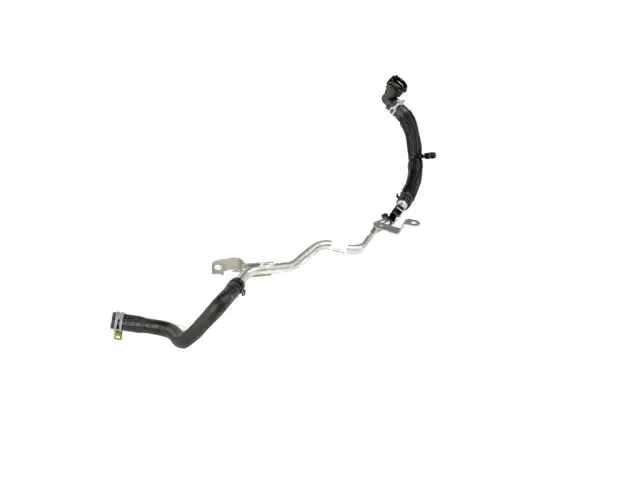
- Hoses: Inspect hoses for cracks, swelling, or brittleness. Check hose clamps for tightness.
- Radiator: Look for corrosion or physical damage.
- Water Pump: Often leaks from a weep hole when the seal fails.
- Head Gasket: A blown head gasket can cause coolant to leak internally or externally, and may also lead to overheating or white smoke from the exhaust.
Coolant Contamination
If your coolant looks dirty, rusty, or milky, it’s contaminated.
- Causes: Using the wrong type of coolant, internal engine leaks (like a head gasket failure), or sediment buildup from neglecting regular flushes.
- Troubleshooting:
- Flush the system: If contamination is due to using the wrong coolant or general neglect, a thorough flush and refill with the correct coolant is necessary.
- Internal Leaks: If contamination is suspected due to a blown head gasket, further diagnosis by a mechanic is required. This often involves testing for exhaust gases in the coolant or checking for oil in the coolant.
Heater Not Working Properly
If your cabin heater isn’t blowing hot air, it could be a coolant issue.
- Causes: Low coolant level, air trapped in the heater core, or a clogged heater core.
- Troubleshooting:
- Check coolant level: Ensure it’s adequate.
- Bleed the system: Air pockets can prevent hot coolant from reaching the heater core.
- Clogged Heater Core: If bleeding doesn’t help, the heater core might be blocked and require flushing or replacement.
Warning: Always prioritize safety when working on your vehicle’s cooling system. Hot coolant can cause severe burns. If you are unsure about any diagnostic or repair procedure, it is best to consult a qualified mechanic.
Coolant Additives And Conditioners
While using the correct type of coolant is paramount, some owners consider using coolant additives or conditioners. These products are often marketed to enhance cooling performance, prevent corrosion, or seal minor leaks. However, for a modern vehicle like the 2019 Jeep Cherokee, the use of such additives should be approached with caution.
The factory-specified HOAT coolant (meeting MS-12106) already contains a sophisticated package of corrosion inhibitors and other protective agents designed for long-term performance. Adding aftermarket products can sometimes interfere with these existing chemicals, potentially reducing their



















