Jeep Wrangler problems are something every owner or buyer should understand before hitting the road. Jeep Wranglers have earned a loyal following for their rugged looks, strong off-road performance, and go-anywhere attitude.
While owners love these qualities, every generation has developed a few common problems with the Jeep Wrangler over time.
Some Jeep Wrangler problems are minor annoyances, such as water leaks or noisy suspension components. Others are far more serious, including issues that resulted in official NHTSA safety recalls.
Knowing which Jeep Wrangler issues affect specific model years, how to spot the warning signs, and what repairs typically cost helps you avoid expensive surprises.
Explained Jeep Wrangler Problems: 14 Common Issues and Fixes
In this guide, we’ll cover the 14 most common Jeep Wrangler problems, explain what causes each issue, identify the model years most often affected, reference official NHTSA recalls where applicable, and show you the most effective fixes so you know exactly what to expect before buying or repairing a Wrangler.
1. Electrical Problems (TIPM Failure)
If there’s one part Wrangler owners love to complain about, it’s the TIPM, short for Totally Integrated Power Module. It only affects the 2007 to 2018 JK generation, but if you own one of those years, there’s a decent chance you’ll run into it eventually.
The TIPM controls the fuel pump relay, power windows, wipers, and a long list of other circuits, so when it starts going bad, the symptoms are all over the place: wipers turning on by themselves, the engine cranking but not starting, or the fuel pump
staying on well after you’ve shut the Jeep off.
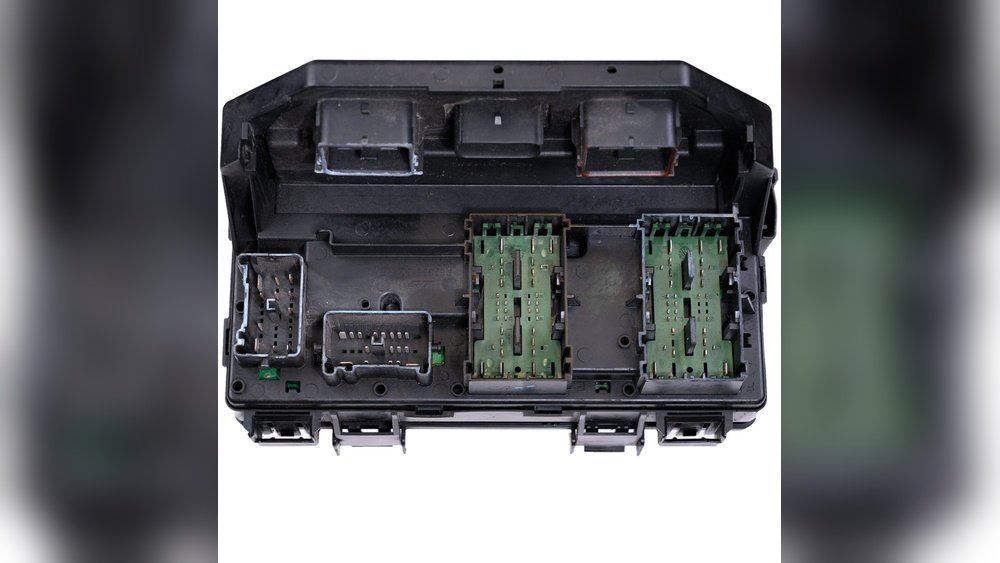
Here’s something most owners don’t realize, though. On a JK, a “bad TIPM” is very often actually a water problem.
Water gets in through the cowl, the door seals, or the hardtop panels and drips straight onto the module and the wiring under the passenger seat, and the resulting corrosion causes nearly identical symptoms to a dying TIPM.
So before you spend $600 to $1,500 on a replacement, pull back the carpet and check for dampness or corroded connectors. Drying things out and cleaning the connections is a lot cheaper.
A couple of other electrical quirks worth knowing: oxygen sensors tend to go bad across most model years too, usually showing up as rough running or worse gas mileage. Throttle position sensors are common enough to get their own section below.
JK owners also report batteries draining overnight for no obvious reason, and more often than not, it traces back to an aftermarket accessory that’s still pulling power even with the Jeep off.
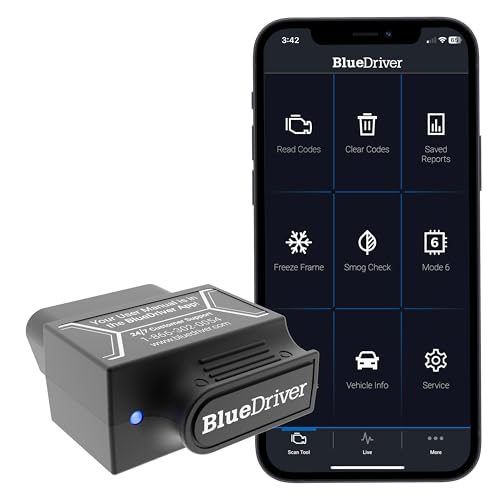
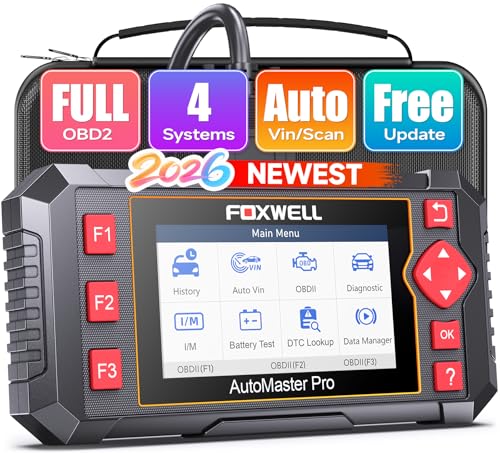
If you’re chasing down an electrical gremlin, a code reader that can pull FCA-specific modules, not just basic engine codes, saves a lot of guesswork. A BlueDriver Bluetooth Pro OBD2 Scanner or a FOXWELL NT604 Elite both handle this well. Once you’ve got a code, run it through our [DTC lookup tool] before you pay a dealer just to tell you what it means.
2. Throttle Position Sensor Failure
The throttle position sensor tells the engine computer how far the throttle is open, and it’s failed across nearly every Wrangler generation, from the old YJ and TJ 4.0L engines right up through reports on 2019-and-newer JLs. Unlike the TIPM, this one isn’t tied to a specific era.
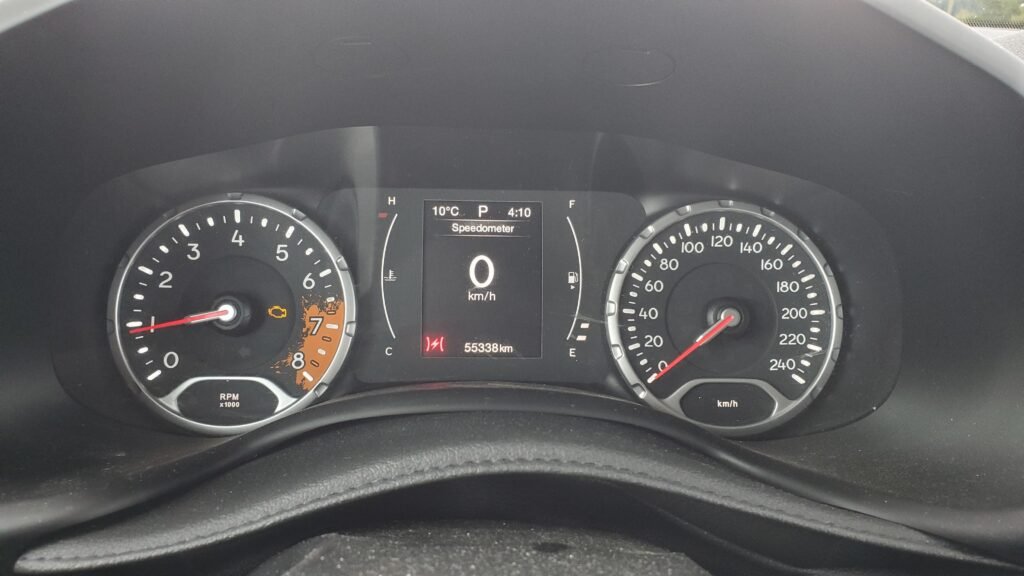
Symptoms usually build gradually: a high or hunting idle that won’t settle down, hesitation or a flat spot in acceleration somewhere between 2,000 and 4,000 RPM, sluggish throttle response, or worse gas mileage.
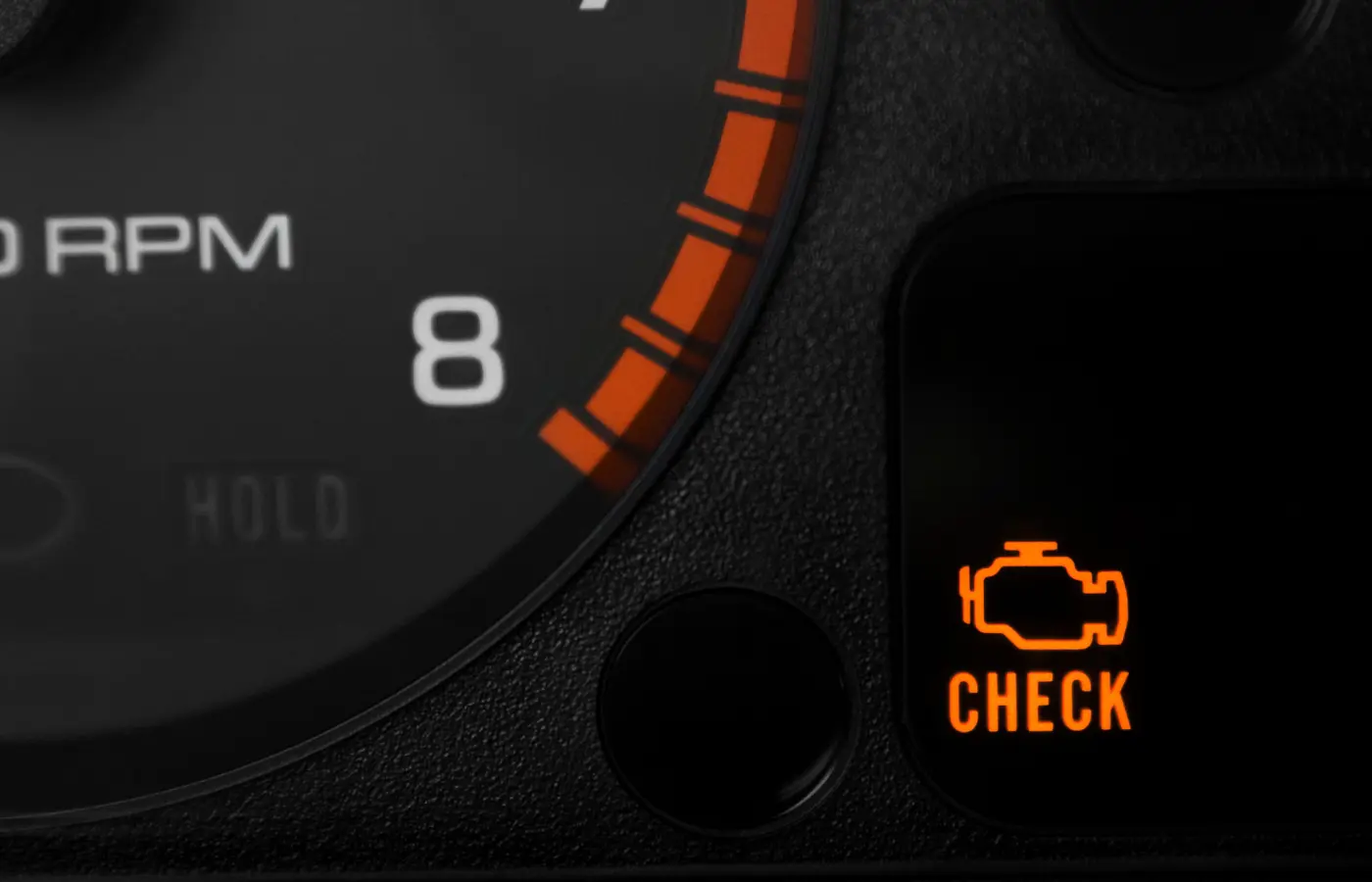
Eventually you’ll get a check engine light for code P0123, meaning the sensor’s voltage signal has climbed above where the computer expects it to be. On some 2018-and-newer JLs, owners have also reported a “Service Throttle Position Sensor” warning appearing at the same moment the coolant temperature reading drops to zero and the radiator fan kicks on, which points to a shared wiring or module fault rather than the sensor itself. Worth having a shop check for that pattern before you just swap the part.
The sensor itself is a sealed, non-serviceable unit, so once it’s bad, replacement is the only fix. It’s a quick job on most engines, generally well under $150 in parts and labor if it turns out to actually be the sensor and not a connector or wiring issue.
One thing worth knowing if you own an early-2000s TJ: genuine Mopar TPS units for those years have gotten hard to find, and owners report mixed results with aftermarket replacements, so it’s worth reading recent reviews carefully before buying one.
If your Jeep is idling rough or hesitating on acceleration, pull the code with an OBD2 scanner before you start replacing parts. Run whatever comes up through our [DTC lookup tool] to confirm it’s actually P0123 and not something else with overlapping symptoms.
3. Death Wobble
Death wobble might be the most famous complaint in the whole Jeep world, and it isn’t tied to one generation. Owners have reported it on everything from the old YJ through the current JL, plus the Gladiator.
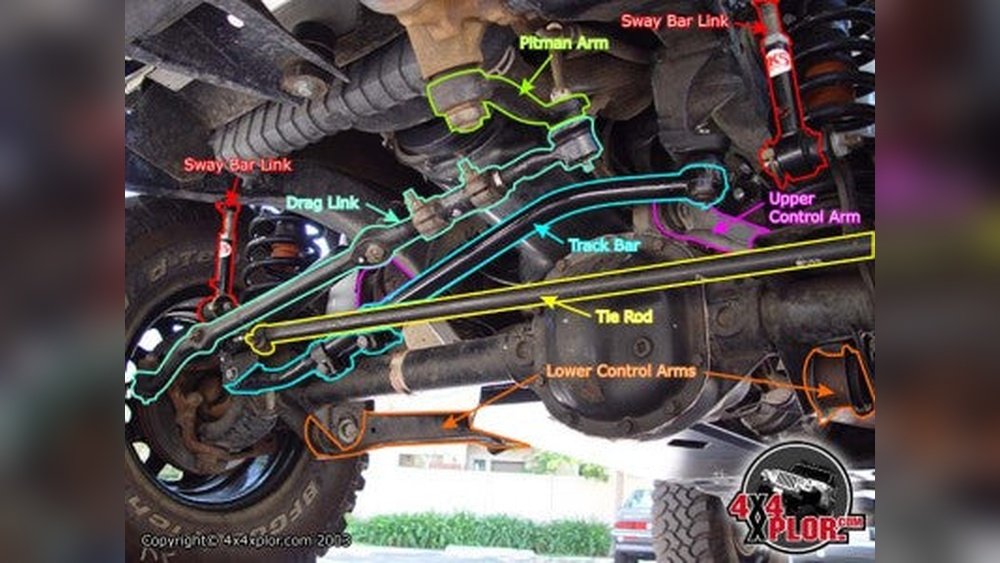
It’s a violent shake in the steering wheel, usually kicked off by hitting a bump or pothole at highway speed, caused by something loose or worn in the front suspension and steering.
You’d think this would only happen to old, high-mileage Jeeps with sketchy lift kits, but that’s not really true.
NHTSA opened an investigation into 2018-and-newer JL Wranglers after getting complaints from owners of completely stock vehicles, and FCA ended up settling with owners of certain 2018 to 2020 Wranglers and Gladiators over the issue.
Lift kits and oversized tires do make death wobble more likely, but plenty of factory-stock Jeeps have had it too.
| Part | Warning Sign | Repair Cost |
|---|---|---|
| Track Bar | Steering feels loose | $100, $300 |
| Tie Rods | Clunking noise | $150, $400 |
| Ball Joints | Vibration under load | $200, $500 |
| Steering Stabilizer | Wobble returns after other fixes | $80, $200 |
| Full Suspension Overhaul | Persistent wobble, multiple worn parts | $2,000, $3,500 |
If your Jeep starts death wobbling, don’t just live with it. Get the front end looked at by someone who actually knows Jeeps.
And if a shop tries to sell you a steering stabilizer as “the fix,” know that it only dampens the shake. It doesn’t fix whatever’s actually worn out underneath.
4. Oil Leaks
Oil leaks are one of the most common complaints on older Wranglers. The usual suspects are the valve cover gasket, the rear main seal, and the oil pan gasket, all made of rubber that hardens and cracks with age.
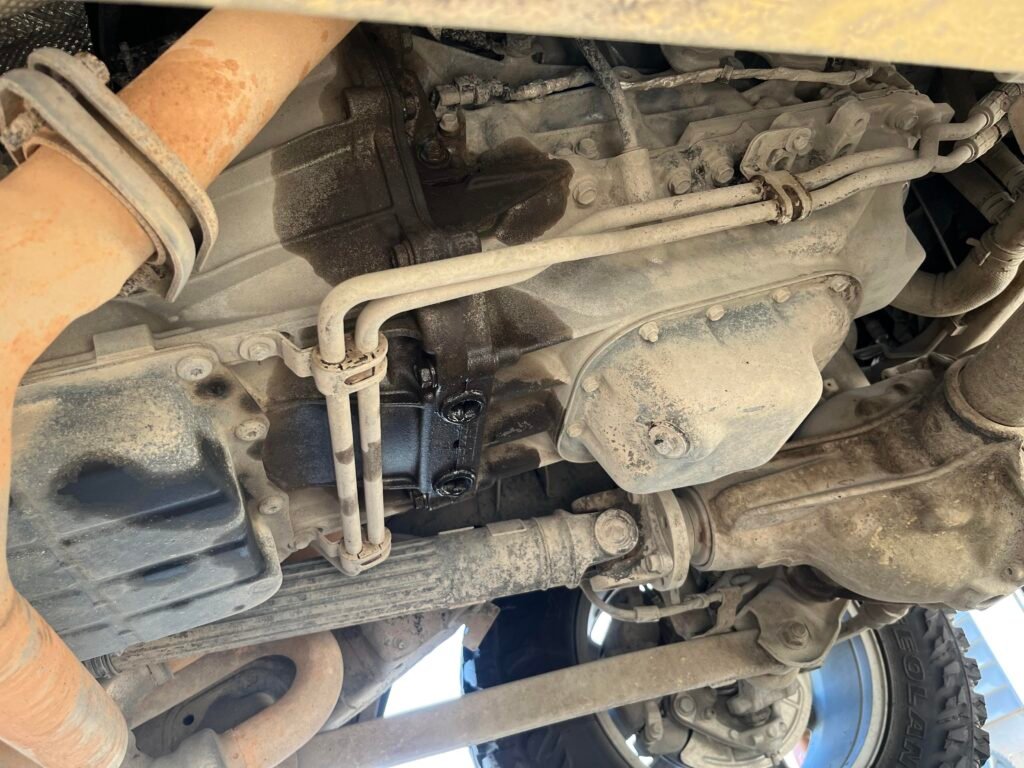
You’ll usually notice it before a mechanic has to tell you: oil spots where you park, a faint burning smell after a drive, or the dipstick reading lower than it should.
Wrangler engines can take a beating off-road, but those rubber gaskets wear out faster if you’re regularly driving through mud or water.
5. Transmission Troubles
Manual and automatic Wranglers each come with their own headaches.
If you’ve got a manual, listen for grinding noises or notice if it’s getting harder to find a gear. That’s usually a worn clutch or bad synchronizers.
Automatic transmissions, especially the older 42RLE and 545RFE units in early JK models, are known for shifting rough or hesitating before engaging, often down to a fluid leak or a failing solenoid.
| Transmission Type | Common Problem | Typical Mileage |
|---|---|---|
| Manual | Clutch wear | 60,000 to 100,000 miles |
| Automatic | Rough shifts | 70,000 to 120,000 miles |
One thing worth flagging here: there’s a separate, more serious recall for manual-transmission Wranglers from 2018 to 2023 involving the clutch pressure plate. That’s covered further down in the recent recalls section, since it’s a fire risk, not just normal wear.
6. Transfer Case Problems
The transfer case is easy to forget about, but it’s not part of the transmission. It’s the piece that switches you between 2WD, 4WD High, and 4WD Low.
Low or dirty transfer case fluid is the most common cause of grinding or trouble shifting between modes, and because nobody thinks to change it as often as engine oil, it tends to get neglected.
If you wheel your Jeep regularly, especially through water, check the Mopar ATF+4 Transfer Case Fluid once a year.
Letting it go too long isn’t a small mistake. Contaminated fluid eats through the internal gears much faster than clean fluid does, and a full rebuild isn’t cheap.
7. Water Leaks And Poor Seals
Wranglers are built for the outdoors, but that doesn’t mean waterproof. A lot of owners deal with leaks around the roof, doors, and windows, especially after a hard rain or a trip through the car wash.
The usual culprits are Freedom Top panels that weren’t seated quite right, door seals that have worn thin or gotten pinched, and on some models, a windshield frame that’s started to rust and opened up a new path for water to get in.
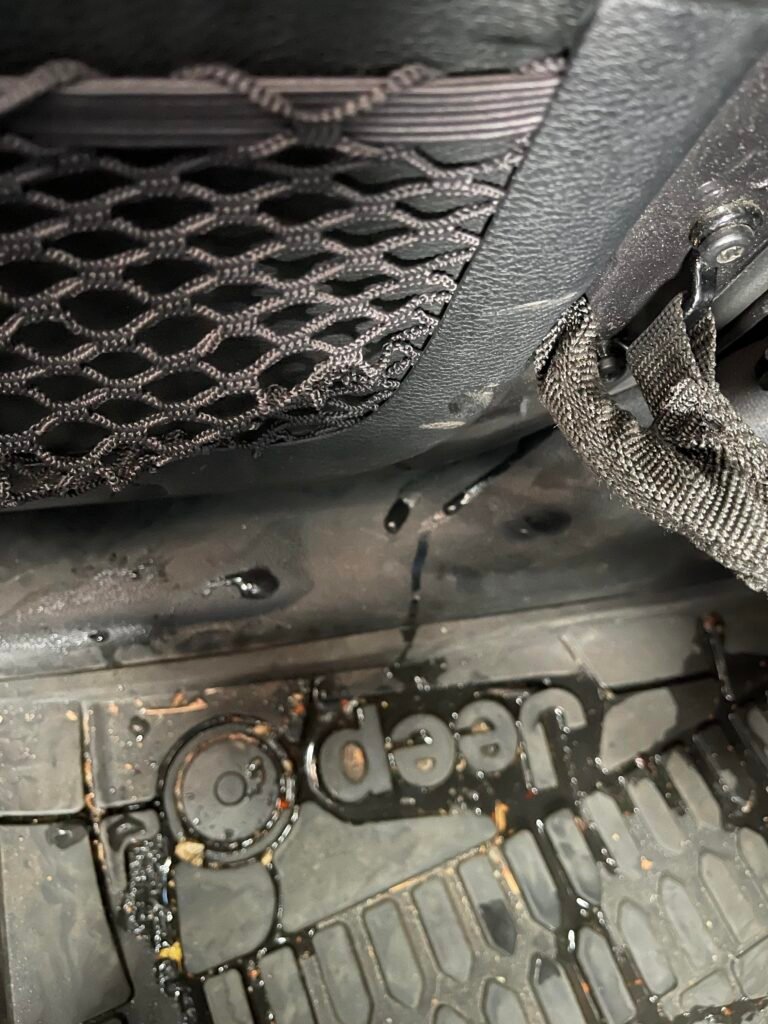
If you notice damp carpet or foggy windows, check your seals and make sure the drainage holes aren’t clogged. This matters even more on JK models, since, as mentioned above, water intrusion is what actually kills a lot of TIPMs.
8. Rust And Corrosion
Rust is a real concern on Wranglers, especially if you live somewhere the roads get salted in winter. The frame, the undercarriage, and the door hinges take the worst of it.
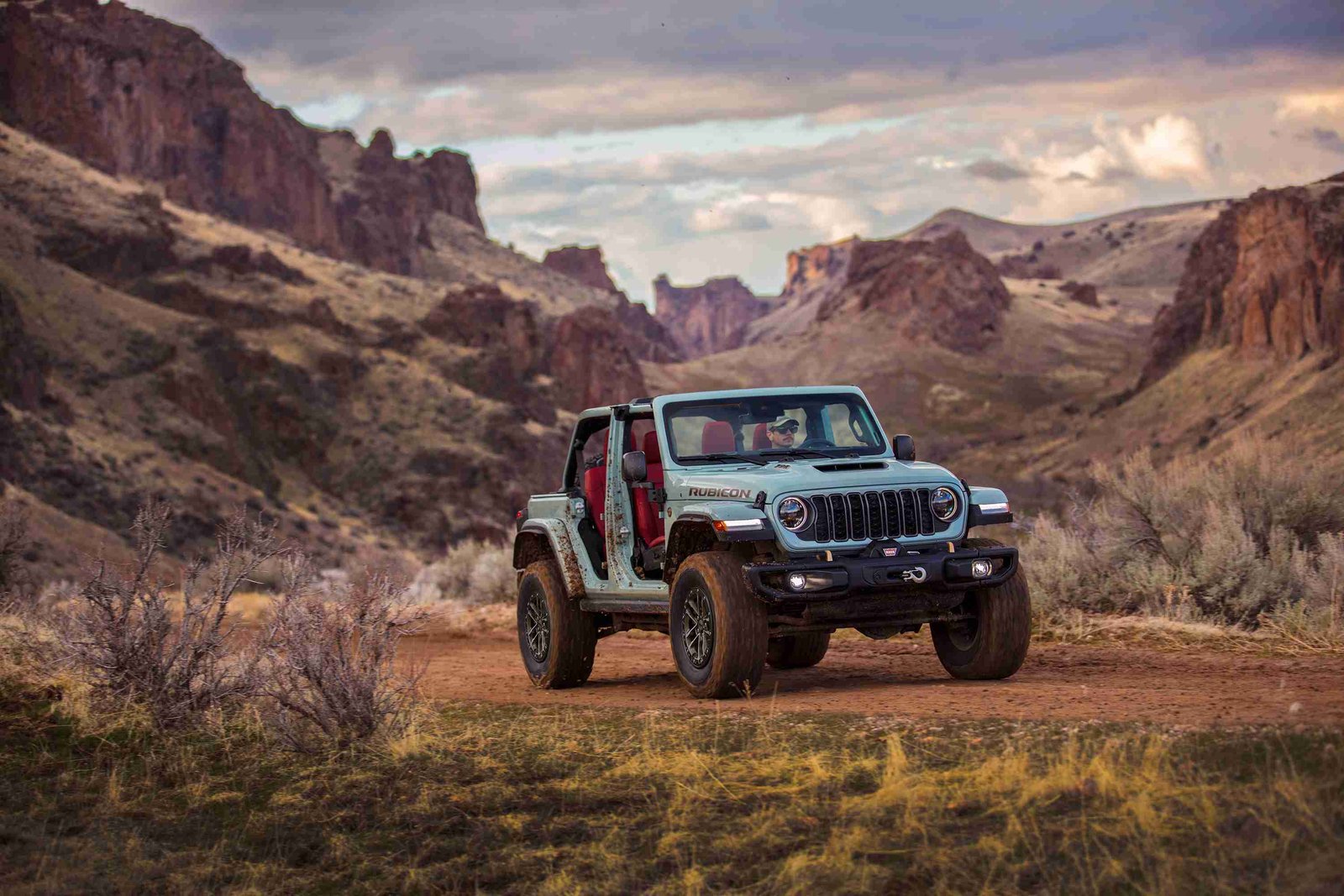
A few habits go a long way: rinse the underbody after driving through snow or mud, check for rust every time you change your oil, and treat small spots with a VHT Rust Convertor Spray as soon as you see them instead of waiting.
A lot of owners assume their Wrangler is somehow immune to rust because it’s built tough. It isn’t, and regular inspection is what actually keeps one around longer.
9. Suspension And Ride Comfort
Wranglers are built for trails, not smooth pavement, and you feel that the moment you drive one. The solid front and rear axles are great off-road, but they make for a bouncier ride on the highway, and squeaks, rattles, and clunks tend to show up as the suspension ages.
Lift kits and upgraded shocks are popular, but they can add stress elsewhere in the suspension, and as covered above, a poorly matched lift kit is one of the biggest contributors to death wobble.
If ride comfort matters to you, test drive one before you buy. Wranglers just feel different from a typical SUV, and that’s not something you can learn from a spec sheet.
10. Electronic Sway Bar Disconnect Failures
If you’ve got a Rubicon from 2007 through 2020, JK or early JL, you’ve got the electronic sway bar disconnect. It lets you find the sway bar on the trail for better wheel travel, and it’s a genuinely useful feature right up until the solenoid, gears, or wiring inside it fail.
When that happens, you’ll typically get a warning light or a “swaybar disconnect not available” message, and sometimes the bar gets stuck disconnected even once you’re back on the highway, which makes the Jeep feel loose at speed.
A lot of owners who’ve torn theirs apart found plain old corrosion and dried-out grease inside the motor housing rather than a truly dead unit, especially on Jeeps that see regular water crossings.
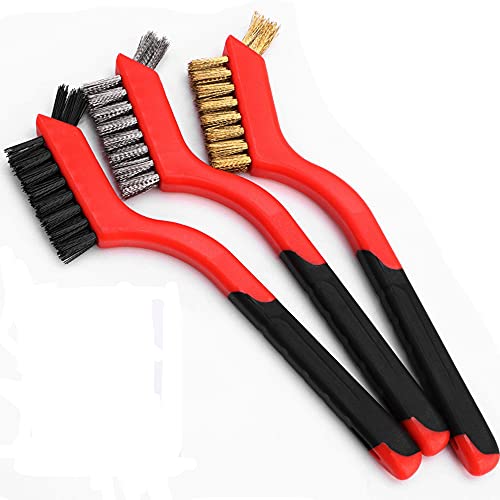
Cleaning out the corrosion and re-greasing the mechanism fixes a good chunk of these for the cost of a wire brush and some dielectric grease. If the circuit board itself has failed, though, you’re looking at around $750 just for the board, or close to $1,500 for the whole module before labor.
There’s no OEM gasket kit for preventive maintenance either, which is part of why this keeps showing up as a known weak spot on Rubicons.

11. Ignition Switch And Clutch Interlock Recalls
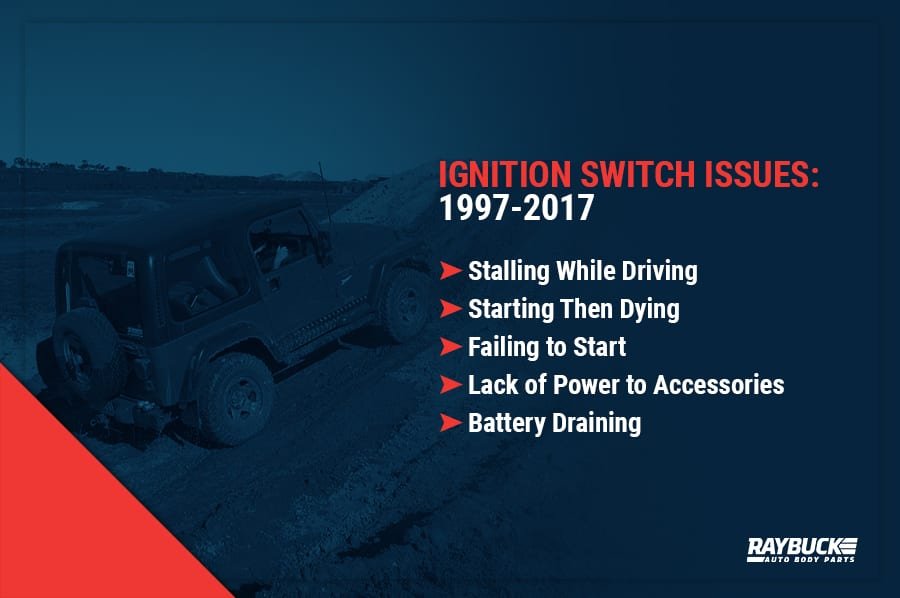
Ignition switch trouble on the Wrangler actually goes back further than most people expect. NHTSA campaign 02V075000 covered 2001 to 2002 Wranglers, where water and dirt could get into the switch and cause a short. Chrysler’s fix was simply replacing it.
Years later, a different problem showed up on 2006 to 2018 Chrysler, Dodge, and Jeep vehicles: a heavy keychain or a rough road could jar the ignition switch out of the “Run” position, which shuts off the engine and disables power steering and the airbags mid-drive.
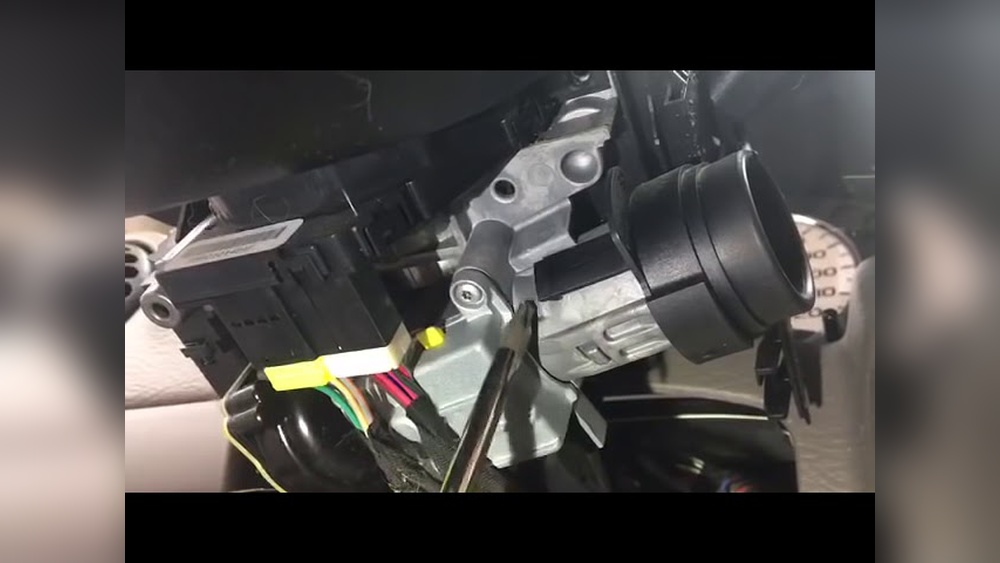
And on the 2006 Wrangler specifically, there’s a separate recall, NHTSA campaign 15V222, for a clutch interlock switch whose internal spring could break, either stopping the engine from starting with the clutch pressed or letting it start without the clutch pressed at all.
If your key sticks, your Jeep occasionally won’t start, or the dash flickers when you turn the ignition, check your VIN on NHTSA’s site before paying for a new switch. There’s a decent chance you’re already covered.
12. Tail Light Water Intrusion And Corrosion
This one plays out differently depending on which generation you own.
On JK models and older, the tail light housing grounds through the bolts that mount it to the body. Rust builds up between the housing and the tub, which adds resistance at that ground point and causes flickering or dead lights.
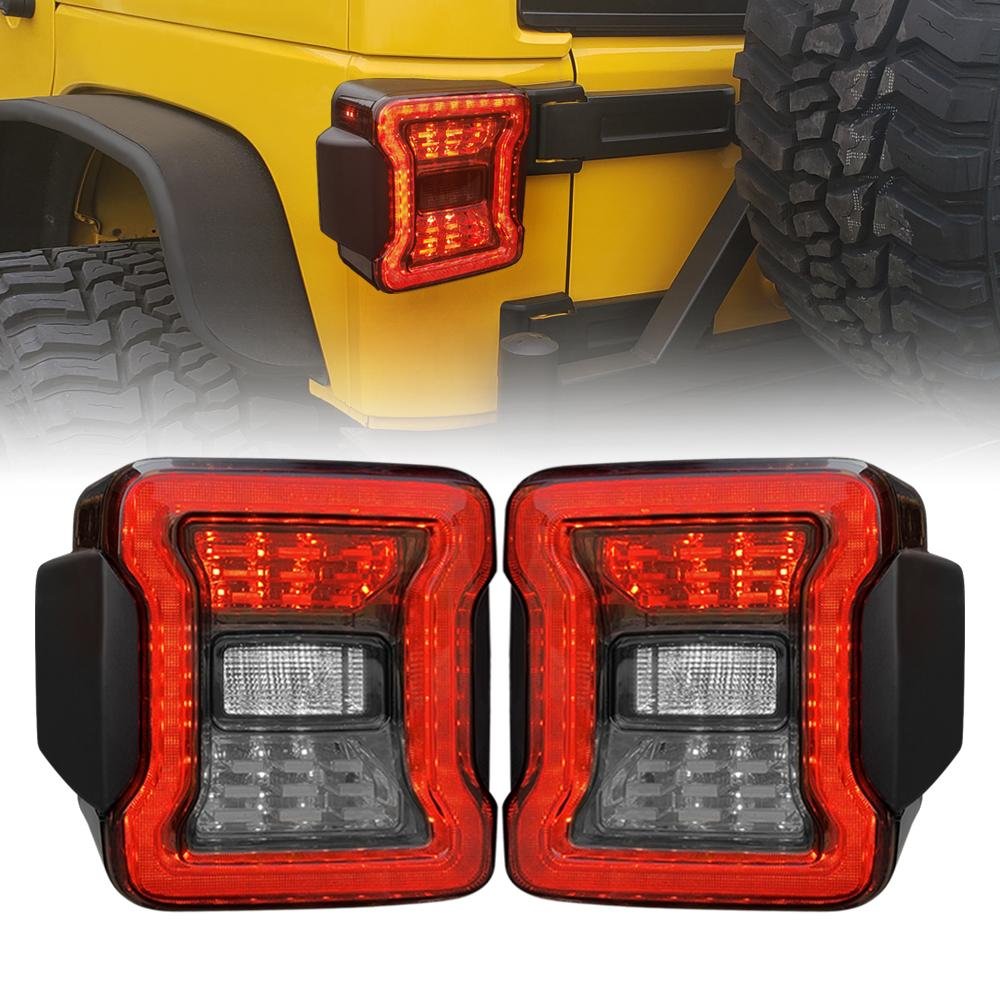
Clean the mounting surfaces down to bare metal with a wire brush and a shot of CRC QD Electronic Contact Cleaner, and you’ve usually solved it.
JL models, 2018 and up, are more of a headache. The LED tail light housings are heat-welded and glued shut at the factory, with the circuit board sealed inside.
Once that weld seam fails, water gets in with nowhere to go, and it slowly corrodes the board, killing the running light, brake light, or turn signal, sometimes one at a time.
Because the housing isn’t meant to be opened, some owners have had luck drying it out with a heat gun and resealing the seam, but that tends to be a temporary fix rather than a real one.
A full OEM housing replacement runs anywhere from about $450 to well over $1,000 a side, depending on trim and whether you’ve got blind spot monitoring.
So if a taillight starts flickering or goes out, don’t assume it’s just a bulb. Pop the housing off and check for condensation before you spend $30 on a bulb that isn’t the problem.
13. Clogged Fuel Injectors
Fuel injectors tend to build up deposits over time, especially if your Jeep sits parked for long stretches between drives. You’ll notice a rough idle, hesitation when you accelerate, or a check engine light for a lean or misfire code. Ethanol-blended gas speeds this up.
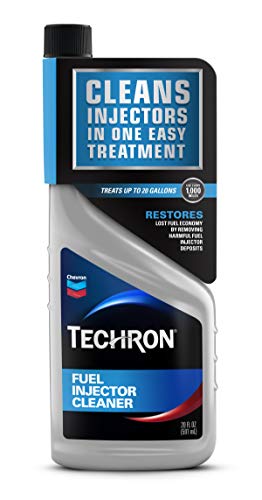
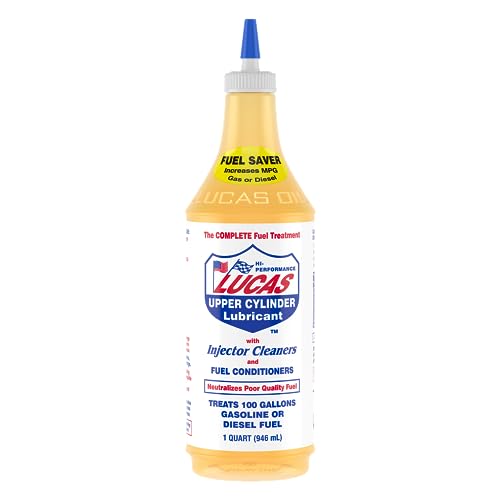
For mild cases, running a good fuel injector cleaner through a tank or two usually does the trick. Chevron Techron Fuel Injector Cleaner and Lucas Fuel Treatment are the two brands mechanics recommend most.
If the injectors are badly fouled, you’re looking at professional cleaning or replacement, somewhere between $300 and $600 depending on how many need attention. Before you assume it’s the injectors, pull the actual code with an OBD2 scanner and check it against our [DTC lookup tool]. No point replacing injectors if the real issue is something else entirely.
14. Fuel Tank Overflow When Filling
This is one of the oldest, most talked-about Wrangler quirks, and it actually has a documented fix. On 2007 to 2009 JK models, NHTSA opened an investigation after finding that most of the fuel-system complaints on those years were about gas spilling or splashing back out during fill-up.
Jeep’s response was Technical Service Bulletin 14-001-13, paired with an extended warranty program, internally called X47, that replaced the fuel fill tube with a version that actually had a working check valve. By most accounts, the issue was largely fixed starting with the 2010 model year.
The root cause is a valve inside the tank or filler neck that can’t vent air fast enough while you’re pumping gas, so it backs up and splashes out instead of filling normally.
If you’ve got one of the affected years and this is still happening, it’s worth calling a dealer to see if the warranty extension is still honored on your VIN before you buy a replacement fill tube yourself.
If you do end up buying the part, Mopar part number CNNNX321AC, it only runs about $40 to $50.
Airbag And Safety Recalls
Jeep Wranglers have been through a few major recalls over the years, and it’s worth knowing the actual scope instead of the vague “millions of vehicles” line you see everywhere.
The Takata airbag recall covered 2010 to 2016 Wranglers and was part of the largest automotive recall in U.S. history.
If your airbags haven’t been replaced yet, NHTSA has issued “do not drive” advisories for unrepaired vehicles, since the risk of the inflator rupturing goes up the longer it sits unfixed. The repair is free at any Jeep dealer.
There’s also a separate clockspring recall, NHTSA campaign 13V176000, for certain 2008 to 2012 right-hand-drive Wranglers, the kind used for postal routes and similar fleet work, where a broken circuit in the clockspring could stop the driver airbag from deploying at all.
And 2016 to 2017 Wranglers built between June 2015 and August 2016 were recalled under campaign 16V734000 for front impact sensor wiring that could detach and prevent both the frontal airbags and the seatbelt pretensioners from firing in a crash.
Before you buy a used Wrangler, or if you already own one, run the VIN through NHTSA’s site. Don’t assume it’s clear just because you’ve never heard about a recall.
Recent Recalls Worth Knowing About (2023 to 2026)
A few newer recalls haven’t made it into most “common problems” articles yet, so they’re worth flagging here:
- Clutch pressure plate fire risk (NHTSA 23V116): affects 2018 to 2023, manual-transmission Wranglers. If the pressure plate overheats and fractures, it can throw hot debris and create a fire risk. Watch for a burning smell, a slipping clutch, or a warning light on the dash.
- Power steering wiring fire risk (NHTSA 26V363000): announced in June 2026, covering roughly a million 2021 to 2025 Wranglers and Gladiators with electric hydraulic power steering. Jeep is telling owners to park outside until the fix is done.
- High-voltage battery failure (NHTSA 25V741): affects 2020 to 2025 Wrangler 4xe models, where the hybrid battery can fail internally and create a fire risk.
If your Jeep falls into any of these ranges, don’t assume the Takata recall from years ago has you covered. These are separate, much more recent campaigns, and it’s worth checking your VIN directly.
Cost Of Ownership
Wranglers tend to cost more to own than a typical SUV, mostly because of higher maintenance and repair bills.
| Category | Average Annual Cost |
|---|---|
| Maintenance & Repairs | $650, $1,200 |
| Insurance | $1,000, $1,500 |
| Fuel | $1,500, $2,000 |
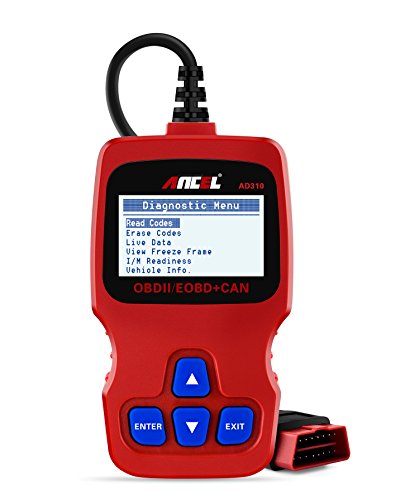
Budget for these numbers upfront, especially if your Wrangler is going to be a daily driver and not just a weekend toy. One small thing that pays for itself fast is a basic OBD2 scanner; the ANCEL AD310 is a reliable, no-frills option under $40. Catching a misfire code or a TIPM-related fault early, before it turns into a stall on the highway or a tow bill, is worth way more than the scanner costs.
Wranglers really are fun to own, and most of this stuff is manageable once you know what to look for. Knowing which problems actually apply to your model year, instead of worrying about all eighteen of these at once, makes ownership a lot less stressful.
Whenever you’re unsure, the official NHTSA site is the fastest way to check where you stand.
Why Is My Jeep Wrangler Idling Rough or Hesitating When I Accelerate?
This is usually the throttle position sensor, especially if you’re also seeing a check engine light for code P0123. It’s failed on everything from old YJs to newer JLs, so it’s not tied to one generation.
It’s a sealed unit, so once it’s bad, replacement is the fix, and it’s not an expensive job.
Why Do Jeep Wranglers Get the Death Wobble?
Usually it comes down to worn parts in the front end: the track bar, tie rods, or ball joints losing their tightness over time.
Oversized or unbalanced tires make it worse, and while it’s more common on lifted Jeeps, even stock 2018-and-newer JLs have reported it.
Replacing the worn parts is what actually fixes it, not just adding a steering stabilizer.
Are Jeep Wranglers Expensive to Maintain?
Compared to most SUVs, yes. Between the suspension, the drivetrain, and the electrical system, there’s more to keep an eye on.
Plan on somewhere around $650 to $1,200 a year, and lean toward the higher end if you’re driving a JK with TIPM or water leak issues.
Do All Wranglers Leak Water?
Not every single one, but it’s common enough to be worth checking, especially on JK models around the roof panels and door seals.
Keeping those seals in good shape does double duty: it stops the leak, and it protects the TIPM from the water damage that tends to cause bigger electrical problems.
Is Rust a Big Problem for Wranglers?
It can be, particularly if you’re in a snowy or coastal area where roads get salted. Rinsing the underbody after bad weather and catching small rust spots early are the two habits that make the biggest difference long-term.
How Can I Check for Recalls on My Wrangler?
Head to NHTSA’s website and enter your VIN. It’ll show you anything open, including the Takata airbag recall for 2010 to 2016 models, the 2026 power steering wiring recall for 2021 to 2025 models, and the others covered above.
All of it’s free to fix, so there’s no reason to put it off.
Why Does My Jeep Wrangler’s Sway Bar Disconnect Light Stay On?
Nine times out of ten, it’s corrosion or dried-out grease inside the disconnect motor on a 2007 to 2020 Rubicon, sometimes a failed solenoid.
Cleaning and re-greasing it fixes most cases. If the light stays on after that, you’re probably looking at a failed circuit board or module.
Why Are My Jeep Wrangler’s Taillights Flickering?
Depends on your generation. JK models usually just need the ground bolts cleaned of rust.
JL models with LED housings, 2018 and up, are trickier: water typically gets in through a failed seal and corrodes the sealed circuit board inside, which often means replacing the whole housing rather than a quick fix.
Why Does Gas Overflow When I Fill Up My Jeep Wrangler?
This is a known issue on 2007 to 2009 JK models, caused by a faulty check valve in the fuel fill tube. Jeep covered it under TSB 14-001-13 and an extended warranty program known as X47.
If you’ve got one of those years and it’s still happening, check whether the warranty extension is still valid on your VIN before buying a replacement part yourself.
Conclusion
No Wrangler makes it to 200,000 miles without a few hiccups, and that’s true of any vehicle built for the kind of abuse a Wrangler takes off-road.
What matters more than memorizing this whole list is knowing which of these actually apply to your generation, and running your VIN through NHTSA’s recall database every so often, since a few of the newer recalls here are easy to miss.
Common issues with Jeep Wranglers aren’t a reason to steer clear of one; they’re just the cost of admission for a vehicle that can actually do what it’s built to do.
Last update on 2026-09-06 / Affiliate links / Images from Amazon Product Advertising API