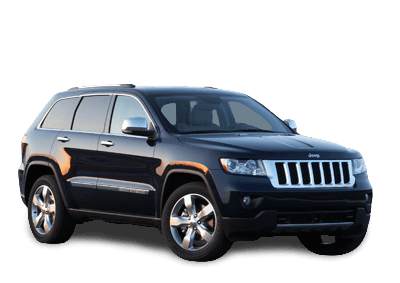
Owning a Jeep Grand Cherokee is a dream for many SUV lovers. This vehicle promises comfort, power, and a bold style.
But like most cars, the Grand Cherokee has some common issues that owners need to watch for. Knowing these problems can help you avoid bigger headaches, save money, and keep your SUV running smoothly.
If you’re thinking about buying a Grand Cherokee or already have one, this article covers the most frequent concerns and shares practical advice.
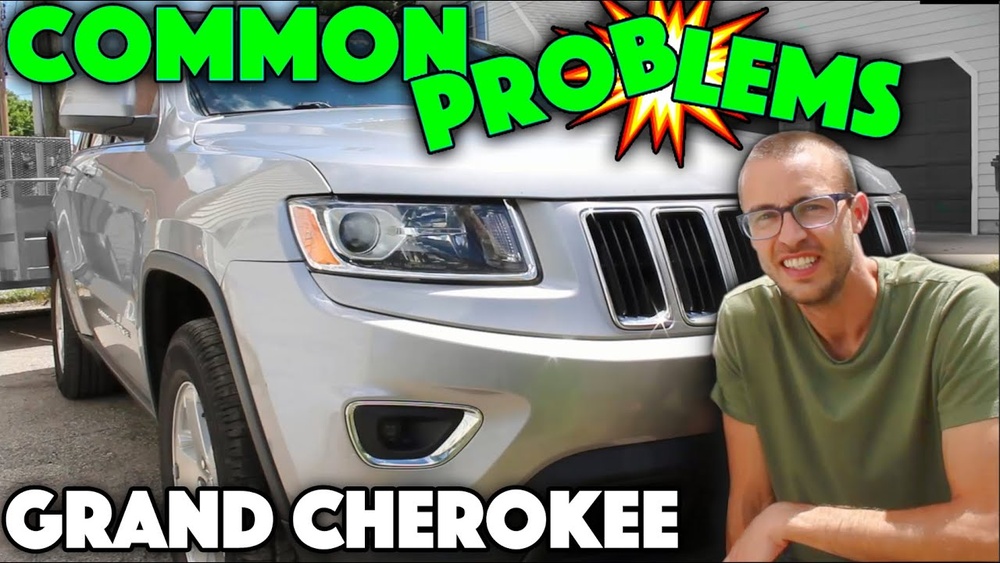
Engine And Transmission Problems
Many Jeep Grand Cherokee models face engine issues. Some owners report rough idling, stalling, or sudden power loss. These problems are more common in earlier models (2005–2010), but newer versions can also experience them.
Transmission concerns are also common. Some Grand Cherokees have shifting delays, hard shifts, or jerky movements, especially in 2011–2014 models. The ZF 8-speed automatic transmission in recent years is smoother, but it can still develop problems. One non-obvious tip: transmission software updates often solve shifting issues, but many owners don’t realize these updates are free at dealerships.
| Model Year | Common Engine Issue | Transmission Complaint |
|---|---|---|
| 2008 | Stalling | Rough shifts |
| 2012 | Power loss | Delayed shifting |
| 2016 | Ticking noise | None/Minor |
Electrical System Glitches
The electrical system is a frequent trouble spot. Many drivers report problems with the TIPM (Totally Integrated Power Module), which controls everything from windows to fuel pumps. A faulty TIPM can cause random power loss, headlights flickering, or even make the vehicle impossible to start.
Another issue is the uConnect infotainment system. It can freeze, restart itself, or fail to pair with phones. While these glitches are annoying, they rarely affect safety. Still, software updates or replacing the main unit can fix most problems.
Non-obvious insight: Electrical problems sometimes show up after battery replacement. If your Jeep starts acting strangely after a new battery, check if the system needs to be reset.
Suspension And Steering Issues
Many Grand Cherokee owners complain about suspension noise. You may hear clunks or rattles from the front end, especially on rough roads. Worn control arms and ball joints are often the cause. If ignored, these can lead to uneven tire wear or poor handling.
Steering issues are less common, but some models suffer from power steering leaks or loose steering feel. It’s important to fix these early to avoid costly repairs.
| Suspension Component | Typical Problem | Estimated Repair Cost |
|---|---|---|
| Control arm | Noise, looseness | $300–$600 |
| Ball joint | Clunking | $200–$400 |
| Shock absorber | Rough ride | $150–$300 |
Fuel Economy Concerns
The Grand Cherokee is powerful, but its fuel economy is often disappointing. Older V6 and V8 models average 15–18 mpg in the city, while newer models reach 18–21 mpg. High fuel use is partly due to weight and engine size. Some owners also notice a drop in mileage after repairs or with heavier wheels.
To improve fuel efficiency:
- Keep tires properly inflated.
- Avoid aggressive driving.
- Use recommended oil and filters.
A practical tip: Many drivers forget that roof racks and heavy cargo significantly reduce mpg. Removing unused racks can save up to 2 mpg.
| Engine Type | City MPG | Highway MPG |
|---|---|---|
| V6 | 18 | 25 |
| V8 | 15 | 22 |
| Diesel | 21 | 28 |
Interior Wear And Tear
The Grand Cherokee’s interior quality is decent, but it’s not immune to wear. Common complaints include:
- Peeling dashboard material
- Fading seat leather
- Broken seat switches
Sun exposure speeds up dashboard peeling. Using sunshades and regular cleaning can prevent damage.
Seat wear is more noticeable in lighter colors.
Water Leaks And Sunroof Problems
Many owners report water leaks from the sunroof or door seals, especially after heavy rain. Water often drips onto the headliner or seats. The sunroof drains can clog with dirt, leading to leaks. Cleaning the drains twice a year is a simple fix that most owners miss.
Another tip: After a leak, dry the affected area quickly to avoid mold. Mold can cause bad smells and health issues.
Safety Recalls
Jeep Grand Cherokees have had several safety recalls. The most famous was the gear shift recall in 2016, which caused confusion and rollaway accidents. Other recalls address airbags, brakes, and wiring. Always check your VIN for open recalls—repairs are free at dealerships.
You can find current recall information from the manufacturer or at NHTSA.
Frequently Asked Questions
What Is The Most Common Issue With Jeep Grand Cherokee?
The electrical system, especially TIPM failures, is one of the most frequent problems. It can cause random power loss, window issues, and starting trouble.
Are Jeep Grand Cherokees Expensive To Maintain?
Maintenance costs are higher than average SUVs. Repairs like suspension parts and transmission fixes can cost $300–$1000, depending on the issue.
How Can I Improve Fuel Economy In My Grand Cherokee?
Keep tires inflated, drive gently, and remove unused roof racks. Also, use the right oil and avoid carrying heavy cargo unless needed.
What Years Of Grand Cherokee Have The Most Problems?
Models from 2011–2014 are known for electrical and transmission issues. Older models (2005–2010) often have engine troubles.
Is It Safe To Buy A Used Jeep Grand Cherokee?
Yes, but check for recalls, get a full service history, and inspect for leaks and electrical faults before buying.
Owning a Jeep Grand Cherokee is rewarding, but knowing these common issues helps you enjoy the ride with fewer surprises. Regular maintenance, checking for recalls, and staying alert to early warning signs will keep your SUV reliable for years.
With smart care, the Grand Cherokee can be a trustworthy companion for adventure and daily life.