If you’ve just seen the code P0456 pop up on your Jeep’s dashboard, you’re probably wondering what it means and how serious it is. This code signals a small leak in your vehicle’s EVAP system, which controls fuel vapor emissions.
While it might sound complicated, understanding what’s behind P0456 can save you time, money, and stress. You’ll discover the common causes of this code, simple ways to diagnose the problem, and practical steps to fix it.
Keep reading to get your Jeep back on the road smoothly and avoid bigger issues down the line.

P0456 Code Basics
The P0456 code is a common issue in Jeep vehicles. It signals a small leak in the EVAP system.
This system controls fuel vapors and stops them from escaping into the air. Understanding this code helps you spot problems early.
It saves you money and keeps your Jeep running clean.
This section explains the basics of the P0456 code. It covers what the code means, the symptoms of an EVAP leak, and why fixing it matters.
What P0456 Means
The P0456 code means a small leak in the EVAP system. EVAP stands for Evaporative Emission Control System.
This system traps fuel vapors from the gas tank. It stops these vapors from polluting the air.
The code shows that the system found a leak smaller than 0.040 inches. The leak lets vapors escape.
The cause can be a loose gas cap or damaged hoses.
Symptoms Of Evap Leak
You may notice the check engine light on your dashboard. The gas cap might feel loose or damaged.
You could smell gasoline near your Jeep. Sometimes, the engine may run rough or idle poorly.
Fuel efficiency might drop slightly. These signs point to an EVAP leak.
A smoke test can help find the exact leak spot.
Why It Matters
Even a small leak harms the environment. Fuel vapors contribute to air pollution.
The EVAP system keeps your Jeep clean and eco-friendly. A leaking system lowers fuel efficiency.
It can also cause your Jeep to fail emissions tests. Fixing the leak protects the engine and environment.
It helps your Jeep run smoothly and saves money on repairs.
Common Leak Causes
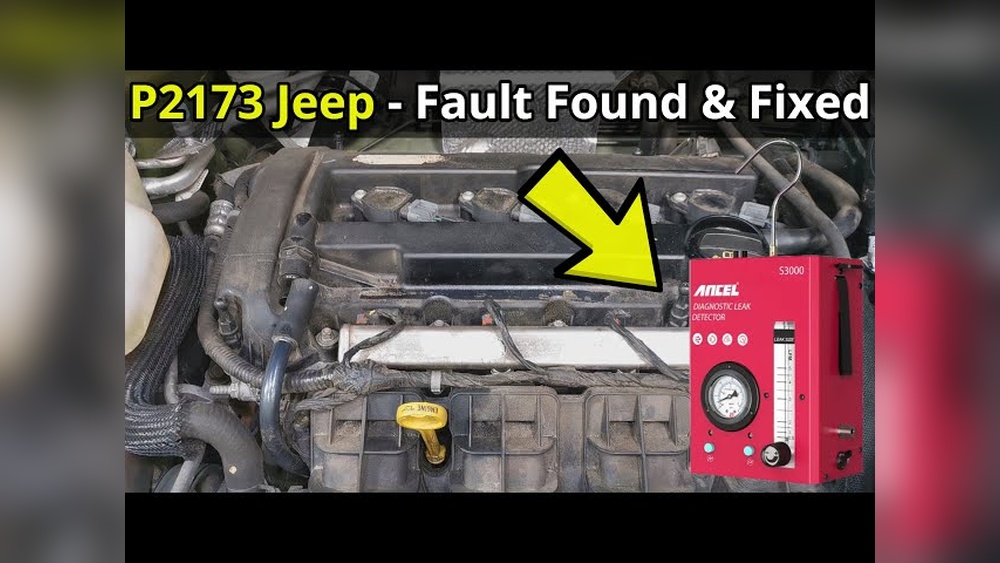
Using smoke testing is a reliable way to find leaks causing Code P0456 in Jeep vehicles. This method helps detect small leaks in the EVAP system.
Smoke testing is popular because it reveals hidden issues that visual checks miss. It uses smoke to trace air escaping from the EVAP system. This makes pinpointing leaks easier and faster.
How Smoke Tests Work
Smoke testing works by introducing non-toxic smoke into the EVAP system. The smoke fills the system under low pressure.
Any leaks will show where the smoke escapes. This visual clue helps locate cracks or loose connections.
Mechanics can then identify the exact spot causing Code P0456. The smoke is safe and dissipates quickly after the test.
Diy Smoke Test Tips
You can do a simple smoke test at home with some basic tools. Use a smoke machine designed for EVAP systems.
Follow safety instructions carefully to avoid inhaling smoke. Start by removing the gas cap and connecting the smoke machine to the EVAP hose.
Turn on the machine and watch for smoke escaping. Check hoses, valves, and the fuel tank area.
Make sure the engine is off during the test. Keep a flashlight handy to see leaks clearly.
When To Seek Professional Help
Some leaks are hard to find without expert equipment. If your DIY smoke test does not find the leak, visit a mechanic.
Professionals use advanced smoke machines and diagnostic tools. They can also test components like the purge valve or gas cap.
Complex leaks may need parts replacement or system repairs. A mechanic ensures the problem is fixed correctly and the code clears.
This prevents future issues with your Jeep’s EVAP system.
Quick Visual Checks
Advanced repairs for Code P0456 in Jeep models require precision and care. This error code signals a small leak in the EVAP (Evaporative Emission Control) system.
Fixing it often involves more than simple checks. It demands a detailed approach to ensure the system works efficiently and passes emission tests.
These repairs target key components that control fuel vapors. Proper handling helps prevent fuel loss and environmental harm.
Understanding the main repair methods can guide Jeep owners and mechanics through the process.
Replacing The Esim Module
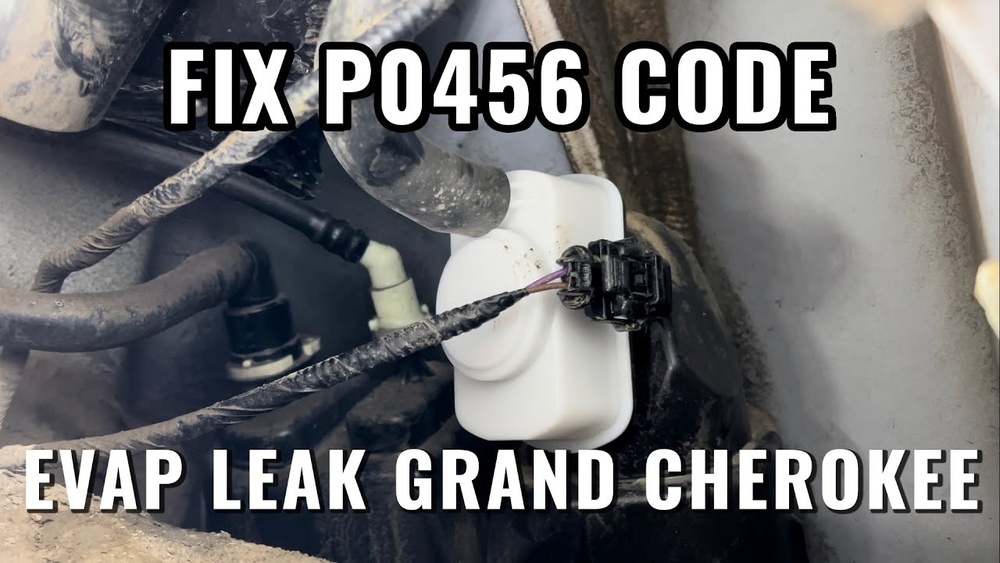
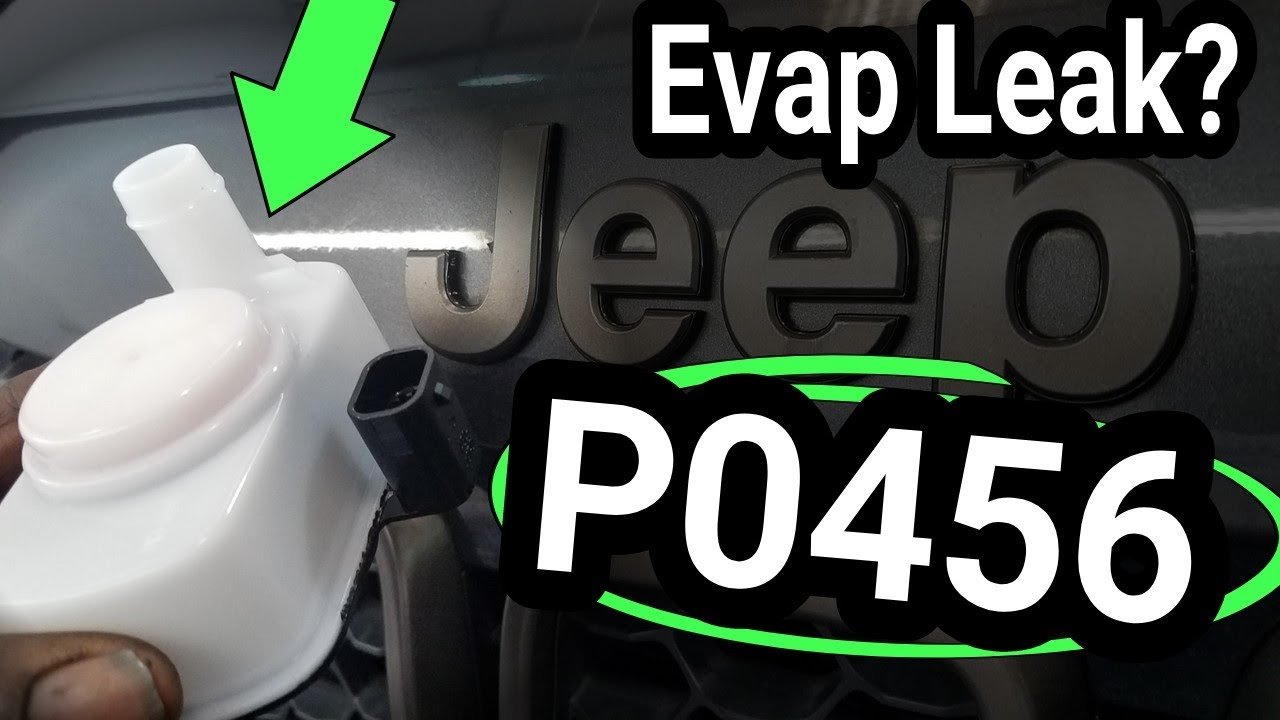
The ESIM (Evaporative System Integrity Monitor) module controls vapor flow in the EVAP system. It sits behind the passenger rear wheel well on many Jeep models.
Replacing this module requires removing panels and connectors carefully.
After removal, install the new ESIM module exactly as the old one was placed. Tighten all connections and check wiring for damage.
This step ensures the system can detect leaks properly and operate as designed.
Fixing Fuel Tank Components
Fuel tank parts often cause small EVAP leaks. Check the fuel tank cap first.
A loose or damaged cap can trigger code P0456. Replace it with the correct part to seal the system tightly.
Inspect hoses and valves around the tank for cracks or wear. Replace any faulty parts to stop vapor leaks.
Proper sealing of these components restores the EVAP system’s integrity and clears the error code.
Using Smoke Testing
Preventing the Code P0456 error in your Jeep starts with simple maintenance habits. These steps help keep the EVAP system working properly.
Small checks today avoid costly repairs tomorrow. Focus on key areas to maintain your Jeep’s fuel system health.
Regular Evap System Checks
Inspect the EVAP system often to find leaks early. Look under the hood and near the fuel tank for cracked or loose hoses.
A smoke test helps detect hard-to-see leaks. Catching issues early stops the error code from appearing.
Gas Cap Care
Keep the gas cap tight and clean. Dirt or a worn seal can cause leaks.
Replace the gas cap if it is cracked or the seal is damaged. A secure cap prevents fuel vapors from escaping and triggering the error code.
Keeping Hoses In Good Condition
Check EVAP hoses regularly for cracks or wear. Rubber hoses dry out and break over time.
Replace any damaged hoses to avoid leaks. Proper hose condition ensures the system remains sealed and runs smoothly.
Simple Fixes To Try
Knowing when to visit a mechanic for a Code P0456 on your Jeep is important. This code means there is a small leak in the EVAP system.
The EVAP system traps fuel vapors and stops them from escaping. A small leak can affect your Jeep’s performance and fuel efficiency.
Ignoring the problem can lead to bigger issues. It is best to act early and get professional help.
Signs You Need Expert Help
Your Jeep’s check engine light may turn on. This is a clear sign that something is wrong.
You might notice a strong fuel smell near the vehicle. This happens when vapors leak from the EVAP system.
Sometimes, your Jeep may fail an emissions test. You could also see a drop in fuel economy.
Strange noises near the fuel tank or gas cap area are warning signs. If any of these happen, visit a mechanic soon.
What To Expect At The Repair Shop
The mechanic will start with a visual inspection. They check the gas cap and EVAP hoses for cracks or damage.
Next, they may perform a smoke test. This test helps find the exact location of the leak.
The mechanic might test the purge valve and other components. After finding the leak, they replace or repair the faulty parts.
Finally, the mechanic clears the error code and tests the Jeep again. This ensures the problem is fixed and your Jeep runs well.
Frequently Asked Questions
How Do I Fix Code P0456 On My Jeep?
Check and tighten or replace your gas cap first. Inspect EVAP hoses and purge valve for leaks or damage.
Perform a smoke test to find leaks. Replace faulty parts as needed.
Clear the code after repairs to confirm the fix.
What Is The Most Common Cause Of P0456?
The most common cause of P0456 is a loose, damaged, or faulty gas cap. It often triggers small EVAP leaks.
Is It Safe To Drive A Jeep With A P0456 Code?
Driving a Jeep with a P0456 code is generally safe but not recommended. It signals a small EVAP system leak.
Fixing it soon prevents fuel vapor loss and potential emissions issues. Ignoring the code may reduce fuel efficiency and cause a failed emissions test.
Is It Expensive To Fix An Evap Leak?
Fixing an EVAP leak usually costs between $50 and $200, depending on the leak's size and location. Small leaks or gas cap replacements are cheaper.
Complex repairs, like replacing valves or canisters, increase costs. Regular checks help prevent expensive damage.
Conclusion
Code P0456 in your Jeep signals a small EVAP system leak. Start by checking the gas cap and hoses for damage or looseness.
Simple fixes often resolve the issue quickly. Ignoring this code can cause fuel vapors to escape and reduce efficiency.
Regular inspections help keep your Jeep running smoothly. Stay proactive to avoid bigger repair costs later.
Addressing this code early keeps your vehicle safe and reliable on the road.