Keeping your Jeep JK running smoothly means paying attention to even the small sensors that make modern vehicles safe and reliable. One often-overlooked part is the wheel speed sensor. This tiny component sits close to the wheels and helps with ABS, traction control, and other systems. When it gets dirty or clogged, you might see warning lights on your dashboard or feel odd behavior when braking. Luckily, cleaning your Jeep JK’s wheel speed sensors is a simple job that can solve many problems and save you from expensive repairs.
What Does The Wheel Speed Sensor Do?
The wheel speed sensor measures how fast each wheel is turning. It sends this information to the vehicle’s computer, which uses it to:
- Control the Anti-lock Braking System (ABS)
- Manage traction control
- Support stability systems
- Monitor tire pressure (in some models)
When a sensor is dirty, it can send false signals or stop working. This may cause ABS or traction control lights to turn on.
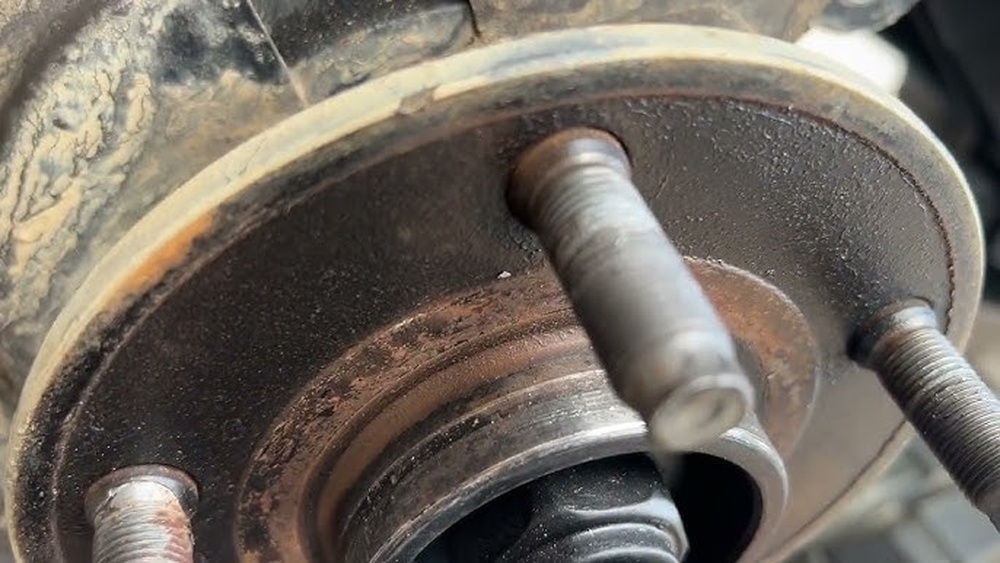
You may also notice your Jeep acting strangely during braking or cornering. Catching this early helps you avoid bigger problems.
Signs Your Jeep Jk Wheel Speed Sensor Needs Cleaning
Most drivers only think about wheel speed sensors when something goes wrong. Watch for these warning signs:
- ABS or traction control light stays on
- Intermittent ABS activation during normal braking
- Unusual noises near the wheels
- Inconsistent speedometer readings
- Loss of traction control during acceleration
These symptoms can sometimes mean a broken sensor, but in many cases, it’s just dirt or debris causing the problem. Mud, dust, and brake dust often build up on Jeep JKs, especially if you take your vehicle off-road.
Why Cleaning The Wheel Speed Sensor Matters
Many Jeep JK owners love driving off the beaten path. Mud, sand, and gravel are fun but can also cause sensor problems. Even if you stay on the road, brake dust and grime collect over time. Cleaning the sensor helps:
- Restore proper ABS and traction control function
- Prevent expensive repairs
- Ensure accurate speed readings
- Keep your Jeep JK safe
A dirty sensor doesn’t always need to be replaced. Cleaning can often bring it back to life, saving you both time and money.
Tools And Materials Needed
You don’t need special skills or expensive equipment. To clean the wheel speed sensor on a Jeep JK, gather:
- Socket set and ratchet
- Jack and jack stands (for safety)
- Wheel chocks
- Gloves
- Safety glasses
- Clean rags or paper towels
- Non-abrasive brush (a soft toothbrush works well)
- Electrical contact cleaner (not WD-40)
- Torque wrench (recommended for reassembly)
Most hardware or auto parts stores carry these items. Always use an electrical contact cleaner because it evaporates quickly and leaves no residue. Avoid products that could damage the sensor or wiring.

Step-by-step Guide To Cleaning The Wheel Speed Sensor On Jeep Jk
Cleaning the sensor is not difficult, but you should follow these steps for best results. Here’s how to do it safely:
1. Preparation
- Park your Jeep JK on a flat surface.
- Turn off the engine and let it cool.
- Place wheel chocks behind the rear wheels.
- Loosen the lug nuts on the wheel you’ll work on (usually front wheels first).
2. Lift The Vehicle
- Use a jack to lift the front of your Jeep JK.
- Secure it with jack stands under the frame.
- Remove the wheel.
3. Locate The Wheel Speed Sensor
- Look behind the brake rotor. The sensor is a small, black plastic piece mounted near the wheel hub.
- It’s held in place by a single bolt and has a wire leading to it.
4. Remove The Sensor
- Carefully unplug the sensor connector.
- Remove the mounting bolt using the correct socket.
- Gently twist and pull the sensor out. If it’s stuck, wiggle it carefully—do not use force.
5. Inspect For Damage
- Check the sensor for cracks or worn wires.
- Look for metal shavings or heavy debris. Metal particles from the brakes are common.
6. Clean The Sensor
- Spray the sensor tip with electrical contact cleaner.
- Use a soft brush or toothbrush to gently remove dirt and debris.
- Wipe clean with a lint-free rag.
- Clean the sensor’s mounting hole and surrounding area as well.
7. Reinstall The Sensor
- Insert the clean sensor back into its hole.
- Tighten the mounting bolt. Use a torque wrench if possible (usually 7-9 ft-lb).
- Reconnect the electrical plug.
8. Finish Up
- Reinstall the wheel.
- Lower the Jeep off the jack stands.
- Tighten the lug nuts securely.
- Repeat the process for the other wheel if needed.
9. Test Drive
- Start the engine and check if warning lights are off.
- Take a short drive to ensure ABS and traction control work properly.
Comparison: Cleaning Vs. Replacing The Sensor
Here’s a simple comparison to help you decide whether to clean or replace your wheel speed sensor:
| Option | Cost | Time Needed | When to Choose |
|---|---|---|---|
| Clean Sensor | Low (just cleaner & tools) | 30-45 minutes | If the sensor is dirty, not damaged |
| Replace Sensor | $25–$80 per sensor | 45-60 minutes | If sensor is broken or cleaning fails |
How Often Should You Clean The Wheel Speed Sensor?
There’s no official rule for how often to clean these sensors. For most Jeep JK owners, every 12,000 to 15,000 miles is a good practice. If you drive off-road often or in muddy areas, check them more regularly—after every few adventures is wise.
Common Mistakes To Avoid
Cleaning wheel speed sensors is simple, but these mistakes can cause trouble:
- Using abrasive brushes or sandpaper (may scratch the sensor)
- Spraying with WD-40 or oily cleaners (attracts more dirt)
- Not reconnecting the sensor plug fully
- Over-tightening or stripping the mounting bolt
- Ignoring damaged wires
Tip: If you notice the sensor is covered in metallic dust, check your brake pads and rotors. Excessive metal shavings mean your brakes may need attention too.
Jeep Jk Wheel Speed Sensor Locations
Knowing where to look is important. The Jeep JK has four wheel speed sensors, one at each wheel. Each sensor is usually mounted on the wheel hub, behind the brake rotor. Here’s a quick guide:
| Wheel Position | Sensor Location | Common Access Issues |
|---|---|---|
| Front Left | Behind brake rotor, driver side | Brake dust, easy access |
| Front Right | Behind brake rotor, passenger side | Brake dust, easy access |
| Rear Left | On axle housing, driver side | Dirt, sometimes axle grease |
| Rear Right | On axle housing, passenger side | Dirt, sometimes axle grease |
Real-world Example: Solving An Abs Light On A Jeep Jk
A Jeep JK owner noticed the ABS light stayed on after a muddy trail ride. Braking felt odd, and the traction control system sometimes activated for no reason. Instead of rushing to replace the sensor, he removed the front wheel, gently took out the sensor, and found it covered in dried mud and metal dust. After a careful cleaning, the ABS light turned off, and the Jeep’s braking returned to normal. This simple fix saved over $100 in parts and labor.
Non-obvious Insights For Jeep Jk Owners
- Sensor wiring is fragile: When cleaning, always hold the sensor by the body, not the wire. Pulling on the wire can break the connection inside, leading to more problems.
- Water crossings add risk: If you drive through deep water, sensors can get clogged with fine silt that isn’t visible. Even if no warning light appears, a quick cleaning after water adventures can prevent issues later.
When Cleaning Isn’t Enough
While cleaning solves most sensor issues, sometimes replacement is the only option. If you see:
- Cracked or broken sensor plastic
- Frayed or corroded wires
- Persistent warning lights after cleaning
It’s time to buy a new sensor. Most auto parts stores carry Jeep JK sensors.
Replacing them is similar to cleaning just unplug and swap.

Professional Help Vs. Diy
If you’re not comfortable working on your Jeep, a mechanic can clean or replace the sensors for you. Most shops charge 0.5 to 1 hour of labor. Doing it yourself saves money and helps you understand your vehicle better. For more technical details, check the official Jeep maintenance guides.
How Do I Know If My Jeep Jk Wheel Speed Sensor Is Bad Or Just Dirty?
If warning lights appear after off-roading, or you see mud and brake dust on the sensor, it’s likely just dirty. If cleaning doesn’t help, or you see physical damage, the sensor may need replacement.
Can I Drive My Jeep Jk With A Bad Or Dirty Wheel Speed Sensor?
You can drive, but you lose ABS and traction control, which can be dangerous. It’s best to clean or fix the sensor as soon as possible.
What Cleaner Is Safe For Wheel Speed Sensors?
Always use electrical contact cleaner. Other cleaners may damage the sensor or leave residue that attracts dirt.
Do I Need To Reset The Computer After Cleaning The Sensor?
Usually, the warning light goes off after a short drive if the problem is fixed. If not, disconnect the battery for 10 minutes to reset the system.
Are Aftermarket Sensors As Good As Oem For Jeep Jk?
OEM sensors usually fit and work best, but many aftermarket brands are reliable and cost less. Read reviews and check compatibility before buying.
Taking care of your Jeep JK wheel speed sensors is a small job that has a big impact on safety and performance. By keeping these sensors clean, you avoid warning lights, keep your ABS and traction control working, and ensure your Jeep is ready for any adventure. With basic tools and a careful approach, you can handle this job yourself and keep your Jeep running strong.