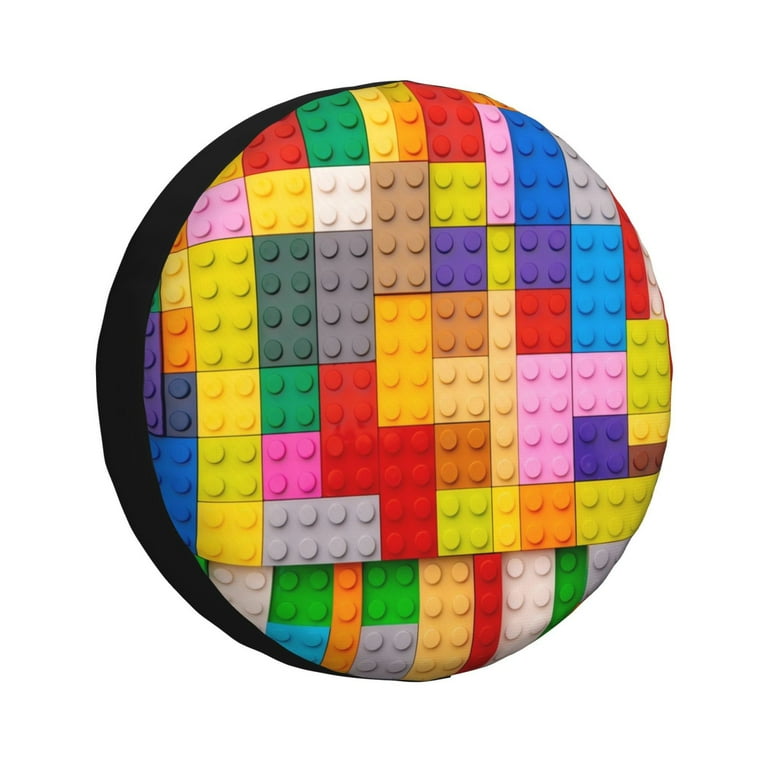
Keeping your Jeep’s plastic wheel covers clean isn’t just about looks. Dirt, mud, brake dust, and road grime stick to wheel covers quickly. Over time, these build-ups can make your Jeep look worn and even damage the covers. Regular cleaning helps your vehicle stay sharp and protects the covers’ finish. If you’re unsure how to clean plastic wheel covers for your Jeep, or you want tips to keep them looking new, this guide walks you through the process, step-by-step. You’ll also learn why cleaning matters, which products to use, and how to avoid common mistakes.
Why Clean Plastic Wheel Covers On A Jeep?
Jeep owners often drive in tough conditions—off-road, mud, and sand. Plastic wheel covers get dirty faster than most parts of your vehicle. Cleaning them:
- Preserves the appearance of your Jeep
- Prevents scratches and fading
- Stops corrosion from road salts and chemicals
- Maintains resale value
- Helps spot early signs of damage or cracks
Neglecting wheel covers can lead to permanent stains and make future cleaning more difficult. Plastic is softer than metal, so it’s also more likely to scratch or fade if not cared for properly.
Understanding Plastic Wheel Covers
Wheel covers, sometimes called hubcaps, are designed to protect the wheel and add style. On Jeeps, covers are usually made from ABS plastic. This material is light but strong, and it resists most chemicals. However, plastic can lose its shine over time, especially under sunlight or after repeated exposure to mud and dust.
Some Jeep models use wheel covers with special coatings or finishes. These finishes might be glossy, matte, or even chrome-like. Understanding your wheel cover’s finish helps you pick the right cleaner. Always check your Jeep’s manual or ask your dealer if you’re unsure.
Supplies You Need For Cleaning
Before you start, gather the right tools and products. Using the wrong items can scratch or dull the covers.
| Item | Purpose | Recommended Type |
|---|---|---|
| Soft Brush | Loosen dirt and debris | Microfiber or nylon bristles |
| Wheel Cleaner | Break down grime | Plastic-safe, pH-neutral |
| Microfiber Cloth | Wipe and dry | Lint-free, soft |
| Bucket of Water | Rinsing and washing | Clean, fresh water |
| Garden Hose | Final rinse | Moderate pressure |
| Plastic Polish (optional) | Restore shine | Non-abrasive, UV-protection |
Avoid abrasive pads or harsh chemicals. These can scratch plastic or strip off protective coatings.
Step-by-step Cleaning Process
Cleaning plastic wheel covers doesn’t require special skills. Follow these simple steps for the best results.
1. Remove Loose Dirt
Start by rinsing the wheel covers with a hose. This removes loose mud, sand, and dust. If you skip this step, you risk rubbing grit into the plastic and causing scratches.
2. Apply Wheel Cleaner
Spray a plastic-safe wheel cleaner onto the covers. Let it sit for a few minutes. The cleaner breaks down brake dust, road grime, and sticky residues. Always check the label—some cleaners are designed only for metal wheels and can damage plastic.
3. Scrub Gently
Use a soft brush to scrub the covers. Work in circles, paying attention to edges and grooves. Don’t press too hard. If you see stubborn spots, reapply cleaner and let it soak longer.
4. Rinse Thoroughly
Rinse the covers with clean water, making sure all cleaner and dirt are washed away. Leftover cleaner can dull the plastic or leave streaks.
5. Dry And Inspect
Dry the covers with a microfiber cloth. Inspect for stains or missed spots. If you see any, repeat the cleaning process.
6. Polish For Extra Shine (optional)
If your Jeep’s wheel covers look dull, use a non-abrasive plastic polish. Apply a small amount to a microfiber cloth and buff gently. Some polishes also add UV protection, helping prevent future fading.
7. Reinstall Covers (if Removed)
If you removed the covers, make sure they’re dry before reinstalling. Snap them back in place securely.
Common Mistakes And How To Avoid Them
Even experienced Jeep owners make mistakes. Avoid these pitfalls:
- Using metal brushes or rough sponges, which scratch plastic
- Applying acidic wheel cleaners meant for alloy wheels
- Washing in direct sunlight, which causes water spots and streaks
- Forgetting to rinse off all cleaner, leading to residue
- Not drying covers properly, which attracts dust
Many beginners think more pressure means better cleaning. In fact, gentle scrubbing works best for plastic. Another hidden mistake: ignoring the back side of the cover, where mud and grime often collect.
Best Products For Cleaning Jeep Wheel Covers
Choosing the right cleaner and tools makes a big difference. Here are some top-rated products:
- Meguiar’s Non-Acid Wheel Cleaner – Safe for plastics and effective against brake dust.
- Chemical Guys Wheel & Rim Cleaner – pH-balanced, won’t harm coatings.
- Armor All Wheel Protectant – Repels dust after cleaning.
- Mother’s Plastic Polish – Brings back shine, adds UV protection.
Always check the product’s label for compatibility with plastic wheel covers. Many cleaners are made for alloy or chrome wheels using those on plastic can cause fading or cracking.
How Often Should You Clean Wheel Covers?
For most Jeep owners, cleaning wheel covers every 2-4 weeks is enough. However, if you drive off-road or in muddy areas, you may need to clean them weekly. During winter, road salts and chemicals can build up quickly, so increase cleaning frequency.
Consistent cleaning keeps covers in good shape and makes each session easier.
Plastic Wheel Covers Vs. Alloy Wheels
It’s helpful to compare plastic wheel covers to alloy wheels. Plastic covers are cheaper and easier to replace, but they need more frequent cleaning.
| Feature | Plastic Wheel Covers | Alloy Wheels |
|---|---|---|
| Material | ABS Plastic | Aluminum Alloy |
| Durability | Prone to scratches | More resistant to damage |
| Cost | Low | High |
| Cleaning Frequency | Higher | Lower |
| Replacement | Easy and cheap | Expensive |
Plastic covers are ideal for budget-conscious Jeep owners who like to change styles often. Alloy wheels offer more strength, but require special care and cost more.
Tips For Keeping Wheel Covers Clean Longer
- Apply Wheel Protectant: After cleaning, use a protectant spray to repel dust and dirt.
- Avoid Automatic Car Washes: Brushes may scratch plastic covers.
- Clean Immediately After Off-Roading: Mud hardens and becomes harder to remove.
- Park Away from Road Salt: In winter, park in clean spots to avoid chemical buildup.
- Use Wheel Cover Bags for Storage: If you swap covers, store them in soft bags to prevent scratches.
Many Jeep owners overlook the importance of protectants. These sprays create a barrier, making future cleaning faster.
Dealing With Tough Stains And Damage
Some stains won’t come off with basic cleaning. For tar, oil, or deep brake dust:
- Use a dedicated tar remover (plastic-safe)
- Let the product soak for 5–10 minutes
- Gently scrub with a microfiber cloth
- Rinse thoroughly
If your wheel covers have deep scratches or cracks, repair kits are available. Most kits include sandpaper, plastic filler, and touch-up paint. For serious damage, it’s often cheaper to replace the cover.
When To Replace Your Jeep’s Wheel Covers
Plastic wheel covers are affordable, but they don’t last forever. Replace them if you notice:
- Large cracks or missing pieces
- Severe discoloration
- Broken mounting clips
- Warped or bent covers
Replacement covers cost $20 $80 per set, depending on style and brand. Investing in new covers can instantly boost your Jeep’s look.
Environmental Impact Of Cleaning Products
Many wheel cleaners contain chemicals that can harm the environment. Choose biodegradable and phosphate-free products. Dispose of dirty water away from storm drains. This small step protects local waterways and wildlife.
Jeep Model Differences
Different Jeep models use different wheel cover designs. For example, Jeep Wrangler covers have rugged styling, while Jeep Grand Cherokee covers are more refined. Some models use snap-on covers; others use bolt-on types. Always check your model’s cover attachment method before removing them.
| Jeep Model | Wheel Cover Type | Cleaning Difficulty |
|---|---|---|
| Wrangler | Snap-on, deep grooves | Medium |
| Grand Cherokee | Bolt-on, smooth surface | Easy |
| Compass | Snap-on, complex patterns | Hard |
Some covers have tight corners or raised logos use a small detailing brush for these spots.
Advanced Tips: What Most Beginners Miss
Many new Jeep owners don’t realize that brake dust is highly corrosive. It can eat away at plastic finishes if left too long. Clean wheel covers soon after heavy braking.
Another hidden insight: UV exposure slowly fades plastic covers, especially in sunny areas. Using a UV-protectant polish after cleaning extends cover life.
External Resource For Further Learning
If you want to learn more about wheel care and maintenance, visit the Jeep Official Vehicle Care Guide for expert advice.
Frequently Asked Questions
How Often Should I Clean My Jeep’s Plastic Wheel Covers?
For most drivers, every 2 4 weeks is ideal. If you drive off-road or in harsh conditions, clean them weekly.
Can I Use Household Cleaners On Plastic Wheel Covers?
Avoid strong household cleaners. Some contain bleach or ammonia, which can damage plastic. Use a pH-neutral, plastic-safe wheel cleaner.
What’s The Best Way To Remove Tough Stains From Wheel Covers?
Use a plastic-safe tar remover or dedicated wheel cleaner. Let it soak, then gently scrub with a microfiber cloth.
Should I Remove Wheel Covers Before Cleaning?
You don’t have to remove them unless dirt is trapped behind. Removing covers lets you clean hidden areas and inspect for damage.
Are Plastic Wheel Covers Recyclable?
Most are made from ABS plastic, which is recyclable. Check with your local recycling center for guidelines before disposal.
Keeping your Jeep’s plastic wheel covers clean is simple, but it makes a big difference. With the right tools, products, and a little care, your covers will stay shiny, protected, and ready for every adventure. Regular cleaning is a small effort that pays off in looks, durability, and pride of ownership.