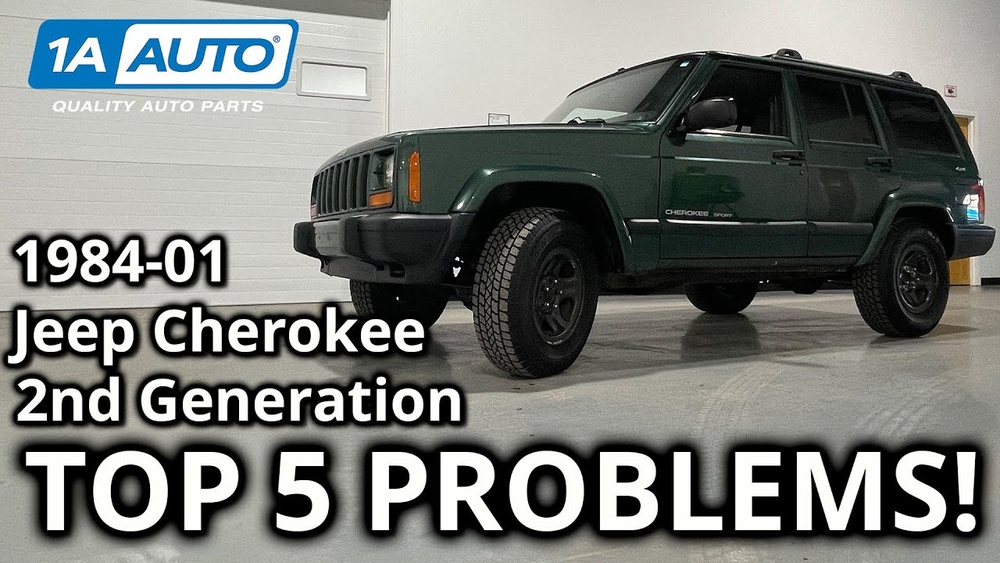
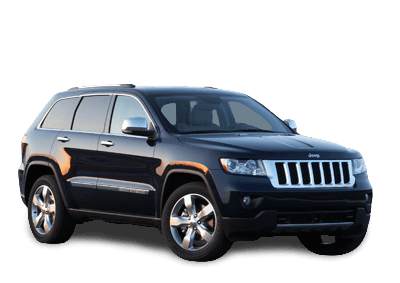
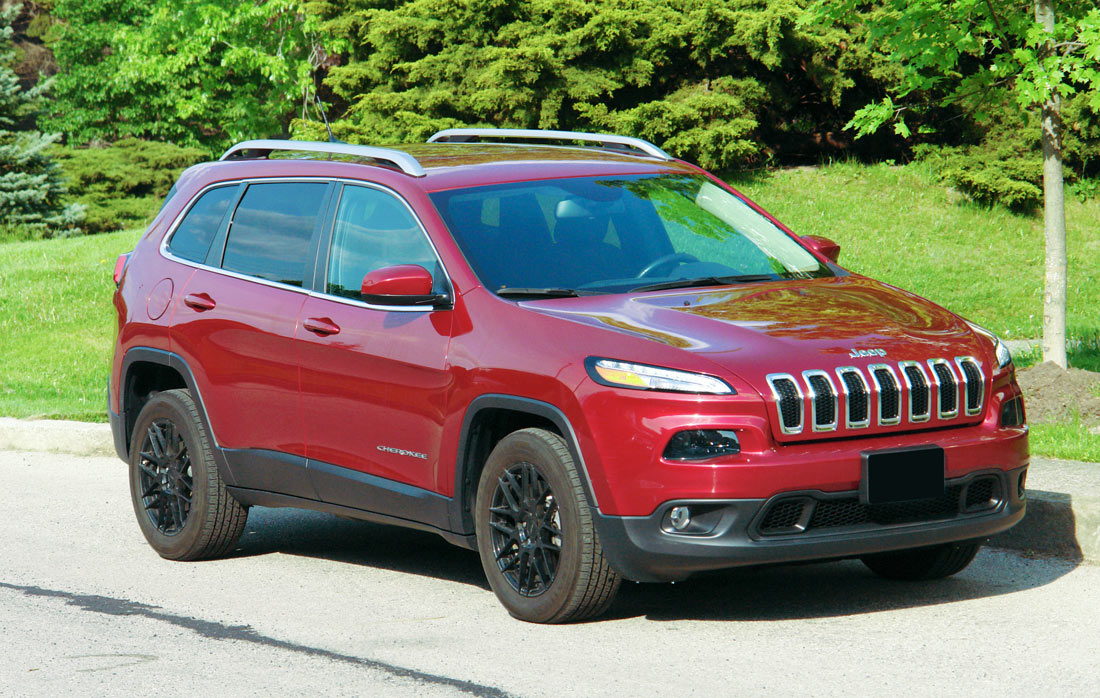
Owning a Jeep Cherokee is exciting for many drivers. It’s a classic American SUV with a strong reputation for off-road capability and practical design.
But like all vehicles, the Jeep Cherokee has its share of known issues. Whether you’re considering buying one or already own it, understanding these common problems can help you make smarter decisions and avoid unwanted surprises.
This guide explores the most frequent Jeep Cherokee issues, offering practical advice and real-world examples to help you stay ahead.
Engine Troubles
The engine is the heart of your Jeep Cherokee, but several generations have shown repeated problems. These range from minor annoyances to serious failures.
Oil Consumption
Many owners report excessive oil consumption, especially in models with the 2.4L Tigershark engine (2014–2020). You may notice your oil level dropping faster than expected, sometimes needing a top-off between scheduled services.
- Symptoms: Oil warning light, engine knocking, visible smoke from exhaust.
- Impact: Running low on oil can lead to engine damage if ignored.
Stalling Issues
Stalling is another complaint, often linked to the Powertrain Control Module (PCM) or faulty sensors. Your Cherokee might suddenly lose power while driving, which can be dangerous in traffic.
- Typical Fix: PCM software updates or sensor replacement.
- Example: In 2019, Jeep issued a recall for PCM-related stalling.
Cylinder Head Failures
Some models, especially from 2014–2015, have cylinder head failures. This can cause rough running, misfires, and check engine lights.
- Repair Cost: Cylinder head replacement can be over $2,000.
- Key Insight: Early signs are subtle—watch for unexplained loss of power or rough idling.
Transmission Problems
Jeep Cherokee’s transmission problems are well-documented, particularly with the 9-speed automatic transmission introduced in 2014. These issues range from minor hesitations to major failures.
Rough Shifting
Many drivers notice jerky shifting, hesitation, or clunking noises when changing gears.
- Common Years: 2014–2016 models are most affected.
- Real Data: In a survey by Consumer Reports, 37% of Cherokee owners reported transmission problems in the first 3 years.
Failure To Shift
Some Cherokees struggle to shift out of park or into reverse. This is often caused by software glitches or faulty solenoids.
- Solution: Dealerships usually perform software updates or replace the shift solenoid.
Transmission Replacement
Severe cases may need a full transmission replacement, which can cost $4,000–$6,000.
- Practical Tip: If you notice repeated shifting issues, get it checked early to avoid higher repair costs.
Here’s a quick comparison of transmission issues by model year:
| Model Year | Common Problem | Estimated Repair Cost |
|---|---|---|
| 2014 | Jerky shifting | $800–$6,000 |
| 2015 | Failure to shift | $500–$5,500 |
| 2016 | Software glitches | $300–$4,000 |
Electrical System Faults
Modern Cherokees have many electronics, which means more chances for things to go wrong.
Touchscreen And Uconnect Issues
The UConnect infotainment system is praised for its features but criticized for freezing, rebooting, or failing to respond.
- Typical Symptoms: Black screens, unresponsive controls, Bluetooth failures.
- Example: Owners of 2018–2020 Cherokees report frequent UConnect malfunctions.
Power Window Failures
Power windows often stop working due to faulty motors or switches.
- Repair Cost: $200–$400 per window.
- Extra Insight: Sometimes it’s just a blown fuse, so check this before replacing parts.
Battery Drain
Unexpected battery drain is a common issue, especially in newer Cherokees with advanced electronics.
- Signs: Dead battery after parking overnight, slow cranking.
- Fix: Technicians often find a faulty relay or module causing the drain.
Here’s a comparison of common electrical issues by Cherokee generation:
| Generation | Main Electrical Issue | Average Reported Cases |
|---|---|---|
| KL (2014–2026) | UConnect failure | 1,500+ |
| KJ (2002–2007) | Power window failure | 800+ |
| XJ (1984–2001) | Battery drain | 600+ |
Suspension And Steering Concerns
A good suspension keeps your ride smooth and safe. Unfortunately, the Jeep Cherokee sometimes falls short.
Premature Ball Joint Wear
The ball joints in some Cherokees wear out early, leading to clunking noises or loose steering.
- Affected Years: 1999–2004 XJ and KJ models.
- Repair Cost: $300–$600 per axle.
Control Arm Issues
Control arm bushings often fail, causing steering instability. If you feel your Cherokee wandering or shaking at speed, check these parts.
- Early Sign: Uneven tire wear.
- Non-obvious Insight: Replacing bushings is much cheaper than replacing the whole control arm.
Alignment Problems
Some Cherokees struggle to keep proper wheel alignment, leading to tire wear and poor handling.
- Solution: Regular alignment checks, especially after hitting potholes.
Water Leaks And Interior Problems
A dry cabin is important, but many Cherokees suffer from water leaks. These can come from sunroof drains, door seals, or windshield seals.
Sunroof Drain Blockage
Blocked drains cause water to leak into the cabin, soaking carpets and causing mold.
- Fix: Clean drains regularly to prevent buildup.
- Example: 2015–2018 Cherokees report frequent sunroof leaks.
Door Seal Failure
Worn door seals let water enter during rain or car washes.
- Repair Cost: $100–$250 per door.
Interior Electronics Malfunction
Water leaks can damage interior electronics like seat controls and window switches.
- Non-obvious Insight: If you notice odd electrical behavior after rain, check for leaks first.
Air Conditioning And Heating Issues
Comfort depends on climate control, but the Cherokee’s AC and heating system have their own problems.
Ac Compressor Failure
The AC compressor is prone to failure in 2014–2017 models.
- Repair Cost: $700–$1,500.
- Symptoms: Weak or no cold air, strange noises from engine bay.
Heater Core Clogging
Heater cores can clog, reducing heat output or causing coolant leaks inside the cabin.
- Early Warning: Sweet smell inside the car, foggy windows.
- Fix: Flush heater core or replace if needed.
Brake System Challenges
Safe stopping is crucial, but Cherokees have several brake-related complaints.
Brake Rotor Warping
Warped rotors cause vibration when braking, especially after driving downhill or towing.
- Common Years: 2014–2019 models.
- Fix: Rotor replacement ($250–$400 per axle).
Abs Sensor Failures
ABS sensors can fail, causing warning lights or reduced braking performance.
- Non-obvious Insight: Dirt and debris often cause sensor failures—cleaning may fix the issue.
Paint And Body Issues
Jeep Cherokees are known for rugged looks, but paint and body quality can fall short.
Paint Peeling
Some owners report peeling paint after just a few years, especially on roof and hood.
- Affected Colors: White and red tend to have more reports.
- Repair Cost: $500–$1,000 for affected panels.
Rust
Rust is more common in older Cherokees (XJ and KJ generations), especially in snowy climates.
- Prevention: Regular washing and applying rust protection.
Here’s a quick comparison of paint and body problems:
| Issue | Typical Model Years | Average Repair Cost |
|---|---|---|
| Paint peeling | 2014–2019 | $800 |
| Rust | 1997–2007 | $300–$1,200 |
Airbag And Safety System Faults
Safety matters, and Cherokee airbag systems have caused concern.
Airbag Recall
In 2015, Jeep recalled thousands of Cherokees for airbag control module failures. In a crash, airbags might not deploy.
- Practical Tip: Always check for outstanding recalls before buying a used Cherokee.
Seatbelt Sensor Issues
Faulty seatbelt sensors cause warning lights or prevent airbags from working properly.
- Solution: Replace sensors promptly if you notice warning lights.
Non-obvious Insights For Owners
- Software Updates Matter: Many electrical and transmission problems are fixed by dealer software updates. Don’t skip them, even if your car seems fine.
- Check for Recalls Often: Jeep frequently issues recalls for Cherokee problems. Use your VIN to check on the official Jeep website or NHTSA.
- Aftermarket Parts Can Help: Upgrading certain parts (like bushings or ball joints) to aftermarket options often provides longer-lasting solutions than OEM replacements.
What To Do If You Notice Issues
If you start to see symptoms of any Cherokee problem, act quickly:
- Document symptoms and dates.
- Check for recalls or technical service bulletins.
- Visit a trusted mechanic or Jeep dealer.
- Save all repair receipts for warranty claims.
Frequently Asked Questions
<!– wp:rank-math/faq-block {"questions":[{"id":"faq-question-57a98152fcb1","title":"Is The Jeep Cherokee Reliable For Daily Driving?","content":"The Cherokee is reliable for many owners, but some model years have higher rates of mechanical and electrical issues. Regular maintenance and checking for recalls improve reliability.
“,”visible”:true},{“id”:”faq-question-5c50aed7f00c”,”title”:”Which Cherokee Model Years Have The Most Problems?”,”content”:”2014–2016 Cherokees are known for transmission and electrical faults. Older XJ and KJ models often have rust and suspension issues.
“,”visible”:true},{“id”:”faq-question-401330f2714f”,”title”:”How Expensive Are Common Cherokee Repairs?”,”content”:”Repair costs vary. Transmission repairs can reach $6,000, while minor fixes like window switches range from $200–$400. Regular maintenance can help avoid major expenses.
“,”visible”:true},{“id”:”faq-question-9ffc73d2e02e”,”title”:”Are Jeep Cherokee Recalls Common?”,”content”:”Yes, recalls are frequent, especially for safety and software issues. Always check your VIN on official sites to stay updated.
“,”visible”:true},{“id”:”faq-question-40cd387bd1c0″,”title”:”Can I Fix Jeep Cherokee Problems Myself?”,”content”:”Some minor issues, like fuse replacement or drain cleaning, are DIY-friendly. Complex repairs, especially with electronics or transmission, usually require a professional.
Owning a Jeep Cherokee means enjoying adventure and versatility, but it’s smart to know the common issues. Staying informed, proactive, and aware of recalls can make your experience smoother and safer. With careful maintenance and attention to known problems, you can keep your Cherokee running strong for years.
“,”visible”:true}]} –>Is The Jeep Cherokee Reliable For Daily Driving?
The Cherokee is reliable for many owners, but some model years have higher rates of mechanical and electrical issues. Regular maintenance and checking for recalls improve reliability.
Which Cherokee Model Years Have The Most Problems?
2014–2016 Cherokees are known for transmission and electrical faults. Older XJ and KJ models often have rust and suspension issues.
How Expensive Are Common Cherokee Repairs?
Repair costs vary. Transmission repairs can reach $6,000, while minor fixes like window switches range from $200–$400. Regular maintenance can help avoid major expenses.
Are Jeep Cherokee Recalls Common?
Yes, recalls are frequent, especially for safety and software issues. Always check your VIN on official sites to stay updated.
Can I Fix Jeep Cherokee Problems Myself?
Some minor issues, like fuse replacement or drain cleaning, are DIY-friendly. Complex repairs, especially with electronics or transmission, usually require a professional.
Owning a Jeep Cherokee means enjoying adventure and versatility, but it’s smart to know the common issues. Staying informed, proactive, and aware of recalls can make your experience smoother and safer. With careful maintenance and attention to known problems, you can keep your Cherokee running strong for years.