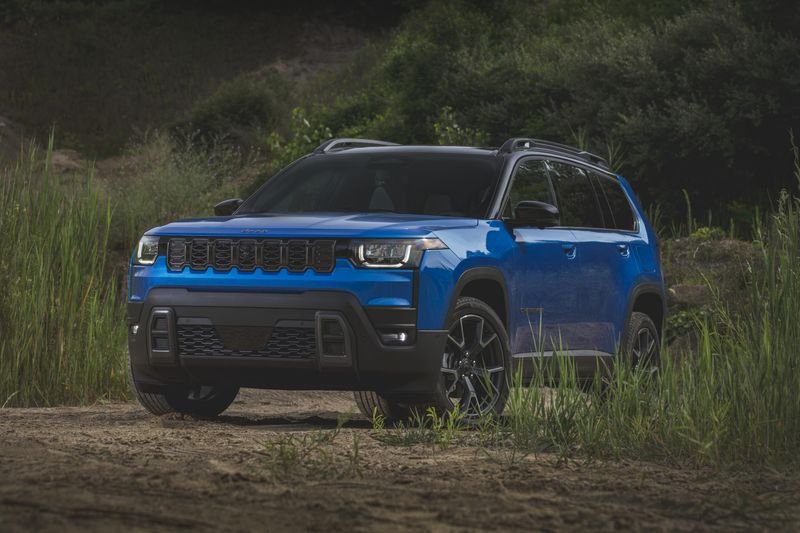
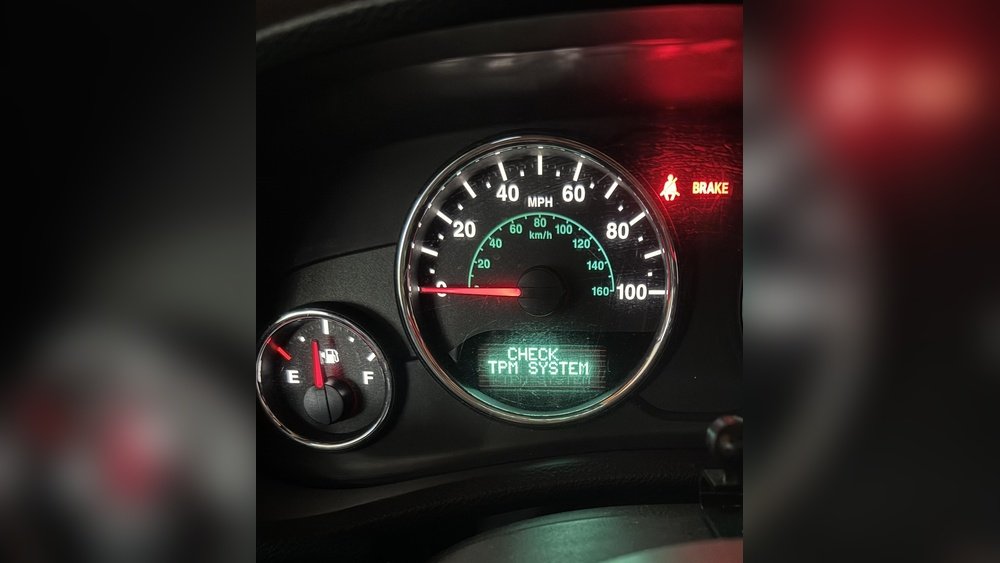
When you see the message “Check TPM System” on your Jeep Wrangler’s dashboard, it can be confusing and sometimes worrying. This alert means your vehicle’s Tire Pressure Monitoring System (TPMS) has detected a problem, or at least thinks there is one. For Jeep Wrangler owners, understanding the TPM system is crucial for both safety and comfort. A bad or ignored TPM alert can lead to tire problems, poor fuel economy, and even accidents. In this article, you’ll learn what the TPM system is, why the warning comes on, how to check and reset it, and what steps to take if it won’t go away. We’ll also cover common mistakes, answer real-world questions, and give you the confidence to handle TPM alerts like a pro.
What Is The Tpm System In Jeep Wrangler?
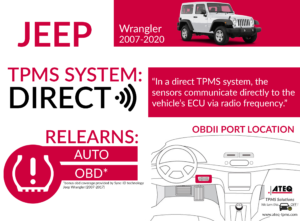
The Tire Pressure Monitoring System (TPMS) is a safety feature required in all modern vehicles sold in the US since 2007. Its job is simple: monitor the air pressure inside your tires and alert you if any tire is under-inflated. In a Jeep Wrangler, the system uses tiny sensors inside each wheel. These sensors send data to your car’s computer.
The Wrangler’s off-road capability makes tire pressure management even more important. Off-roading sometimes means lowering tire pressure for traction, but you need to know when it’s too low. That’s where the TPM system comes in.
There are two main types of TPMS:
- Direct TPMS: Sensors inside each tire measure pressure and send the data wirelessly.
- Indirect TPMS: Uses ABS sensors to estimate tire pressure based on wheel speed. Most Jeep Wranglers use direct TPMS for better accuracy.
Why Does The “check Tpm System” Warning Appear?
This warning can mean several things, not just low tire pressure. Here are the most common reasons:
- Low Tire Pressure: The most obvious and frequent cause. One or more tires are below the recommended PSI.
- Faulty Sensor: The sensor battery can die (usually after 5-10 years), or the sensor can be damaged.
- Sensor Not Detected: If you change wheels or tires, or use a spare without a sensor, the system may not detect all tires.
- Radio Interference: Other electronics or devices can sometimes block the signal.
- System Malfunction: Rare, but the module or wiring can fail.
A surprising fact: About 20% of TPM warnings are not actually caused by a puncture or leak, but by sensor or communication issues.

How To Check The Tpm System On A Jeep Wrangler
Checking the system is straightforward, but you need to do it step by step. Here’s how:
- Check Tire Pressures First
- Use a good-quality tire pressure gauge.
- Compare each tire’s pressure to the number listed on the driver’s door sticker (often around 35 PSI for Wranglers).
- Don’t forget the spare tire; some Wranglers monitor all five tires.
- Inspect for Visible Damage
- Look for nails, cuts, or sidewall bulges.
- Check valve stems for cracks or leaks.
- Cycle the Ignition
- Sometimes, turning the ignition off and on will reset the message if it was a one-time error.
- Drive the Vehicle
- After correcting tire pressures, drive above 15 mph for at least 10 minutes. The system needs motion to update.
- Use the Vehicle’s Display
- On newer Wranglers, scroll through the dashboard menu to see each tire’s pressure.
- If one tire doesn’t show a reading, that sensor may be faulty.
- Scan for Error Codes (Advanced)
- Some auto parts stores will check for codes for free.
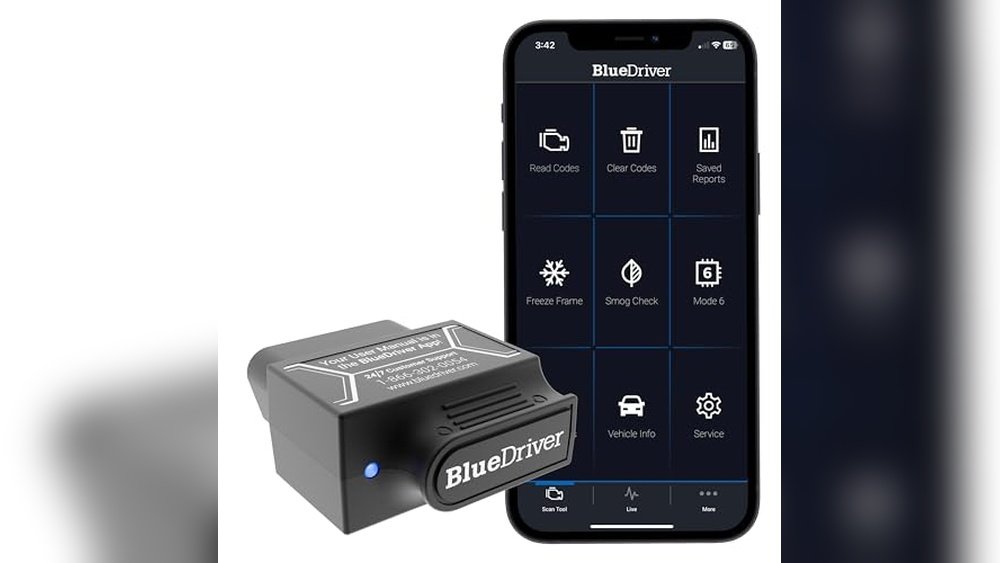
- A code reader (OBD-II scanner) can show you exact TPM errors like “Sensor Not Responding.”
Jeep Wrangler Tire Pressure Reference Table
Here’s a quick reference for popular Jeep Wrangler models and their recommended tire pressures:
| Model Year | Stock Tire Size | Recommended PSI (Front) | Recommended PSI (Rear) |
|---|---|---|---|
| 2018–2024 JL | 245/75R17 | 36 | 36 |
| 2007–2018 JK | 225/75R16 | 35 | 35 |
| 1997–2006 TJ (aftermarket TPMS) | 215/75R15 | 33 | 33 |
Note: Always check your own door sticker for the most accurate information.
How To Reset The Tpm System On Jeep Wrangler
Resetting the TPM system can be easy or tricky, depending on what caused the warning. Here are the main methods:
Quick Reset Steps
- Inflate All Tires to Correct Pressure
- Make sure every tire, including the spare, is at the recommended PSI.
- Drive for 10–15 Minutes Above 15 mph
- The system will usually reset itself after a few miles of driving.
- Turn Ignition Off and On
- Restart the vehicle to see if the warning disappears.
- Check the Display
- On digital dashboards, navigate to the tire pressure screen.
When Manual Reset Is Needed
Some Jeep models and situations require a manual reset. Here’s how:
- Disconnect the Battery: Turn off the car, remove the negative battery terminal for 10–15 minutes, then reconnect. This clears the vehicle’s memory, but you will lose radio presets and clock settings.
- Use a TPMS Tool: Special TPMS reset tools can “wake up” sensors or pair new ones. Tire shops often have these.
Resetting After Tire Rotation Or Replacement
Wrangler owners often rotate tires or swap to bigger off-road tires. If you swap tires with or without sensors, the system may need to relearn the sensor locations.
- Drive for 10–20 minutes after rotation. The system should automatically relearn sensors.
- If swapping to wheels without sensors, the warning will stay on. You need to install sensors in the new wheels to clear it.
When Reset Fails
If the warning won’t go away, even after following all steps, you may have a faulty sensor or module. In this case, visit a dealership or qualified tire shop.
They have diagnostic tools that can pinpoint the issue.
Common Problems And Solutions
1. Persistent Warning Light
- If the light stays on, double-check all tire pressures.
- Make sure the spare tire is included.
- Faulty or dead sensors are a frequent cause; sensor batteries are not replaceable and require sensor replacement.
2. Intermittent Alerts
- Sudden temperature changes can affect tire pressure.
- Radio frequency interference from other devices can disrupt sensor signals.
3. Aftermarket Wheels Or Tires
- Many owners upgrade their wheels for off-roading.
- Aftermarket wheels may not have TPM sensors, or use sensors incompatible with Jeep’s system.
- Always transfer sensors or buy compatible ones for new wheels.
4. Replacing Sensors
- Sensors last 5-10 years. When they fail, you must replace them.
- Shop prices for sensors vary; OEM sensors are more expensive but reliable.
5. Tpm System Not Available
- Sometimes the display says “TPM System Not Available.”
- This usually means a system fault, not just low pressure.
- Dealer diagnostic tools can scan the system and identify the problem.
Cost Comparison: Tpm System Repairs
Wondering what it might cost to fix a TPM issue? Here’s a quick cost comparison.
| Service | Average Cost (USD) | DIY Possible? |
|---|---|---|
| Sensor Replacement (per tire) | $60–$140 | Yes, with tools |
| System Diagnosis (Dealer) | $80–$120 | No |
| TPMS Reset Tool | $20–$70 | Yes |
| Battery Replacement (in sensor) | N/A (sealed unit) | No |
A helpful tip: If you need to replace all sensors, ask for a package deal from your tire shop.
Real-world Examples
- A 2019 Jeep Wrangler owner noticed the “Check TPM System” light after a cold snap. All tires were 5 PSI lower than normal. After topping them up, the light went off after 15 minutes of driving.
- Another owner replaced wheels with aftermarket ones but did not install sensors. The warning stayed on permanently. Only after adding compatible sensors did the warning disappear.
These examples show that the system works, but also that it’s sensitive to changes even those you make on purpose.
Important Insights Most People Miss
- The Spare Tire Can Trigger Alerts: Many Wranglers monitor the spare tire as well. If the spare is low or missing a sensor, you’ll get a warning—even if the four driving tires are perfect.
- Sensor Batteries Are Not Replaceable: The small battery inside each sensor can’t be replaced. When it dies, the whole sensor must be changed. Plan for this if your Wrangler is more than 5 years old.
- Resetting the System Doesn’t Fix Hardware Problems: A reset will not fix a dead sensor or a broken module. If the warning won’t clear, you likely need a part replaced.
- Aftermarket Tire Sizes: Larger or smaller tires can confuse the TPM system if not programmed correctly. Make sure your tire shop programs new sensor IDs to your Jeep.
Best Practices For Tpm System Maintenance
- Check tire pressures at least once a month, and before long trips or off-roading.
- Use a quality digital gauge for accurate readings.
- Rotate tires regularly, and ensure sensors are working after each rotation.
- Replace sensors proactively if your vehicle is 5-10 years old, to avoid sudden warnings.
Quick Reference: What To Do When You See The Warning
| Step | Action | Result |
|---|---|---|
| 1 | Check all tire pressures (including spare) | Correct any low pressures |
| 2 | Drive for 10–15 minutes | System may reset automatically |
| 3 | Check dashboard display for updates | Monitor for persistent warnings |
| 4 | If warning remains, scan for codes | Identify faulty sensor or system error |
| 5 | Visit professional for diagnosis/repair | Restore full TPM function |
Frequently Asked Questions
What Happens If I Ignore The “check Tpm System” Warning In My Jeep Wrangler?
Ignoring the warning can lead to driving on under-inflated tires, which can cause poor handling, lower fuel efficiency, and even tire blowouts. It’s always best to address the warning quickly for safety.
Can I Drive My Wrangler With A Faulty Tpm Sensor?
Yes, but you won’t be warned if your tire pressure drops dangerously low. It’s not recommended for regular driving.
For off-road trips, proper tire pressure is even more critical.
How Long Do Jeep Wrangler Tpms Sensors Last?
Most sensors last between 5 and 10 years. Factors like mileage, climate, and off-road use can affect battery life.
Do Aftermarket Wheels Work With The Jeep Wrangler Tpm System?
They can, but you need compatible sensors installed in the new wheels. Some aftermarket wheels do not support OEM sensors, so check before buying.
Where Can I Find More Technical Information About Jeep Tpms?
You can visit the official NHTSA TPMS resource for detailed regulations and technical details.
Handling the “Check TPM System” warning on your Jeep Wrangler doesn’t need to be stressful. With a basic understanding, some simple tools, and the right steps, you can keep your Wrangler safe on- and off-road. Remember: Tire pressure is your first line of defense for safety and performance—don’t ignore your TPM system.