Checking your Jeep’s brake pads is vital for safety, but many people worry it means taking off the wheels—something that takes time, tools, and sometimes, a trip to the shop. The good news is, you can often check the condition of your Jeep brake pads without removing the wheel. This approach saves time and effort, and helps you spot problems before they become serious. If you know what to look for and how to do it right, you’ll feel more confident about your vehicle’s safety and save on unnecessary mechanic visits. This guide will walk you through the whole process, explain why it matters, and share a few expert tips that most beginners miss.
Why Check Brake Pads Without Removing The Wheel?
Most Jeep owners want a quick, reliable way to check brake pads. Removing wheels is not always possible—especially if you lack the tools, have little experience, or just want a fast check. Here are key reasons to learn this skill:
- Time-saving: No need to jack up the Jeep and remove heavy wheels.
- Safety: Early detection prevents brake failure and costly damage.
- Convenience: Can be done in your driveway or even in a parking lot.
- Cost-effective: Avoids unnecessary service fees for simple inspections.
Modern Jeep models often have open-spoke wheels or inspection holes that allow a good view of the brake pads. This makes the check easier than you might expect.
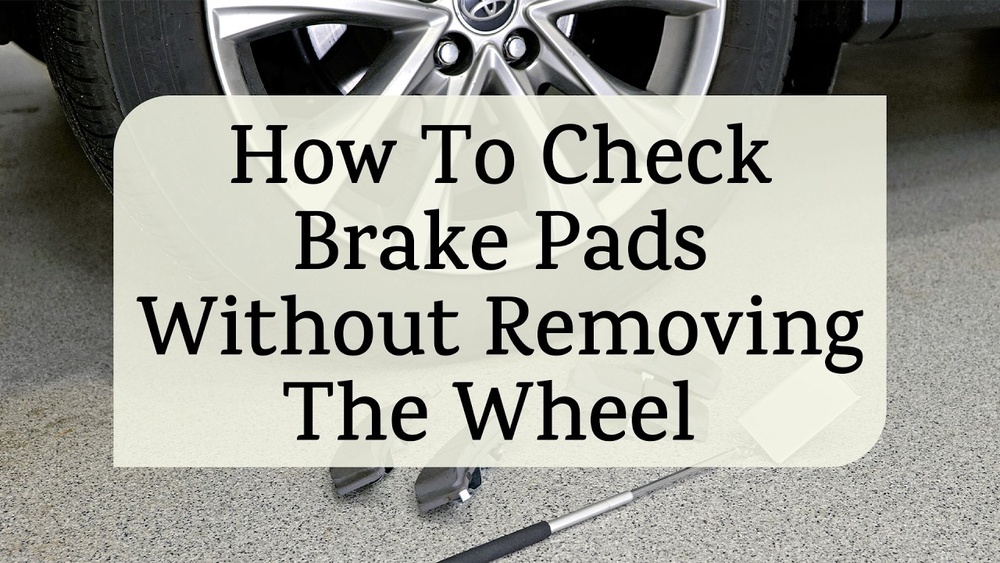
Understanding Jeep Brake Pads And Their Wear
Before you start, it’s important to know what you’re looking at. A brake pad is a block of friction material that presses against the brake rotor to slow your Jeep. Over time, this material wears down.
Brake Pad Thickness: What’s Safe?
- New brake pads: 10–12 mm thick
- Minimum safe thickness: 3 mm
- Replace immediately: Less than 3 mm
If you let them get too thin, you risk damaging the rotors, which are much more expensive to replace. Most Jeep manuals recommend checking pads every 10,000 15,000 miles, but if you drive off-road or in traffic often, check more frequently.
How Brake Pads Wear Out
Brake pads wear faster in the front because the front brakes do most of the stopping. Pads also wear unevenly if:
- Calipers stick
- Pads are low quality
- You drive in lots of stop-and-go traffic
Tools And Supplies You Need
You don’t need a full garage for this check. Here’s what you need:
- Flashlight: To see through the wheel’s openings.
- Inspection mirror: For hard-to-see spots (helpful but optional).
- Ruler or brake pad gauge: For measuring thickness.
- Gloves: To keep hands clean and safe.
If you plan to measure the pads, a simple ruler with millimeter markings works fine.
Step-by-step: How To Check Jeep Brake Pads Without Removing The Wheel
Let’s break down the process into clear steps. This method works for most Jeep models with visible brake components (like Wrangler, Grand Cherokee, Cherokee, and Compass).
1. Park Safely
- Make sure your Jeep is on a flat surface.
- Put the vehicle in park (automatic) or in gear (manual) and set the parking brake.
- Turn off the engine.
2. Turn The Steering Wheel
- To check the front brake pads, turn the steering wheel all the way to the left to inspect the right side, and all the way to the right for the left side.
- This gives you a better view of the caliper and brake pad through the wheel spokes.
3. Locate The Brake Caliper And Pads
- Look through the openings in your wheel.
- The caliper is the part that clamps over the round, shiny rotor.
- The brake pads are inside the caliper, pressing against the rotor.
4. Use A Flashlight For A Clear View
- Shine the flashlight into the wheel opening.
- Look for the outer brake pad (the one facing you). You’ll see the pad material between the caliper and rotor.
5. Measure The Pad Thickness
- If you can see the edge of the pad, estimate its thickness.
- If you have a ruler or gauge, place it against the pad’s edge for a more accurate reading.
- Remember, anything less than 3 mm means it’s time to replace the pads.
6. Repeat For All Wheels
- The rear brakes may be harder to see, but repeat the process for each wheel.
- Some Jeeps have drum brakes in the rear; these cannot be checked this way.
7. Listen And Feel For Warning Signs
- Even if pads look thick, listen for squealing or grinding when braking.
- A soft or spongy pedal can also be a warning.
What Can You See Without Removing The Wheel?
Not everything is visible with the wheels on, but you can still spot the most important signs. Here’s a quick comparison:
| Visible Without Wheel Removal | Requires Removing the Wheel |
|---|---|
| Outer brake pad thickness | Inner pad wear |
| Rotor surface (limited view) | Full rotor inspection |
| General pad condition | Check for pad unevenness |
| Pad material left (estimate) | Check for caliper leaks |
Signs Your Jeep Brake Pads Need Immediate Attention
Just looking isn’t enough—knowing what to look for matters. Here are clear warning signs you should never ignore:
- Pad thickness below 3 mm: Replace immediately.
- Deep grooves on the rotor: Pads may be worn unevenly.
- Visible cracks or crumbling: Pads are failing.
- Unusual noises: Squealing (worn pads) or grinding (metal-on-metal).
- Vibration when braking: Could mean warped rotors or uneven pads.
Many drivers miss the importance of checking both visually and by listening/feeling for problems. Sometimes, a pad looks okay but is failing internally or wearing unevenly.
Trust your senses as well as your eyes.

Jeep Brake Pad Warning Systems: What They Do (and Don’t) Tell You
Most newer Jeeps have electronic or mechanical brake pad wear indicators. These systems are helpful, but not foolproof.
Types Of Warning Systems
| Type of Indicator | How It Works | Reliability |
|---|---|---|
| Electronic sensor | Triggers dash light when pads are low | Very reliable but only checks one pad per wheel |
| Mechanical squealer | Small metal tab makes noise when pad is thin | Simple but easy to ignore |
| None | No indicator; check visually | Depends on driver vigilance |
Don’t rely only on these systems they might not warn you about uneven wear or other issues. Always combine electronic warnings with a manual check.
Mistakes To Avoid When Checking Jeep Brake Pads
Many Jeep owners make the same mistakes when inspecting brake pads. Avoid these common pitfalls:
- Only checking one wheel: Pads can wear at different rates.
- Ignoring the inner pad: This pad wears faster and is harder to see.
- Measuring the metal backing: Only the friction material counts.
- Forgetting rear brakes: They’re just as important as the front.
- Assuming no noise means good pads: Some worn pads make no sound.
A non-obvious tip: Sometimes, the inner pad (the one you can’t see easily) wears out much faster than the outer pad. This is why you should always listen for other symptoms, not just rely on a visual check.
How Often Should You Check Jeep Brake Pads?
The right interval depends on your driving style, but here are general guidelines:
- Every 10,000 miles: For city or heavy use.
- Every 15,000–20,000 miles: For mostly highway driving.
- Before long road trips: Always check.
- After off-roading: Mud and grit wear pads faster.
If you tow or drive in the mountains, check more often. Your Jeep’s manual has specifics for your model.
When A Visual Check Is Not Enough
A visual check through the wheel is a great first step, but there are times when you need a full inspection:
- If you see uneven pad wear
- If you hear grinding or feel vibrations
- If the brake pedal feels soft
- After driving through deep water or mud
If any of these happen, it’s best to remove the wheel for a closer look or visit a mechanic.
Jeep Brake Pad Types And Their Lifespan
Not all brake pads are created equal. The type on your Jeep affects how often you need to check and replace them.
| Pad Type | Typical Lifespan | Best For |
|---|---|---|
| Ceramic | 40,000–60,000 miles | Daily driving, less dust |
| Semi-metallic | 30,000–50,000 miles | Heavy braking, towing |
| Organic | 20,000–40,000 miles | Light driving, budget |
The best pad for your Jeep depends on how and where you drive. For off-roading, semi-metallic pads are often chosen for durability.
For city use, ceramic pads are popular due to less brake dust.
Expert Tips For Better Brake Pad Checks
Most people stop at a quick visual check, but you can catch more problems with these expert tips:
- Use a small inspection mirror: Lets you see the inner pad, not just the outer.
- Check both ends of the pad: Pads sometimes wear unevenly from top to bottom.
- Look for rust or debris: Dirt can build up and cause uneven wear.
- Feel the rotor (carefully): If you can, gently run a finger along the rotor through the wheel. Deep grooves mean trouble.
- Monitor brake fluid: Low fluid can mean worn pads.
A less obvious insight: Brake pads can “glaze” (get shiny and hard) if they overheat, especially after mountain driving or towing. Glazed pads might look thick but stop poorly. If you feel a loss in braking power with no visible wear, have a mechanic check them.

When To Visit A Mechanic
While checking your Jeep brake pads without removing the wheel is a great skill, sometimes you need an expert. Go to a professional if:
- Pads look thin and you’re unsure how to replace them
- You suspect uneven or inner pad wear
- There are strange sounds, smells, or vibrations
- The brake warning light stays on
Regular checks at home will help, but a full inspection once a year is a smart move for safety.
For more details on brake systems, you can check the Wikipedia Disc Brake page.
How Do I Know If My Jeep Brake Pads Are Worn Out Without Removing The Wheels?
Look for pad thickness through the wheel spokes using a flashlight. If the pad looks thinner than 3 mm, it’s time to replace it.
Also, listen for squealing or grinding noises when braking.
Can I Check The Rear Brake Pads The Same Way As The Front?
Yes, if your Jeep has disc brakes in the rear and the wheels have openings. For drum brakes, you can’t check the pads without removing the drum.
What Tools Do I Really Need To Check Jeep Brake Pads Without Removing The Wheel?
A flashlight is essential. A small inspection mirror and a ruler can help you see and measure better, but aren’t strictly necessary.
Is It Dangerous To Drive With Thin Brake Pads?
Yes. Thin brake pads can lead to metal-on-metal contact, damaging the rotors and reducing stopping power. This increases your risk of accidents.
Will A Warning Light Always Come On If My Brake Pads Are Worn?
Not always. Some older Jeeps have no warning system.
Even on newer models, the sensor may only check one pad per wheel, so you could miss uneven wear. Always do a manual check for safety.
Routine brake checks even without removing the wheel are an easy way to keep your Jeep safe and your repair costs down. With a little practice, you’ll spot problems early, drive with more confidence, and avoid big surprises at the mechanic.