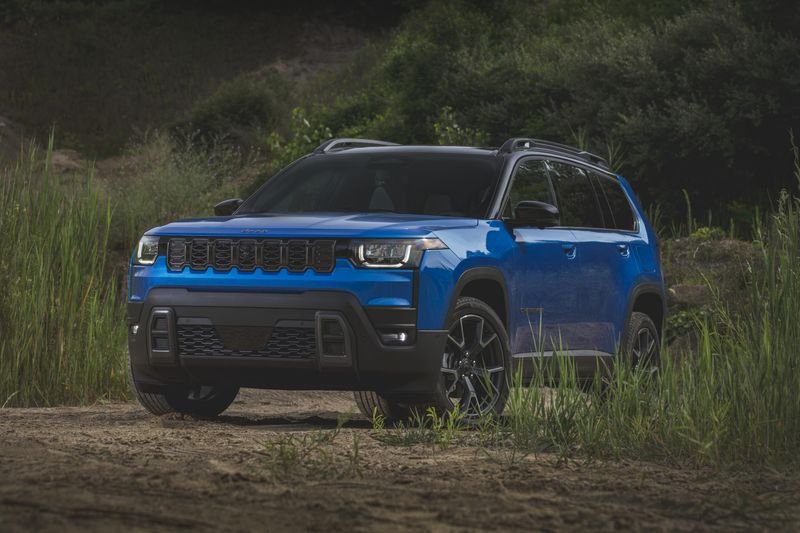
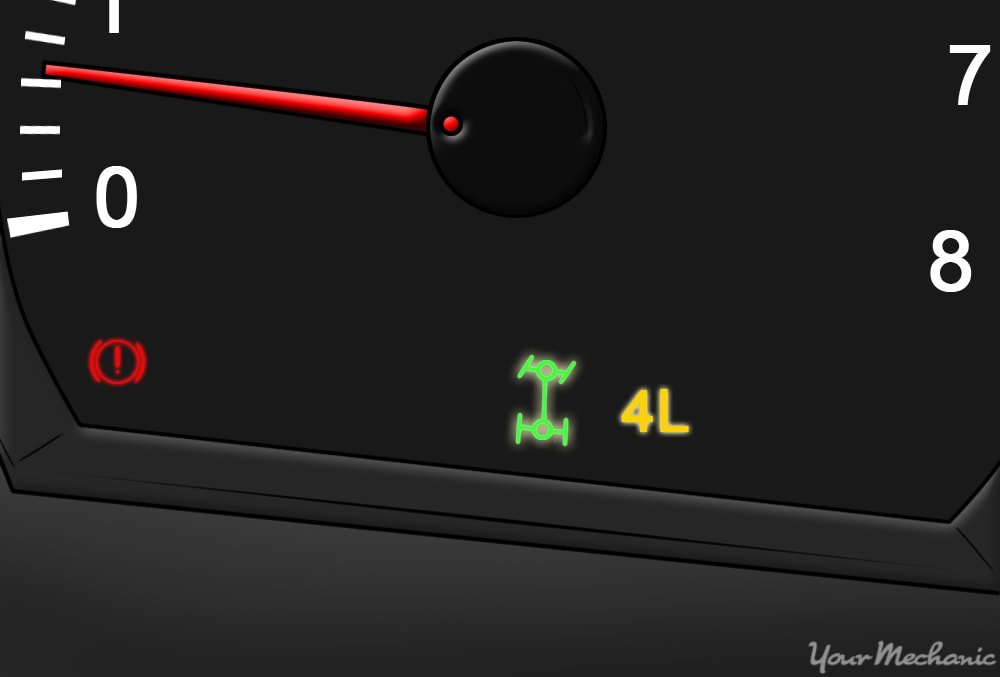
Jeep vehicles are known for their rugged abilities and reliable 4 wheel drive systems. But when the 4 Wheel Drive Light comes on in your Jeep, it grabs your attention.
For many owners, this light is confusing. Is it just telling you the system is active, or is there a problem?
Understanding what this light means and how to respond is important for both safety and performance. This guide will help you make sense of the 4 Wheel Drive Light, explain four common causes, and show practical steps to handle each situation.
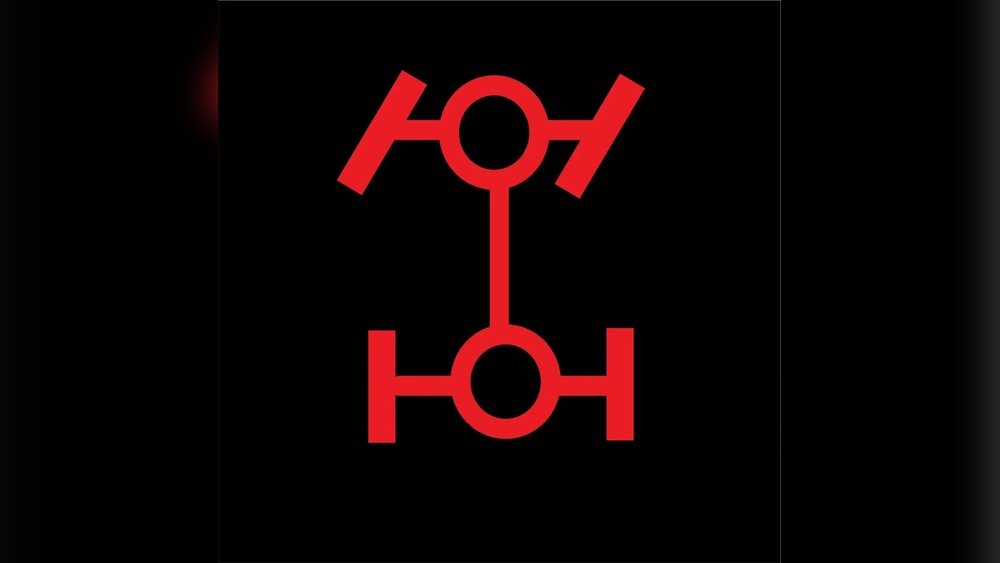
What Does The 4 Wheel Drive Light Mean?
The 4 Wheel Drive Light appears on your dashboard in Jeeps when something relates to the four-wheel drive system. Sometimes, it signals the system is engaged, especially in models with manual shifting. Other times, it warns of a fault. The color of the light and whether it blinks or stays solid can give clues. For example:
- Solid light: Usually means 4WD is engaged.
- Blinking light: Often signals a problem or failed engagement.
Understanding the light’s behavior helps you decide what to do next. Newer Jeeps use advanced sensors, so even minor issues get detected.
If ignored, these problems can reduce traction, damage parts, or even make the vehicle unsafe.
Four Common Reasons For The 4 Wheel Drive Light
Jeep owners often encounter the 4 Wheel Drive Light for these four specific reasons. Each is important to diagnose individually.
1. 4wd System Engaged
In many Jeep models, especially those with manual transfer cases, the light comes on simply to indicate that 4WD mode is active. When you shift from 2WD to 4WD, the system confirms engagement with a dashboard light. This is normal and not a sign of trouble.
However, it’s important to note:
- Driving in 4WD on dry pavement can stress the drivetrain.
- The light should turn off when you return to 2WD.
Example: In a Jeep Wrangler, shifting into 4WD for snow or mud shows the light. When conditions improve, returning to 2WD turns the light off.
Common mistake: Some drivers forget to switch back to 2WD after the terrain improves, leading to unnecessary wear.
2. Faulty Transfer Case
The transfer case is the component that splits power between the front and rear wheels. If it’s malfunctioning, the 4 Wheel Drive Light may blink or stay on, even when you’re not in 4WD. Signs of a faulty transfer case include:
- Grinding or unusual noises
- Difficulty engaging or disengaging 4WD
- Light remains on after shifting
Transfer case faults can result from low fluid, damaged gears, or sensor failures. In modern Jeeps, sensors monitor the case for accurate operation.
Non-obvious insight: The transfer case fluid needs regular checking, not just during scheduled maintenance. Neglecting it can cause costly damage.
3. Sensor Or Electrical Issue
Modern Jeep 4WD systems rely on sensors to track wheel speed, shaft position, and electronic engagement. When a sensor fails, the 4 Wheel Drive Light may trigger.
Symptoms include:
- Light comes on unexpectedly
- 4WD won’t engage or disengage
- No other physical symptoms
Electrical issues could be from loose connections, corroded terminals, or failed switches. Diagnosing these problems often requires a scan tool.
Practical example: A Jeep Grand Cherokee owner finds the light on, but 4WD works fine. A scan reveals a faulty wheel speed sensor.
Common mistake: Ignoring electrical faults can lead to full system failure, especially if moisture gets into connectors.
4. Mechanical Failure In 4wd Components
Mechanical breakdowns in driveshafts, axles, or other 4WD parts can cause the dashboard light to stay on. These issues are often more serious and need prompt attention.
Warning signs:
- Loud clunking or vibration
- Uneven tire wear
- Loss of traction
If the 4 Wheel Drive Light stays on and you notice performance issues, stop driving and inspect immediately. Mechanical failures can lead to expensive repairs if ignored.
Non-obvious insight: Damaged driveshafts may cause the light to come on even if you feel no change in driving, especially in models with advanced diagnostics.
Diagnosing The 4 Wheel Drive Light
Understanding the four reasons is just the start. Diagnosing the light in your Jeep involves several steps.
Visual Inspection
Start by checking for obvious signs:
- Is your Jeep in 4WD or 2WD?
- Are there any noises, leaks, or visible damage?
Check Transfer Case Fluid
Low or dirty fluid can cause the transfer case to malfunction. Refer to your owner’s manual for location and type.
Use An Obd-ii Scanner
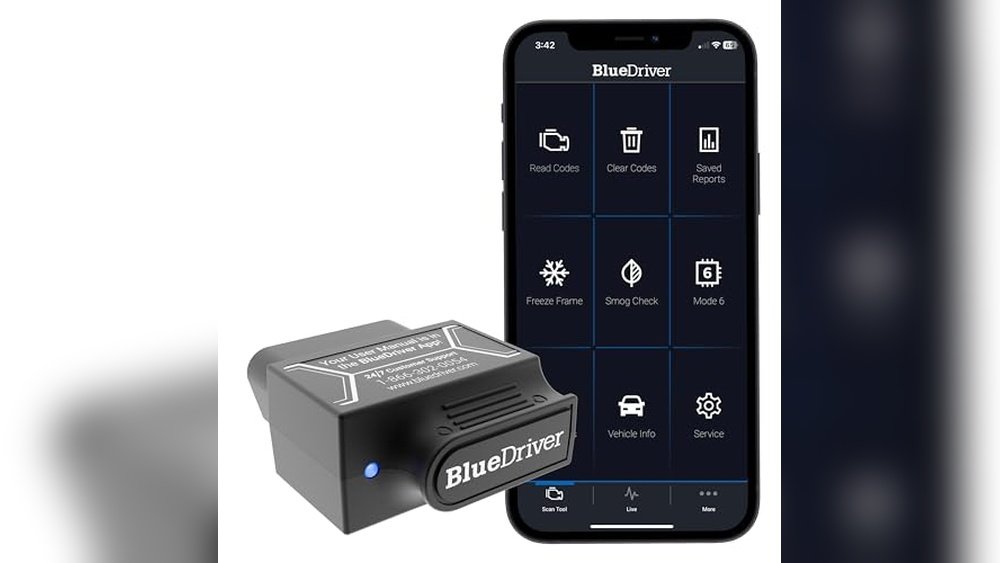
This tool reads trouble codes from your Jeep’s computer. Codes related to the 4WD system or sensors can pinpoint the issue.
Compare Light Patterns
Is the light solid, blinking, or does it come and go? Each pattern means something different.
| Light Pattern | Likely Cause | Action Needed |
|---|---|---|
| Solid | 4WD engaged | Check mode, switch to 2WD if needed |
| Blinking | Failed engagement, sensor issue | Scan for codes, inspect transfer case |
| Stays on in 2WD | Mechanical/electrical fault | Inspect drivetrain, check sensors |
How To Respond To Each Cause
Each of the four causes needs a different response. Here’s how to handle them.
1. 4wd System Engaged
- Switch back to 2WD if driving on dry roads.
- Confirm light turns off after shifting.
- If light stays on, check for stuck shifter or linkage.
2. Faulty Transfer Case
- Check fluid level and quality.
- Listen for unusual noises when shifting.
- Use an OBD-II scanner for error codes.
- Seek professional help if internal damage is suspected.
3. Sensor Or Electrical Issue
- Inspect wiring and connectors for corrosion or looseness.
- Use a scan tool to identify faulty sensors.
- Replace sensors if needed.
- Sometimes, a reset of the computer fixes the issue.
4. Mechanical Failure
- Inspect driveshafts, axles, and U-joints for damage.
- Look for leaks from the transfer case.
- If you feel vibration or hear clunking, stop driving and get repairs.
- Don’t ignore mechanical warnings—costly damage can result.
Jeep Models And 4 Wheel Drive Light Differences
Different Jeep models use different 4WD systems. Understanding your model helps diagnose the light.
| Jeep Model | 4WD System Type | Light Behavior |
|---|---|---|
| Wrangler | Manual transfer case | Light on when 4WD engaged |
| Grand Cherokee | Automatic 4WD (Quadra-Trac) | Light blinks during engagement, stays solid when active |
| Compass | Electronic AWD | Light indicates AWD mode, blinks if fault |
| Gladiator | Manual/automatic options | Light varies by system, check manual |
Non-obvious insight: Some Jeep models have a separate “Service 4WD” light. This is different from the regular 4WD indicator and signals a deeper problem.
Preventing 4 Wheel Drive Light Issues
Regular care prevents most problems. Here’s what you should do:
- Check transfer case fluid every 15,000 miles.
- Inspect sensors and wiring during oil changes.
- Avoid using 4WD on dry pavement unless required.
- Rotate tires regularly to prevent uneven wear.
- Listen for noises after off-road trips.
These steps keep your system healthy and help avoid unexpected dashboard lights.

Cost Of Repairs And Maintenance
Repair costs vary based on the issue:
| Problem | Average Cost | Repair Time |
|---|---|---|
| Fluid change | $100–$150 | 30–60 minutes |
| Sensor replacement | $150–$250 | 1–2 hours |
| Transfer case repair | $500–$1,500 | 4–8 hours |
| Driveshaft/axle repair | $400–$1,000 | 2–6 hours |
Tip: Get estimates from multiple shops, especially if a major repair is needed.
When To Seek Professional Help
Some fixes are easy, like checking fluid or resetting a computer. But for deeper problems like internal transfer case faults or mechanical failures always seek a qualified technician.
Jeeps have complex 4WD systems, and improper repairs can lead to more damage.
If the light is on and you notice:
- Loss of power to wheels
- Strange noises or vibrations
- Fluid leaks under the vehicle
Stop driving and call for help. Don’t risk safety or make the issue worse.
Frequently Asked Questions
What Should I Do If The 4 Wheel Drive Light Blinks?
A blinking light usually means there’s a fault or failed engagement. First, try shifting back to 2WD and then again to 4WD.
If the light keeps blinking, check for error codes with a scan tool or visit a mechanic.
Is It Safe To Drive With The 4 Wheel Drive Light On?
If the light is on because the system is engaged, it’s safe if you’re on a surface that needs extra traction. If the light stays on in 2WD or is blinking, avoid driving until you diagnose the issue.
Can I Fix A Sensor Issue Myself?
Many sensor issues can be fixed at home if you have basic tools and a scan tool. Check wiring for corrosion, replace faulty sensors, and clear codes. If problems persist, seek professional help.
How Often Should I Check Transfer Case Fluid?
It’s best to check every 15,000 miles or once a year. If you drive off-road often or in harsh conditions, check more frequently.
Low or dirty fluid is a common cause of 4WD issues.
Where Can I Learn More About Jeep 4wd Systems?
For detailed guides and technical information, visit the official Jeep website or trusted resources like Jeep.com. These sites explain 4WD systems and maintenance tips.
Taking care of your Jeep’s four-wheel drive system is the best way to prevent dashboard warning lights and keep your vehicle ready for any adventure. Stay alert to changes, follow regular maintenance, and act quickly when the 4 Wheel Drive Light comes on. With the right knowledge, you’ll keep your Jeep reliable and safe for every road and trail.