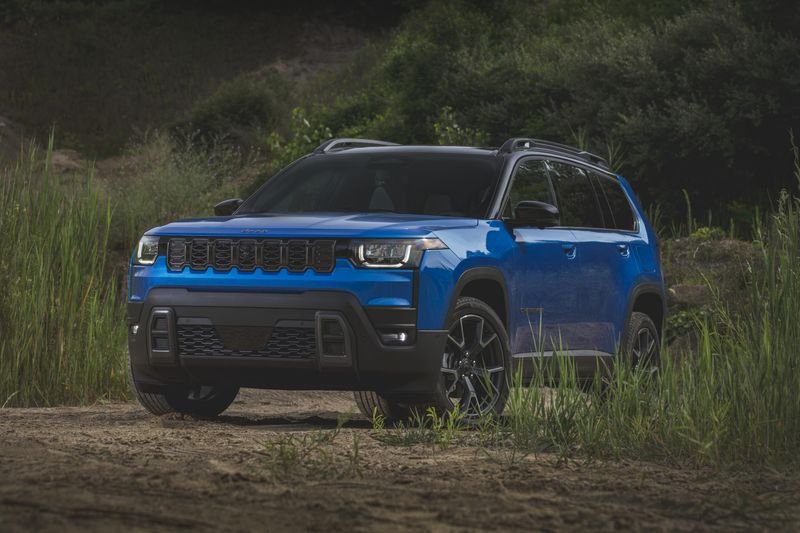
Changing the wheel stud pattern on your 2000 Jeep XJ is a project that can open new possibilities for wheels and off-road upgrades. Many Jeep owners consider this swap when they want stronger axles, bigger brakes, or simply more wheel options.
However, the process is not as simple as just buying new wheels. It requires careful planning, the right parts, and attention to detail to ensure safety and performance.
This guide walks you through everything you need to know, from why you might want to change the stud pattern to the detailed steps involved.
Why Change The Wheel Stud Pattern?
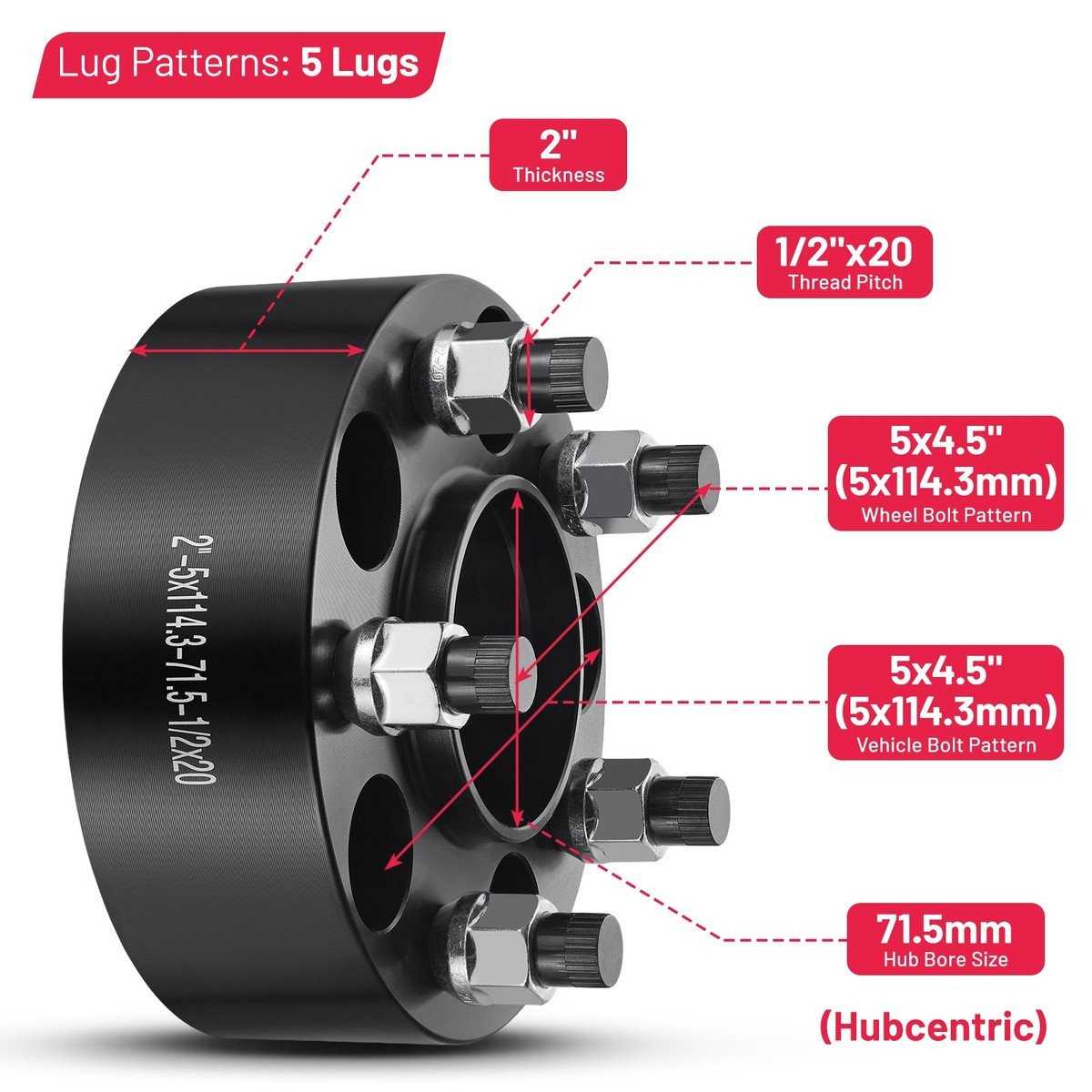
The stock 2000 Jeep XJ (Cherokee) uses a 5×4.5 inch (5×114.3mm) bolt pattern. This was common for many Jeeps, but it limits your choice of aftermarket wheels—especially if you want to swap axles from other vehicles, upgrade to heavy-duty components, or match wheels with other off-road rigs.
Common reasons for changing the stud pattern include:
- Axle swaps: Many popular axle upgrades (like Ford 8.8 or Chevy axles) use a different pattern, often 5×5 (5x127mm) or 6-lug layouts.
- Wheel selection: Some high-strength or beadlock wheels are only available in different patterns.
- Braking upgrades: Larger brake kits may require a different bolt pattern.
- Matching other vehicles: If you own multiple off-road vehicles, sharing wheel/tire sets can be helpful.
Before starting, decide exactly why you want to change the pattern. This will affect which method you use and which parts you need.
Common Bolt Patterns And Compatibility
Not all bolt patterns are created equal. Here are the most common alternatives Jeep XJ owners consider:
| Bolt Pattern | Size (mm) | Common Vehicles | Notes |
|---|---|---|---|
| 5×4.5 | 5×114.3 | Stock Jeep XJ, Ford Ranger | Factory XJ pattern |
| 5×5 | 5×127 | JK Wrangler, Grand Cherokee | Popular for newer Jeeps |
| 6×5.5 | 6×139.7 | Toyota, Chevy, Nissan trucks | Common for heavy-duty axles |
It’s important to check both diameter and center bore when matching wheels and hubs. Even one millimeter off can cause vibration or unsafe fit.
Methods For Changing The Stud Pattern
There are three main ways to change your Jeep XJ’s wheel stud pattern. Each has pros and cons.
1. Wheel Adapters
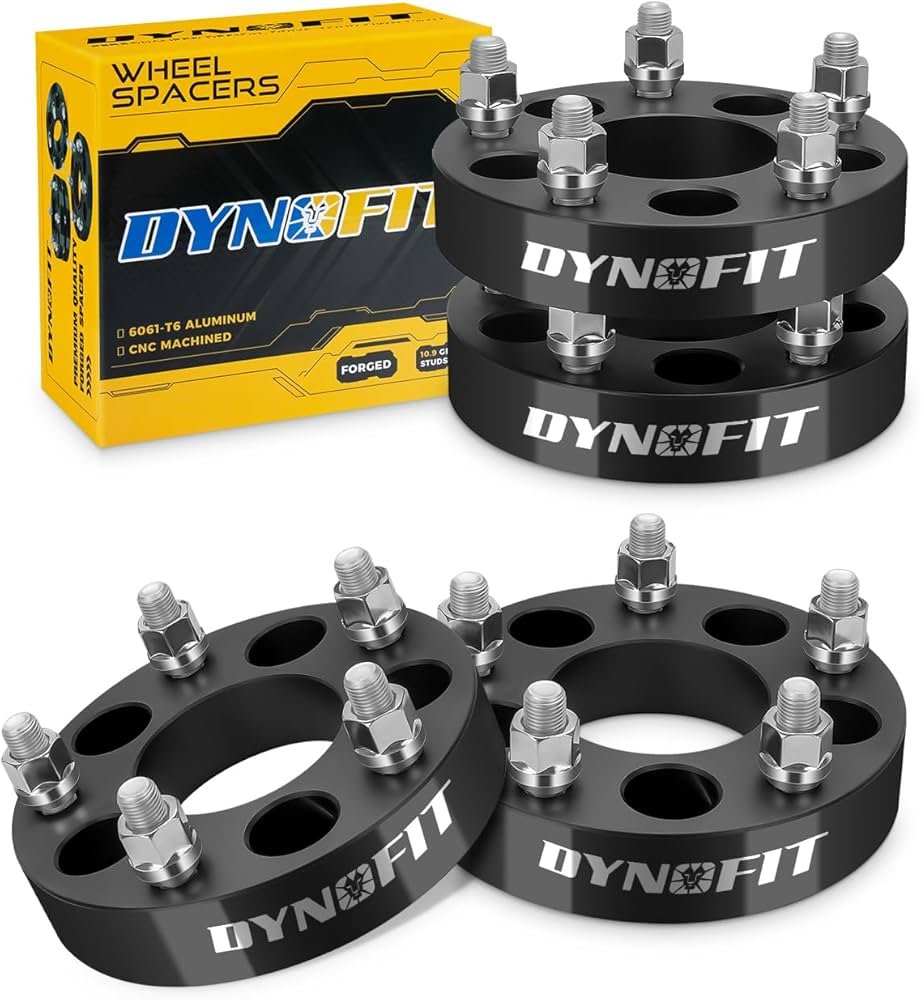
Wheel adapters are bolt-on spacers that change both the bolt pattern and wheel offset. For example, you can bolt a 5×5 wheel onto your 5×4.5 hub using a 1.25” thick adapter.
- Pros: Quick, no need to change axles or hubs. Reversible.
- Cons: Adds width (may cause tire rub), extra failure point if not high quality.
2. Axle And Hub Swaps
Swapping in new axles or hubs from another vehicle with your desired pattern is the strongest and most permanent solution.
- Pros: Most durable, better for off-roading, allows for big brakes and lockers.
- Cons: Expensive, requires fabrication, may need driveshaft and brake changes.
3. Redrilling Hubs And Rotors
Some machine shops can redrill your hubs and rotors to a new pattern. This is only recommended for solid, thick hubs.
- Pros: Keeps factory parts, maintains original track width.
- Cons: Weakens hub if not done perfectly, irreversible.
Step-by-step: Changing Your Stud Pattern
Let’s focus on the axle swap method, which is most common for serious off-roaders and those seeking durability.
Planning And Choosing Parts
Before buying anything:
- Pick your new bolt pattern based on wheels you want and axle compatibility.
- Measure your axle width (track width) to avoid clearance issues.
- Select donor axles. Popular swaps are Ford 8.8 (rear, 5×4.5 or 5×5), Dana 44 (various patterns), or Chevy axles (6-lug).
- Check for matching hubs if keeping stock axles up front.
Tools And Supplies Needed
- Jack and heavy-duty jack stands
- Socket and wrench set
- Pry bars and hammers
- Grinder or cutoff tool (for old brackets)
- Brake line wrenches
- New axle assembly (with correct pattern)
- New wheels (with matching pattern)
- High-strength threadlocker
Optional: Welder (for custom brackets), new brake lines, parking brake cables
Removing Old Axles
- Lift and secure the Jeep on jack stands.
- Remove wheels and tires.
- Disconnect brakes (calipers, lines, rotors/drums).
- Unbolt driveshaft from the axle.
- Detach suspension (leaf springs, control arms, sway bars as needed).
- Slide out old axle. Save hardware if in good shape.
Installing New Axles
- Position new axle under the Jeep.
- Bolt up suspension using new or custom brackets as required.
- Connect driveshaft (may need length adjustment or new yoke).
- Install brakes (you may need to swap to matching rotors/calipers).
- Reconnect lines and cables (modify as needed).
- Install wheels with new pattern and torque lug nuts to spec.
Front Axle Considerations
If swapping only the rear axle, you’ll have two different patterns—not recommended. For full conversion, swap or redrill the front hubs to match. Some use JK Dana 30/44 front axles for 5×5 pattern, but this may require swapping steering components and custom driveshafts.
Checking Fitment And Safety
After installation:
- Spin wheels by hand to check for rubbing.
- Inspect brake operation.
- Test drive at low speed, then re-torque all nuts.
- After 100 miles, check torque again.
Comparison: Adapter Vs. Axle Swap
Here’s a quick look at the differences:
| Method | Cost | Strength | Time | Reversible? |
|---|---|---|---|---|
| Wheel Adapters | Low ($100-300) | Medium | 1-2 hours | Yes |
| Axle Swap | High ($800+) | High | 1-2 days | No |
| Redrilling | Medium ($150-400) | Low-Med | 1 day | No |
Non-obvious Insights
Many Jeep owners don’t realize that ABS sensors and speedometer gears can be affected by axle swaps. If your new axle uses a different ring gear or tone ring, you may need to recalibrate your speedometer or ABS system. Also, always check wheel backspacing and hub-centric rings. Many aftermarket wheels are not hub-centric, which can cause vibration unless corrected.
Another detail: if you change to a pattern that is not common (like 5×5.5), finding a spare wheel in remote areas can be difficult. Plan your wheel/tire package with future service in mind.
Practical Tips For A Smooth Swap
- Label all hardware as you remove it.
- Test-fit everything before tightening.
- Keep old axles if you might want to return to stock.
- Use quality adapters if you go that route—cheap spacers can fail and cause accidents.
- Check local laws: Some states have rules about wheel adapters and modified axles.
Cost Breakdown Example
A typical axle swap for bolt pattern change might look like this:
- Used Ford 8.8 axle: $350
- New perches/brackets: $90
- Welding labor: $150
- Brake cables/lines: $75
- Used wheels: $300
- Misc supplies (fluid, paint): $60
Total: Around $1,025 (not including your time/tools).
Adapters are usually $120-$300 for a set of four. Redrilling is less common but often costs $200-$400 at a machine shop.
After The Swap: Alignment And Inspection
Once your new axles or adapters are installed, get a professional alignment. Even small changes in axle position can affect steering. After a few drives, inspect for leaks, loose bolts, or odd noises.
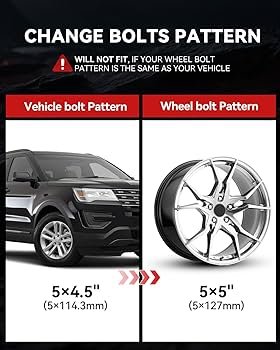
If you swapped to a pattern used by newer Jeeps (like 5×5), you’ll have more choices for OEM and aftermarket wheels. Double-check that your lug nuts match the wheel seat type (conical, mag, or flat).
For more background on bolt patterns and Jeep axle swaps, see the Wikipedia: Wheel Stud Pattern page.
Frequently Asked Questions
Can I Use Wheel Spacers Instead Of Adapters?
Wheel spacers only change wheel offset, not the bolt pattern. Adapters are required to change the pattern itself.
Will Changing The Stud Pattern Affect My Insurance?
In some cases, yes. Major modifications like axle swaps can affect vehicle insurance and may require inspection or approval. Check with your provider before starting.
Do I Need To Change Both Front And Rear Axles?
For safety and simplicity, it’s best to have matching bolt patterns front and rear. Otherwise, you’ll need two different spares and may confuse tire shops.
What If My Abs Or Speedometer Stops Working?
If your new axle uses a different tone ring or gear, you may need to recalibrate your speedometer or adjust ABS sensors. Some aftermarket solutions or reprogramming tools can help.
How Can I Identify My Current Bolt Pattern?
Remove a wheel and measure from the center of one lug to the farthest lug, then count the lugs. The 2000 Jeep XJ should be 5×4.5 inches from the factory.
Changing the wheel stud pattern on your 2000 Jeep XJ opens up a world of possibilities but it’s a project that requires research, patience, and the right parts.
By planning carefully and following the steps above, you can enjoy more wheel choices and stronger axles for years to come.