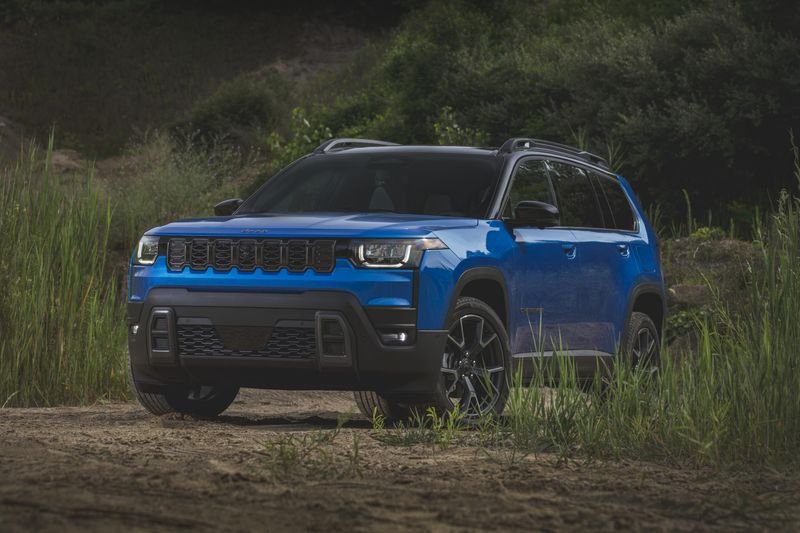
Changing out motors on a Power Wheel Jeep is one of the best upgrades for boosting speed, power, and fun. Most stock Power Wheels run at 2-5 mph, but with stronger motors, kids can enjoy a faster ride and longer playtime. If your Jeep feels slow, struggles on grass, or can’t carry heavier kids, a motor swap is a smart move. It’s also a great way to extend the life of a toy that might otherwise be forgotten. This guide walks you through the process step-by-step, explains what you need, and highlights common mistakes to avoid.
Why Swap Power Wheel Jeep Motors?
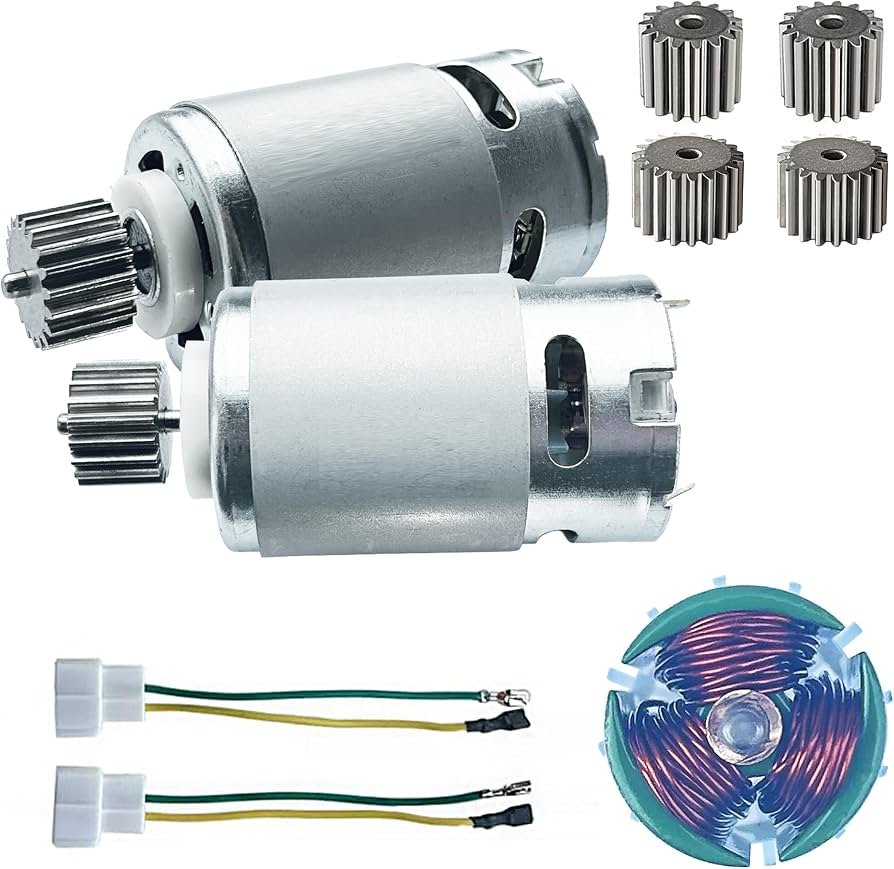
Upgrading the motors improves both performance and reliability. Standard Power Wheels motors are usually 550-size with limited torque. By replacing them, you can:
- Increase speed (up to 50% faster)
- Improve climbing ability on rough terrain
- Handle heavier loads without overheating
Some parents worry about safety, but with basic precautions, most upgrades are safe. Always supervise young riders after a motor swap, as the Jeep will handle differently.
Choosing The Right Replacement Motors
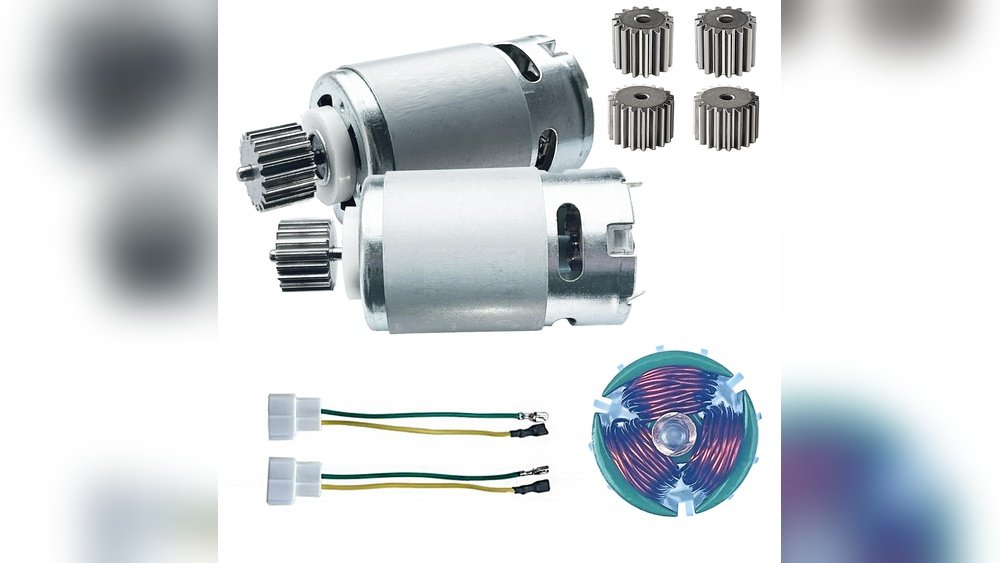
Not every motor fits every Power Wheel Jeep. You need to pick motors with the correct size and voltage.
| Motor Size | Voltage | Max Speed | Recommended Age |
|---|---|---|---|
| 550 | 12V | 5 mph | 3-7 years |
| 775 | 12V | 7 mph | 6-10 years |
| 775 | 18V | 9 mph | 8-12 years |
Non-obvious insight: Upgrading to a 775-size motor can double torque, but you must check if your Jeep’s gearbox can handle extra stress. Many beginners forget this and end up with broken gears.
Tools And Materials You Need
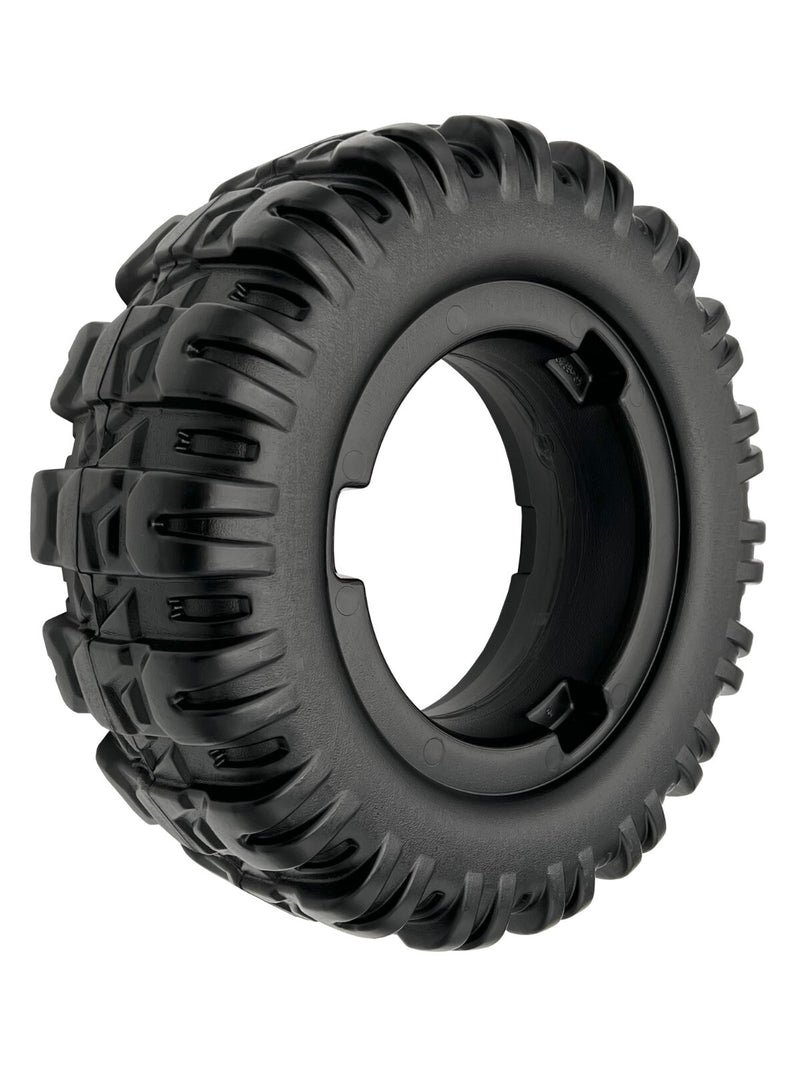
Before starting, gather these items:
- Replacement motors (matched to your Jeep’s specs)
- Screwdrivers (Phillips and flathead)
- Soldering iron or wire connectors
- Electrical tape or heat shrink tubing
- Wrench or pliers
- Safety goggles and gloves
It’s helpful to have a motor upgrade kit, which includes motors, connectors, and instructions.
Step-by-step Motor Swap Process
Follow these steps to change out motors efficiently.
1. Remove Wheels And Gearbox Covers
Turn off the Jeep and disconnect the battery. Remove the wheels using a screwdriver or wrench.
Take off the gearbox covers carefully don’t force them.
2. Disconnect Old Motors
Inside the gearbox, locate the existing motors. Mark the wires so you can reconnect them correctly later.
Disconnect wires with a soldering iron or by pulling out connectors.
3. Install New Motors
Place the new motors in the same spot. If upgrading to a larger motor, check for fit.
Sometimes you need to trim plastic inside the gearbox. Secure motors tightly to avoid vibration.
4. Connect Wires
Reconnect wires as marked. Use solder or strong wire connectors.
Insulate with electrical tape or heat shrink tubing. Double-check connections to prevent shorts.
5. Test Before Reassembly
Reconnect the battery and test the motors. If they spin the wrong way, swap the wires.
Run for 30 seconds and listen for odd noises.
6. Reassemble Gearbox And Wheels
Once motors are running smoothly, close the gearbox and reinstall wheels. Make sure everything is tight and secure.
7. Final Safety Check
Check for exposed wires and loose parts. Always do a test drive with adult supervision.
Practical tip: Test the Jeep indoors or on a flat surface first. Upgraded motors may surprise you with their speed.
Comparing Stock Vs Upgraded Motor Performance
To understand the impact, see the data below:
| Motor Type | Average Speed | Climbing Ability | Battery Life |
|---|---|---|---|
| Stock 550 | 4 mph | Low | ~1 hour |
| Upgraded 775 | 7 mph | Medium | ~40 min |
| 775 (18V) | 9 mph | High | ~30 min |
Non-obvious insight: Battery life often drops when upgrading motors. Consider a higher capacity battery to offset this. Some parents overlook battery upgrades, causing frustration when playtime is cut short.
Common Mistakes To Avoid
Many beginners make errors that can damage the Jeep or reduce performance. Here are the top mistakes:
- Choosing motors that don’t fit the gearbox.
- Failing to upgrade wiring or battery with high-power motors.
- Forgetting to mark wires before disconnecting old motors.
- Rushing the installation and skipping safety checks.
Always check compatibility and follow instructions carefully.
Maintenance After Motor Swap
Upgraded motors put more stress on other parts. Regular maintenance is important:
- Check gearboxes monthly for wear
- Inspect wires for heat damage
- Recharge batteries properly
- Clean wheels and axles to avoid friction
If you notice strange noises or loss of power, stop use and inspect immediately.
Extra Tips For A Successful Upgrade
- Use heat-resistant wiring for stronger motors.
- Consider adding a fuse to prevent battery damage.
- Upgrade the battery for longer playtime, but ensure it fits safely.
If you need detailed specs, you can find more information at Wikipedia.
Frequently Asked Questions
What Motor Size Should I Use For My Power Wheel Jeep?
Most Power Wheel Jeeps use 550-size motors. For more power, use 775-size motors, but check if your gearbox can handle the upgrade.
Will Upgrading The Motor Damage My Battery?
If the new motor draws more current, your battery may wear out faster. Upgrade to a higher-capacity battery for best results.
Do I Need To Upgrade Wiring When Changing Motors?
Yes, stronger motors can overheat old wires. Use thicker, heat-resistant wires and check connections carefully.
Can I Increase Speed Without Changing The Motor?
Sometimes, you can boost speed by upgrading the battery voltage. However, this also puts stress on motors and gearboxes.
Is It Safe For Kids After A Motor Upgrade?
With proper installation and supervision, upgraded Power Wheels are safe. Test the Jeep and watch your child closely after any change.
Swapping motors on your Power Wheel Jeep is a rewarding project that can make your child’s ride more exciting. With careful planning, the right parts, and regular maintenance, your upgraded Jeep will deliver hours of safe, fast fun.