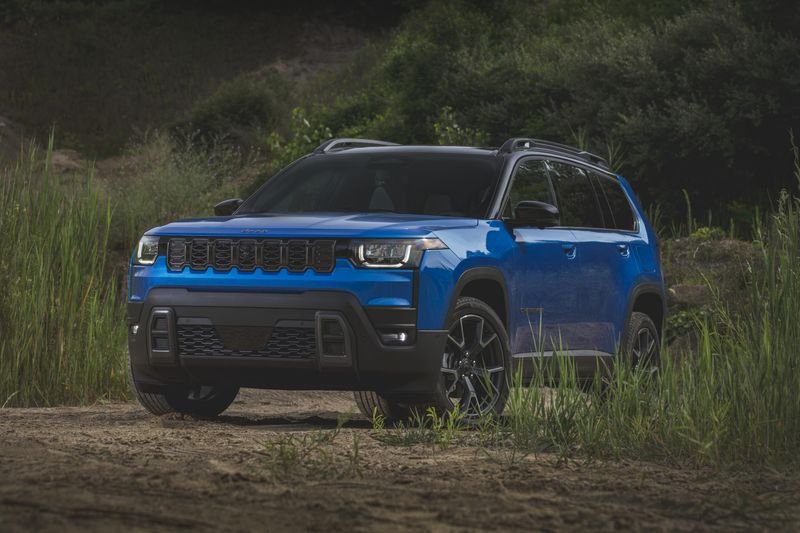
Changing out the wheel bearing on a 2005 Jeep Grand Cherokee 5. 7 is a task that can make a big difference in how your vehicle drives.
A faulty wheel bearing doesn’t just make noise—it can also affect your safety and the life of other suspension parts. If you’ve noticed a humming noise, uneven tire wear, or a shaky steering wheel, it may be time to tackle this repair.
With some tools, patience, and a clear plan, you can take this job on yourself and restore your Jeep’s smooth ride.
Why Wheel Bearings Matter
Wheel bearings help your wheels spin freely and keep them attached to the vehicle. Over time, they face stress from rough roads, water, and heat. A failing bearing can make a rumbling noise that gets louder as you go faster. In some cases, you may even feel the wheel wobble. Replacing a bad wheel bearing early helps prevent further damage to the hub, axle, and brakes.
Signs Your Wheel Bearing Needs Replacement
Before you start, make sure your wheel bearing is truly the problem. The most common signs include:
- Growling or humming noise that changes with speed
- Steering wheel vibration at certain speeds
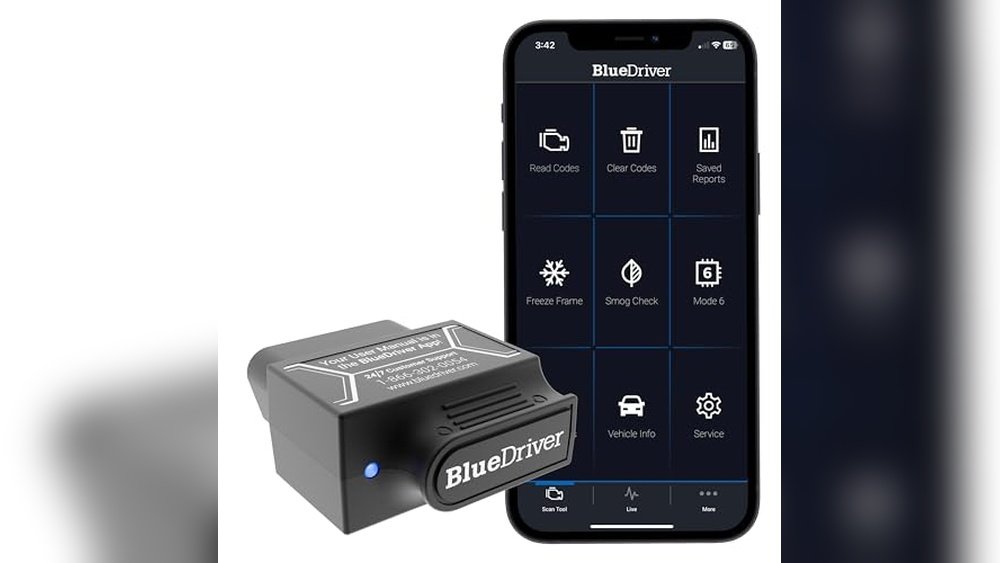
- ABS light turning on
- Uneven tire wear
- Wheel play—the wheel feels loose when you shake it
Other problems, like bad tires or brakes, can cause similar symptoms. It’s smart to check for play in the wheel with the Jeep lifted.
Tools And Parts Needed
Gather these items before you begin:
- New wheel bearing and hub assembly (for 2005 Jeep Grand Cherokee 5.7)
- Socket set (metric and standard)
- Torque wrench
- Breaker bar
- Screwdrivers
- Hammer and punch
- Jack and jack stands
- Lug wrench
- Penetrating oil
- Pry bar
- Large socket (for axle nut, usually 32mm or 36mm)
- Bungee cord or rope (to hang brake caliper)
Having all tools ready saves time and reduces frustration.
Preparing Your Jeep
Start by parking on a flat surface and engaging the parking brake. Loosen the lug nuts on the wheel you plan to work on but don’t remove them yet. Use a jack to lift the Jeep and secure it with jack stands. Never trust just a jack. Remove the wheel and place it under the vehicle as an extra safety step.
Step-by-step Bearing Replacement
1. Remove The Brake Caliper And Rotor
Use a socket to remove the bolts holding the brake caliper. Carefully pull the caliper off the rotor and hang it with a bungee cord or rope—don’t let it dangle by the brake hose. Slide off the brake rotor. If it’s stuck, a light tap with a hammer can help.
2. Take Off The Axle Nut
The axle nut holds the hub in place. Use a breaker bar with the correct socket (usually 32mm or 36mm) to loosen and remove it.
This nut is very tight, so you may need some muscle.
3. Remove The Hub Assembly Bolts
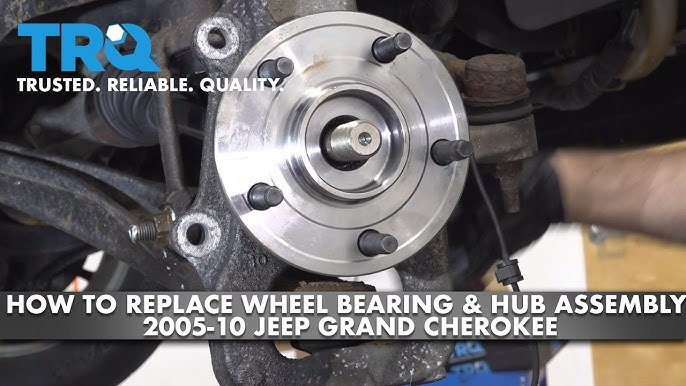
The wheel bearing and hub are held by three or four large bolts on the back side of the assembly. Spray penetrating oil on these bolts to help them come loose.
Use a socket and extension to remove them.
4. Detach The Wheel Hub And Bearing Assembly
The hub may be stuck from rust. Gently tap around the hub with a hammer or use a pry bar.
Be patient forcing it can damage other parts. Once loose, pull the hub and bearing out.
5. Clean The Knuckle
Before installing the new bearing, clean the surface of the steering knuckle. Remove any rust or debris. This helps the new bearing fit well and prevents future problems.
6. Install The New Bearing And Hub
Align the new bearing and hub assembly with the holes. Insert and hand-tighten the bolts to hold it in place.
Tighten each bolt evenly, following the proper torque (usually around 100 ft-lbs; check your service manual for the exact number).
7. Reassemble The Brakes And Wheel
Reinstall the axle nut and tighten it to the correct torque spec. Slide the rotor back on, then mount the brake caliper.
Make sure all bolts are tight. Reinstall the wheel, hand-tighten the lug nuts, lower the Jeep, and torque the lug nuts in a star pattern.
Comparing Oem Vs Aftermarket Wheel Bearings
Choosing the right replacement part is important. Here’s a quick comparison between OEM (original equipment manufacturer) and aftermarket bearings:
| Feature | OEM Bearing | Aftermarket Bearing |
|---|---|---|
| Quality | Consistent, high | Varies by brand |
| Price | More expensive | Usually cheaper |
| Warranty | Strong, dealer-backed | Varies |
| Fitment | Guaranteed | Check before buying |
For most drivers, a quality aftermarket bearing is a good choice, but avoid unknown brands.
Torque Specs And Their Importance
Torque specs ensure parts are tight enough to stay in place but not so tight that they get damaged. Here are common torque values for this job:
| Component | Torque (ft-lbs) |
|---|---|
| Axle Nut | 129 |
| Hub Bolts | 100 |
| Brake Caliper Bolts | 24 |
Always use a torque wrench for these steps. Overtightening can stretch or break bolts, while undertightening is unsafe.
Common Mistakes To Avoid
- Skipping rust removal: Failing to clean the knuckle can keep the new bearing from seating properly.
- Not using a torque wrench: Guessing on bolt tightness risks part failure.
- Letting the caliper hang: This can damage the brake hose and lead to leaks.
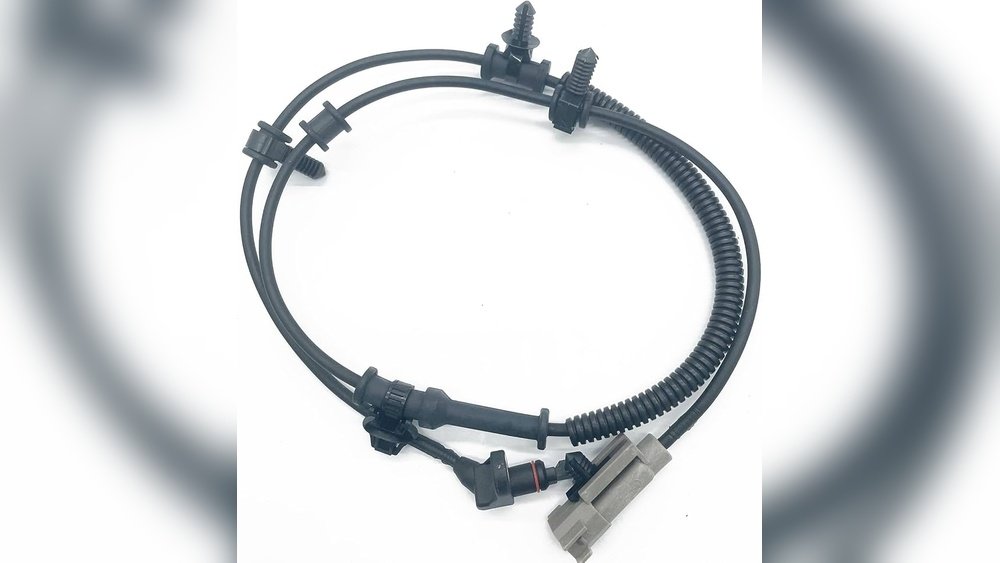
- Ignoring ABS sensors: The 2005 Grand Cherokee often has ABS sensors in the hub. Make sure you reconnect or transfer them if needed.
- Reusing old hardware: Always use new axle nuts and check bolts for wear.
Two Insights Beginners Often Miss
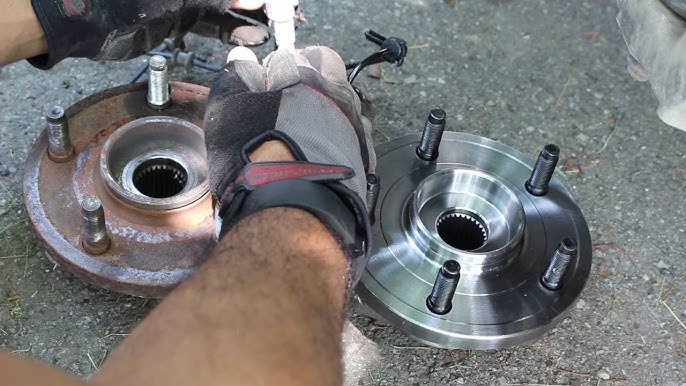
First, the hub assembly on this Jeep is a sealed unit. That means you can’t just replace the bearing itself—you must swap the whole hub assembly. Trying to press out the bearing risks damaging the new part or the knuckle.
Second, temperature matters. Working on a cold vehicle is easier because metal parts shrink slightly and are less likely to stick.
If you just drove your Jeep, let it cool before starting.
Test Drive And Final Checks
After putting everything back together, press the brake pedal a few times to seat the caliper. Take a slow test drive, listening for any odd noises. Stop and recheck the lug nut torque after a few miles. If you hear grinding or feel vibration, stop and double-check your work.
When To Call A Professional
While many Jeep owners can handle this job with patience and basic tools, there are times when it’s best to get help:
- If you’re unsure about any step
- If rust or damage makes parts hard to remove
- If you don’t have the right tools (especially a torque wrench)
Mechanics have experience and special tools to handle stubborn jobs safely and quickly.
Maintenance Tips For Longer Bearing Life
Here are simple ways to keep your new bearing in good shape:
- Avoid deep water and mud when possible
- Don’t overload your Jeep
- Rotate tires and check alignment regularly
- Listen for new noises and address them early
Wheel bearings are sealed and don’t need extra grease. Just drive smart and check for problems during routine maintenance.
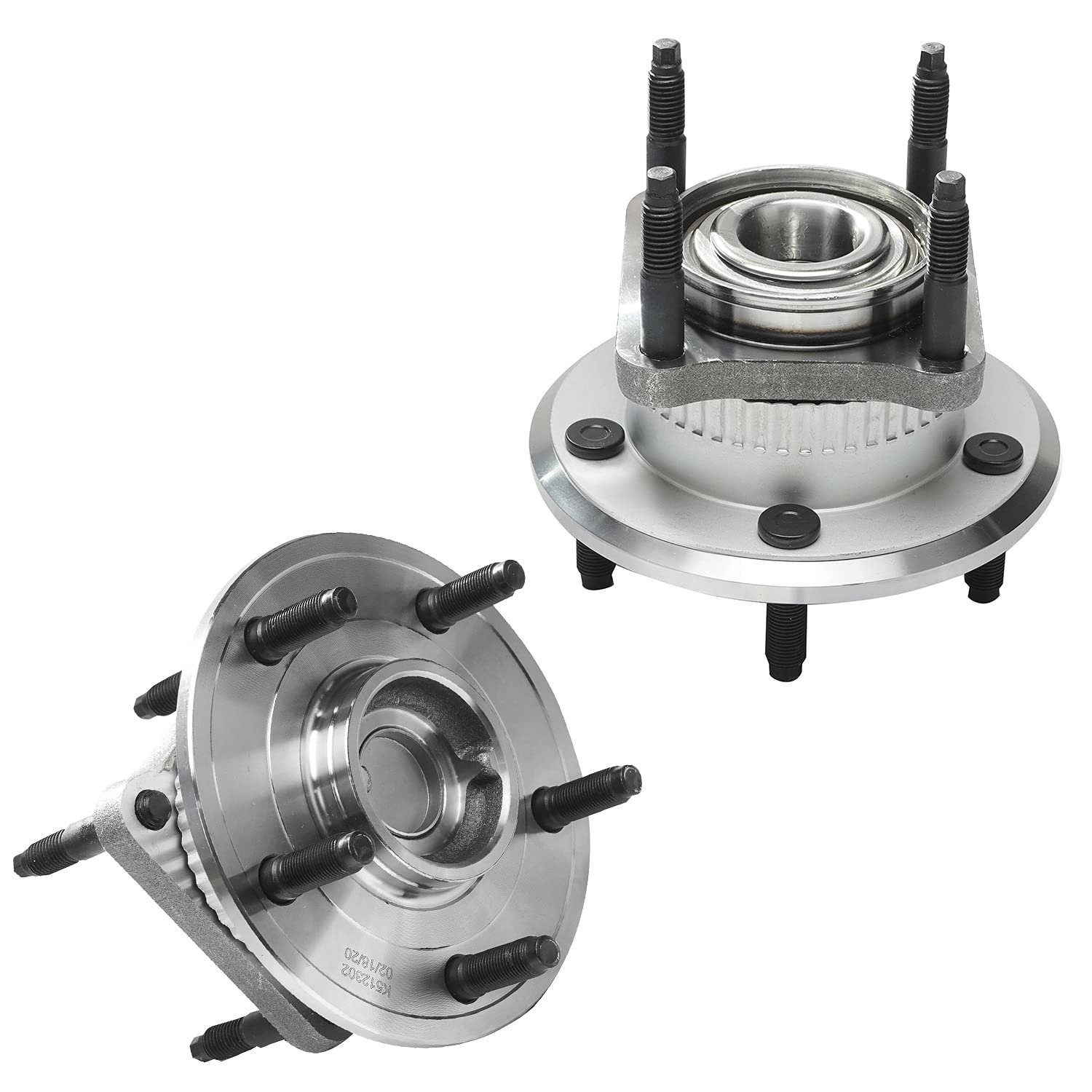
Example: Real-world Jeep Owner Experience
A Jeep owner noticed a low rumble at highway speeds. After confirming the front right bearing was bad, he followed the steps above.
The new bearing fixed the noise, and he noticed smoother handling right away. He used a quality aftermarket hub, saving $75 compared to the dealer price, and reported no issues a year later.
Cost Breakdown: Diy Vs Professional
Here’s a quick look at typical costs:
| Option | Parts Cost | Labor Cost | Total |
|---|---|---|---|
| DIY | $75–$150 | $0 | $75–$150 |
| Mechanic | $100–$200 | $150–$250 | $250–$450 |
Doing the work yourself can save a lot, but only if you’re comfortable with the tools and steps.
Where To Find Quality Parts
You can buy wheel bearings at auto parts stores, online retailers, or Jeep dealerships. Always check reviews and confirm the part fits your exact Jeep model. For more information on wheel bearings, visit the Wikipedia Wheel Bearing Page.
Frequently Asked Questions
How Long Does It Take To Change A Wheel Bearing On A 2005 Jeep Grand Cherokee 5.7?
Most DIYers need about 2–3 hours per wheel, depending on rust and experience. A shop can usually do the job in about an hour with the right tools.
Can I Drive With A Bad Wheel Bearing?
Driving with a bad bearing is risky. It can cause the wheel to lock up, damage other parts, or even lead to a crash. Replace it as soon as possible.
Do I Need Any Special Tools For This Repair?
A torque wrench and large axle nut socket are needed. Otherwise, regular hand tools and a jack are enough. Penetrating oil helps with rusted bolts.
Should I Replace Both Wheel Bearings At The Same Time?
It’s not required, but many choose to replace both front or both rear bearings together, especially if one has failed. This can prevent future problems and save labor time.
How Do I Know If My Installation Was Successful?
After installation, there should be no noise, vibration, or ABS light. If you notice any issues, double-check your work and torque specs before driving further.
Replacing the wheel bearing on your 2005 Jeep Grand Cherokee 5.7 restores smooth, safe driving. By following these steps, you save money and learn more about your vehicle. If you ever feel unsure, remember: safety comes first, and professional help is always available.