If you own a Jeep, you know how much fun it is to take it off-road, drive through muddy trails, or just show off its unique design. But what if you want to change the look of your Jeep without spending a fortune on paint?
Many people wonder: Can you wrap Jeep fenders? The answer is yes, and it opens up a world of possibilities for customization, protection, and style.
Let’s dive into what it really takes to wrap your Jeep fenders, what you should consider, and how to get the best results.

Why Wrap Jeep Fenders?
Jeep fenders are exposed parts. They face rocks, dirt, salt, and road debris. Over time, the paint can chip or fade. Wrapping fenders offers more than just a new look:
- Protection: Vinyl wraps shield the surface from scratches, UV rays, and minor dents.
- Cost-effective style: A wrap is often cheaper than a professional paint job.
- Easy to change: You can remove or switch out wraps when you want a new color or design.
- Resale value: Keeping the factory paint safe under a wrap can help your Jeep keep its value.
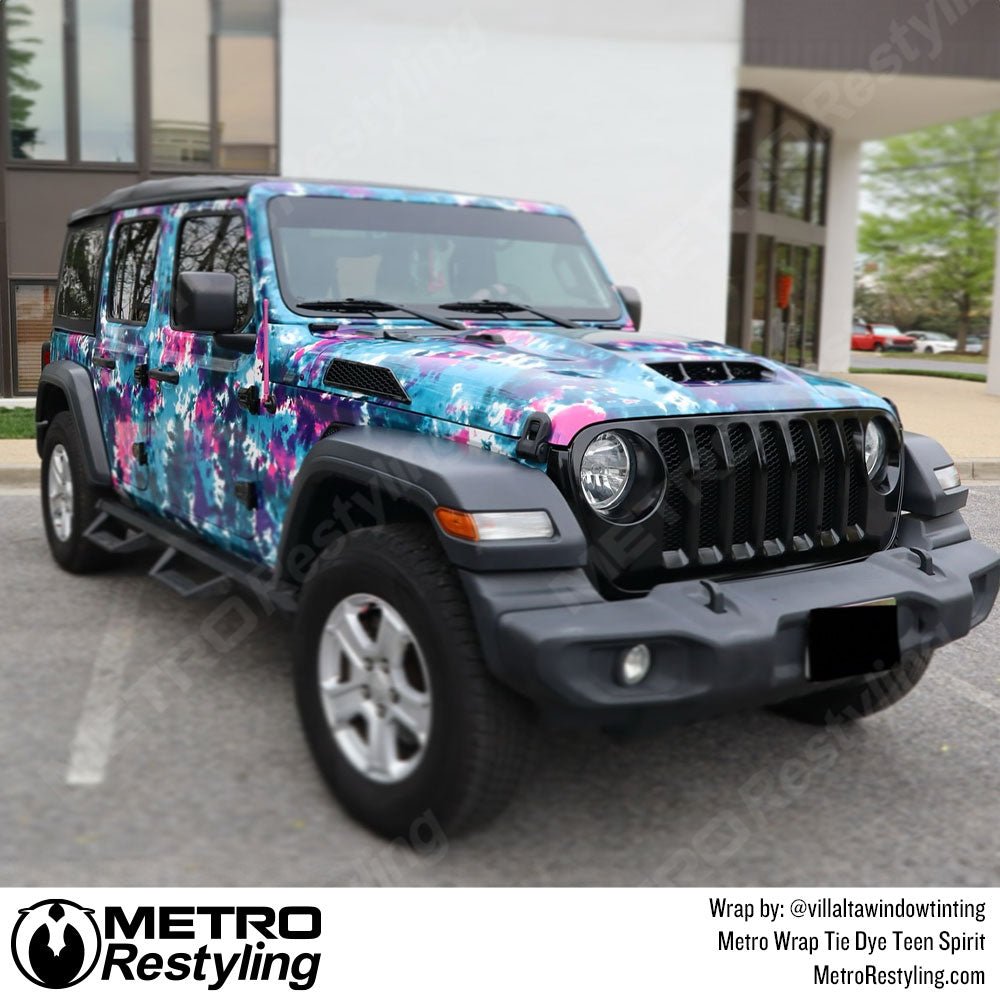
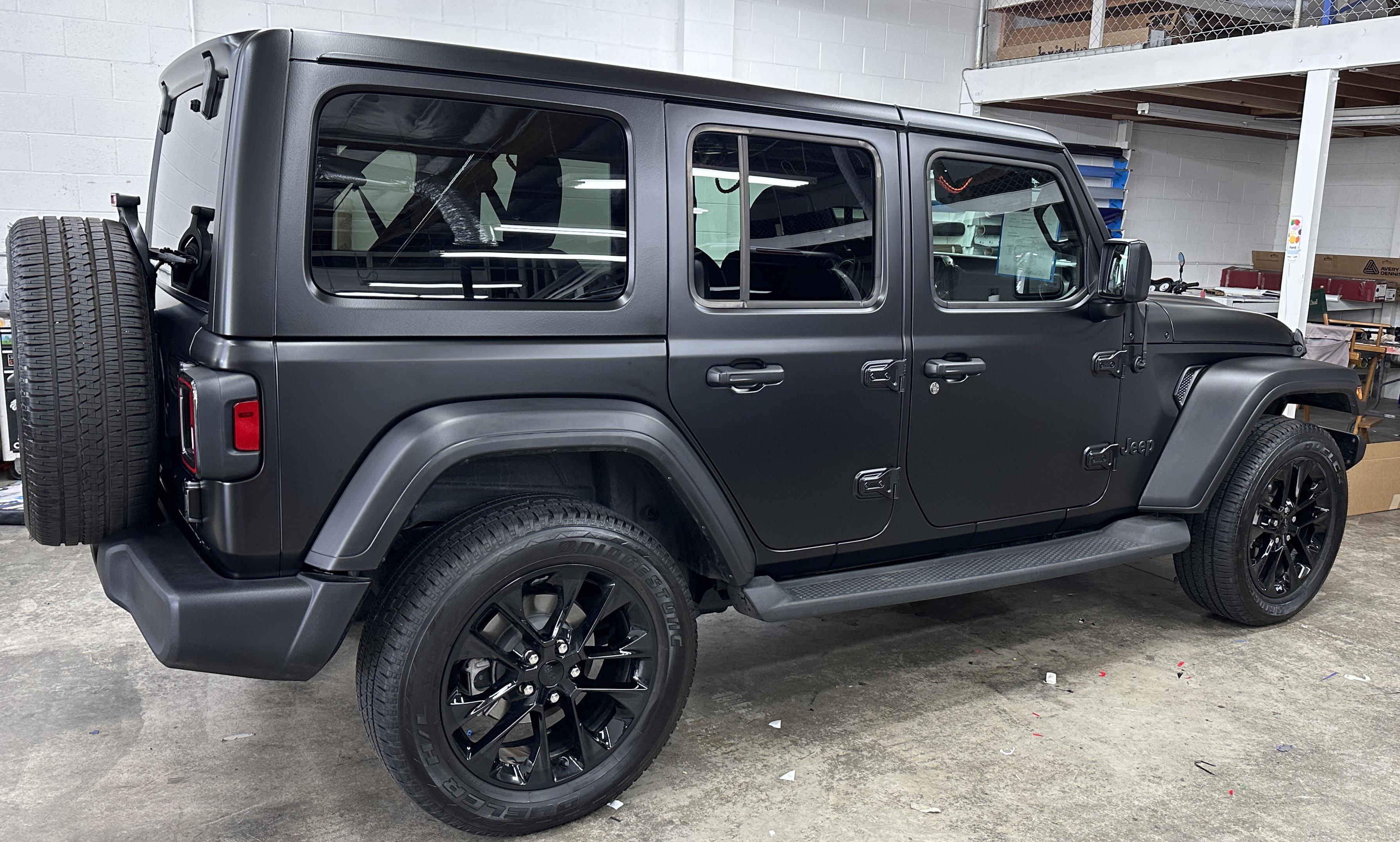
Many Jeep owners use wraps to add camo, matte black, or bold color accents to their fenders. Some even use wraps to match their fenders to other custom parts.
Can All Jeep Fenders Be Wrapped?
Not every Jeep fender is the same. Some are metal, others are plastic, and some are textured. Here’s how the different types react to wrapping:
| Fender Type | Material | Wrap Compatibility | Notes |
|---|---|---|---|
| Stock (OEM) | Painted metal/plastic | Good | Smooth surfaces are easiest |
| Aftermarket (Flat) | Powder-coated steel | Good | Clean, smooth surface needed |
| Aftermarket (Textured) | ABS plastic | Challenging | Texture can prevent adhesion |
Smooth, painted fenders are perfect for wrapping. Textured plastic is much harder—vinyl may not stick well or could peel easily. If your Jeep has textured fender flares, you might need special prep or may want to skip wrapping those areas.
How Does The Wrapping Process Work?
Wrapping fenders is not the same as wrapping a flat car hood or door. Fenders have curves, corners, and sometimes bolt heads. Here’s a basic overview:
- Clean the fenders: Remove all dirt, wax, and grease. Even a small bit of oil can stop a wrap from sticking.
- Remove fenders if possible: This helps you wrap the edges for a clean look.
- Heat and stretch the vinyl: Use a heat gun to help the wrap flex around curves.
- Tuck and trim: Carefully tuck the edges behind the fender and trim with a sharp blade.
- Press out bubbles: Use a squeegee to push out air pockets.
Expect a skilled installer to spend 1–2 hours per fender. If you do it yourself, allow extra time. The most common beginner mistake is not cleaning well enough—which causes the vinyl to peel later.
Vinyl Wrap Vs Paint: What’s Better For Fenders?
Both wrapping and painting have pros and cons. Here’s a side-by-side look to help you decide:
| Feature | Vinyl Wrap | Paint |
|---|---|---|
| Cost | Lower (typically $250–$500 for all fenders) | Higher ($500–$1200 for pro job) |
| Durability | 3–7 years | 7–10+ years |
| Design Options | Wide variety (camo, gloss, matte, etc.) | Mostly solid colors, custom paint costs more |
| Reversibility | Easy to remove | Permanent |
| Protection | Shields paint underneath | Paint is exposed |
If you like to change up your look often or want to protect your factory paint, a vinyl wrap is usually the best option for Jeep fenders.
Choosing The Right Vinyl Wrap For Jeep Fenders
Not all wraps are equal. Some are thicker, some are more flexible, and some are made for textured surfaces. When picking a wrap for your Jeep:
- Thickness matters: Thicker vinyl (3–4 mils) is more durable and hides small flaws.
- Brand reputation: 3M, Avery Dennison, and Oracal are trusted brands.
- Finish: Matte, satin, gloss, and textured finishes are available.
- Adhesive strength: Look for wraps with strong, repositionable adhesive for easier installation.
Some wraps are designed for “cast vinyl” applications—these are more flexible and last longer, especially on curved fenders.
Professional Installation Vs Diy Wrapping
Should you wrap your fenders yourself? Or hire a pro? Here’s what to consider:
Diy Wrapping
- Saves money: You only pay for materials (about $100–$200 for all fenders).
- Takes patience: Expect to spend a weekend if you’re new.
- Learning curve: Practice on a small area first.
- Common mistakes: Wrinkles, bubbles, or poor edge sealing.
Professional Wrapping
- Flawless finish: Pros know how to stretch and tuck wraps perfectly.
- Warranty: Many shops offer a guarantee.
- Faster results: Usually done in a day.
- Higher cost: Labor can double the total price.
If you want a factory-quality look, it’s smart to pay a pro. For older Jeeps or off-road-only rigs, DIY is a fun weekend project.
Special Considerations: Textured And Aftermarket Fenders
Many Jeep owners install aftermarket fenders for off-road use. These are often made of textured ABS plastic or powder-coated steel. Wrapping these can be tricky:
- Textured plastic: Most vinyl wraps won’t stick well. Some owners sand the texture smooth, but this is time-consuming and permanent.
- Powder-coated metal: Needs to be clean and free of rust. Vinyl sticks best to smooth finishes.
- Edges and bolts: Wrap can lift around sharp corners or bolt heads. Use extra heat and pressure here.
Some companies sell “wrap kits” made for Jeeps, but always check if they’re compatible with your fender type.
How Long Does A Fender Wrap Last?
Quality vinyl wraps last 3 to 7 years on Jeep fenders, depending on the brand, climate, and care. Factors that shorten wrap life include:
- Heavy off-roading: Rocks and branches can scratch or tear vinyl.
- Sun exposure: UV rays fade colors over time, especially in hot states.
- Poor installation: Edges not sealed can let water and dirt under the wrap.
Washing with mild soap, avoiding harsh chemicals, and parking in the shade will keep your wrap looking new longer.
Maintenance Tips For Wrapped Fenders
Maintaining wrapped Jeep fenders is simple but important:
- Hand wash only: Use mild soap and water. Avoid automatic car washes with brushes.
- No wax or polish: These can cloud or damage the wrap.
- Fix damage quickly: If you see a tear or peel, repair it right away to stop it from spreading.
- Avoid pressure washers: High-pressure water can lift the edges.
Most wraps can be patched if damaged, but matching the color or pattern can be tricky.
Removing A Vinyl Wrap From Jeep Fenders
Want to change or remove your wrap? Here’s what to expect:
- Heat the vinyl: Use a heat gun or hair dryer to soften the adhesive.
- Peel slowly: Pull at a 45-degree angle to avoid tearing.
- Clean off residue: Remove any sticky residue with isopropyl alcohol.
If the wrap was installed on good paint, removal is usually clean and easy. But wraps left on for many years or applied over damaged paint may leave marks. Always check your fender’s condition before wrapping.
Real-world Examples And Costs
Let’s look at a few real Jeep owner experiences:
- Sarah (2016 Wrangler): Wrapped all four fenders in matte black for $350. After two years and lots of off-roading, only minor chips at the edges.
- Mike (2026 Gladiator): Tried to wrap textured plastic fenders. Wrap peeled after six months, especially near the wheel well.
- Shawn (2010 Wrangler): Used DIY camo wrap kit for $120. Took two weekends, but now has a unique look and gets lots of compliments.
Prices vary by location, shop, and wrap type. Most professional shops charge $250–$500 for all four fenders. DIY kits are cheaper but require more time and skill.
Common Mistakes To Avoid
Many beginners make errors that can shorten the life of their Jeep fender wraps:
- Skipping cleaning: Even small bits of wax or grease can cause the wrap to lift.
- Using the wrong vinyl: Low-quality or too-thin wraps tear easily and don’t last.
- Not sealing edges: Water and dirt can sneak under, causing bubbles or peeling.
- Ignoring texture: Trying to wrap textured plastic usually leads to failure unless the texture is sanded smooth.
If you’re not sure, ask your installer for advice or test a small patch first.
How To Choose A Professional Installer
If you decide to pay for installation, choose your shop carefully:
- Check reviews: Look for shops with strong local reputations and before/after photos.
- Ask about warranty: Most reputable shops offer 1–3 year warranties on workmanship.
- See the materials: A good shop will show you their vinyl brands and color samples.
- Get a quote: Prices can vary, so get estimates from a few shops.
Some shops specialize in Jeep or off-road vehicles, which can be an advantage for tricky fender shapes.
Is Wrapping Worth It For Jeep Fenders?
Wrapping Jeep fenders is a smart choice if you want to protect your paint, try bold styles, or keep costs lower than a repaint. It’s not always simple—textured fenders and extreme off-roading can be a challenge. But for most Jeep owners, a wrap offers flexibility, style, and protection that paint can’t match.
If you want to see more real-world wrap projects, check forums or visit WranglerForum for photos, tips, and advice.
Frequently Asked Questions
Does Wrapping Jeep Fenders Damage The Original Paint?
No, if the paint is in good condition, wrapping is actually protective. Vinyl shields the paint from sun, scratches, and salt.
But if your paint is already peeling or rusty, the wrap could pull up loose spots during removal.
Can You Wrap Over Textured Jeep Fenders?
It’s possible, but not recommended. Vinyl sticks best to smooth, clean surfaces.
Most wraps will not adhere well to rough or textured plastic. Some people sand smooth first, but this is permanent and takes time.
How Long Does It Take To Wrap Jeep Fenders?
A professional can wrap all four fenders in 2–4 hours. DIYers should allow a full weekend, especially if it’s your first time.
Removing the fenders can make the process easier and faster.
Can I Wash My Jeep With Wrapped Fenders In A Car Wash?
Avoid automatic car washes with brushes, as they can lift the wrap edges. Hand washing with a soft cloth and mild soap is safest. Rinse gently and avoid pressure washers.
How Much Does It Cost To Wrap Jeep Fenders?
Professional shops charge $250–$500 for all four fenders, depending on the vinyl and your location. DIY kits start around $100, but require more time and patience.
Wrapping your Jeep fenders is a practical, flexible way to stand out and protect your ride. With the right materials and care, you’ll enjoy a fresh look for years—without the high cost or commitment of paint.