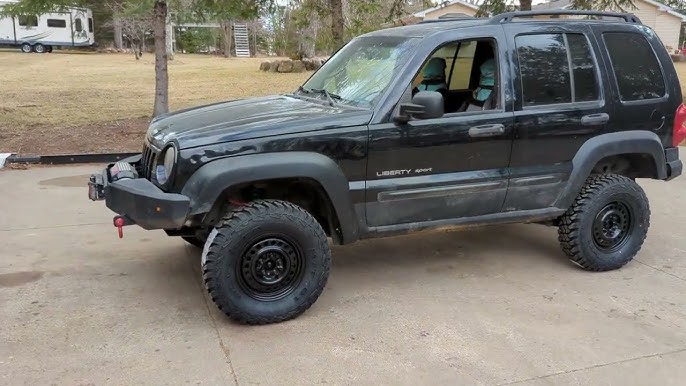
If you own a Jeep Liberty, you might wonder if you can lift it for better off-road performance or a tougher look. Many Jeep owners dream of higher ground clearance, bigger tires, and a more capable vehicle.
But is lifting a Jeep Liberty as simple as buying a kit and installing it? Let’s break down what’s possible, what it costs, and what you should watch out for if you want to lift your Jeep Liberty.
What Does Lifting A Jeep Liberty Mean?
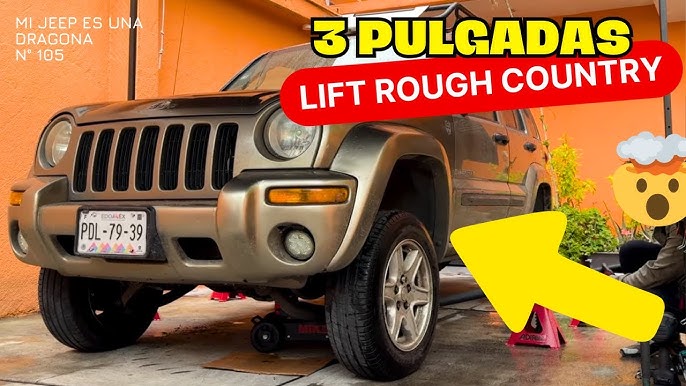
Lifting a Jeep Liberty means raising its body or suspension to make it sit higher from the ground. This can be done with lift kits, which come in different sizes and styles. The goal is usually to fit bigger tires, improve off-road ability, or just change the vehicle’s look.
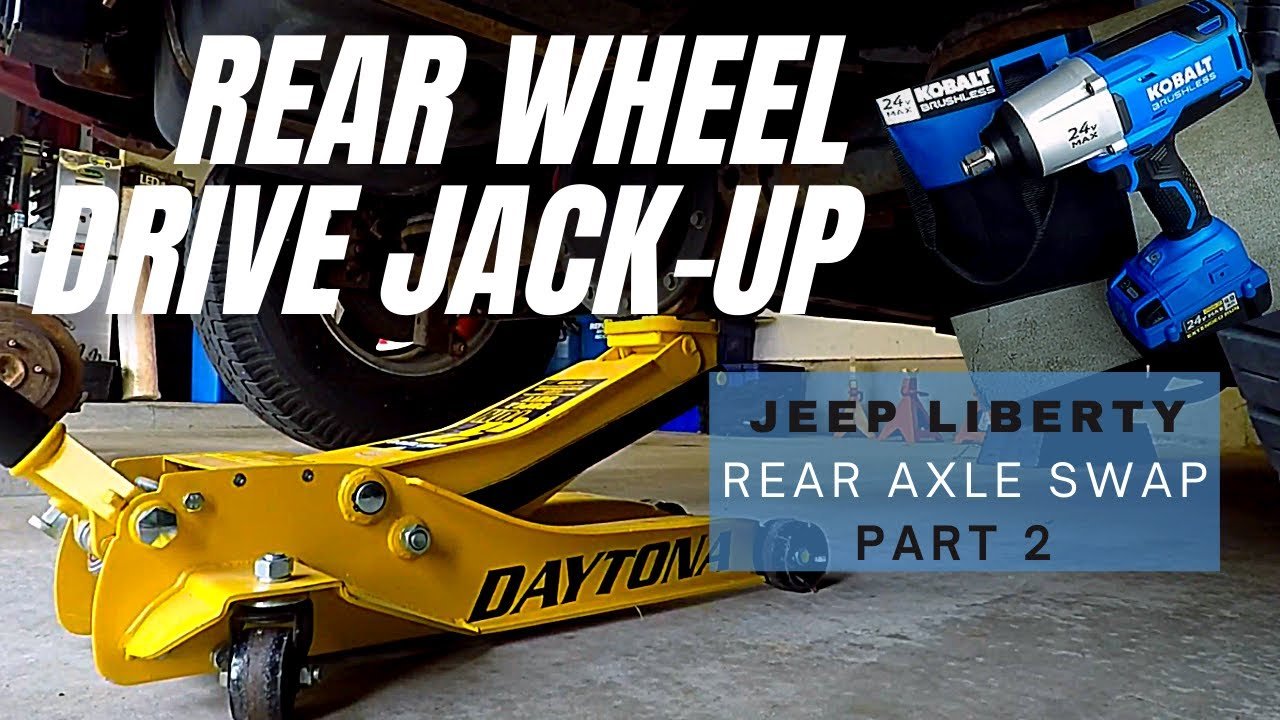
There are two main types of lifts:
- Suspension lift: Raises the entire suspension for more ground clearance and better off-road performance.
- Body lift: Lifts only the body off the frame, mainly for fitting larger tires. It doesn’t improve ground clearance under the frame.
Most Liberty owners choose a suspension lift for real improvement, but each type has pros and cons.
Why Lift A Jeep Liberty?
People lift their Jeep Liberty for several reasons:
- Off-road capability: A lifted Liberty can tackle rougher trails and deeper obstacles.
- Tire clearance: Bigger tires need more space, which a lift provides.
- Style: Many drivers love the aggressive, high-riding look.
- Resale appeal: In some markets, lifted Jeeps can attract more buyers.
But remember, lifting changes how your Liberty handles and may affect comfort on regular roads.
How Much Can You Lift A Jeep Liberty?
The Jeep Liberty, especially the KJ (2002–2007) and KK (2008–2012) models, is not as easy to lift as some other Jeeps. Its independent front suspension limits how high you can safely go.
| Lift Size | Common Tire Size | Pros | Cons |
|---|---|---|---|
| 1.5–2.5 inches | Up to 31″ | Safe, reliable, affordable | Limited gain in clearance |
| 3–4 inches | 31–32″ | Better off-road, more tire options | More stress on parts, higher cost |
| Over 4 inches | 32″ or larger | Maximum ground clearance | Expensive, may need custom work, can cause drivetrain issues |
Most experts recommend staying in the 2-2.5 inch range. It’s safer for daily driving and less likely to damage suspension parts.
What Do You Need To Lift A Jeep Liberty?
A basic suspension lift kit includes:
- New coil springs or spacers
- Longer shocks or struts
- Hardware for installation
Some kits also include control arms or brake line extensions. Prices range from $300 to $1,500 depending on the brand and parts.
Here’s a simple comparison:
| Lift Kit Type | Average Cost | Includes |
|---|---|---|
| Budget Spacer Kit | $300–$500 | Spacers, basic hardware |
| Full Suspension Kit | $600–$1,200 | Springs, shocks, control arms |
| Premium Off-Road Kit | $1,000+ | Heavy-duty parts, extras |
Installation can take 4–8 hours, and many shops charge $500–$1,000 for labor.
Things To Watch Out For
Lifting a Jeep Liberty isn’t risk-free. Some common problems include:
- Worn front suspension: The Liberty’s front end is sensitive to changes. Cheap lifts can cause quick wear.
- Alignment issues: After lifting, your wheels may not point straight. A professional alignment is a must.
- Driveline stress: Large lifts can strain CV joints and driveshafts.
- ABS sensor damage: Sometimes, the wiring for wheel sensors is too short for a lift.
One insight many beginners miss: Lifting your Liberty may void parts of your warranty, and some insurance companies may ask for details about modifications.
Will Lifting Affect Ride And Handling?
Yes. Even a mild lift changes how your Jeep Liberty feels.
The ride may become firmer, and you may notice more body roll in turns. Braking distances can increase, especially with larger tires.
Here’s a simple overview of changes:
| Area Affected | What Changes |
|---|---|
| Handling | Higher center of gravity, more body roll |
| Ride Comfort | Can become stiffer or bouncier |
| Fuel Economy | Slight drop, especially with big tires |
| Braking | Longer stopping distance |
A high-quality kit helps reduce these changes, but there’s always a trade-off.

Legal And Safety Considerations
Lifting your Jeep Liberty must follow local laws. Most US states have rules about bumper height, headlight height, and tire coverage. Check your local DMV website before making big changes.
Safety is also key. Always use quality parts, and have a professional do the installation if you’re unsure. A poorly installed lift can be dangerous.
Extra Tips For A Successful Lift
- Upgrade tires and wheels together: Match new tires to your lift for the best results.
- Check brake lines: Longer lines may be needed for bigger lifts.
- Re-torque bolts: After 500 miles, check all bolts for tightness.
- Consider re-gearing: Large tires can strain your engine and transmission.
Many new owners forget that a lifted Liberty may need new shocks and sway bar links for proper handling.
If you want more details on off-road modifications, the official Jeep Liberty Wikipedia page offers a good overview.
Frequently Asked Questions
How High Can I Safely Lift My Jeep Liberty?
For most drivers, a 2 to 2.5 inch suspension lift is safe and reliable. Going higher may need extra modifications and can cause wear on your suspension.
Can I Install A Lift Kit Myself?
Yes, if you have basic tools and mechanical skills. However, some steps—like compressing springs—can be dangerous. Many owners prefer professional installation.
Will A Lift Kit Void My Warranty?
It can. Some dealerships may refuse warranty work on suspension parts if you have a lift kit installed. Always check with your dealer before lifting.
What Size Tires Fit With A 2.5-inch Lift?
A 2.5-inch lift usually allows up to 31-inch tires without rubbing. Larger tires may need trimming or extra work.
Does Lifting Affect Fuel Economy?
Yes. A lifted Jeep Liberty with bigger tires will generally use more fuel. Expect a drop of 1–3 MPG depending on your driving and tire size.
Lifting a Jeep Liberty is possible and can transform your vehicle. With careful planning, quality parts, and attention to detail, you can enjoy both the look and performance benefits.
Just remember, every modification comes with trade-offs. Take your time, do your research, and enjoy the ride.