Can You Flat Tow A Jeep Wagoneer
Flat towing, also known as “dinghy towing,” is popular with RV owners and off-road enthusiasts. It means pulling a vehicle behind another, usually with all four wheels on the ground.
Many people want to know if the Jeep Wagoneer can be flat towed. The Wagoneer is a large SUV with strong features, but not every SUV is built for this type of towing.
Let’s look at what’s possible, what’s safe, and what you need to know before flat towing a Jeep Wagoneer.

What Is Flat Towing?
Flat towing involves connecting a vehicle to a motorhome or truck with a tow bar. All four wheels stay on the ground while the vehicle is pulled.
This is different from trailer towing, where the vehicle sits on a trailer, and dolly towing, where only two wheels touch the ground.
Flat towing is convenient because it’s quick to set up and allows easy transport of a second vehicle. Many RV travelers use this method to bring a car along for local trips.
However, not every car or SUV can be flat towed safely.
Some vehicles may suffer damage if their wheels turn while the engine is off.
Jeep Wagoneer Flat Towing: Can You Do It?
The answer depends on the model year and drivetrain of your Jeep Wagoneer. The Wagoneer is available in several configurations, including rear-wheel drive (RWD) and four-wheel drive (4WD). Not all versions are designed for flat towing.
Recent Models (2026 And Newer)
The modern Jeep Wagoneer (relaunched in 2026) is a large, luxury SUV. According to Jeep’s official owner’s manual, only certain 4WD models with a neutral transfer case can be flat towed. If your Wagoneer is RWD or lacks a transfer case with a neutral setting, flat towing is not recommended. Doing so can cause severe damage to the transmission and drivetrain.
Here’s a quick comparison:
| Model Year | Drivetrain | Flat Towable? | Required Equipment |
|---|---|---|---|
| 2026+ | 4WD (Neutral Transfer Case) | Yes | Tow bar, base plate, supplemental brake |
| 2026+ | RWD / AWD | No | Trailer or dolly only |
| Pre-2026 | Varies | Check manual | Depends on drivetrain |
Many owners overlook the need for a neutral transfer case. If you miss this step, you risk burning out the transmission or other critical parts. Always check your owner’s manual for exact instructions.
Essential Equipment For Flat Towing
If your Wagoneer is approved for flat towing, you’ll need specific gear:
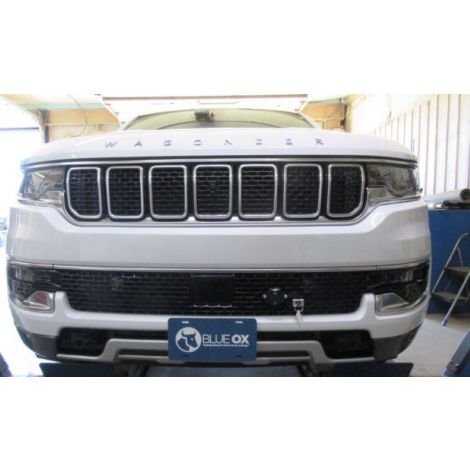
- Tow bar – Connects the Wagoneer to the towing vehicle.
- Base plate – Mounts securely to the frame for safe attachment.
- Supplemental braking system – Required by law in many states. It helps the Wagoneer brake in sync with your RV or truck.
- Safety cables – Provide backup security if the tow bar fails.
- Lighting kit – Ensures tail lights and turn signals work for safety.
Some owners forget the supplemental braking system. This is not just about safety—it’s often a legal requirement. Without it, you may face fines or insurance issues.
How To Flat Tow A Jeep Wagoneer (step-by-step)
Flat towing a Wagoneer is not just about hooking up and going. Here’s how to do it safely:
- Verify compatibility – Check your model’s drivetrain and transfer case. Only proceed if your Wagoneer is flat tow-approved.
- Install equipment – Tow bar, base plate, brake system, and lighting kit must be installed professionally.
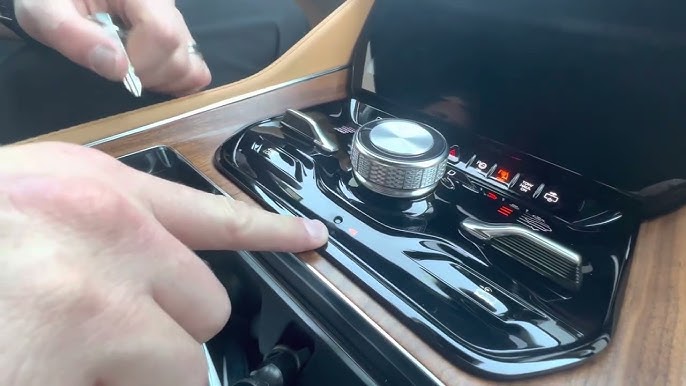
- Set transfer case to neutral – Follow the exact steps in your manual. Usually, this means starting the engine, shifting to neutral, and activating the neutral setting on the transfer case.
- Turn off ignition (if needed) – Some models require the ignition to be off, others need accessory mode. Check the manual.
- Double-check connections – Inspect tow bar, cables, and lights.
- Test brakes and signals – Make sure the Wagoneer’s systems respond correctly.
A common mistake is skipping the transfer case neutral step or failing to test the brake system. These errors can lead to expensive repairs or unsafe towing.
Limitations And Risks
Even if your Wagoneer is flat tow-approved, there are limits:
- Maximum speed: Jeep suggests a speed limit of 65 mph while flat towing.
- Distance: Long-distance towing is possible, but inspect the Wagoneer regularly for tire wear and brake heat.
- Warranty concerns: If you tow incorrectly, you can void your warranty. Always document proper setup.
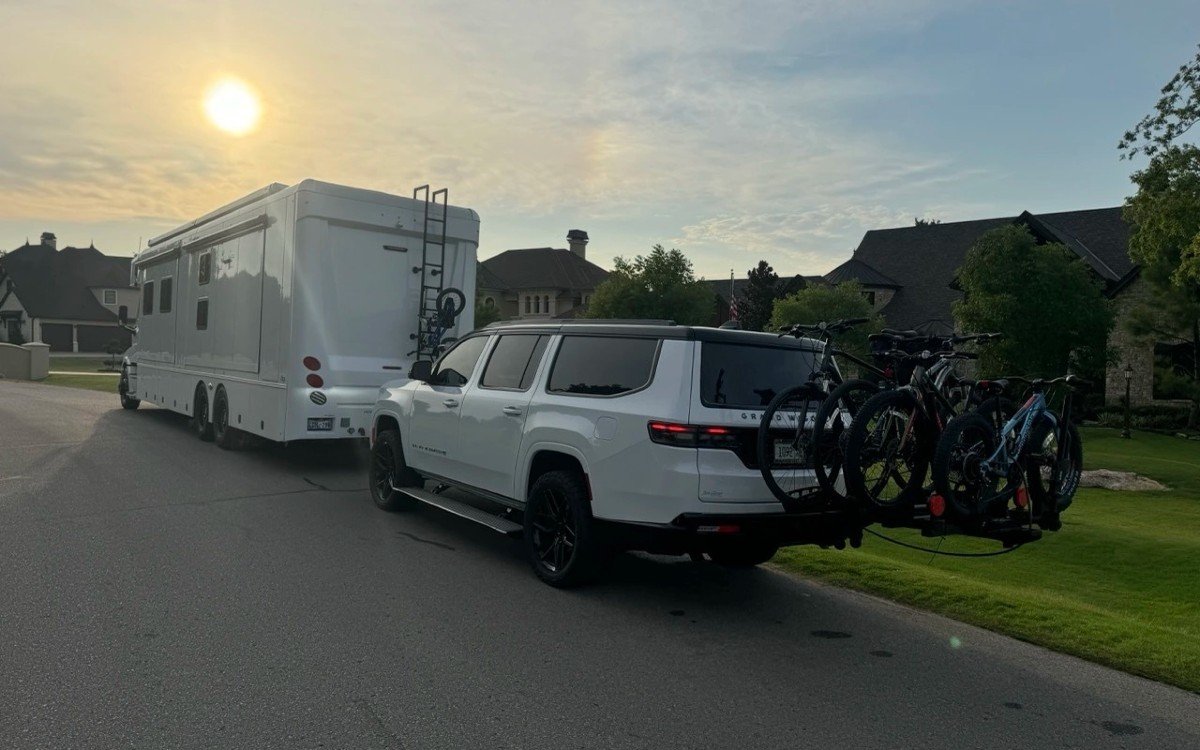
Some owners assume all Jeeps are tow-ready, but the Wagoneer is heavier and more complex than smaller models like the Wrangler. Its weight (over 6,000 lbs) means your towing vehicle must be very capable.
Here’s a comparison of towing weights:
| Jeep Model | Approx. Weight (lbs) | Flat Towable? |
|---|---|---|
| Wrangler | 4,000 | Yes |
| Grand Cherokee | 5,000 | Some models |
| Wagoneer | 6,000+ | 4WD only |
Real-world Examples
Many RV owners share their experiences online. For example, a family with a 2026 Wagoneer 4WD reported smooth towing behind their Class A motorhome, using a Blue Ox tow bar and brake system.
They emphasized the importance of following the owner’s manual step by step.
Another owner tried to tow a 2WD Wagoneer and faced transmission failure after only 100 miles. This highlights how skipping key steps or misunderstanding your vehicle’s specs can be costly.
Tips For Safe Flat Towing
- Double-check compatibility before every trip.
- Perform regular maintenance on tow equipment.
- Inspect tires and brakes at every stop.
- Keep a checklist to avoid missing steps.
- Consult your dealer if unsure about your Wagoneer’s setup.
One less obvious tip: RVers often install a transmission temperature monitor. This helps catch overheating early, which is a risk on heavy vehicles like the Wagoneer.


















