Many Jeep owners love adventures, and the 2020 Jeep Gladiator is a popular choice for those who want both a truck and the ability to explore. One big question people ask is: Can you flat tow a 2020 Jeep Gladiator?
Flat towing, also called dinghy towing, means pulling the Jeep behind another vehicle with all four wheels on the road. For RVers and off-roaders, knowing if their Gladiator is ready for flat towing is important.
This article will explain what you need to know, including models, steps, and common mistakes.

What Is Flat Towing?
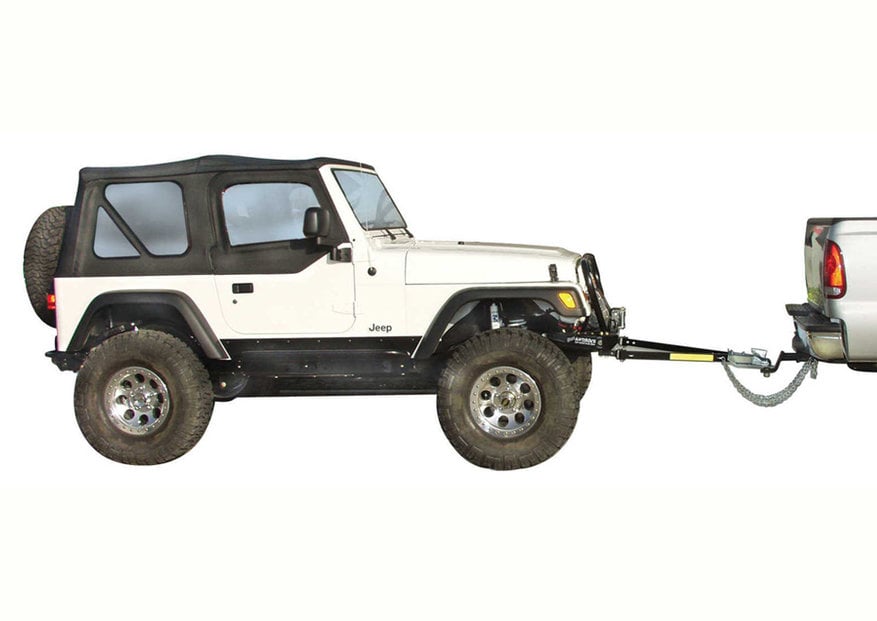
Flat towing is when you pull a vehicle behind another vehicle with all four wheels touching the ground. This is common for RV owners who want to bring a smaller car or truck for local driving after parking the RV.
Unlike using a trailer or dolly, flat towing is simpler but requires the towed vehicle to be built for it.
Not all vehicles can be flat towed. Some need special transmissions or transfer cases.
If you flat tow a vehicle not designed for it, you can damage the transmission or drivetrain. That’s why checking your owner’s manual or talking to the dealer is always smart.
Which 2020 Jeep Gladiator Models Can Be Flat Towed?
The good news is that most 2020 Jeep Gladiator models can be flat towed. However, you must pay attention to the transmission and transfer case. The Gladiator comes in several trims and with two main transmission options:
- 6-speed manual transmission
- 8-speed automatic transmission
The key is the 2-speed transfer case (found in 4×4 models). Both manual and automatic 4×4 Gladiators with the 2-speed transfer case can be flat towed. However, 2WD Gladiators cannot be flat towed using the flat towing method.
Here’s a quick reference:
| Trim | Transmission | 4×4 | Flat Towable? |
|---|---|---|---|
| Sport/Sport S | Manual/Automatic | Yes | Yes |
| Overland | Manual/Automatic | Yes | Yes |
| Rubicon | Manual/Automatic | Yes | Yes |
| Any 2WD | Any | No | No |
Tip: Always check for the 2-speed transfer case in your model.
How To Flat Tow A 2020 Jeep Gladiator
If you have a 4×4 model with a 2-speed transfer case, follow these steps to flat tow safely:
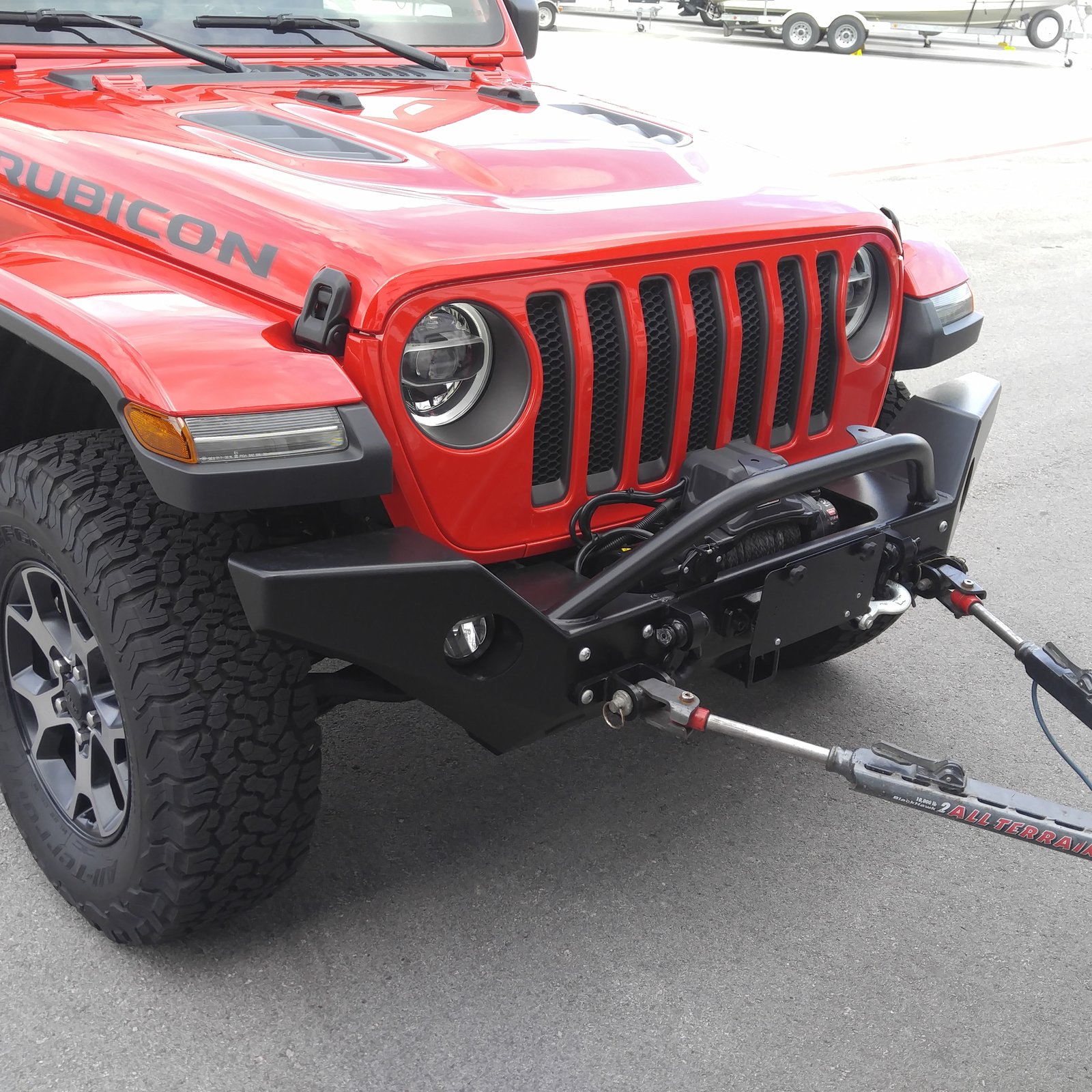
- Connect the Tow Bar: Use a tow bar made for your Gladiator’s weight.
- Attach Safety Cables: These are required by law for extra security.
- Set Up Tow Lights: Make sure your Gladiator’s brake and turn lights work with the tow vehicle.
- Shift Transmission and Transfer Case:
- Place the transmission in PARK (automatic) or 1st gear (manual).
- Shift the transfer case into NEUTRAL (N).
- Unlock the Steering Wheel: Do not lock the steering; this helps the wheels track properly.
- Check Brake System: Some states require a supplemental braking system.
Here’s a quick comparison of what you should and should not do:
| Do | Don’t |
|---|---|
| Use only 4×4 with 2-speed transfer case | Flat tow 2WD models |
| Shift transfer case to Neutral | Forget safety cables |
| Check state brake laws | Lock the steering wheel |
Common mistake: Some owners forget to put the transfer case in Neutral. This can cause major damage to the transmission.
Special Equipment Needed
While the Gladiator is built for flat towing, you still need the right equipment:
- Tow Bar: Rated for the Gladiator’s weight (about 4,500–5,000 lbs).
- Base Plate Kit: Attaches to the frame and connects the tow bar.
- Safety Cables: Must be strong enough for the Gladiator.
- Lighting Kit: Ensures your Gladiator’s rear lights work during towing.
- Supplemental Braking System: Required in many states for vehicles over 3,000 lbs.
Some popular brands for flat towing equipment include Blue Ox, Roadmaster, and Demco.
Flat Towing Vs. Other Towing Methods
You might wonder why flat towing is popular for the Gladiator. Here’s how it compares:
| Method | Pros | Cons |
|---|---|---|
| Flat Towing | Quick hookup, no trailer storage needed | Not for all vehicles, needs special gear |
| Tow Dolly | Works with some 2WD vehicles | Extra cost, storage required |
| Trailer Towing | Safest for any vehicle | Most expensive, heavy, storage issue |
Flat towing is easiest if your Gladiator is ready for it, but always follow the setup instructions.
Two Insights Most Beginners Miss
First, tire pressure matters when flat towing. Underinflated tires on the towed Gladiator can cause swaying or uneven wear. Check the tires before every trip.
Second, battery drain can happen if your Gladiator’s ignition is left on for long periods during towing (some lighting kits use the vehicle’s battery). Consider a battery disconnect or a charge line to avoid a dead battery at your destination.
Manufacturer Guidelines And Warranty
Following Jeep’s official guidelines is important. Improper towing can void your warranty. The 2020 Gladiator’s owner’s manual gives clear steps for flat towing. If you lose the manual, you can find it online at the official Jeep website.
Final Thoughts
The 2020 Jeep Gladiator is one of the best trucks for flat towing behind an RV. As long as you have a 4×4 model with a 2-speed transfer case, you can enjoy the freedom of bringing your Gladiator on your adventures. Always use the correct equipment and follow the setup steps to protect your vehicle and stay safe.
Frequently Asked Questions
Is It Safe To Flat Tow A 2020 Jeep Gladiator Long Distances?
Yes, as long as you set up the transfer case in Neutral and follow Jeep’s instructions. Check all connections and tire pressure before each trip.
Can I Flat Tow A 2020 Gladiator With An Automatic Transmission?
Yes, both manual and automatic 4×4 Gladiators with the 2-speed transfer case can be flat towed. Make sure the transfer case is in Neutral.
What Is The Maximum Speed For Flat Towing A Gladiator?
Jeep recommends not exceeding 70 mph when flat towing. Check state laws, as some have lower limits.
Do I Need A Braking System When Flat Towing?
Most states require a supplemental braking system for vehicles over 3,000 lbs. The Gladiator is heavy enough that a braking system is strongly recommended.
Will Flat Towing Void My Gladiator’s Warranty?
No, as long as you follow the instructions in the owner’s manual. Improper setup can cause damage and may not be covered by the warranty.