Owning a Jeep 4xe is exciting, especially for those who want both electric and gasoline power in one vehicle. But what happens if you don’t charge it?
Many owners wonder if the Jeep 4xe can run just on gas, and what that means for daily driving. This article will help you understand the 4xe’s unique hybrid system, real-world driving without charging, and how it compares to other vehicles.
How The Jeep 4xe Hybrid System Works
The Jeep 4xe is a plug-in hybrid. It combines a gasoline engine with an electric motor and a battery. You can charge the battery with a plug, but you don’t have to. The vehicle decides how to use power based on your driving and battery charge.

There are three main driving modes:
- Hybrid Mode: Uses both gasoline and electric power. The system blends them for the best performance and efficiency.
- Electric Mode: Runs only on electric power if the battery is charged.
- ESave Mode: Prioritizes the gasoline engine, saving battery for later.
If you never charge, the 4xe stays in Hybrid or eSave mode, using the gasoline engine most of the time.
Driving Jeep 4xe Without Charging
You can drive the Jeep 4xe without ever plugging it in. The gasoline engine will do most of the work, just like a regular SUV. The vehicle will also use some battery power, which is charged by the engine and regenerative braking.
Here’s what you need to know:
- Performance: The 4xe remains powerful, with up to 375 horsepower and 470 lb-ft of torque. It feels just as strong as other Jeep Wranglers.
- Fuel Efficiency: Without charging, you lose the electric-only range. The EPA rates the 4xe at about 20 miles of electric range and 49 MPGe with charging. Without charging, it drops to around 20 mpg—similar to other gas-powered Wranglers.
| Mode | Electric Range | Gas MPG | Total MPGe |
|---|---|---|---|
| Charged | ~20 miles | 20 mpg | 49 MPGe |
| Not Charged | 0 miles | 20 mpg | 20 mpg |
- Battery Maintenance: The battery will still charge a little from braking and the engine. You don’t need to worry about it going dead, but it won’t provide full electric driving.
- Convenience: No need to find charging stations. Just fill up with gas.
Comparing Jeep 4xe To Other Hybrids
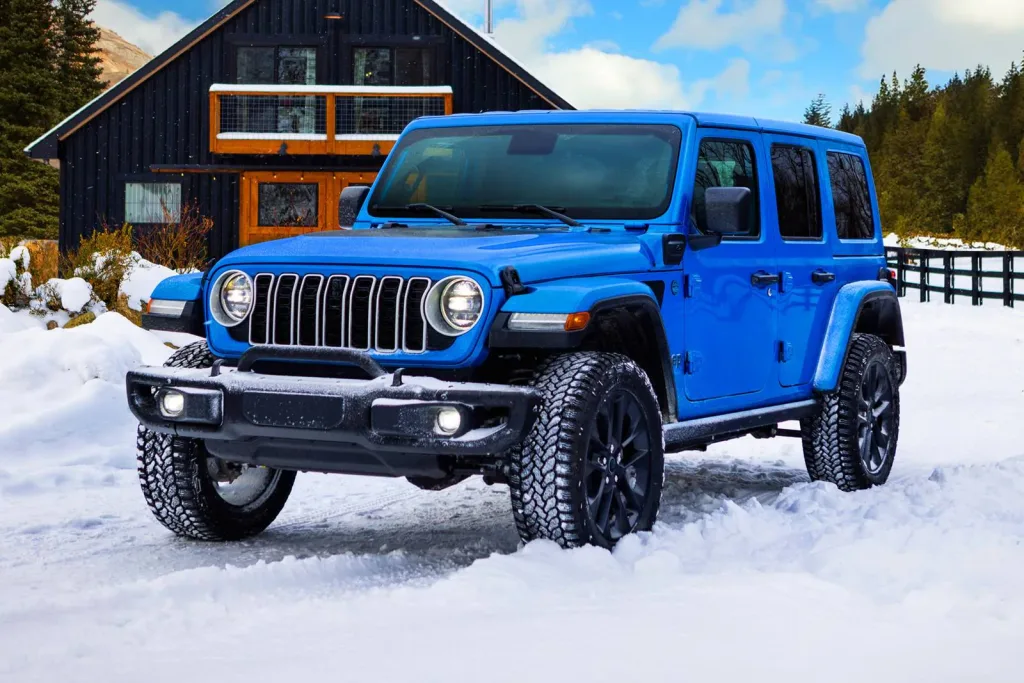
Some plug-in hybrids, like the Toyota Prius Prime or Ford Escape PHEV, depend more on charging for best efficiency. The Jeep 4xe, however, is built for rugged use and can run on gas alone.
Here’s how the 4xe compares to other plug-in hybrids:
| Vehicle | Electric Range | Gas MPG | Can Run Without Charging? |
|---|---|---|---|
| Jeep 4xe | ~20 miles | 20 mpg | Yes |
| Toyota Prius Prime | ~25 miles | 54 mpg | Yes |
| Ford Escape PHEV | ~37 miles | 40 mpg | Yes |
The Jeep 4xe stands out for its power and off-road ability, even if you never charge it.
Real-world Examples: What Owners Experience
Many Jeep 4xe owners don’t have easy access to charging at home or work. They simply drive on gas.
Reviews show that the vehicle works well, but fuel costs are higher without charging.
Some drivers report:
- Consistent performance: The 4xe drives smoothly and accelerates well.
- Higher gas bills: Without charging, you pay more for fuel, especially if you drive long distances.
- No electric driving: The quiet, smooth electric drive is missing if you never plug in.
One owner shared that after two months without charging, their 4xe still felt powerful, but fuel consumption matched a regular Wrangler. Another noticed that regenerative braking helped recharge the battery a little, but not enough for full electric mode.
Non-obvious Insights For Jeep 4xe Owners
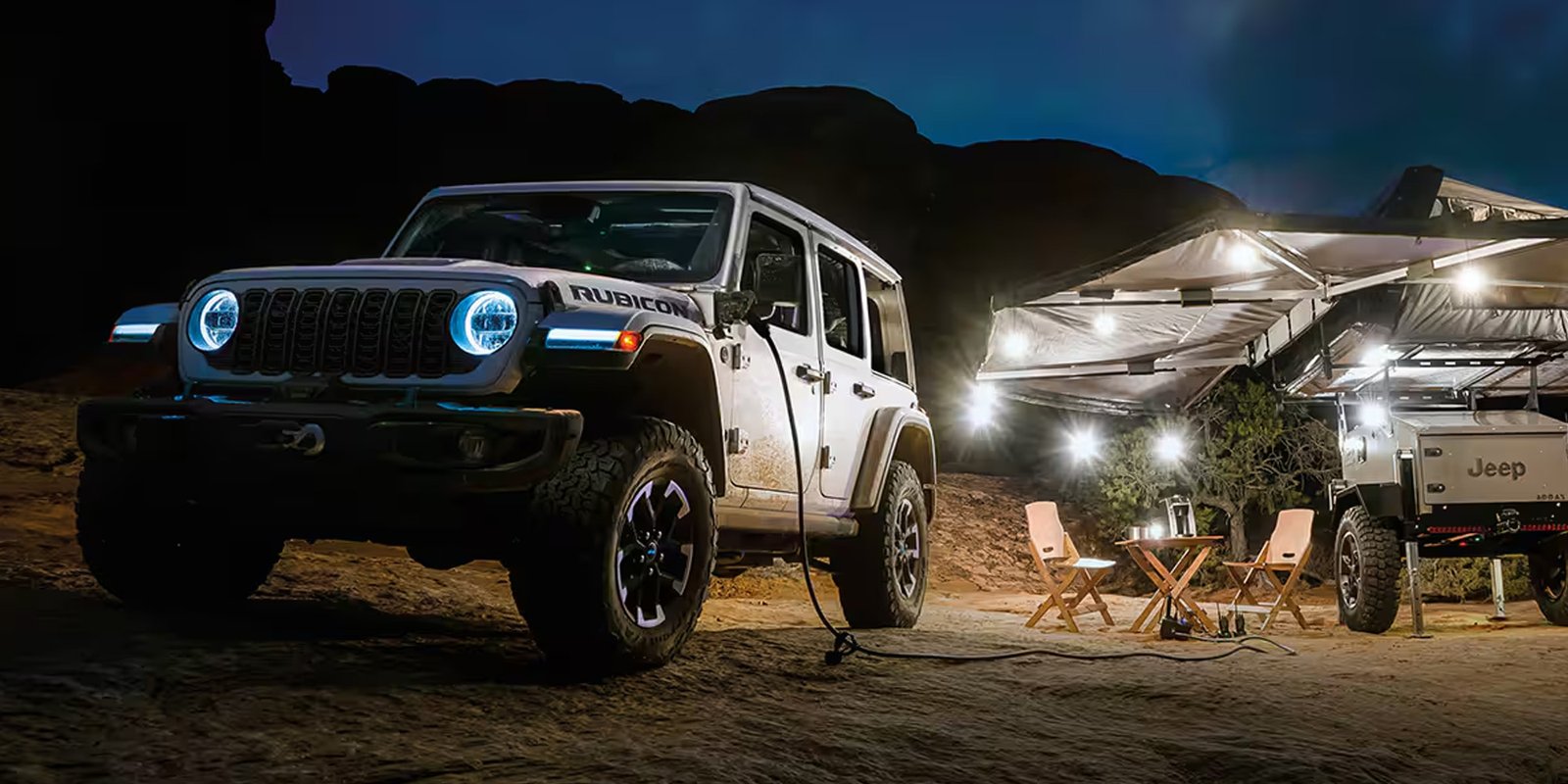
- Battery Conditioning: Even if you don’t charge, the 4xe uses the battery for short bursts of power and start-stop functions. This keeps the battery active and healthy.
- Regenerative Braking: You can get small amounts of electric power from braking, but it’s not enough for pure electric driving. It helps a bit with fuel economy, especially in city driving.
- Maintenance Costs: Plug-in hybrids often have lower brake wear thanks to regenerative braking. If you drive a lot without charging, this benefit is reduced.
Should You Buy A Jeep 4xe If You Won’t Charge?
If you like the Jeep 4xe for its power, features, and off-road ability, it’s a good choice even without charging. But you’ll miss out on electric driving and lower fuel costs. If you plan to use charging sometimes, you get the best of both worlds.
Here’s a quick summary:
- Yes: You can drive the Jeep 4xe without charging.
- Downsides: Lower fuel economy, no electric-only driving.
- Upsides: Full performance, no need to find charging spots.
If you want to learn more about plug-in hybrids and how they work, visit Wikipedia for detailed information.

Frequently Asked Questions
Can The Jeep 4xe Run Only On Gasoline?
Yes, the Jeep 4xe can run only on gasoline. The engine provides all power if the battery is not charged.
What Happens If I Never Charge The Jeep 4xe?
If you never charge, the vehicle operates like a regular hybrid. You lose the electric-only range and get about 20 mpg from the gas engine.
Will The Battery Die If I Don’t Charge It?
No, the battery charges from the engine and braking. It stays healthy, but won’t provide full electric driving.
Is It Bad For The Jeep 4xe To Drive Without Charging?
It’s not bad for the vehicle, but you miss the benefits of electric driving and lower fuel costs.
How Does Fuel Economy Compare With And Without Charging?
With charging, you get up to 49 MPGe. Without charging, you get about 20 mpg, similar to a regular Jeep Wrangler.
Owning a Jeep 4xe gives you flexibility. If you don’t charge, you can still enjoy strong performance and all the features.
But using the electric motor makes the most of what the 4xe offers—lower fuel costs, quieter driving, and less pollution.
If charging is easy for you, take advantage of it. If not, the Jeep 4xe remains a solid SUV on gas alone.


















