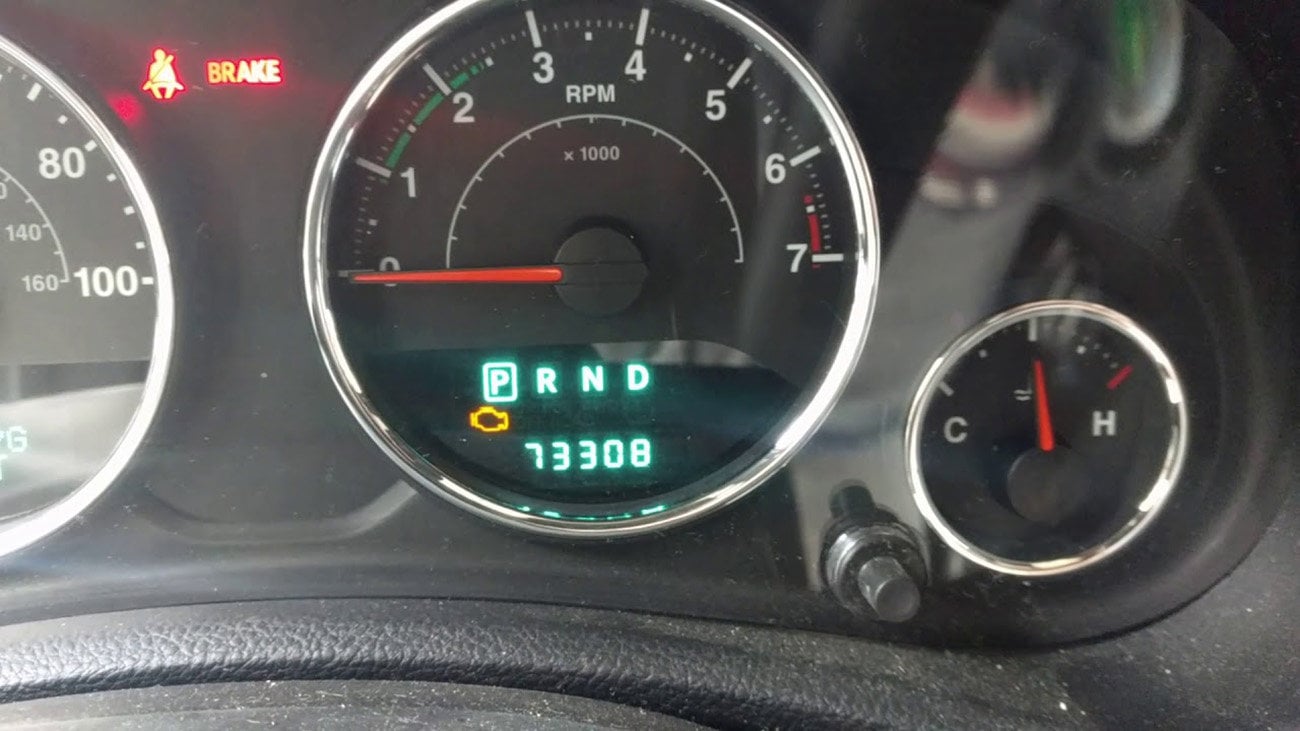
When the TCC light on your Jeep dashboard suddenly illuminates, it can be a cause for concern. The Torque Converter Clutch (TCC) system is a crucial part of your Jeep's automatic transmission, responsible for improving fuel efficiency.
When this light comes on, it often signals a problem within the transmission system, and low transmission fluid is one of the most common culprits.
Understanding how your transmission works and the role of its fluid is key to diagnosing this issue. Transmission fluid is more than just a lubricant; it's the lifeblood of your automatic transmission.
It cools, cleans, and provides hydraulic pressure necessary for shifting gears and engaging the torque converter clutch.
If the fluid level drops too low, all these functions can be compromised, leading to performance issues and warning lights, including the TCC light.
This article will explore the direct link between low transmission fluid and the TCC light on your Jeep. We will cover what the TCC system is, why low fluid is problematic, how to check your transmission fluid, and what steps to take if you suspect this is the cause of your TCC light.
Understanding The Torque Converter Clutch (tcc) System
The Torque Converter Clutch (TCC) is a vital component within your Jeep’s automatic transmission. Its primary function is to enhance fuel economy by allowing the engine to operate at lower RPMs (revolutions per minute) during highway cruising. Essentially, it creates a direct mechanical link between the engine and the transmission, bypassing the fluid coupling that usually occurs in a torque converter.
How A Torque Converter Works
Before diving into the TCC, it’s helpful to understand the standard torque converter. In an automatic transmission, the torque converter replaces a manual clutch. It uses transmission fluid to transfer power from the engine to the transmission. It has three main parts:
- Impeller: Connected to the engine’s crankshaft, it spins and pushes transmission fluid outwards.
- Turbine: Connected to the transmission’s input shaft, it receives the fluid flow from the impeller and starts to spin, transmitting power.
- Stator: Located between the impeller and turbine, it redirects fluid flow to multiply torque, especially at lower speeds.
This fluid coupling allows the engine to idle while the vehicle is stopped without stalling, and it smoothly engages power as you accelerate. However, this fluid coupling also causes some energy loss due to slippage, which reduces fuel efficiency, especially at steady highway speeds.
The Role Of The Tcc
This is where the Torque Converter Clutch (TCC) comes into play. It’s a friction clutch mechanism, similar in concept to a manual clutch, but it operates hydraulically within the torque converter. When activated, the TCC locks the impeller and turbine together. This creates a direct mechanical connection, eliminating fluid slippage.
When the TCC is locked, the engine and transmission rotate at nearly the same speed. This is highly beneficial for fuel economy because the engine doesn't have to work as hard to maintain highway speeds.
The TCC typically engages when the vehicle reaches a certain speed (e.
g. , 40-50 mph) and the throttle position is steady, and disengages when you slow down, stop, or accelerate.
The Tcc Light Explained
The TCC light on your Jeep’s dashboard is a specific indicator for problems related to the Torque Converter Clutch system. It’s not a general transmission warning light, although transmission issues can often trigger it. When the TCC light illuminates, it means the vehicle’s computer (the Powertrain Control Module or PCM) has detected a fault within the TCC circuit or its related components. This could be a problem with the TCC solenoid, the TCC itself, or the system that controls it.
Common reasons for the TCC light to activate include:
- TCC Solenoid Malfunction: This electrical component controls the flow of transmission fluid to engage or disengage the TCC. If it fails, the TCC won’t operate correctly.
- TCC Slippage: If the TCC is failing to lock up properly, the PCM might detect excessive slippage.
- Low Transmission Fluid: This is a critical factor that affects the hydraulic pressure needed for the TCC to engage.
- Internal Transmission Damage: More severe issues within the transmission can also lead to TCC problems.
The Critical Role Of Transmission Fluid
Transmission fluid is the lifeblood of your Jeep's automatic transmission. It performs several vital functions that are essential for the smooth operation of all its components, including the torque converter and the TCC.
When the transmission fluid level drops too low, these functions are compromised, leading to a cascade of problems.
Functions Of Transmission Fluid
- Lubrication: It lubricates all the moving parts within the transmission, such as gears, bearings, and clutches. This reduces friction and wear, preventing premature damage and extending the life of the transmission.
- Cooling: Automatic transmissions generate a significant amount of heat due to friction and hydraulic pressure. Transmission fluid absorbs this heat and carries it away to the transmission cooler, preventing overheating.
- Hydraulic Pressure: This is perhaps its most crucial role in an automatic transmission. Transmission fluid is pressurized by the transmission pump and used to actuate various components, including the gear sets, clutches, and the torque converter clutch. This hydraulic pressure is what allows for smooth gear changes and the engagement/disengagement of the TCC.
- Cleaning: The fluid circulates throughout the transmission, picking up small metal particles and other debris caused by normal wear and tear. This debris is then trapped by the transmission filter, keeping the internal components clean.
- Corrosion Prevention: Transmission fluid contains additives that protect the metal components from rust and corrosion.
How Low Fluid Affects Transmission Operation
When the transmission fluid level is low, the transmission pump can start to suck in air along with the fluid. This leads to several immediate problems:
- Reduced Lubrication and Increased Wear: With less fluid, the lubrication becomes inadequate. Metal parts grind against each other, causing accelerated wear and potential damage.
- Overheating: Less fluid means less capacity to absorb and dissipate heat. The transmission can quickly overheat, leading to fluid breakdown and damage to seals and other components.
- Loss of Hydraulic Pressure: This is the most significant impact related to the TCC light. The transmission pump needs a sufficient volume of fluid to create the necessary hydraulic pressure. If the fluid level is too low, the pump may not be able to generate enough pressure to operate the transmission’s various circuits, including the one that engages the TCC.
- Foaming: When air gets into the transmission fluid, it can cause the fluid to foam. Foamed fluid loses its lubricating and hydraulic properties, further exacerbating problems.
The Direct Link To The Tcc Light
Low transmission fluid directly impacts the TCC system because the TCC relies on hydraulic pressure to engage. The TCC solenoid is an electro-hydraulic valve that, when commanded by the PCM, directs pressurized fluid to activate the TCC. If the overall hydraulic pressure in the transmission is low due to insufficient fluid, the solenoid may not be able to build enough pressure to properly engage the TCC.
The PCM constantly monitors various parameters, including transmission fluid pressure and the speed difference between the engine and transmission output shaft. If it detects that the TCC is not engaging when it should, or if there’s excessive slippage indicating a weak engagement, it will trigger the TCC light on the dashboard. Therefore, low transmission fluid is a prime suspect for a TCC light that comes on during highway driving.
Checking Your Jeep’s Transmission Fluid Level
Checking your Jeep’s transmission fluid is a relatively straightforward process, but it requires attention to detail to get an accurate reading. Unlike engine oil, transmission fluid checks often need to be done with the engine running and the transmission warm.
When To Check The Fluid
It’s best to check the transmission fluid when the transmission is at its normal operating temperature. This typically means driving your Jeep for about 15-20 minutes, including some highway driving if possible, to ensure the fluid has expanded and circulated properly. Park your Jeep on a level surface. An uneven surface will give you an inaccurate reading.
The Procedure For Checking
Most Jeeps with automatic transmissions have a transmission fluid dipstick. It’s usually located towards the back of the engine bay, often near the firewall. It may be colored differently than the engine oil dipstick, sometimes red or yellow. If you’re unsure, consult your Jeep’s owner’s manual.
- Warm Up the Engine: Start your Jeep’s engine and let it run for at least 10-15 minutes. Drive it gently if needed to reach operating temperature.
- Park on Level Ground: Ensure the vehicle is parked on a flat, level surface.
- Keep the Engine Running: With the engine still running and the parking brake firmly engaged, shift the transmission through all the gears (P, R, N, D, and any other gear selections), pausing for a few seconds in each. This helps circulate the fluid throughout the transmission and torque converter.
- Return to Park or Neutral: After cycling through the gears, return the shifter to Park (P) or Neutral (N), as specified in your owner’s manual. Most modern vehicles prefer checking in Park.
- Locate and Remove Dipstick: Find the transmission fluid dipstick. Pull it out carefully.
- Wipe the Dipstick: Use a clean, lint-free cloth or paper towel to wipe the transmission fluid completely off the dipstick.
- Reinsert the Dipstick: Fully reinsert the dipstick back into its tube.
- Remove and Read: Pull the dipstick out again and examine the fluid level. There will be markings on the end of the dipstick, usually indicating “HOT” and “COLD” ranges, or specific marks like “ADD” and “FULL.”
- Assess the Fluid Condition: While you’re there, also check the condition of the fluid. It should be reddish or pinkish in color and have a clean smell. If it’s dark brown or black, or smells burnt, it indicates a more serious problem.
What To Do If The Fluid Is Low
If the dipstick indicates that the transmission fluid is low, you will need to add more. Use only the exact type of transmission fluid recommended in your Jeep’s owner’s manual. Using the wrong type can cause significant damage.
To add fluid:
- Use a Funnel: Insert a funnel into the transmission dipstick tube.
- Add Small Amounts: Add about half a quart (or half a liter) of fluid at a time.
- Recheck: Wait a minute or two for the fluid to settle, then recheck the level with the engine running and on a level surface, as described above.
- Repeat if Necessary: Continue adding small amounts and rechecking until the fluid level reaches the correct mark on the dipstick. Do not overfill, as this can be just as damaging as having too little fluid.
Potential Causes Of Low Transmission Fluid
Discovering that your transmission fluid is low is only the first step. The next crucial step is understanding why it’s low. Transmission fluid doesn’t simply disappear; it’s either leaking out of the system or being consumed internally (which is rare and usually indicates a severe problem).
Transmission Fluid Leaks
Leaks are the most common reason for low transmission fluid. These can occur at various points in the transmission system:
- Transmission Pan Gasket: The transmission pan at the bottom of the transmission is sealed with a gasket. Over time, this gasket can degrade, crack, or become loose, allowing fluid to leak out. Leaks from the pan gasket often appear as drips or wetness on the bottom of the transmission.
- Seals and O-rings: Various seals and O-rings are used throughout the transmission to prevent fluid from escaping. These can wear out, become brittle, or get damaged, leading to leaks. Common leak points include the output shaft seal, input shaft seal, and seals around solenoids or sensors.
- Transmission Cooler Lines: The transmission fluid is cooled by a small radiator-like cooler, usually located in front of the main engine radiator. The lines that carry fluid to and from the cooler can corrode, crack, or develop loose fittings, causing leaks. These leaks can sometimes be mistaken for engine coolant leaks due to their location.
- Drain Plug: The transmission pan has a drain plug for fluid changes. If this plug is not tightened properly or its washer is damaged, it can leak.
- Torque Converter Seal: The seal where the torque converter connects to the transmission can also fail, leading to leaks.
Internal Consumption (rare)
In some rare cases, transmission fluid can be consumed internally. This typically happens when the transmission fluid gets past seals and enters other parts of the powertrain.
- Engine Seals: If seals between the transmission and the engine fail, fluid could potentially leak into the engine’s oil system or exhaust. This is uncommon and usually results in noticeable symptoms like blue smoke from the exhaust.
- Internal Component Failure: Catastrophic failure of internal transmission components could theoretically allow fluid to enter areas it shouldn’t, but this is highly unlikely to be the sole cause of low fluid without other major transmission problems.
Other Less Common Causes
- Improper Filling: During a previous fluid change or top-off, the fluid might not have been filled to the correct level, or it was overfilled and then leaked down to the correct level.
- Faulty Vent: The transmission has a vent to equalize pressure. If this vent is clogged or damaged, it could potentially cause issues, though it’s not a direct cause of fluid loss.

Diagnosing The Tcc Light And Low Fluid
When your Jeep’s TCC light illuminates, and you suspect low transmission fluid, a systematic diagnostic approach is necessary. Simply adding fluid might temporarily resolve the issue, but if there’s an underlying leak, the problem will return.
Initial Steps: Visual Inspection And Fluid Check
- Check Fluid Level and Condition: As detailed earlier, perform a thorough check of the transmission fluid level and condition with the engine warm and running on a level surface. Note if it’s low, dark, or smells burnt.
- Look for Obvious Leaks: Get under your Jeep (safely, using jack stands) and visually inspect the transmission, transmission pan, cooler lines, and any associated seals for signs of wetness, drips, or fresh fluid. Look for clean spots where fluid might have recently leaked and dried.
- Check the Transmission Filter: If you recently had a transmission service, the filter might not have been replaced correctly, or the pan might not have been sealed properly.
Understanding Fluid Color And Smell
The condition of the transmission fluid can provide valuable clues:
- Normal Fluid: Bright red or pinkish, clear, with a slightly