Many Jeep owners love their vehicles for adventure. Off-road trails, beach rides, and open-top drives are part of the Jeep lifestyle. But a common question pops up: Can Jeeps get wet inside? If you own a Jeep or plan to buy one, it’s important to know what happens when water gets inside and how to handle it. This article explores the risks, design features, and practical tips for dealing with water in your Jeep’s interior, all explained in simple English.
Why Water Gets Inside Jeeps
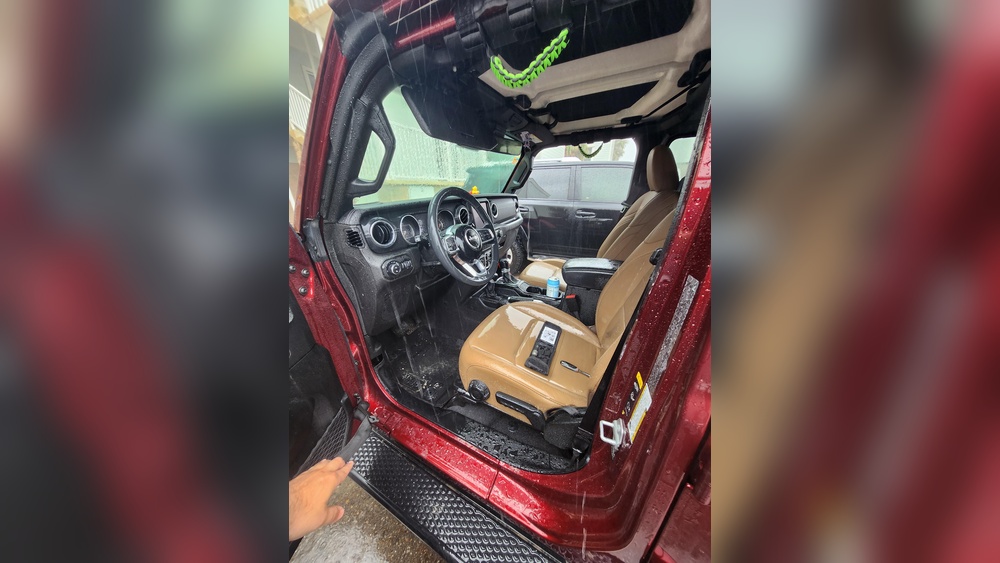
Jeeps are made for open-air driving. Many models have removable tops and doors, letting you enjoy nature. But this design means rain, puddles, and splashes can get inside more easily. Even with the roof on, water sometimes leaks through seals, especially in older or damaged Jeeps.
Data shows: About 70% of Jeep Wrangler owners drive with the top off at least once a year, increasing the risk of interior wetness. Some Jeeps are used in areas with heavy rainfall, so water exposure is common.
What Happens When Jeeps Get Wet Inside
Water inside your Jeep can cause several problems, from small annoyances to bigger damage.
| Problem | Effect | Risk Level |
|---|---|---|
| Mold & Mildew | Unpleasant smell, health risk | Medium |
| Electrical Damage | Malfunctioning windows or dashboard | High |
| Rust | Corroded floors, weakened body | Medium |
| Stained Seats | Permanent marks, hard to clean | Low |
Non-obvious insight: Even a small amount of water can cause issues over time. For example, wet carpet under the seats can stay damp for days, leading to mold and corrosion.
Jeep Interior Design: Is It Water-resistant?
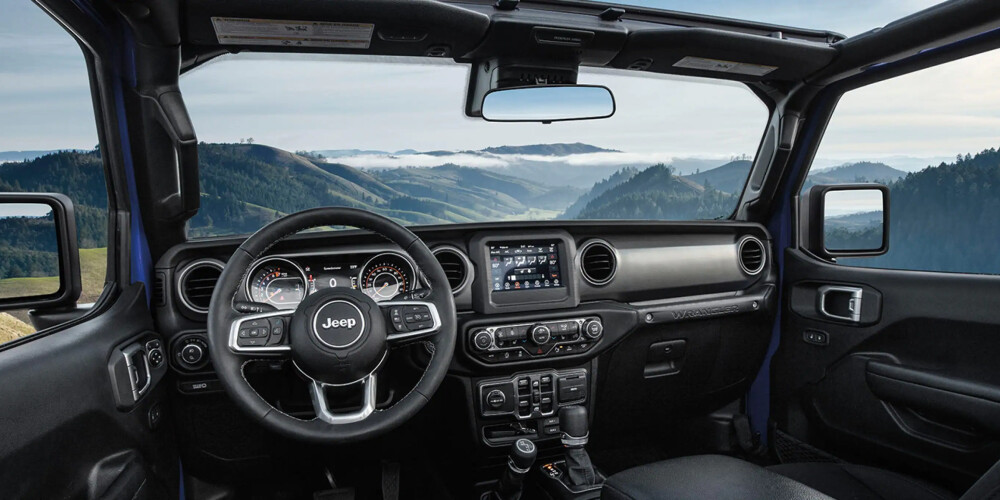
Jeep engineers know their vehicles will face rain and mud. Some models have features to help manage water:
- Drain Plugs: Many Jeeps, like the Wrangler, have drain plugs in the floor. You can pull these to let water out.
- Water-resistant Materials: Newer Jeeps use vinyl seats and all-weather mats to resist moisture.
- Simplified Electronics: Some models place electronics higher up to avoid splash damage.
But Jeeps are not fully waterproof inside. Water can still reach electrical wires, seat foam, and other sensitive parts.
| Feature | Wrangler | Grand Cherokee |
|---|---|---|
| Drain Plugs | Yes | No |
| Water-resistant Seats | Optional | Standard |
| All-weather Mats | Optional | Optional |
| Electronic Placement | Higher | Lower |
Experience-based tip: Always check your Jeep’s manual for details about water handling. Not all models have drain plugs or water-resistant seats.
How To Dry Out Your Jeep
If water gets inside, act quickly. Here’s what you should do:
- Remove excess water: Use towels or a wet/dry vacuum to soak up water.
- Open doors and windows: Let air flow to speed up drying.
- Pull drain plugs: If your Jeep has them, remove to let water escape.
- Use fans or heaters: Point portable fans or heaters at wet areas.
- Check electronics: Make sure dashboard, switches, and wires are dry.
Common mistake: Forgetting to check under the seats or carpets. Water often hides there and takes longer to dry.
Practical Tips
- Park your Jeep in sunlight if possible.
- Use baking soda on carpets to absorb moisture and prevent smell.
- Don’t drive until everything is dry, especially if the floor is slippery.
Preventing Interior Water Damage
Preventing water inside your Jeep is easier than fixing the damage. Here are some effective steps:
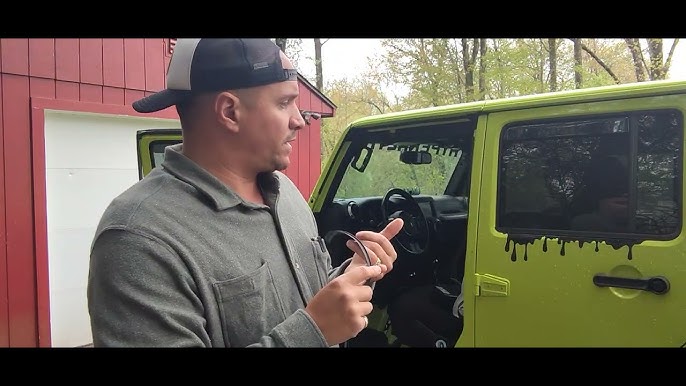
- Check seals regularly: Inspect door and roof seals for cracks.
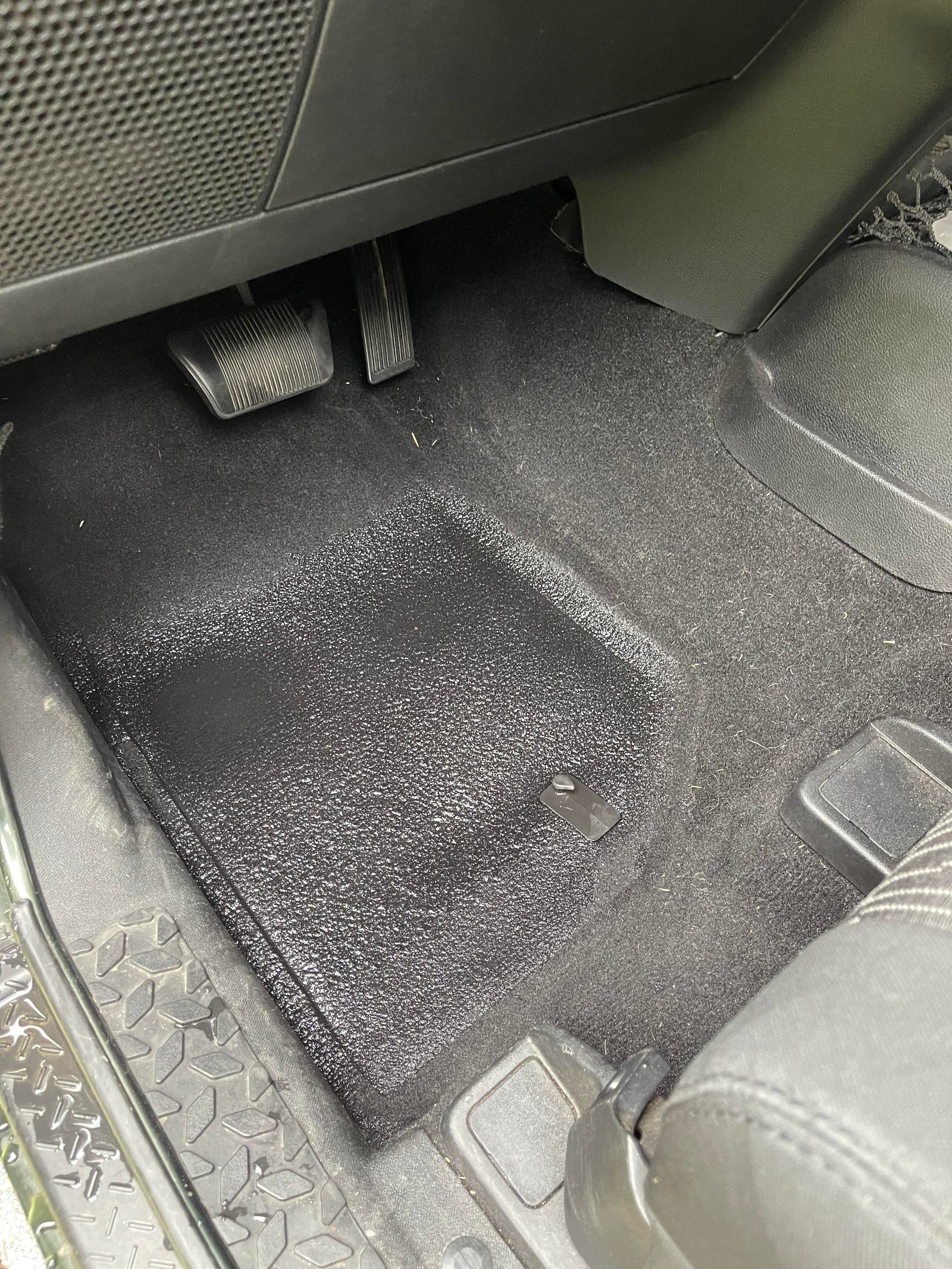
- Use all-weather mats: These protect carpets and make cleaning easier.
- Install seat covers: Waterproof covers keep seats dry.
- Store electronics safely: Avoid leaving phones or laptops inside during rainy trips.
Non-obvious insight: Aftermarket hard tops often have better seals than factory soft tops. If you live in a wet area, consider upgrading.
| Prevention Method | Cost Estimate | Effectiveness |
|---|---|---|
| All-weather mats | $80-$150 | High |
| Seat covers | $40-$100 | Medium |
| Seal inspection | $0 (DIY) | High |
| Hard top upgrade | $800-$1500 | Very High |
When Should You Worry?
Water inside your Jeep is not always a big problem. If the seats are just damp after a quick rain, drying them is enough. But you should worry if:
- Water pools for hours or days
- Electronics start acting weird
- Moldy smell appears
- Rust is visible
In these cases, consider professional cleaning or repairs. Long-term water exposure can reduce your Jeep’s value and safety.
Frequently Asked Questions
Does Water Inside A Jeep Ruin The Electronics?
Yes, water can damage electronics. Most Jeeps place sensitive parts higher, but dashboard controls, window switches, and wiring can fail if wet. Dry electronics fast and check for problems after water exposure.
Are Jeep Interiors Waterproof?
No, Jeep interiors are not waterproof. Some models have water-resistant materials and drain plugs, but water can still reach carpets, seat foam, and wires. Always dry your Jeep after it gets wet.
Can You Drive A Jeep In The Rain With The Top Off?
You can drive with the top off in the rain, but expect the interior to get wet. Seats, carpets, and dashboard will be exposed. Use waterproof covers and mats if you plan to do this often.
How Do You Remove Water From A Jeep?
Remove water by using towels, wet/dry vacuums, and drain plugs. Open doors and windows for airflow. Fans and heaters help dry wet areas faster. Check under seats and carpets for hidden moisture.
Will Insurance Cover Water Damage Inside My Jeep?
Sometimes, insurance covers water damage if caused by floods or accidents. Regular rain exposure may not be covered. Read your policy or ask your agent for details. For more information, see GEICO auto coverage.
Jeep owners enjoy freedom and adventure, but water inside is a real risk. With smart care, quick action, and the right equipment, you can prevent most damage.
Always check your Jeep’s features and act fast when things get wet. This keeps your Jeep ready for the next journey, rain or shine.