Exploring the Rubicon Trail with a Stock Jeep: What You Need to Know
The Rubicon Trail is one of the most famous off-road routes in the United States. Many Jeep owners dream of driving this iconic trail, which stretches about 22 miles through the Sierra Nevada mountains of California. But can a stock Jeep—one straight from the factory without modifications—actually handle the Rubicon? This question is asked by both beginner and experienced off-roaders. Let’s break down what’s possible, what to expect, and how you can prepare.
What Is The Rubicon Trail?
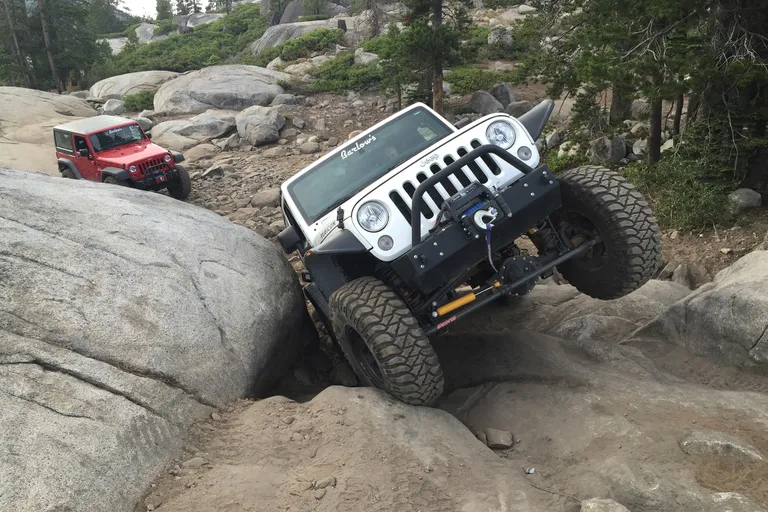
The Rubicon Trail is more than just a dirt road. It’s a mix of rocky terrain, steep climbs, water crossings, and narrow passes. Some sections are so tough that even experienced drivers feel challenged. The trail is often used to test the capability of 4×4 vehicles, especially Jeeps.
Rubicon Trail Quick Facts
- Length: About 22 miles
- Elevation: Up to 7,000 feet
- Surface: Rocks, boulders, mud, water crossings
- Difficulty: Rated as “extreme” by off-road standards
| Trail Feature | Challenge Level | Typical Jeep Requirement |
|---|---|---|
| Rock Gardens | High | Ground clearance |
| Water Crossings | Medium | Waterproofing |
| Steep Climbs | High | 4WD, traction |
| Narrow Passes | Medium | Vehicle width |
Can A Stock Jeep Handle The Rubicon Trail?
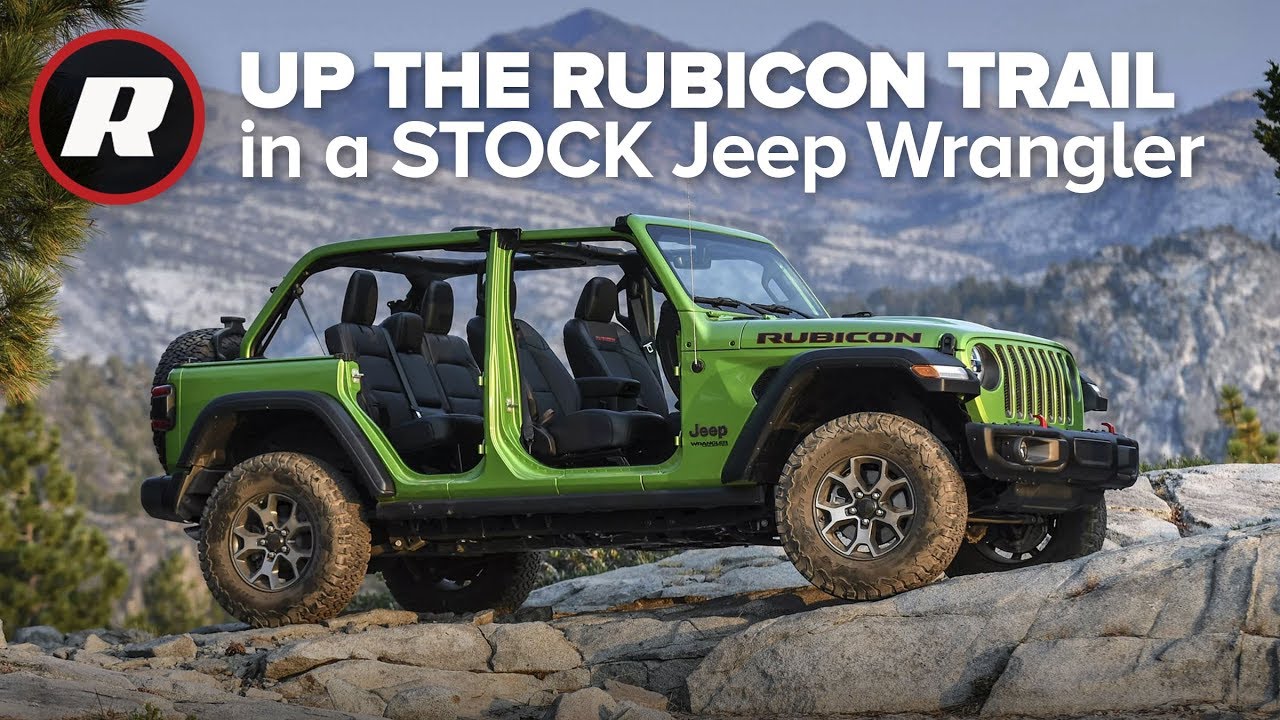
The short answer: Yes, but with limitations. A stock Jeep Wrangler or Gladiator, especially those with the Rubicon trim, are designed for challenging terrain. Jeep even uses the Rubicon Trail as part of its testing process for new models.
However, “stock” can mean different things. Most basic Jeep models (like the Sport or Sahara) are less equipped than the Rubicon trim. The Rubicon version comes with locking differentials, rock rails, and higher ground clearance. These features are vital for tough spots.
Key Stock Jeep Features
- Ground Clearance: Rubicon trim offers about 10.8 inches. Other trims may be lower.
- 4WD System: Essential for grip on rocks and mud.
- Skid Plates: Protect the underbody from sharp rocks.
- Tires: Stock tires are usually all-terrain, but can struggle on slick rocks.
| Jeep Model | Ground Clearance (inches) | Locking Differentials | Stock Tires |
|---|---|---|---|
| Wrangler Rubicon | 10.8 | Front & Rear | All-Terrain |
| Wrangler Sport | 9.7 | No | All-Terrain |
| Gladiator Rubicon | 11.1 | Front & Rear | All-Terrain |
Challenges A Stock Jeep Will Face
Even a stock Rubicon Jeep will encounter difficulties:
- Tire Size and Grip: Stock tires are smaller and have less aggressive tread. This can make climbing over large rocks slippery.
- Clearance Issues: The lowest parts of the Jeep (like the differential) may scrape rocks, especially on deep obstacles.
- Lack of Winch: Most stock Jeeps don’t have a winch. If you get stuck, recovery can be tough.
- Body Damage Risk: Without extra armor, doors and panels are more exposed to dents and scratches.
- Water Crossing Depth: Water can reach the air intake or electronics if you’re not careful.
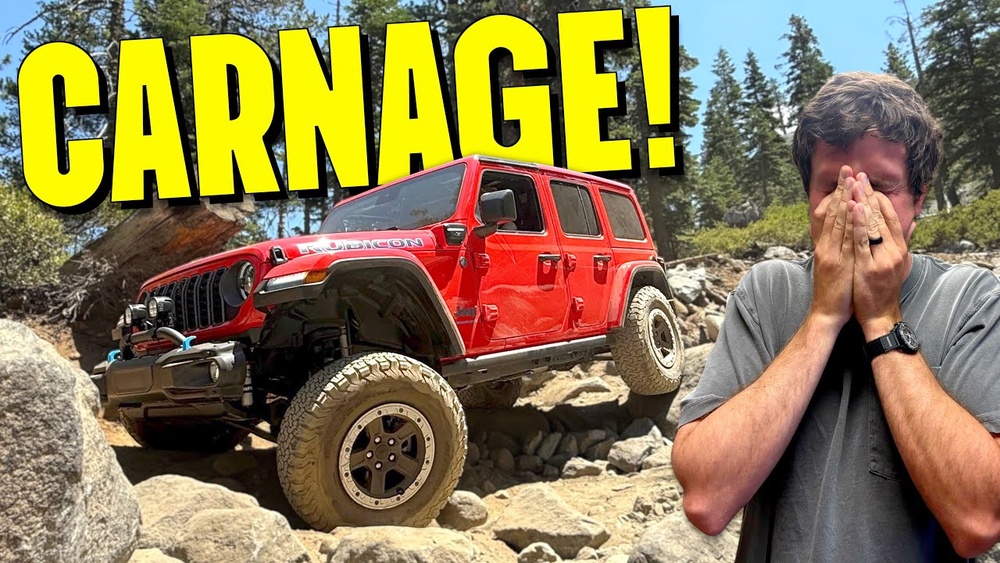
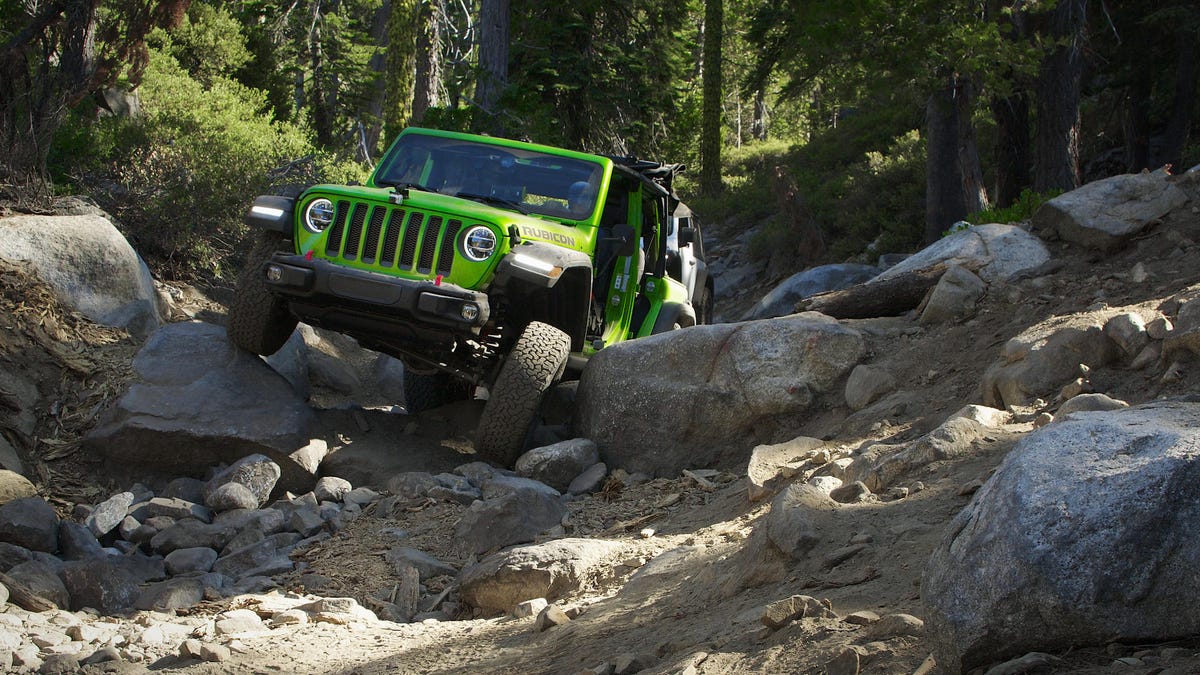
Many drivers report finishing the trail in a stock Jeep, but expect dents, scratches, and sometimes minor mechanical issues.
Preparation Tips For Stock Jeep Drivers
If you decide to take your stock Jeep on the Rubicon Trail, preparation is key. Here’s what experienced off-roaders recommend:
- Travel with a group: Don’t go alone. Other vehicles can help if you get stuck.
- Bring recovery gear: Tow straps, shackles, and a portable air compressor are vital.
- Check weather conditions: Rain makes the trail much harder.
- Pack extra fluids: Oil, coolant, and brake fluid can help with unexpected leaks.
- Inspect your Jeep: Make sure all bolts, tires, and parts are tight and in good condition.
| Essential Gear | Why It’s Needed |
|---|---|
| Tow Strap | Pull out if stuck |
| First Aid Kit | Minor injuries |
| Spare Tire | Flat repair |
| Portable Air Compressor | Adjust tire pressure |
| Basic Tools | Quick fixes |
Two Insights Many Beginners Miss
- Trail Damage Is Common: Even careful drivers will likely scratch or dent their Jeep. The Rubicon Trail is rough. If you want your Jeep to stay perfect, consider another trail.
- Tire Pressure Is Critical: Lowering tire pressure (to around 15-18 psi) increases grip on rocks. Many beginners forget this, but it’s a game changer for traction and comfort.
Comparing Stock Vs. Modified Jeeps
A modified Jeep is built for the Rubicon Trail. Here’s how they differ from stock:
- Lift kits: Add more clearance for big rocks.
- Bigger tires: Offer better grip and durability.
- Aftermarket bumpers: Protect against impacts.
- Winch: Essential for self-recovery.
Stock Jeeps can make it, but modified Jeeps do so with less risk and more comfort.
For more about Jeep modifications and Rubicon Trail history, check the official Rubicon Trail page.
Final Thoughts
A stock Jeep can drive the Rubicon Trail, especially if it’s the Rubicon trim. However, the experience will be challenging, and you’ll likely leave with some battle scars. Preparation and smart driving are crucial. For many, finishing the Rubicon in a stock Jeep is a badge of honor. But remember, the trail tests both the vehicle and the driver. If you’re up for an adventure and ready for some bumps and scrapes, your stock Jeep might just surprise you.
Frequently Asked Questions
How Long Does It Take To Drive The Rubicon Trail In A Stock Jeep?
Most drivers need 2 to 3 days to complete the trail. Weather and traffic can make the trip longer.
Will A Stock Jeep Get Damaged On The Rubicon Trail?
Yes, expect scratches, dents, and possible minor mechanical issues. The trail is tough on vehicles.
What’s The Best Jeep Model For The Rubicon Trail?
The Wrangler Rubicon and Gladiator Rubicon are best because of their locking differentials and higher clearance.
Do I Need Special Permits To Drive The Rubicon Trail?
No permits are required for most sections, but you may need to pay for camping or parking.
Can Beginners Drive The Rubicon Trail In A Stock Jeep?
Yes, but it’s recommended to go with experienced drivers. Beginners should prepare well and expect challenges.