Can A 4 Cylinder Jeep Pull A Trailer
Many people love the idea of a Jeep for adventure. But when you have a 4 cylinder Jeep and want to pull a trailer, questions come up.
Is it strong enough? Can you tow safely?
The answer depends on several key factors. Let’s look at what you need to know before hitching a trailer to your 4 cylinder Jeep.
Understanding Towing Capacity
Before you attach a trailer, you must know your Jeep’s towing capacity. This is the maximum weight your Jeep can safely pull. Most 4 cylinder Jeeps have a lower towing capacity compared to their 6 cylinder or V6/V8 versions. For example, the 2021 Jeep Wrangler 2.0L Turbo (a popular 4 cylinder model) has a max towing capacity of about 2,000 pounds when properly equipped.
Here’s a quick comparison of towing capacities:
| Jeep Model | Engine | Towing Capacity (lbs) |
|---|---|---|
| Wrangler 2.0L Turbo (4 cyl) | 4 Cylinder | 2,000 |
| Wrangler 3.6L V6 | 6 Cylinder | 3,500 |
| Cherokee 2.4L (4 cyl) | 4 Cylinder | 2,000 |
| Cherokee 3.2L V6 | 6 Cylinder | 4,500 |
A 4 cylinder Jeep can pull a trailer, but the trailer must be lightweight and within the Jeep’s rated limit.
Four Key Factors To Consider
Towing with a 4 cylinder Jeep is possible, but you must be careful. Let’s break down the four most important factors:
1. Trailer Weight And Type
The most critical thing is total trailer weight. This includes the trailer itself plus everything loaded inside. Exceeding the Jeep’s towing limit can cause damage or even lead to accidents.
- Light utility trailers (for tools, bikes, or a small boat) often weigh less than 2,000 lbs when loaded.
- Small camping trailers or teardrop campers are sometimes under the limit, but double-check their loaded weight.
- Car haulers or large travel trailers usually weigh too much for a 4 cylinder Jeep.
Always check the trailer’s weight sticker and add the weight of any gear or supplies.
2. Engine Power And Performance
A 4 cylinder engine offers less horsepower and torque than larger engines. This means your Jeep will work harder, especially on hills or rough roads.
- Expect slower acceleration when merging or passing.
- You may need to shift to lower gears on steep grades.
- In hot weather or at high altitude, engine power drops even more.
Here’s an example of how engine power affects towing:
| Engine | Horsepower | Torque (lb-ft) | Typical Towing Feel |
|---|---|---|---|
| 2.0L Turbo (4 cyl) | 270 | 295 | Decent, but struggles uphill |
| 3.6L V6 | 285 | 260 | Smoother, more power |
While the 2. 0L turbo has good torque for a 4 cylinder, it still can’t match a V6 when fully loaded.
3. Braking And Safety
Stopping distance changes when you tow with a small SUV. A 4 cylinder Jeep has lighter brakes than bigger trucks or SUVs, so stopping quickly is harder when pulling a heavy load.
- Trailers over 1,000 lbs should have their own brakes.
- Always allow extra space in traffic.
- Go slower on wet or hilly roads.
Never try to tow a trailer that’s heavier than what your Jeep can safely stop.
4. Towing Equipment And Setup
A proper towing setup makes a huge difference. Even a lightweight trailer can cause trouble without the right gear.
- Use a class II hitch rated for your Jeep’s towing capacity.
- Make sure the trailer is level when attached.
- Check all lights and signals work before driving.
- Distribute the load evenly in the trailer. Too much weight in the back can cause sway.
A weight distribution hitch is not usually needed for small trailers, but always follow the manufacturer’s advice.
Real-world Scenarios
Let’s look at two common examples:
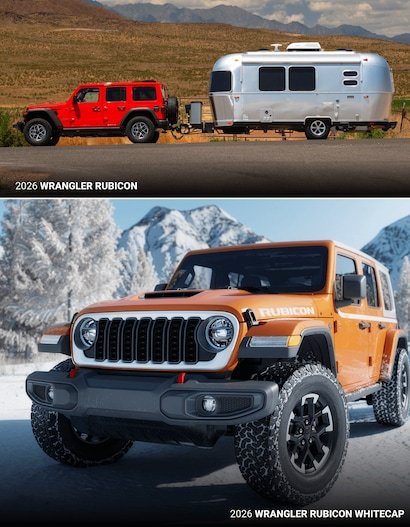
- Towing a small pop-up camper (1,800 lbs loaded): Most 4 cylinder Jeeps can handle this, but you’ll notice the extra strain, especially on hills. Keep speeds moderate and take breaks on long trips.
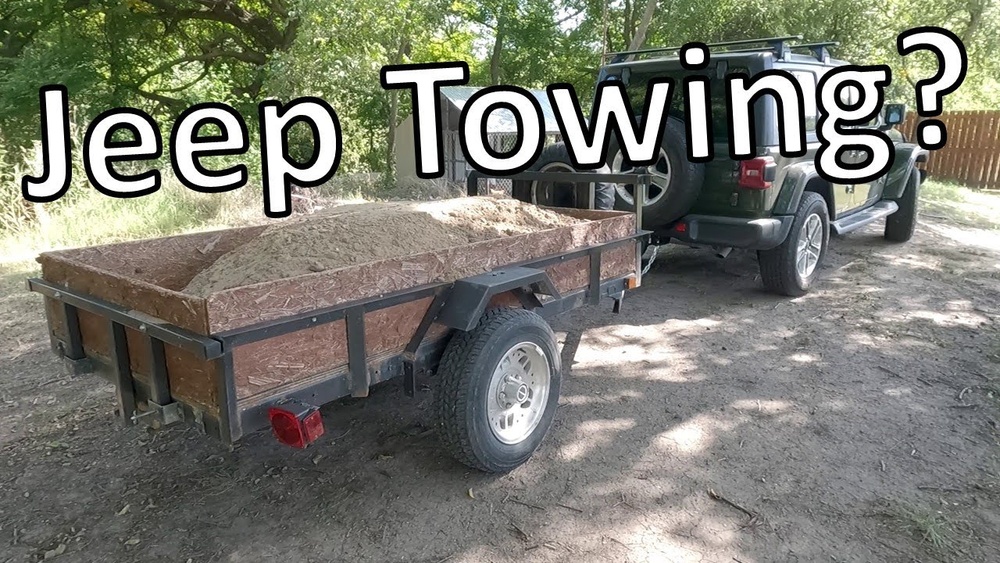
- Pulling a jet ski trailer (1,200 lbs loaded): This is well within the safe limit. You should have no problem, but double-check all connections and tire pressures.
If you want more details about how towing capacity works, check the National Highway Traffic Safety Administration guide.
Common Mistakes To Avoid
Many people make the same errors when towing with a 4 cylinder Jeep:
- Ignoring the loaded trailer weight: Always include the gear you pack.
- Forgetting about tongue weight: The weight at the hitch matters too. Too much can overload your Jeep’s rear suspension.
- Not checking tire pressures: Low tires can make handling dangerous.
- Overlooking wind resistance: Tall trailers create drag, forcing your engine to work harder.
Pros And Cons Of Towing With A 4 Cylinder Jeep
Here’s a quick look at the good and bad:
| Pros | Cons |
|---|---|
| Fuel efficient when not towing | Limited towing power |
| Lower cost to buy and maintain | Heavier trailers not possible |
| Easier to maneuver and park | Slower acceleration when towing |
When Should You Upgrade?
If you need to tow more than 2,000 lbs often, or want to haul a larger camper, consider a V6 Jeep or a bigger SUV. This gives you more power, better brakes, and greater safety.
The Bottom Line
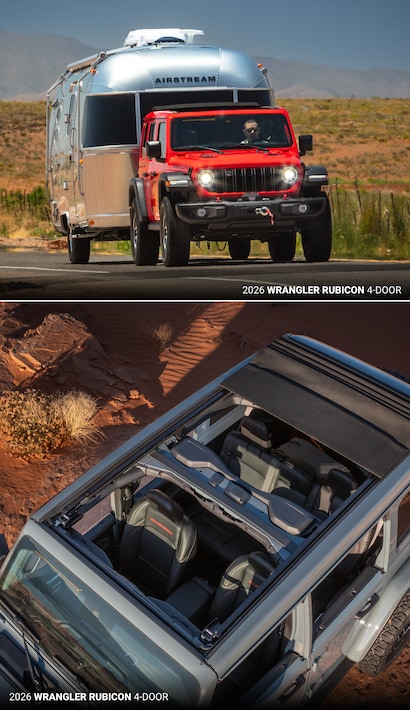
A 4 cylinder Jeep can pull a trailer, but you must be careful to stay within the limits. Always check your owner’s manual, weigh your loaded trailer, and use the right equipment.
For small boats, utility trailers, or light campers, most 4 cylinder Jeeps do just fine.
For bigger loads, you’ll need a stronger vehicle.
Frequently Asked Questions
What Is The Maximum Trailer Weight A 4 Cylinder Jeep Can Tow?
Most 4 cylinder Jeeps can tow up to 2,000 pounds. Always check your specific Jeep’s manual for the exact limit.
Can I Tow A Camper With A 4 Cylinder Jeep?
Yes, but only small campers that weigh less than 2,000 lbs loaded. Many standard travel trailers are too heavy.
Do I Need Trailer Brakes When Towing With A 4 Cylinder Jeep?
If your trailer weighs more than 1,000 pounds, trailer brakes are highly recommended for safe stopping.
Will Towing Hurt My 4 Cylinder Jeep’s Engine?
Towing within the rated capacity is safe, but pushing the limit often can cause wear on the engine and transmission over time.
Is It Safe To Tow Up Steep Hills With A 4 Cylinder Jeep?
It’s possible, but expect slow speeds and more engine strain. Use lower gears and watch engine temperature closely.