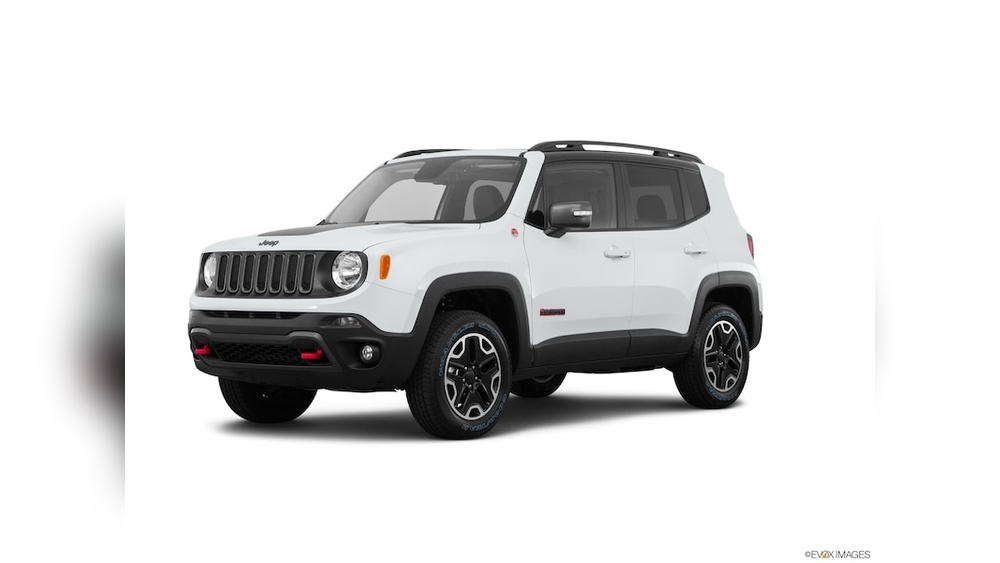
If you own or are considering a 2016 Jeep Renegade, you may wonder about its safety record and whether any recalls have affected this model. Recalls can be worrying, but they are a sign that manufacturers are taking issues seriously and working to fix them.
Understanding the recall history of the 2016 Renegade can help you make informed decisions about maintenance, safety, and buying or selling the vehicle.
Recall Overview For The 2016 Jeep Renegade
The 2016 Jeep Renegade has had several recalls over the years. These recalls cover areas such as software problems, electrical system failures, brakes, and airbags. Most recalls were issued by the National Highway Traffic Safety Administration (NHTSA) and handled by Jeep dealerships at no cost to owners.
Key Recall Numbers
- Total recalls (2016 Renegade): Over 12 official recalls between 2015–2024
- Most common recall reasons: Software errors, wiring issues, brake system faults
Main Recalls And What They Mean
Here are the most important recalls that have affected the 2016 Jeep Renegade:
1. Engine Stall Due To Software Error
In 2016, Jeep recalled many Renegade vehicles because the engine could stall suddenly due to a software glitch in the engine control module. This could increase the risk of a crash, especially at high speed.
2. Electrical Wiring Problem
In late 2016, a recall addressed a wiring harness issue that could cause the turn signals, wipers, or other electrical parts to fail. This problem was more common in Renegades built early in the year.
3. Brake Fluid Leak
Some vehicles were recalled because of a potential brake fluid leak. This could make the brakes less effective and increase stopping distance, raising crash risk.
4. Airbag Deployment Failure
Certain 2016 Renegades had problems with side curtain airbags that might not deploy in a crash. This recall covered thousands of vehicles and required a dealer fix.
5. Back-up Camera Failure
A recall in 2017 covered Renegades with a faulty rearview camera. The image could freeze or not display, making reversing risky.
6. Fuel Pump Relay Failure
The fuel pump relay could fail, causing the engine to stall or not start. Jeep recalled affected Renegades for a free relay replacement.
7. Parking Brake Problems
In some cases, the parking brake could release unintentionally. This rare issue could allow the vehicle to roll when parked.
8. Seatback Frame Welds
Jeep found that some seatback frames were not welded properly, reducing crash protection.
9. Instrument Panel Failure
The digital instrument cluster could fail, leaving drivers without speed or warning lights. A software update fixed most affected vehicles.
10. Loss Of Power Steering
Some Renegades experienced loss of electric power steering, making the car hard to steer, especially at low speeds.

How Recalls Affect Owners
When a recall is announced, owners usually receive a letter by mail. If your 2016 Jeep Renegade is affected, you can take it to a certified Jeep dealership for a free repair. Recalls do not expire, so even if you bought the car used, you can still get recall repairs done.
Quick Comparison: Common Recall Issues
Below is a comparison of the most reported recall reasons for the 2016 Jeep Renegade:
| Recall Reason | Approx. Number of Vehicles | Repair Solution |
|---|---|---|
| Engine Stall (Software) | ~15,000 | ECU Reprogramming |
| Brake Fluid Leak | ~10,000 | Replace Brake Hose |
| Airbag Failure | ~7,500 | Airbag Module Update |
How To Check If Your Vehicle Has An Open Recall
You can quickly check if your 2016 Jeep Renegade has any open recalls by using the Vehicle Identification Number (VIN). The official NHTSA website provides a tool for this.
Steps:
- Find your 17-digit VIN (on the dashboard or car paperwork).
- Go to the NHTSA recall lookup page.
- Enter your VIN and view current recalls.
This tool gives you the most up-to-date information and can help you plan for any needed repairs.
What Makes Recalls Important?
Recalls are not just about fixing problems. They are about protecting lives. Ignoring a recall can lead to breakdowns, accidents, or even injuries. If you receive a recall notice, take it seriously. The repair is free, and it keeps you and your passengers safe.
Data Table: Repair Completion Rates
How many owners actually get recall repairs done? Here are some industry averages for recall completion rates:
| Recall Type | Completion Rate (%) | Typical Wait Time |
|---|---|---|
| Major Safety | 85% | 1-2 weeks |
| Minor Electrical | 60% | 2-4 weeks |
| Software Update | 70% | Same day |
Many owners do not realize that recall repairs are always free, even for second or third owners. Another point is that some problems—like software issues—may cause symptoms only under special conditions, making them hard to spot before a recall is announced.
Also, recall notices may not reach you if the car’s ownership records are outdated. Always update your address with the DMV and Jeep if you move or buy a used Renegade.

Pro Tips For 2016 Jeep Renegade Owners
- Check recalls yearly, even if you don’t get a letter.
- Ask the dealer to check for Technical Service Bulletins (TSBs) during service. TSBs are not official recalls but may cover free or discounted repairs for known problems.
- Keep all repair records; they help with resale value and warranty claims.
- If you feel a problem (stalling, brake trouble, electrical issues), don’t wait for a recall—have it checked out right away.
These steps can prevent small issues from becoming big expenses or safety risks.