Many car owners love Jeeps for their rugged look and off-road ability. But when it comes to repairs or modifications, a common question comes up: Are Jeeps easy to work on? If you are a new Jeep owner, or considering buying one, understanding how simple it is to maintain or fix a Jeep can save you time, money, and stress. Let’s look at what makes Jeeps different under the hood, how they compare to other vehicles, and what you should expect when rolling up your sleeves.
Why People Think Jeeps Are Simple To Repair
Jeeps, especially classic models like the Wrangler, have a reputation for being mechanic-friendly. Their design roots go back to the military Willys Jeep, built for quick fixes in the field. This history means many Jeep parts are straightforward, with less electronic complexity than some newer cars.
Here are a few reasons why Jeeps are considered easy to work on:
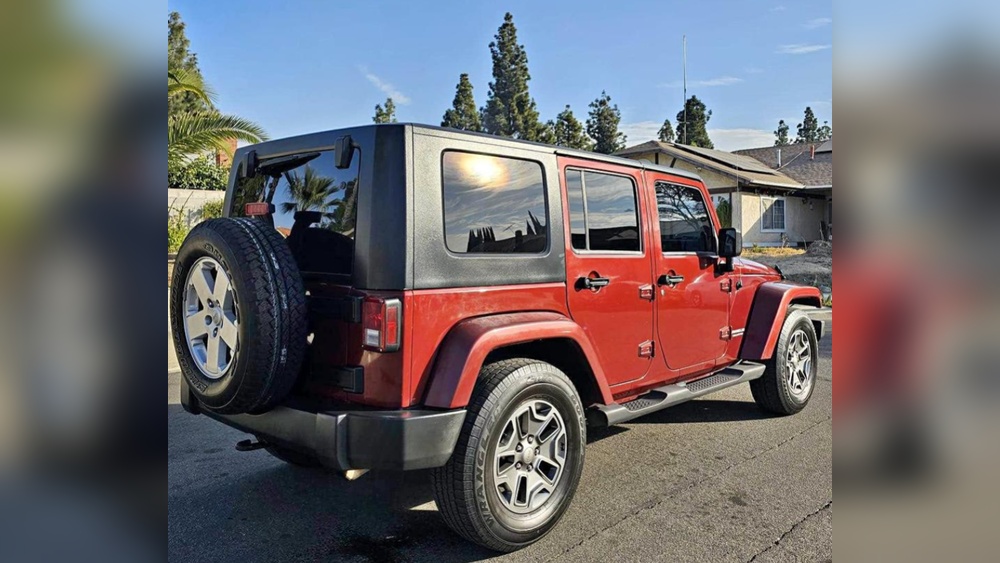
- Body-on-frame construction: The body and frame are separate, making it easier to access parts.
- High ground clearance: More space under the Jeep means you can crawl underneath without special lifts.
- Simple engine options: Older Jeeps often have basic engines, so even beginners can learn to maintain them.
- Huge community support: Jeep owners share tips, guides, and videos to help others troubleshoot.
Which Jeep Models Are The Easiest To Work On?
Not every Jeep is the same. Some models are much easier for DIY repairs than others.
| Jeep Model | Ease of Maintenance | Notes |
|---|---|---|
| Wrangler (YJ/TJ) | Very Easy | Simple design, minimal electronics |
| Cherokee (XJ) | Easy | Legendary 4.0L engine, parts widely available |
| Wrangler (JK/JL) | Moderate | More electronics, but still accessible |
| Grand Cherokee | Average | Complexity increases with newer models |
The Wrangler YJ (1987–1995) and TJ (1997–2006) are favorites for beginners. Their simple engines and easy-to-remove doors and roofs make modifications painless. On the other hand, newer Grand Cherokees have more electronics and luxury features, which can be harder to fix without special tools.
What Jobs Are Actually Easy?
Some Jeep repairs and upgrades are famous for being DIY-friendly. Here are a few examples:
- Oil Changes: Most Jeep engines have easy access to the oil filter and drain plug.
- Brake Pads: With basic tools, you can swap brake pads in an hour.
- Suspension Parts: Jeeps are often lifted or modified, so replacing shocks or springs is common and simple.
- Lighting Upgrades: Swapping headlights or adding light bars is straightforward due to exposed wiring.
- Bumper and Fender Changes: Many bumpers are bolt-on, making upgrades fast.
But not everything is simple. Some tasks, like advanced electrical work or modern transmission repairs, still need professional skills or expensive tools.
How Jeeps Compare To Other Vehicles
Is working on a Jeep really easier than other cars or trucks? Let’s compare:
| Vehicle Type | Average Repair Difficulty | Parts Cost |
|---|---|---|
| Jeep Wrangler | Easy | Low to Moderate |
| Modern Sedan (e.g., Honda Accord) | Moderate | Low |
| Luxury SUV | Difficult | High |
| Pickup Truck (e.g., Ford F-150) | Moderate | Moderate |
Jeeps, especially the Wrangler and older Cherokee, tend to be easier than luxury SUVs or even some sedans, mostly because of their simpler construction and huge aftermarket support. Parts are usually affordable and available everywhere.
Two Insights Most Beginners Miss
- Rust is a hidden enemy: Many Jeeps, especially older models, can have serious rust underneath. Even simple jobs can become difficult if bolts are rusted in place. Always check for rust before buying or repairing.
- Aftermarket parts can complicate things: While the Jeep community loves modifications, not all aftermarket parts fit perfectly. Sometimes, you’ll need to make small changes or troubleshoot unexpected problems. Sticking with reputable brands helps avoid headaches.
Tools You Will Need
You don’t need a professional mechanic’s toolbox to work on most Jeeps. For most repairs, these tools are enough:
- Socket and wrench set (metric and standard)
- Screwdrivers (flat and Phillips)
- Jack and jack stands
- Pliers and adjustable wrench
- Torque wrench (for suspension or wheel jobs)
- Lubricant spray (for rusty bolts)
A repair manual and a flashlight are also helpful. For advanced jobs, like electrical diagnostics, you may need a multimeter or OBD-II scanner.

Common Mistakes New Jeep Owners Make
- Skipping safety steps: Always use jack stands, not just a jack, when working underneath.
- Over-tightening bolts: Jeeps use both metric and standard sizes. Over-tightening can strip threads or break bolts.
- Ignoring warning lights: Modern Jeeps have sensors for a reason. If a check engine light comes on, don’t just reset it—find the problem.
- Assuming all Jeeps are the same: Each model and year has unique quirks. Always double-check the part numbers before buying replacements.
How-to: Changing Jeep Wrangler Brake Pads
Changing brake pads is a basic job, but here’s a quick overview for beginners:
- Loosen lug nuts with the Jeep on the ground.
- Lift the Jeep with a jack, place jack stands under the frame.
- Remove the wheel.
- Find the brake caliper. Remove the bolts holding it.
- Slide the caliper off and pull out the old pads.
- Push the caliper piston back with a tool or C-clamp.
- Insert new pads, re-install the caliper, and tighten bolts to the right torque.
- Reinstall the wheel, lower the Jeep, and tighten lug nuts.
Always test your brakes before driving at full speed.

The Jeep Community Advantage
One thing that sets Jeeps apart is the strong owner community. Online forums, YouTube channels, and local Jeep clubs offer advice, step-by-step guides, and troubleshooting help. For example, Wrangler Forum has thousands of answered questions and tutorials for every Jeep model.
This shared knowledge means you’re rarely alone, even if you are new to car repair.
So, Are Jeeps Easy To Work On?
For many owners, the answer is yes—especially compared to other SUVs or trucks. Classic models are famous for their simple designs and tough construction. Even newer Jeeps, though more advanced, are supported by a huge network of guides and parts. If you are willing to learn, and invest in a few basic tools, working on a Jeep can be rewarding and cost-effective.
But remember: some jobs will always need a pro, and rust or past modifications can add surprises. If you love to tinker and want a vehicle you can truly make your own, few options are better than a Jeep.

Frequently Asked Questions
Is It Cheaper To Repair A Jeep Yourself?
Yes, DIY repairs can save you hundreds of dollars in labor costs. Simple jobs like oil changes, brakes, and fluid flushes are especially cost-effective.
Which Jeep Model Is Best For Beginners To Work On?
The Wrangler TJ and Cherokee XJ are top choices. They have simple designs, fewer electronics, and plenty of affordable parts.
Do Jeeps Need Special Tools For Repairs?
Most jobs use common hand tools. Only advanced repairs, like modern engine diagnostics, may need special scanners or torque tools.
Are New Jeeps Harder To Work On Than Old Ones?
Yes, newer Jeeps have more electronics and sensors. This can make some repairs more complex, but many routine jobs are still manageable for DIYers.
Where Can I Find Good Jeep Repair Guides?
Online forums, YouTube channels, and official repair manuals are great resources. Start with communities like Wrangler Forum or check the official Jeep website for manuals.
If you want to see more about Jeep history and technical details, visit the Wikipedia Jeep page.