Are Jeeps And Trucks The Same Thing
When people see a Jeep or a truck on the road, they often wonder: are these vehicles the same thing? Both are known for their rugged looks and ability to handle tough terrain.
However, they are not identical. Their differences matter, especially if you plan to buy, drive, or use them for specific purposes.
Let’s look at what sets Jeeps and trucks apart, where they overlap, and why these details can affect your choice.
What Defines A Jeep?
The term Jeep usually refers to vehicles made by the Jeep brand, famous for their off-road abilities. The most iconic model is the Jeep Wrangler, which has roots going back to World War II. Jeeps are known for their four-wheel drive, high ground clearance, and strong suspension systems. These features make them great for exploring trails, mud, or rocky paths.
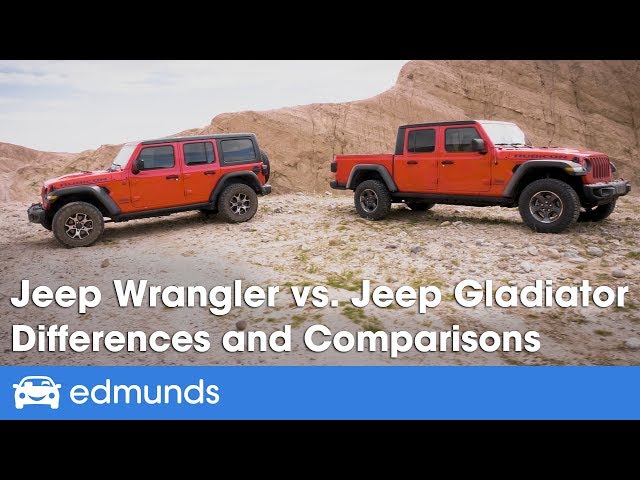
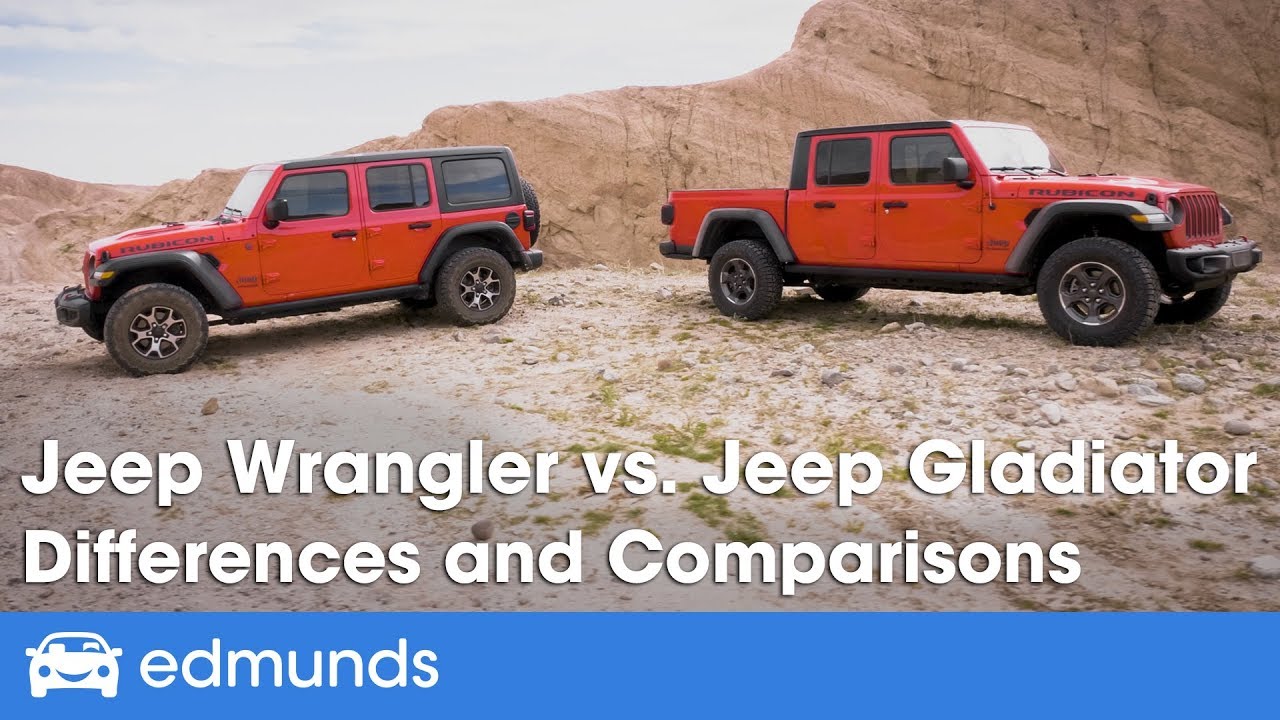
Most Jeeps are SUVs (Sport Utility Vehicles), not trucks. They often have two rows of seats and a closed body, similar to a car. Some Jeeps, like the Jeep Gladiator, do offer a truck-like bed, but this is rare. A key insight: “Jeep” is a brand, not a vehicle type, so not all boxy, off-road vehicles are Jeeps.
What Is A Truck?
A truck in the US usually means a pickup truck. These vehicles have an open cargo bed at the back, cab up front, and are designed for carrying heavy loads. Popular models include the Ford F-150, Chevrolet Silverado, and Ram 1500. Trucks are built with body-on-frame construction, which makes them strong and durable.
Trucks come in different sizes:
- Full-size trucks: Large, powerful, often used for towing and hauling
- Mid-size trucks: Smaller, more fuel-efficient, still capable of carrying loads
A big difference: trucks are made for work. They can tow trailers, carry tools, or transport goods. Their design centers around function, not just comfort or style.
Jeep Vs Truck: Side-by-side Comparison
To make things clearer, here is a basic comparison between Jeeps and trucks:
| Feature | Jeep Wrangler | Ford F-150 (Truck) |
|---|---|---|
| Body Style | SUV | Pickup Truck |
| Cargo Space | Enclosed (behind seats) | Open bed (at rear) |
| Off-road Capability | Excellent | Good (depends on trim) |
| Towing Capacity | Up to 3,500 lbs | Up to 14,000 lbs |
| Passenger Seating | 4–5 | 2–6 (depends on cab size) |
As you can see, both vehicles are tough, but they serve different purposes. Trucks excel at towing and hauling, while Jeeps shine in off-road adventures.
Main Differences Between Jeeps And Trucks
Here are some clear differences that matter most:
- Brand vs Vehicle Type: Jeep is a brand (like Toyota or Ford). Truck is a type of vehicle. Not all Jeeps are trucks, and not all trucks are Jeeps.
- Cargo Capacity: Trucks have a larger, open bed. Jeeps usually have enclosed cargo space.
- Chassis Design: Trucks use body-on-frame construction for strength. Most Jeeps use unibody or specialized frames for off-road use.
- Towing Power: Trucks typically tow more. For example, the Ford F-150 can tow up to 14,000 lbs, while the Jeep Wrangler maxes out at about 3,500 lbs.
- Purpose: Jeeps are made for off-road fun. Trucks are built for work, carrying loads, and towing.
Here’s another comparison table showing typical use cases:
| Use Case | Jeep | Truck |
|---|---|---|
| Rock Crawling | Excellent | Fair |
| Hauling Lumber | Poor | Excellent |
| Towing Boats | Limited | Excellent |
| Family Trips | Good | Good |
| Camping Off-Road | Excellent | Good |

Where Jeeps And Trucks Overlap
Some vehicles blur the lines. The Jeep Gladiator is a good example—it is a Jeep with a truck bed. Other brands, like Toyota, offer trucks with strong off-road packages. Both Jeeps and trucks can have 4×4 drive, making them strong off-road.
Another insight: People often modify trucks for off-road use, but their basic structure is still focused on carrying loads. Jeeps, even modified, remain more agile and nimble for trail driving.
Why These Differences Matter
Choosing between a Jeep and a truck depends on your needs:
- Off-road adventure: Jeep is usually better.
- Work and towing: Truck is the best choice.
- Daily driving: Both can work, but trucks are often larger and harder to park.
Price is another factor. According to 2026 US sales data, the average new truck price was around $57,000, while a Jeep Wrangler costs about $42,000. Maintenance costs are also higher for trucks because of their size and complexity.
Common Mistakes When Comparing Jeeps And Trucks
- Thinking all Jeeps are trucks: Not true. Most Jeeps are SUVs.
- Assuming trucks are bad off-road: Some trucks are great off-road, but Jeeps are built for it.
- Confusing cargo space with passenger space: Trucks have big beds, but not always more seats.
A practical tip: If you need to carry heavy items or tow large trailers, choose a truck. If you want to explore trails and enjoy open-air driving, a Jeep is your best friend.
Frequently Asked Questions