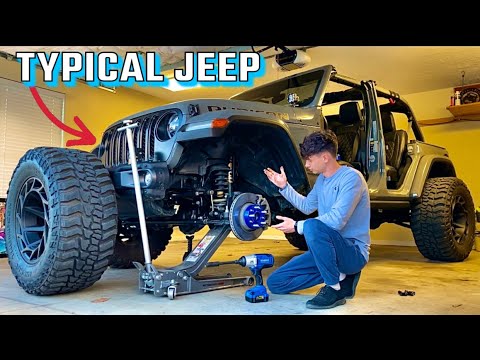
Are Jeep Wranglers Unreliable?
The Jeep Wrangler stands out as an icon among SUVs. Its classic design, off-road abilities, and adventurous spirit attract many drivers.
But behind the rugged look, a question often comes up: Are Jeep Wranglers unreliable? If you search online or talk to owners, you’ll find mixed opinions.
Some drivers love their Wranglers, while others share stories of repairs and frustrations. This article takes a close look at what really makes a Wrangler reliable or not, and what you should consider before buying one.
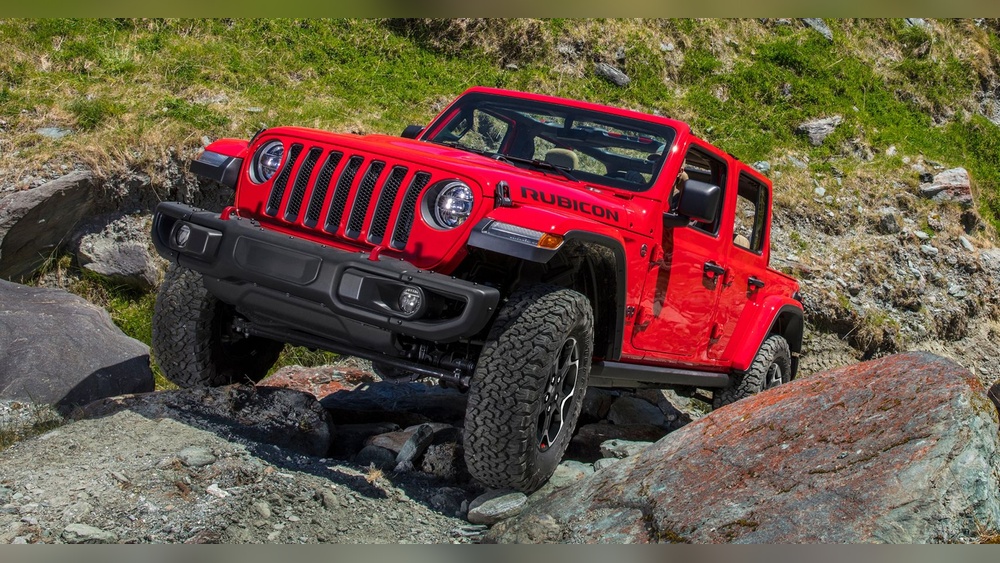
Understanding Jeep Wrangler Reliability
Reliability means how often a vehicle has problems or needs repairs. For the Jeep Wrangler, opinions vary. Some drivers report years of trouble-free driving, while others experience repeated issues.
Consumer Reports and J.D. Power often score the Wrangler lower than other SUVs for reliability. For example, the 2026 Wrangler had a predicted reliability rating below average compared to other compact SUVs. The main reasons are mechanical issues, electronics, and build quality.
Common Reliability Ratings
Here’s a comparison of recent Jeep Wrangler reliability scores with popular rivals:
| Model | J.D. Power Reliability Score (2026) | Consumer Reports (2026) Reliability Rating |
|---|---|---|
| Jeep Wrangler | 86/100 | 2/5 |
| Toyota 4Runner | 87/100 | 4/5 |
| Ford Bronco | 77/100 | 2/5 |
While Wranglers score higher than some direct rivals like the Bronco, they trail behind the Toyota 4Runner, a long-time leader in SUV dependability.
Common Jeep Wrangler Problems
Not every Wrangler breaks down, but some problems appear again and again. Knowing these issues helps you make an informed choice.
- Electrical issues: Owners report problems with the radio, dashboard lights, and window switches.
- Steering problems: The famous “death wobble” (shaking at highway speeds) worries some drivers.
- Water leaks: Soft tops and seals may let water enter the cabin, especially in rain.
- Transmission concerns: Some automatic transmissions can shift roughly or fail early.
- Suspension and axle wear: Off-road use can speed up wear on these parts.
Frequency Of Repairs
How often do these problems happen? Data from automotive repair shops shows Wranglers need repairs a bit more often than average. Here’s a simple comparison:
| Model | Average Annual Repair Visits | Average Annual Repair Cost |
|---|---|---|
| Jeep Wrangler | 0.5 | $694 |
| Toyota 4Runner | 0.4 | $514 |
| Honda CR-V | 0.3 | $407 |
Wranglers don’t break down every month, but repairs can cost more than for simple crossovers.

Why Do People Still Buy Jeep Wranglers?
With all these problems, why do people keep buying Wranglers? The answer is passion and purpose.
- Unique off-road skills: No other SUV matches the Wrangler’s rugged capability.
- Strong community: Owners love to share tips, stories, and adventures.
- Easy customization: You can add lights, bigger tires, or roof racks easily.
- Resale value: Surprisingly, used Wranglers hold their value better than most SUVs.
For many drivers, these benefits outweigh the risk of extra repairs.
What Beginners Often Miss
If you’re new to Wranglers, here are two insights most beginners overlook:
- Wranglers are not built for comfort. The ride is bumpy and noisy compared to family SUVs. If you want a smooth, quiet drive, you’ll be disappointed.
- Off-road use increases wear. Using your Wrangler for heavy trails means more repairs and maintenance. Regular off-road driving speeds up suspension, tire, and brake wear.
Many buyers focus only on the tough look and forget these everyday realities.
Tips To Maximize Your Wrangler’s Reliability
If you want a Wrangler but worry about reliability, these tips help:
- Choose a newer model: Older Wranglers (especially before 2012) had more problems. Recent models are more refined.
- Avoid heavy modifications: Extreme lifts or giant tires can stress parts and cause more repairs.
- Maintain regularly: Stick to oil changes, fluid checks, and tire rotations.
- Test drive before buying: Listen for noises and check for leaks. Ask for service records if buying used.
- Buy from a trusted dealer: Certified pre-owned Wranglers often include warranties.
How The Wrangler Compares To Other Suvs
Is the Wrangler really less reliable, or just different? It helps to compare:
| Feature | Jeep Wrangler | Toyota 4Runner | Honda CR-V |
|---|---|---|---|
| Off-road ability | Excellent | Very good | Poor |
| On-road comfort | Basic | Good | Excellent |
| Reliability | Below average | Above average | Excellent |
| Resale value | High | High | Medium |
Wranglers win for off-road fun and resale value, but lag in comfort and reliability.

Should You Worry About Wrangler Reliability?
If your main concern is long-term reliability and low repair costs, the Wrangler may not be your best choice. Crossovers and family SUVs like the Honda CR-V or Toyota RAV4 are far less likely to break down.
However, if you love the outdoors, want to drive trails, and don’t mind a few repairs, the Wrangler is unmatched. Many owners accept the trade-offs for the lifestyle it offers.
For more technical details and long-term owner data, see Wikipedia’s Jeep Wrangler page.
Frequently Asked Questions
Is The Jeep Wrangler Reliable For Daily Driving?
Wranglers can be daily drivers, but expect more noise, a rougher ride, and higher repair chances than regular SUVs.
How Long Do Jeep Wranglers Typically Last?
With good care, a Wrangler often lasts 200,000 miles or more. Off-road use or poor maintenance can shorten its life.
Do Wranglers Have More Problems Than Other Suvs?
Yes, Wranglers have more mechanical and electrical issues than average SUVs, especially compared to brands like Toyota or Honda.
Are Jeep Wranglers Expensive To Maintain?
Wrangler repair costs are higher than most crossovers. Parts like axles, suspension, and soft tops add to upkeep.
Is The “death Wobble” Common In All Wranglers?
Not all, but some Wranglers (especially older ones) can develop this steering problem. Proper alignment and suspension checks help prevent it.
The Jeep Wrangler isn’t the most reliable SUV, but for many, its unique strengths make it worth the extra effort. Consider your needs and expectations before deciding if it’s the right fit for you.