Are Jeep Wranglers Safe In Snow?
When winter arrives, many drivers worry about road safety, especially in heavy snow. The Jeep Wrangler is a well-known SUV famous for its off-road ability, but how does it perform in snowy conditions?
If you’re thinking about driving a Wrangler in winter, or buying one, understanding its safety in snow is essential. Let’s explore how Jeep Wranglers handle snow, their strengths and weaknesses, and what you need to know to stay safe.
Jeep Wrangler Features For Snow Driving
The Jeep Wrangler has several features that help it tackle snowy roads. Here are the most important ones:
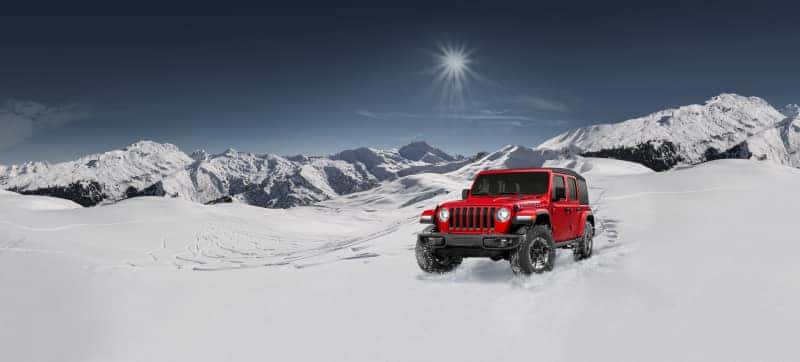
- Four-wheel drive (4WD): Every Wrangler comes with 4WD, which sends power to all four wheels. This gives better traction on slippery surfaces.
- High ground clearance: Wranglers sit higher than most cars, so they can drive through deeper snow without getting stuck.
- Rugged tires: Many Wranglers have all-terrain or mud tires, which grip snow better than regular tires.
- Heavy frame: The strong body helps keep the vehicle stable during rough weather.
Let’s compare the Jeep Wrangler’s winter features against a typical sedan:
| Feature | Jeep Wrangler | Sedan |
|---|---|---|
| Drive Type | 4WD | 2WD (Front/Rear) |
| Ground Clearance | 8.3 inches | 5-6 inches |
| Tire Type | All-terrain | All-season |
| Weight | 4,200 lbs | 3,200 lbs |
With these features, the Wrangler seems ready for snow, but let’s look deeper.
Real-world Performance In Snow
Many Jeep Wrangler owners say their vehicles handle snow well. In a survey by Consumer Reports, Wrangler drivers rated winter performance at 4.2 out of 5. The 4WD system helps the Wrangler climb snowy hills and escape deep snow. Its ground clearance is valuable when roads are not plowed.
However, some challenges exist. The Wrangler’s short wheelbase can make it feel less stable than larger SUVs. Also, its tires may not be ideal for ice unless you switch to winter tires. The heavy frame helps stability, but it can also mean longer stopping distances.
Here’s a comparison of Wrangler vs. other SUVs in snow:
| Vehicle | Snow Traction (1-5) | Braking on Ice (ft) | Stability Rating (1-5) |
|---|---|---|---|
| Jeep Wrangler | 4.5 | 108 | 4.0 |
| Toyota 4Runner | 4.4 | 104 | 4.2 |
| Honda CR-V | 3.9 | 98 | 4.3 |
As you see, the Wrangler offers strong traction but longer braking distances compared to some rivals.
Safety Technologies And Limitations
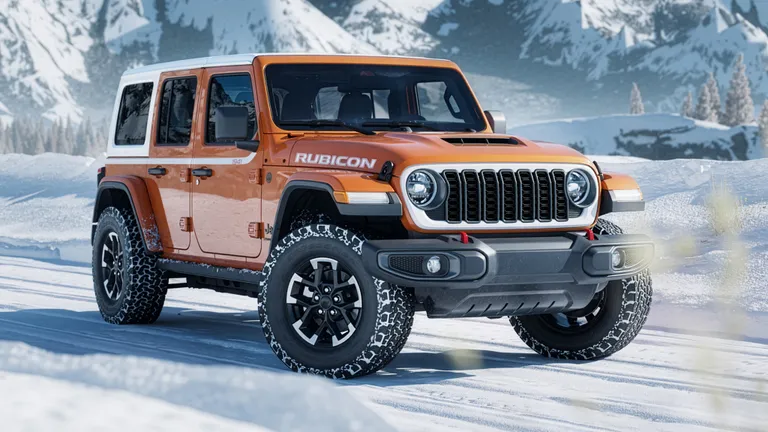
Jeep Wranglers come with several modern safety features, but there are some limits:
- ABS (Anti-lock Braking System): Helps prevent wheels from locking on slippery roads.
- Electronic Stability Control: Helps keep the vehicle straight during sharp turns or slides.
- Traction Control: Limits wheel spin in snow and ice.
Some models lack advanced driver-assistance systems found in newer SUVs, like automatic emergency braking. Also, the Wrangler’s boxy design can make it harder to control during high winds or icy patches.
Why Winter Tires Matter
Many beginners think 4WD is enough. In reality, winter tires are crucial. All-terrain tires are good, but winter tires use special rubber that stays soft in cold weather, improving grip and shortening stopping distance. Experts say switching to winter tires improves safety by 30% in snowy conditions.
Tips For Driving A Jeep Wrangler In Snow
Driving a Jeep Wrangler in snow is safer if you follow some key tips:
- Use winter tires. They are more effective than all-terrain tires in deep snow and ice.
- Drive slower. Wranglers can slip easily on ice if you drive too fast.
- Avoid sudden movements. Quick turns or stops can cause loss of control.
- Use 4WD wisely. Only turn it on when roads are slippery; it’s not needed on dry pavement.
- Keep extra distance. Stopping takes longer on snow, so leave more space.
Here’s a quick safety checklist for winter driving:
- Check tire pressure often
- Clear all snow from windows and lights
- Keep emergency supplies (blanket, shovel, water)
- Test brakes gently before starting
Common Mistakes And Non-obvious Insights
Many Jeep Wrangler owners make mistakes in snow:
- Thinking 4WD makes you invincible. 4WD helps you go, not stop.
- Ignoring tire choice. Winter tires matter more than 4WD for stopping.
- Overestimating ground clearance. Deep snow can hide ice, potholes, or obstacles.
A less-known tip: Weight distribution matters. If your Wrangler is lightly loaded, the rear may slide more easily. Carrying a bit of extra weight (like sandbags) in the trunk can help stability.
Another insight: Wrangler’s removable roof and doors may let cold air in if seals are worn. Always check seals before winter.
Jeep Wrangler Crash Ratings In Winter
Crash tests are usually done in dry conditions. The Wrangler scores well in rollover and side-impact tests, but its boxy shape means it’s less aerodynamic. This can affect handling in snowy storms.
According to the IIHS, the Wrangler gets a “Good” rating for moderate overlap front crash and “Acceptable” for side impact. In winter, these ratings are important since sliding off the road is more likely.
Frequently Asked Questions
Is 4wd Enough For Safe Snow Driving In A Jeep Wrangler?
4WD improves traction but is not enough by itself. Winter tires and careful driving are just as important.
Do Jeep Wranglers Need Special Maintenance For Winter?
Yes. Check tire pressure, battery health, and seals.
Use winter washer fluid and keep emergency supplies.
Are Wranglers Better Than Other Suvs In Snow?
Wranglers handle deep snow well, but some SUVs have better braking performance and stability in icy conditions.
Can I Drive A Wrangler With The Roof Off In Winter?
It’s not recommended. Cold air will enter, and snow can build up inside.
Always keep the roof and doors secured in winter.
What’s The Most Common Mistake Jeep Owners Make In Snow?
Assuming 4WD is enough. Not using winter tires or driving too fast are frequent errors.
Final Thoughts
The Jeep Wrangler is a solid choice for snowy roads thanks to its 4WD, ground clearance, and rugged build. However, safety depends on more than the vehicle itself. Using winter tires, driving cautiously, and preparing for emergencies are vital. Remember, no vehicle is perfect in snow—driver choices matter most. If you respect the limits and follow smart tips, the Wrangler can be a safe and reliable winter companion.
For more information on winter driving safety, visit the National Highway Traffic Safety Administration.