Rainy days can make driving challenging. Slippery roads, poor visibility, and puddles can all turn a normal trip into a stressful experience.
Many people wonder if the Jeep Wrangler—famous for its rugged style and off-road skills—is a good choice for wet weather. Let’s break down how Wranglers handle rain, what features matter most, and whether you can trust them when the skies open up.
Jeep Wrangler Performance In Rain
The Jeep Wrangler is built for tough conditions. Its four-wheel drive system helps keep traction even when roads are slick. Most Wranglers come with all-terrain tires that grip well on wet pavement. The high ground clearance means you’re less likely to get stuck in deep puddles or flooded streets.
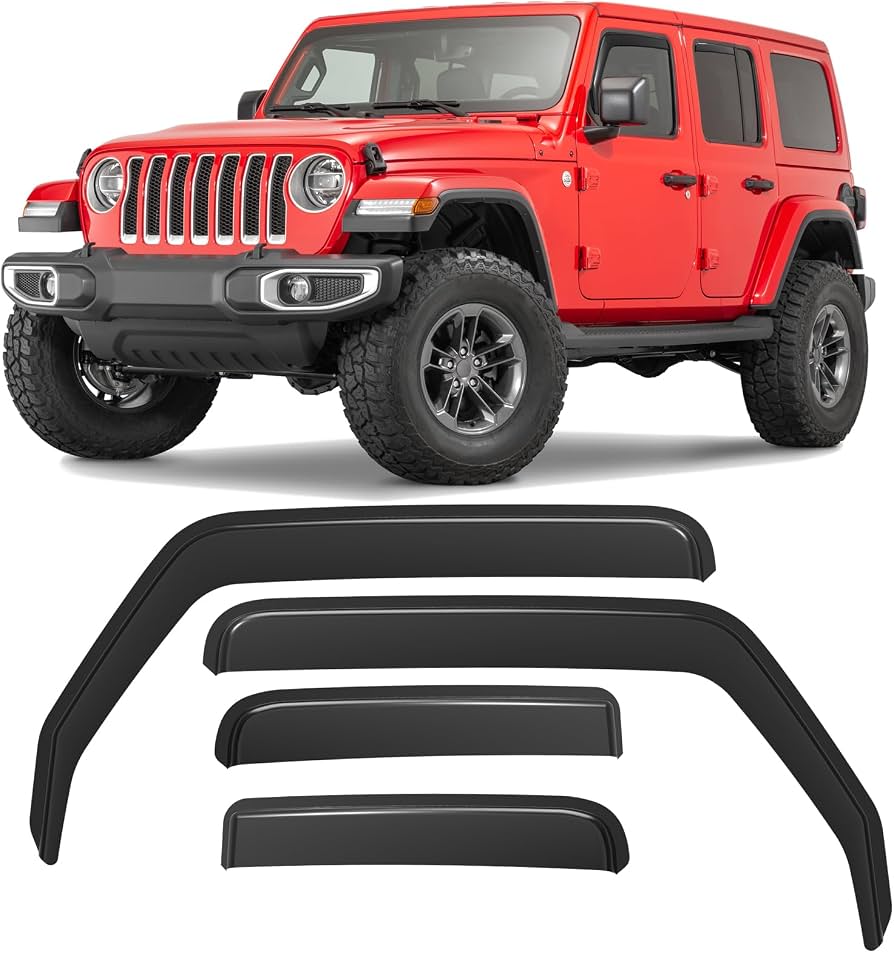
However, Wranglers are not perfect. Their boxy shape and high center of gravity can sometimes make them less stable than lower, more aerodynamic vehicles. Many owners notice wind noise and water leaks, especially with soft tops. The Wrangler’s short wheelbase also means it can feel twitchy if you drive too fast in heavy rain.
Here’s a quick look at how Wranglers compare to typical sedans in rainy conditions:
| Feature | Jeep Wrangler | Sedan |
|---|---|---|
| Traction | High (4WD) | Medium (FWD/RWD) |
| Ground Clearance | 8.3 inches | 5-6 inches |
| Stability | Medium | High |
| Water Resistance | Good | Average |
Key Features For Rain Driving
Several Wrangler features help in rainy weather. Understanding them gives you confidence when storms arrive.
- Four-Wheel Drive (4WD): Lets you power all wheels, reducing slip.
- All-Terrain Tires: Designed to channel water and keep traction.
- High Ground Clearance: Helps avoid water damage from flooded roads.
- Sealed Electrical Systems: Protects against moisture.
- ABS and Stability Control: Newer Wranglers have advanced safety systems that help you maintain control.
But not all Wranglers are equal. Older models may lack some of these modern features. Soft tops can leak, and worn seals can let water inside. If you drive a used Wrangler, check the roof seams and door seals before rainy season.
Common Issues In Rain
Wranglers have some weaknesses when it comes to wet weather. Here are a few problems owners often report:
- Leaks: Soft tops and removable hard tops may let water in, especially if seals are old.
- Fogging Windows: The heating and defrost systems may struggle to clear moisture.
- Hydroplaning: Despite good tires, Wranglers can hydroplane if you drive too fast.
- Visibility: The upright windshield can be harder to keep clear, and wipers are smaller than on some cars.
Many of these issues are fixable. Upgrading seals, using water-repellent sprays, and replacing wipers can help.
Keeping tire tread deep is essential for safe rain driving.
Here’s a comparison of common issues between Wrangler tops:
| Top Type | Leak Risk | Noise Level | Maintenance |
|---|---|---|---|
| Soft Top | High | Loud | Frequent |
| Hard Top | Low | Quiet | Minimal |
Real-world Experiences
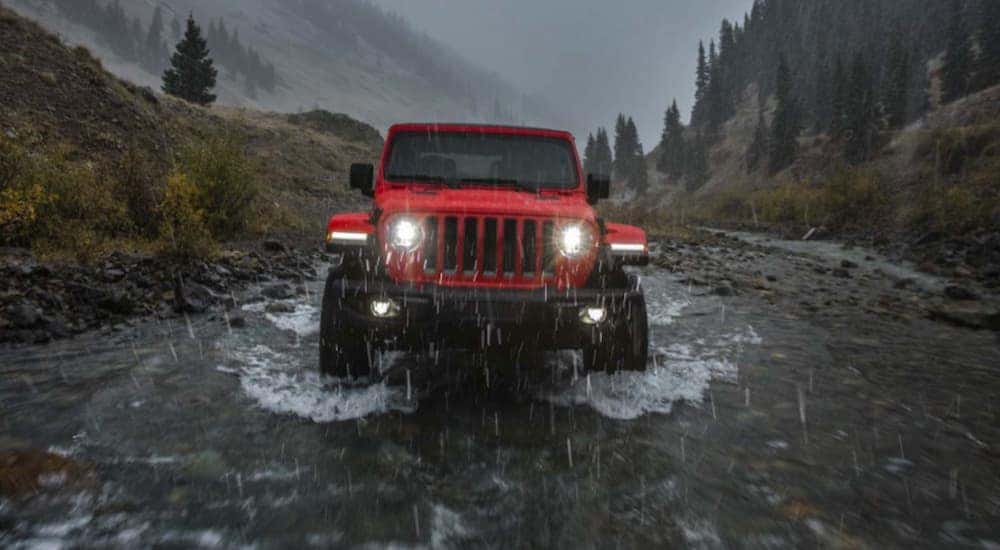
Many Wrangler owners love their vehicles in the rain. The confidence of 4WD and the rugged build make puddles less scary.
For example, the Wrangler’s approach and departure angles help it climb over obstacles that would stop regular cars.
Some owners report leaks or wind noise, but most say these are minor compared to the freedom and safety the Wrangler provides. In cities with frequent rain, Wranglers are popular because they handle flooding and slippery roads well.
One insight beginners often miss: tire pressure matters. Lower pressure improves grip in rain, but too low increases risk of damage. Check your tires often and adjust as needed.
Another less obvious tip: drive with headlights on, even during daytime rain. The Wrangler’s upright body can make you harder to spot, especially in heavy showers.
Wrangler Vs. Other Suvs In Rain
Wranglers are not alone in their rain skills. Other SUVs also perform well, but few match the Wrangler’s off-road ability and water resistance.
Here’s how the Wrangler stacks up against a popular SUV, the Toyota RAV4:
| Feature | Wrangler | Toyota RAV4 |
|---|---|---|
| Off-Road Ability | Excellent | Good |
| Leak Risk | Medium | Low |
| Ground Clearance | 8.3 inches | 8.4 inches |
| 4WD/AWD | Standard | Optional |
The Wrangler holds its own against modern competitors. If you want more comfort and less maintenance, a regular SUV may be easier.
But for adventure and bad weather, the Wrangler is hard to beat.
Tips For Safe Rain Driving In A Wrangler
Driving safely in the rain is not just about having the right vehicle. Here are some practical tips for Wrangler owners:
- Slow down and leave extra space between vehicles.
- Use fresh, quality wiper blades.
- Check tire tread and pressure before storms.
- Keep headlights on for visibility.
- Avoid deep water unless you know the depth.
- Regularly inspect seals and roof for leaks.
Ignoring these basics can turn rain driving from fun to dangerous. Even with a capable Wrangler, respect the weather.