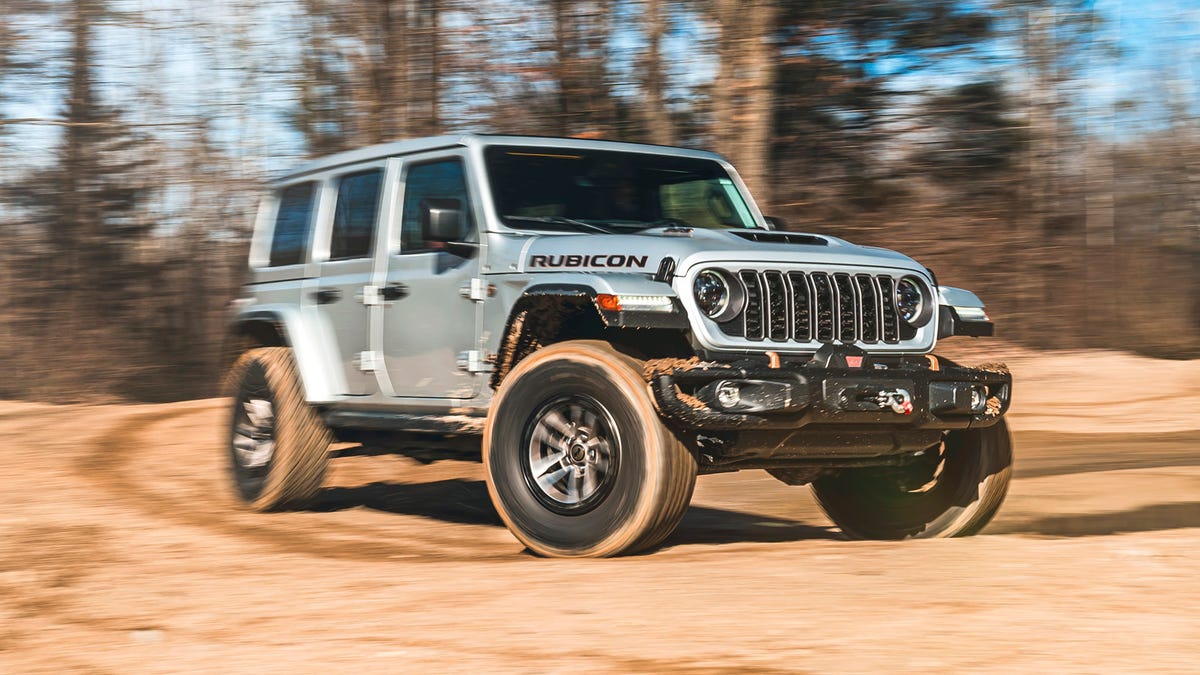
When you think of the Jeep Wrangler, images of rugged trails, muddy wheels, and open skies often come to mind. But if you’re new to the world of Jeeps or just curious, you might wonder: are Jeep Wranglers front or rear wheel drive?
This is a key question for anyone considering buying or driving a Wrangler, especially if you plan to take it off-road or use it in different weather conditions. Understanding how power is delivered to the wheels helps you know what to expect from performance, handling, and capability.
How Jeep Wrangler’s Drivetrain Works
The Jeep Wrangler is famous for its off-road ability. This is no accident. The way its drivetrain is set up makes a big difference.

Most Jeep Wranglers come standard with four-wheel drive (4WD). But what does this really mean? Let’s break it down:
- In normal driving on paved roads, the Wrangler uses rear wheel drive (RWD). Power from the engine goes mainly to the rear wheels.
- When you shift into 4WD mode (using a lever or knob), power is sent to both the front and rear wheels.
- The Wrangler is never front wheel drive (FWD) only. It’s always rear wheel drive at minimum, with the option for four-wheel drive.
This setup is different from many regular cars or SUVs. A lot of modern vehicles use front wheel drive because it’s cheaper and works well for city roads. The Wrangler’s design, however, puts a strong focus on rear wheel drive, with 4WD for tough conditions.
Why Rear Wheel Drive Matters In The Wrangler
The use of rear wheel drive as the default offers several benefits:
- Better towing: Rear wheel drive puts the engine’s power directly to the rear wheels, which is helpful for pulling trailers or loads.
- Off-road capability: Rear wheel drive works well with the Wrangler’s high ground clearance and short wheelbase, making it easier to climb over rocks or drive through mud.
- Balanced handling: Rear wheel drive vehicles tend to have more even weight distribution, which can lead to better handling, especially on rough terrain.
But there are some things to be aware of. In slippery conditions like snow or ice, rear wheel drive alone can be tricky.
This is where the Wrangler’s 4WD system shines, as it gives you extra grip when you need it.
Jeep Wrangler Drivetrain Options Over The Years
Throughout its history, the Wrangler has used several different 4WD systems. Here’s a quick look at how these compare:
| Generation | Standard Drivetrain | 4WD System Type |
|---|---|---|
| YJ (1987-1995) | Rear Wheel Drive + 4WD | Part-Time 4WD |
| TJ (1997-2006) | Rear Wheel Drive + 4WD | Command-Trac |
| JK (2007-2018) | Rear Wheel Drive + 4WD | Command-Trac/Rock-Trac |
| JL (2018+) | Rear Wheel Drive + 4WD | Command-Trac, Selec-Trac, Rock-Trac |
Part-time 4WD means you use rear wheel drive for everyday use, and switch to 4WD only when needed. Some newer Wranglers offer full-time 4WD (Selec-Trac), which can automatically adjust power to all wheels as needed.
How 4wd Works In Practice
When you drive a Wrangler, you usually start in 2H (2-wheel drive, high range), which uses only the rear wheels. If you hit dirt, snow, or mud, you can shift to 4H (4-wheel drive, high range) for more grip. For deep mud or rocks, there’s 4L (4-wheel drive, low range), which gives extra torque at low speeds.
Here’s how these modes compare:
| Mode | Wheels Powered | Best Use |
|---|---|---|
| 2H | Rear Wheels Only | Dry pavement, normal driving |
| 4H | All Four Wheels | Snow, sand, loose dirt |
| 4L | All Four Wheels | Steep hills, deep mud, rocks |
Switching between these modes is usually simple, but always check your owner’s manual for the best practice.

Jeep Wrangler Vs Other Suvs
Not all SUVs are built like the Wrangler. Many crossovers and SUVs use front wheel drive or all-wheel drive (AWD) systems that can’t match the Wrangler’s off-road performance.
Here’s a quick comparison:
| Vehicle | Standard Drivetrain | Off-road Capability |
|---|---|---|
| Jeep Wrangler | Rear Wheel Drive + 4WD | Excellent |
| Honda CR-V | Front Wheel Drive | Poor |
| Toyota RAV4 | Front Wheel Drive | Poor |
| Subaru Outback | All-Wheel Drive | Good |
This shows why the Wrangler is a favorite for people who love adventure and need real off-road strength.
Two Key Insights Many Miss
- Tire selection matters: Even with 4WD, using the wrong tires for the season or surface can limit your Wrangler’s ability. Good all-terrain or mud tires make a huge difference.
- Drivetrain maintenance is key: The transfer case and differentials in a Wrangler need regular checks. Ignoring them can lead to expensive repairs and poor performance.
Common Mistakes About Jeep Wrangler Drivetrain
- Some people believe all SUVs are front wheel drive, but the Wrangler never is.
- Forgetting to switch back to 2H after using 4WD on dry pavement can lead to extra wear on parts and worse fuel economy.
- Using 4WD on dry, hard surfaces can cause the drivetrain to bind, leading to damage over time.
Frequently Asked Questions