Are Jeep Wranglers Any Good?
Many people wonder if the Jeep Wrangler is a smart choice for their next vehicle. With its rugged look and reputation for adventure, the Wrangler grabs attention. But is it really as good as it seems? Let’s explore its strengths and weaknesses to help you decide if a Jeep Wrangler matches your needs.
What Makes Jeep Wranglers Stand Out?
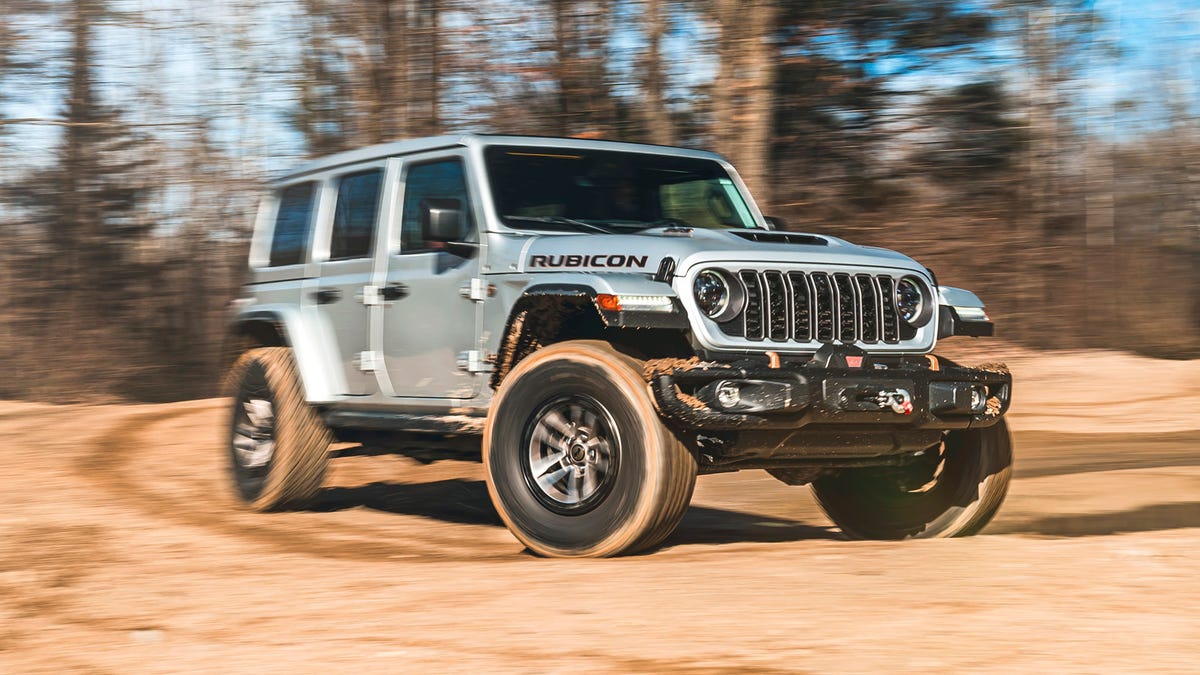
The Jeep Wrangler is famous for its off-road abilities. It’s one of the few vehicles that come ready for dirt roads, rocky trails, and muddy paths. Most Wranglers have four-wheel drive and high ground clearance, which let them handle tough terrain easily.
Wranglers also have a unique design. You can remove the roof and doors, giving a feeling of freedom and connection to nature.
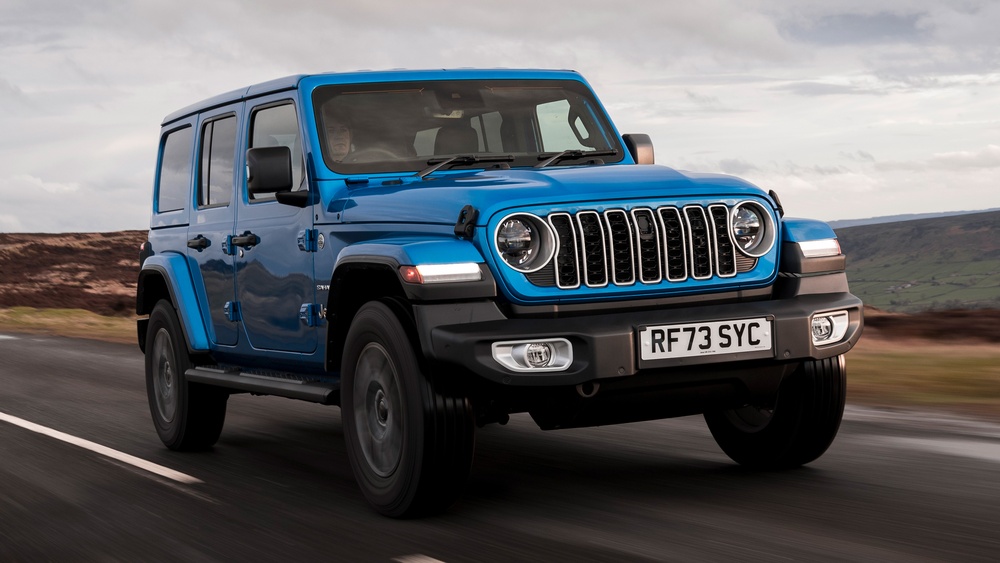
The boxy shape is instantly recognizable and often seen as cool or adventurous.
Here’s how the Wrangler compares to other SUVs in off-road features:
| Model | Ground Clearance (inches) | 4WD System | Approach Angle (degrees) |
|---|---|---|---|
| Jeep Wrangler | 10.8 | Standard | 44.0 |
| Toyota 4Runner | 9.6 | Optional | 33.0 |
| Ford Bronco | 11.6 | Standard | 35.5 |
Wrangler’s approach angle and ground clearance are among the best, making it a top pick for off-road fans.
Everyday Driving: Comfort And Practicality
While the Wrangler shines off-road, it’s not perfect for everyone. The ride can feel bumpy and noisy on city streets.
The suspension is tuned for rough terrain, not smooth highways.
Inside, Wranglers have improved over the years. Newer models offer touchscreen displays, Bluetooth, and modern safety features. Still, the cabin is simple compared to other SUVs. The back seats and cargo space are smaller, especially in the two-door version.
Let’s look at how the Wrangler compares to typical mid-size SUVs in daily comfort:
| Model | Rear Legroom (inches) | Cargo Space (cu ft) | Noise Level (dB at 60 mph) |
|---|---|---|---|
| Jeep Wrangler 4-Door | 38.2 | 31.7 | 70 |
| Honda CR-V | 40.4 | 39.2 | 65 |
| Subaru Forester | 39.4 | 35.4 | 66 |
You’ll notice the Wrangler offers less cargo space and is louder inside than its competitors.
Reliability And Maintenance
Reliability is a mixed area for the Wrangler. According to many owners, Wranglers can last over 200,000 miles if cared for. However, repair data shows they often need more frequent fixes than other SUVs.
Common issues include electrical problems, water leaks, and suspension wear. Parts are easy to find, and repairs are usually not too expensive. But some repairs, like transmission work, can cost a lot.
Here’s a quick comparison of annual maintenance costs:
| Model | Average Annual Maintenance ($) | Common Repair Issues |
|---|---|---|
| Jeep Wrangler | 694 | Electrical, Suspension |
| Toyota RAV4 | 429 | Minor Engine, Brakes |
| Ford Bronco | 590 | Electrical, Brakes |
Wrangler maintenance costs are higher than average but not extreme.
Fuel Economy And Cost Of Ownership
Jeep Wranglers are not known for being fuel efficient. Most models get 17–21 miles per gallon, depending on the engine and year. This is lower than many other SUVs.
Buying a Wrangler usually costs between $33,000 and $45,000 for new models. Used ones can be found for less, but keep an eye on condition and mileage. Insurance costs are average, but fuel and repairs can add up.
It’s smart to calculate your yearly expenses before buying. For example, someone driving 15,000 miles per year may spend $2,500–$3,000 on fuel alone.
Who Should Buy A Jeep Wrangler?
The Wrangler is best for those who:
- Love off-roading and outdoor adventures
- Want a vehicle with a unique style and removable roof
- Don’t mind extra noise and a firmer ride
- Are ready for higher maintenance costs
It’s not ideal for people who want maximum comfort, fuel savings, or lots of cargo space. If you drive mainly in cities or need space for a family, a different SUV may suit you better.
One insight many miss: Wranglers hold their resale value well. Even older models often sell for good prices, which is rare in the SUV market.
Some new owners are surprised by wind noise after removing the roof. Also, the Wrangler’s turning radius is tight, but parking can be tricky due to its height and shape.
A second insight: The Wrangler’s aftermarket support is huge. You can buy parts and accessories to customize nearly every part, from bumpers to lights. This makes it easy to upgrade or repair, but it can tempt owners to spend more than they plan.
If you decide on a Wrangler, try to:
- Test drive both two-door and four-door versions
- Check for leaks after heavy rain (especially if buying used)
- Compare engine options for your needs