Are Jeep Wagoneers Good Cars
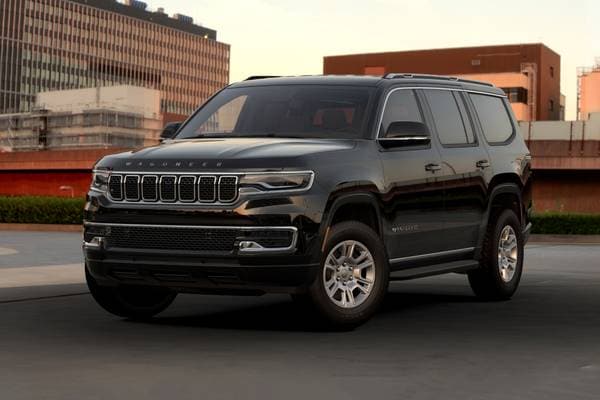
The Jeep Wagoneer has a long history in the American automotive world. Once famous as a luxury SUV in the 1960s and 70s, the Wagoneer returned in recent years with modern updates and powerful engines. But with the SUV market crowded and more choices than ever, many buyers wonder: Are Jeep Wagoneers good cars today? Let’s break down what makes the Wagoneer stand out, where it falls short, and if it’s worth your money.
Overall Performance And Driving Experience
The new Jeep Wagoneer aims for a spot in the full-size SUV segment, competing with models like the Chevrolet Tahoe and Ford Expedition. Its 5.7-liter V8 engine produces 392 horsepower, offering strong acceleration, especially for highway driving and towing. An eight-speed automatic transmission keeps shifts smooth, and rear-wheel drive comes standard, with four-wheel drive as an option.
On the road, the Wagoneer feels comfortable and confident. The ride is smooth, even on rough pavement, thanks to a well-designed suspension.

Steering is light for a vehicle of this size, but parking can still be a challenge due to its length and width.
Owners praise the quiet cabin and solid build quality. However, the Wagoneer’s large size means fuel economy is not its strong point. The EPA estimates 15 mpg city and 20 mpg highway, which is average for the class but less than many crossovers.
Interior Quality And Comfort
Step inside the Wagoneer, and you’ll notice the focus on luxury and space. High-quality materials cover most surfaces, with real wood accents and soft leather seats in higher trims. Standard seating fits eight people, making it a strong choice for large families.
The third row is more spacious than many rivals. Adults can sit comfortably, not just children. There’s also plenty of room for cargo, even with all seats up.
Here’s a look at how the Wagoneer’s interior compares to two main competitors:
| Model | Passenger Capacity | Third Row Legroom (inches) | Cargo Space Behind 3rd Row (cu ft) |
|---|---|---|---|
| Jeep Wagoneer | 8 | 36.6 | 27.4 |
| Chevrolet Tahoe | 7-8 | 34.9 | 25.5 |
| Ford Expedition | 7-8 | 36.1 | 20.9 |
Another highlight is the Uconnect infotainment system. A 10.1-inch touchscreen comes standard, with an optional 10.3-inch display for the passenger. Apple CarPlay, Android Auto, and wireless charging are also included. The system is intuitive and quick to respond, something that not all rivals can claim.
Safety And Reliability
The Wagoneer is packed with advanced safety features, even on base models. Automatic emergency braking, blind-spot monitoring, lane-keeping assist, and adaptive cruise control come standard. These technologies help make such a large vehicle easier to handle and safer for families.
Crash test data from the National Highway Traffic Safety Administration (NHTSA) is limited because the Wagoneer is a newer model. However, Jeep’s recent vehicles show good safety scores overall.
When it comes to reliability, the Wagoneer is still building its reputation. Early reports show average reliability, which is common for a brand-new vehicle. Some owners mention small issues with electronics, but nothing widespread. Jeep offers a three-year/36,000-mile basic warranty and a five-year/60,000-mile powertrain warranty, which is competitive for the segment.
Value For Money
The Jeep Wagoneer is not a budget SUV. The base price starts around $60,000, and fully loaded versions can climb above $90,000. For this money, you get premium features, a roomy interior, and impressive towing power (up to 10,000 pounds with the right equipment).
Let’s compare starting prices and towing ability with two competitors:
| Model | Starting Price (USD) | Max Towing Capacity (lbs) |
|---|---|---|
| Jeep Wagoneer | $60,995 | 10,000 |
| Chevrolet Tahoe | $56,200 | 8,400 |
| Ford Expedition | $55,125 | 9,300 |
The Wagoneer holds its value well for a luxury SUV, but depreciation is still high compared to smaller vehicles. Insurance and maintenance costs are also above average. One overlooked cost is fuel—if you drive a lot, the Wagoneer’s V8 will be expensive to fill up.
Common Owner Experiences
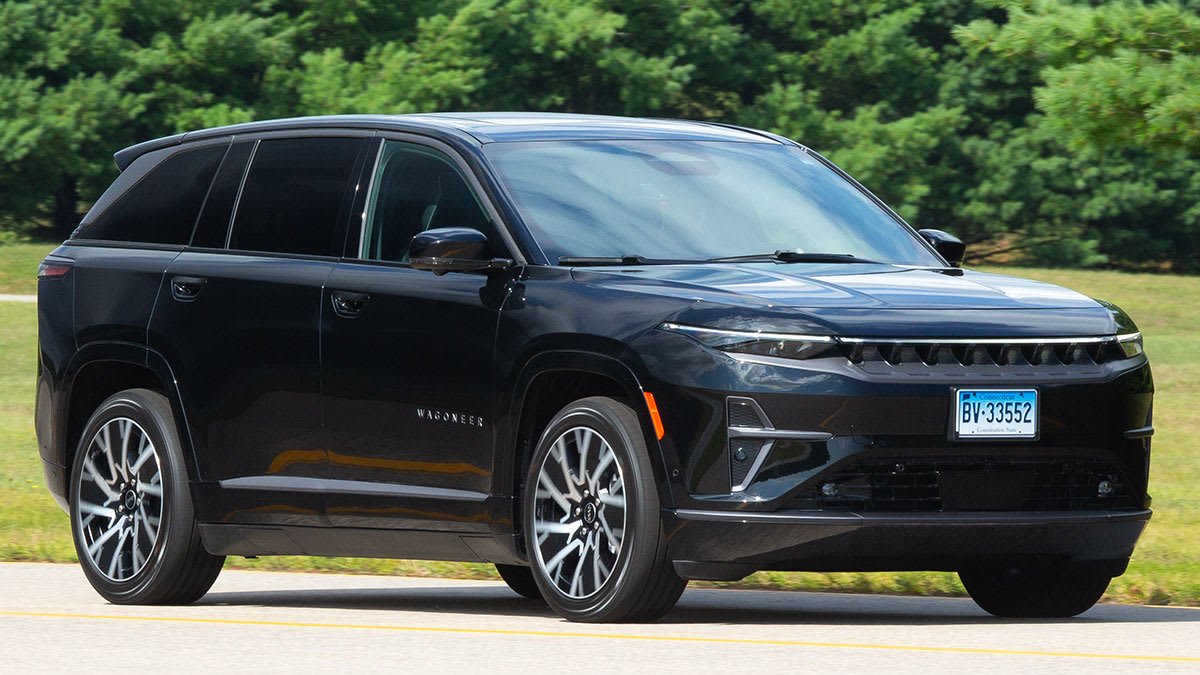
Owners appreciate the comfortable ride and tech features. Many mention the high-quality sound system and easy-to-use controls. The towing power is a big plus for families with boats or trailers.
However, some users find the size challenging in city driving. Maneuvering in tight spaces or parking garages can be stressful. Also, some report minor electronic glitches with displays or apps, especially in the first few months.
A non-obvious insight: Many buyers overlook the Jeep Wave customer program, which comes with the Wagoneer. This includes free oil changes and tire rotations for three years, adding extra value that’s easy to miss in the initial price.
Who Should (and Shouldn’t) Buy The Wagoneer
The Jeep Wagoneer is a strong choice for:
- Large families needing three rows and cargo space
- Drivers who tow heavy trailers or boats
- Buyers who want luxury features without moving to a traditional luxury brand
On the other hand, it may not fit:
- City drivers who need easy parking
- Buyers worried about fuel costs
- Those who want a compact, easy-to-drive SUV
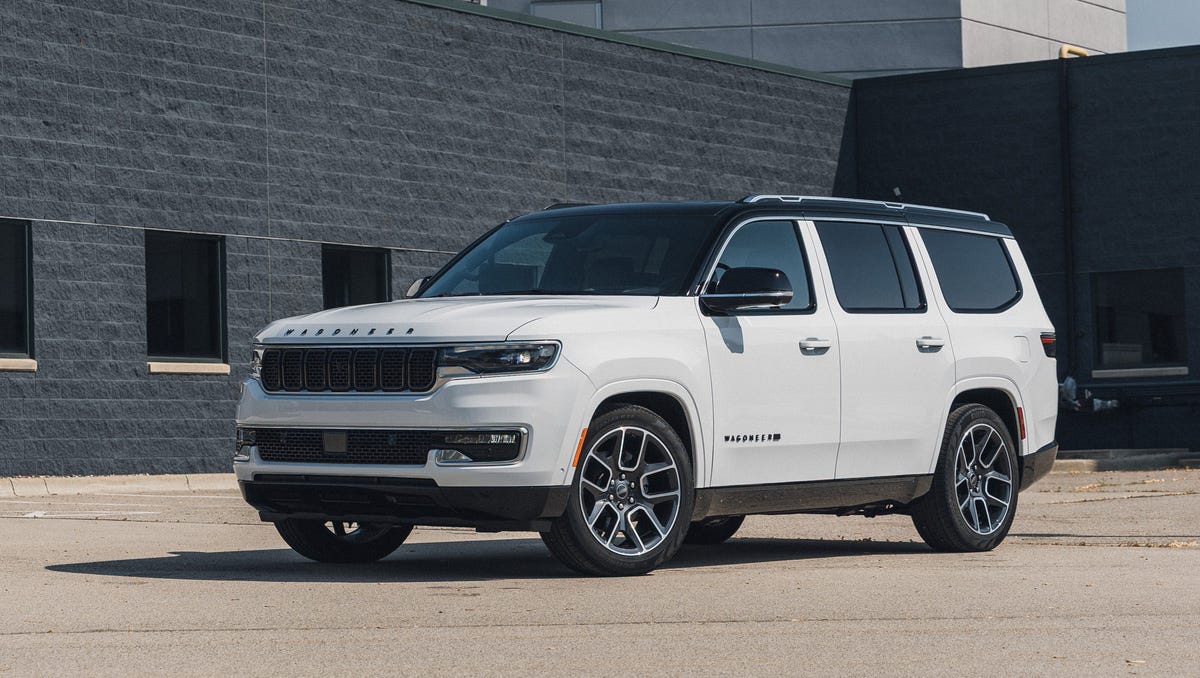
A final tip: If you don’t need the full size or towing ability, consider Jeep’s Grand Cherokee L. It offers three rows in a smaller, more affordable package.
Frequently Asked Questions
Is The Jeep Wagoneer Reliable?
The Wagoneer is still new, so long-term reliability is not fully known. Early reports are average, with most issues being minor electronic glitches.
Jeep’s warranty and free maintenance program offer peace of mind for new owners.
How Does The Wagoneer Compare To The Grand Wagoneer?
The Grand Wagoneer is the more luxurious, high-end version. It comes with a larger engine, more premium materials, and a higher price tag. Both are spacious and comfortable, but the Grand Wagoneer targets buyers who want maximum features.
What Is The Real-world Fuel Economy?
Most owners report getting about 15–17 mpg in mixed driving. This is typical for a V8-powered, full-size SUV but higher than most crossovers or smaller SUVs. Regular highway driving can help improve mileage slightly.
Is The Jeep Wagoneer Good For Off-roading?
While the Wagoneer has four-wheel drive and some off-road ability, it’s designed mainly for comfort and towing, not rough trails. For serious off-roading, a Jeep Grand Cherokee or Wrangler is a better fit.
The Wagoneer is best for light off-road use, like gravel roads or campsites.
Where Can I Learn More About Jeep Wagoneer Features?
For the latest details and updates, visit the official Jeep Wagoneer website. It offers full specs, current incentives, and owner resources.
In summary, the Jeep Wagoneer is a good car for the right buyer. It blends classic style with modern luxury, serious towing power, and a spacious cabin.
If you value space and comfort over fuel savings, the Wagoneer deserves a close look.