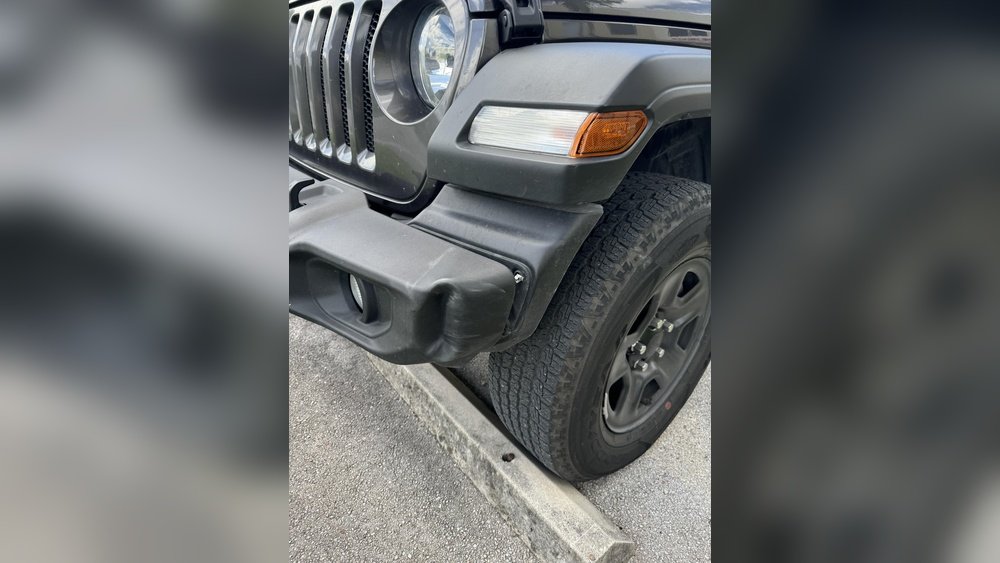
Are Jeep Suvs Good?
If you’re thinking about buying an SUV, you’ve probably heard about Jeep. For decades, Jeep has been famous for rugged vehicles that handle tough roads and off-road trails.
But are Jeep SUVs actually good for daily driving, family use, or long-term ownership? Let’s take a closer look at the facts, features, and real-world experiences to help you decide.
What Makes Jeep Suvs Stand Out
Jeep SUVs are known for their off-road ability. Models like the Wrangler and Grand Cherokee can drive on dirt, sand, snow, and rocky paths better than most other brands. This reputation comes from Jeep’s history with military vehicles in World War II. Today, Jeep uses strong suspension, four-wheel-drive systems, and high ground clearance in many models.
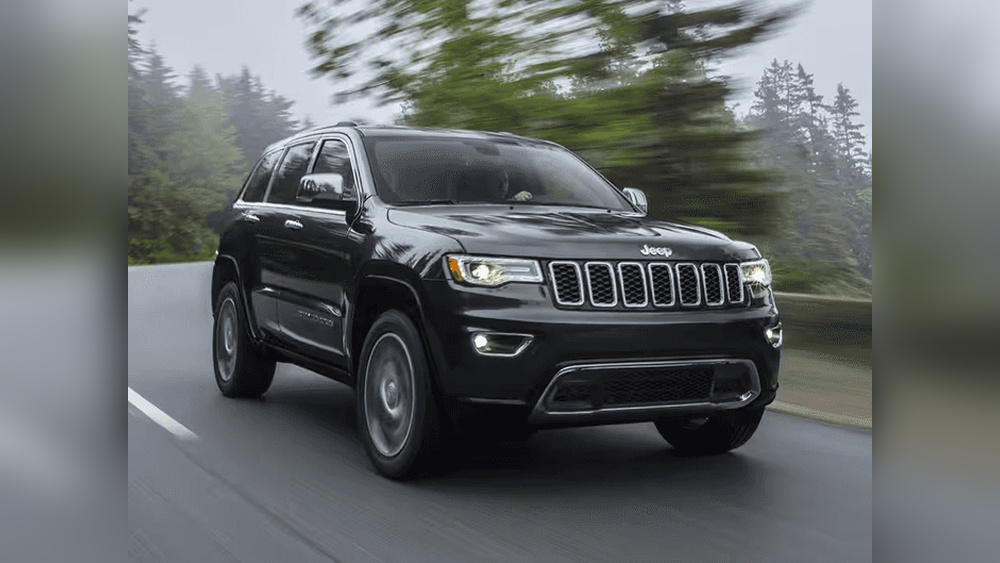
But off-road skill isn’t the only reason people buy a Jeep. Many drivers like the iconic design, comfortable interiors, and advanced technology. Recent models offer touchscreen displays, smartphone integration, and safety features like blind-spot monitoring.
Comparing Jeep Suvs To Other Brands
To understand how Jeep stacks up, it helps to compare them with other popular SUVs. The table below shows how Jeep SUVs match up against Toyota and Ford in a few key areas:
| Brand | Off-road Capability | Reliability Rating | Fuel Efficiency (mpg) | Starting Price (USD) |
|---|---|---|---|---|
| Jeep Wrangler | Excellent | Average | 17 city / 25 highway | $33,000 |
| Toyota RAV4 | Moderate | High | 27 city / 35 highway | $28,000 |
| Ford Explorer | Good | Above Average | 20 city / 27 highway | $36,000 |
Jeep leads in off-road capability, but Toyota and Ford often perform better in reliability and fuel efficiency. Jeep’s prices are competitive, but not always the cheapest.
Common Pros And Cons
Jeep SUVs have unique strengths and weaknesses. Here’s a quick look:
Pros:
- Excellent off-road performance – Great for outdoor adventures.
- Strong resale value – Many Jeeps keep their value well, especially the Wrangler.
- Bold style – Distinct look that stands out from other SUVs.
- Advanced 4×4 systems – True four-wheel drive, not just all-wheel drive.
Cons:
- Average reliability – Some models report more issues than competitors.
- Lower fuel economy – Most Jeeps use more gas than similar SUVs.
- Higher maintenance costs – Repairs can be pricier, especially for older models.
- Noise and ride comfort – Some Jeep models are louder and less smooth on highways.
Real-world Data: Reliability And Ownership
Reliability is a big concern for buyers. According to J.D. Power, the Jeep Grand Cherokee scores 78/100, which is close to average. The Wrangler scores 77/100. Toyota SUVs, in comparison, often score above 80.
A recent survey showed that about 21% of Jeep owners experienced at least one major repair in the first five years. For Toyota, that number was 13%.
This doesn’t mean Jeeps break often, but you may face more repairs compared to some rivals.
Another common insight: Jeep’s warranty covers most issues for three years or 36,000 miles. Extended warranties are available, but cost extra.

Features And Technology In Jeep Suvs
Modern Jeep SUVs offer many features found in luxury vehicles. Here’s a quick comparison of key features in three popular Jeep models:
| Model | Touchscreen Size | Apple CarPlay/Android Auto | Adaptive Cruise Control | Heated Seats |
|---|---|---|---|---|
| Jeep Grand Cherokee | 10.1-inch | Yes | Yes | Yes |
| Jeep Compass | 8.4-inch | Yes | No | Yes |
| Jeep Wrangler | 8.4-inch | Yes | No | No |
Most new Jeeps include smartphone integration and safety tech. Higher trims offer more luxury options, like leather seats and larger touchscreens.
Jeep Suvs For Different Needs
Jeep offers a variety of SUVs for different lifestyles:
- Wrangler: Best for off-road adventures, camping, and fun drives. Not ideal for long highway trips.
- Grand Cherokee: Good for families, daily commuting, and comfortable travel. Offers strong towing ability.
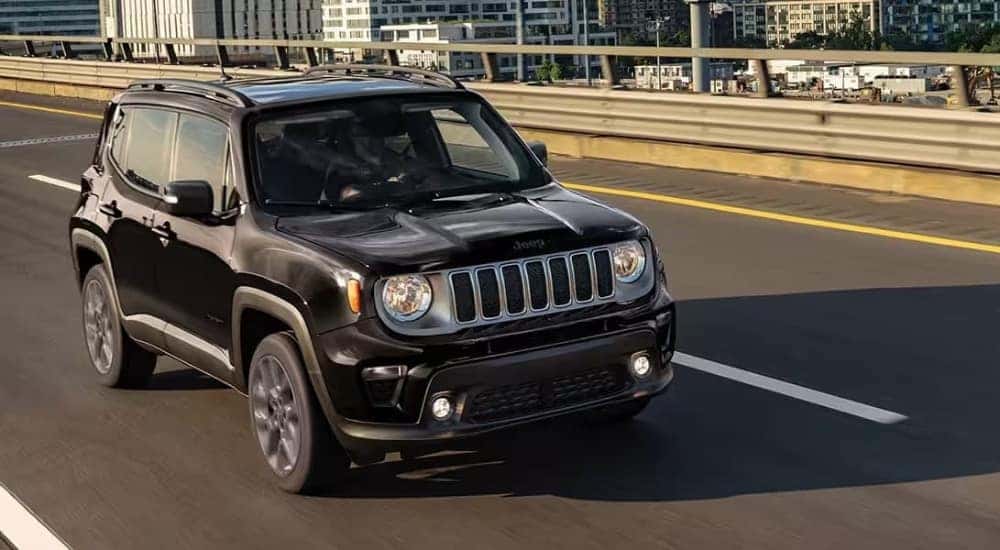
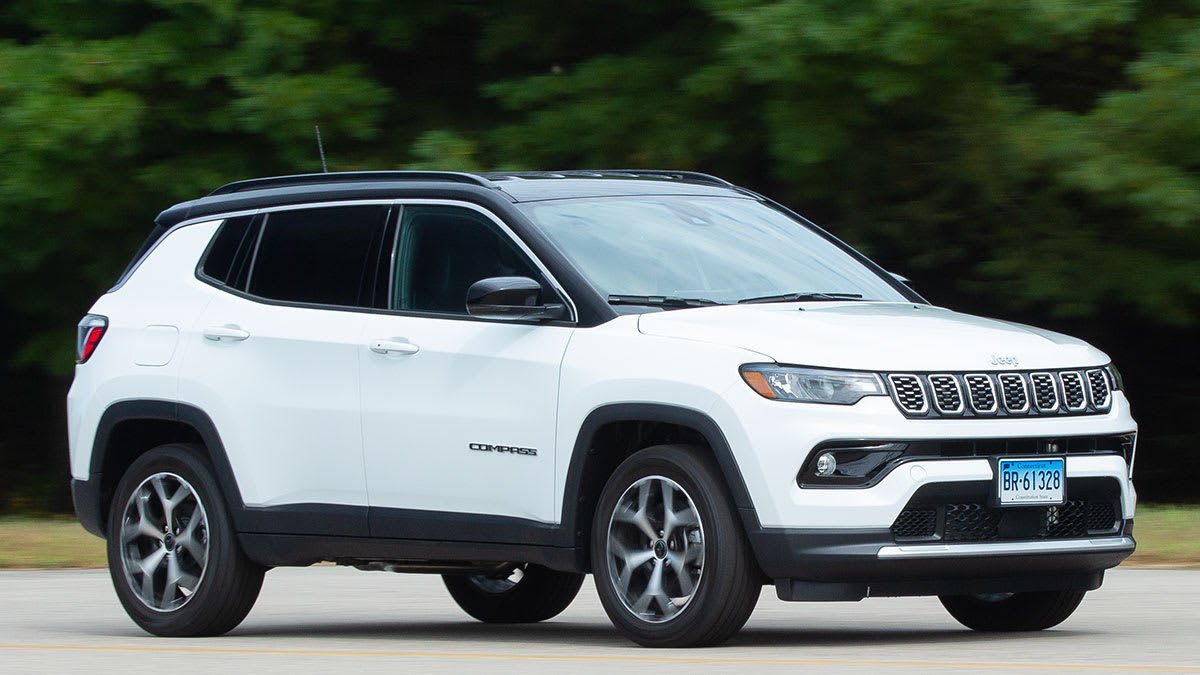
- Compass and Renegade: Smaller, more affordable models. Great for city driving, easy parking, and light off-roading.
If you need serious off-road performance, Jeep is a top choice. For city driving and reliability, other brands might suit you better.
Two Non-obvious Insights For Buyers
- Tire choice matters: Many Jeep owners upgrade tires for off-road driving. However, bigger tires can reduce fuel economy and increase road noise. Choose tires based on your main use, not just looks.
- Trim level differences: The same Jeep model can vary a lot between trims. For example, a base Wrangler is much less comfortable than the Sahara or Rubicon versions. Always test-drive different trims before deciding.
Ownership Costs: Insurance, Maintenance, And Resale
Owning a Jeep comes with some unique costs. Insurance rates are often higher due to the vehicle’s value and risk of theft (Wranglers are popular targets).
Maintenance costs can also be above average, especially for 4×4 systems.
However, Jeeps often have high resale values. A 5-year-old Wrangler can keep up to 60% of its original price, while many other SUVs drop to 40–50%. This makes Jeep a smart choice for buyers who plan to sell after a few years.
Environmental Impact
Jeep SUVs are not the most eco-friendly option. Most models use bigger engines and burn more fuel. The Jeep 4xe plug-in hybrid offers better efficiency and lower emissions. If you want a greener Jeep, look for hybrid or electric options.
For more details on Jeep’s environmental efforts, check out the official Jeep sustainability page at Jeep Sustainability.
Frequently Asked Questions
Are Jeep Suvs Reliable?
Jeep SUVs are average in reliability. Some models, like the Grand Cherokee, perform well, but others may have more issues. Regular maintenance helps keep Jeeps running smoothly.
Is A Jeep Good For City Driving?
Jeep SUVs like the Compass and Renegade are good for cities. Wranglers and Grand Cherokees are larger and may be harder to park in tight spaces.
How Does Jeep Compare To Toyota?
Toyota SUVs usually offer better reliability and fuel efficiency. Jeep wins in off-road ability and unique design.
Are Jeeps Expensive To Maintain?
Jeep maintenance costs are higher than some competitors. Repairs for 4×4 systems and special parts can cost more, especially as the vehicle ages.
Which Jeep Model Is Best For Families?
The Grand Cherokee is the most popular Jeep for families. It has a roomy interior, good safety features, and comfortable ride.
Buying a Jeep SUV is a choice that depends on your needs. If you love adventure and want a vehicle that stands out, Jeep is a great option.
But if you value reliability, quiet rides, and low costs, consider other brands.
Test-drive different models, compare trims, and think about how you’ll use your SUV. That way, you’ll find the best fit for your lifestyle.