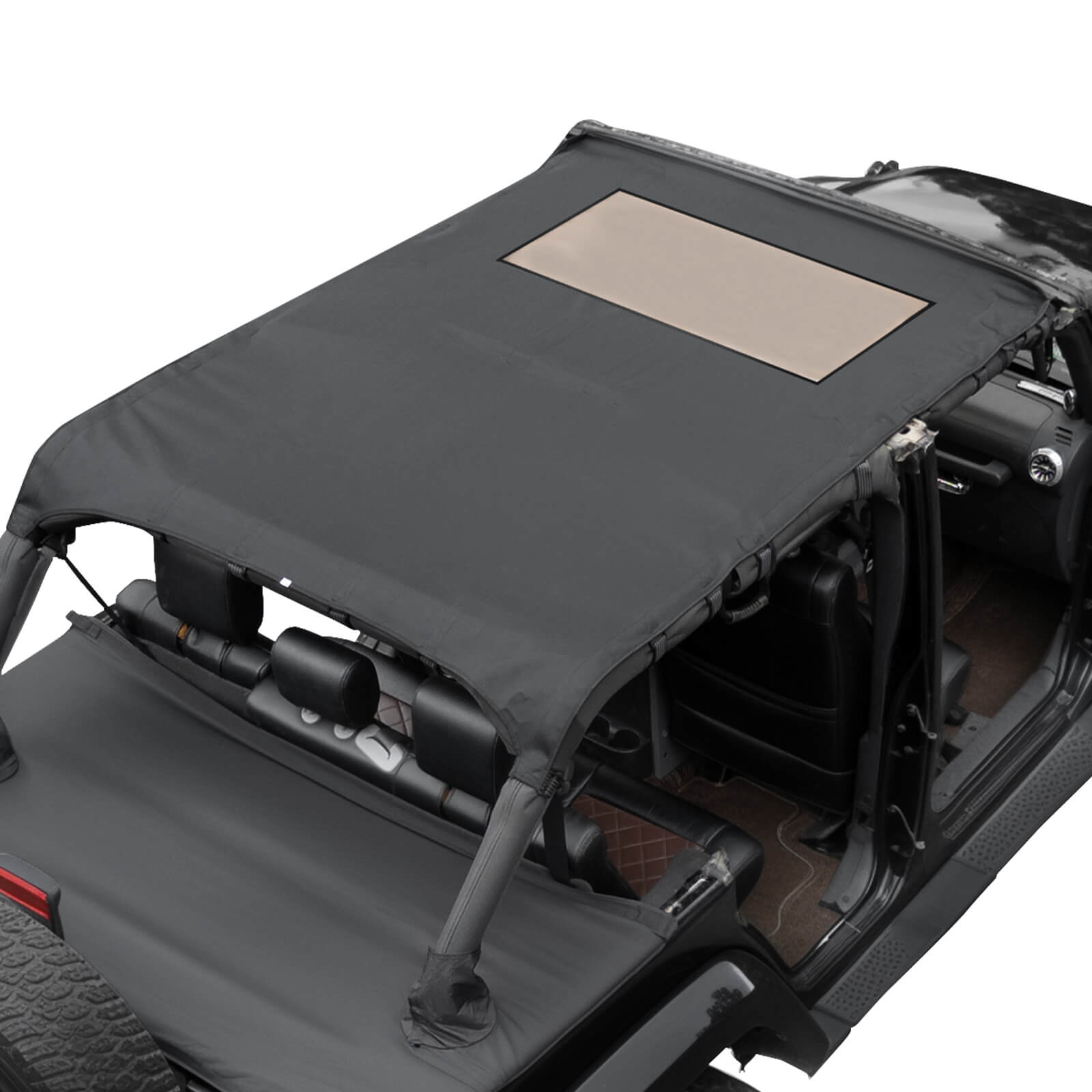
Jeep soft tops are a popular choice for many Jeep owners. They offer flexibility, open-air driving, and a classic off-road look.
But one big question always comes up: Are Jeep soft tops waterproof? If you love adventures in your Jeep, knowing how well your soft top keeps out water is important.
This article explains how waterproof Jeep soft tops really are, what to expect in wet weather, and how you can keep your interior dry.
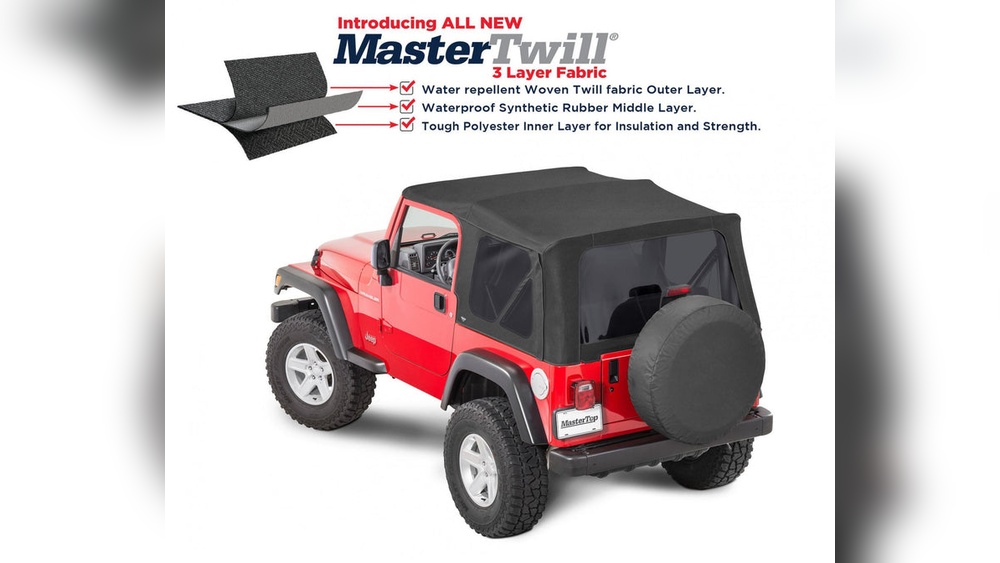
What Makes A Jeep Soft Top “waterproof”?
The term waterproof often gets used, but it can mean different things. Most Jeep soft tops are made from materials like vinyl, sailcloth, or twill. These materials are designed to resist water, not absorb it. Factory Jeep soft tops usually have:
- Tightly woven fabric to block water droplets
- Sealed seams to prevent leaks at connection points
- Heavy-duty zippers and Velcro to close gaps
- Drip rails or channels to direct water away from doors
It’s important to note that “waterproof” is not the same as “submersible. ” A soft top keeps out rain and most splashes, but it’s not designed for underwater use or extreme pressure.
Over time, materials can also wear down, making leaks more likely.
How Well Do Jeep Soft Tops Keep Out Water?
Most new Jeep soft tops do a solid job against rain. In normal showers or while driving, you should stay dry inside. The quality of the seal depends on the installation and the condition of the top. Jeep’s factory soft tops, like those on the Wrangler JL and JK models, are known for their decent weather protection.
Here’s a quick comparison of how common Jeep soft top materials handle water:
| Material | Water Resistance | Durability | Typical Use |
|---|---|---|---|
| Vinyl | High | Medium | Factory/Aftermarket |
| Sailcloth | Very High | High | Premium/Factory |
| Twill | Excellent | Very High | Luxury/Aftermarket |
A brand-new soft top from the factory should keep rain out just as well as a hard top in normal conditions. But older tops, or those with damage, can leak at seams, zippers, or corners.
Common Causes Of Leaks
Even the best Jeep soft tops can develop leaks. Here are some usual reasons:
- Aging fabric – Sun, wind, and rain break down the material over time.
- Worn or loose seals – The rubber seals around doors and windows can shrink or crack.
- Improper installation – If the top isn’t installed tightly, water can seep through gaps.
- Damaged zippers or Velcro – These closures keep water out but can fail with use.
- Clogged drainage channels – Jeeps have drains to channel water. If blocked, water pools and leaks inside.
A common mistake is thinking a soft top will last forever. Even with good care, most Jeep soft tops need replacement every 5 to 7 years for best protection.
How To Improve Water Resistance
You can take steps to help your Jeep soft top stay waterproof:
- Apply fabric protectant: Use a water-repellent spray made for convertible tops every few months.
- Check and replace seals: Inspect rubber weatherstripping for cracks. Replace as needed.
- Clean zippers and Velcro: Dirt can prevent a tight seal.
- Store properly: When not in use, keep your Jeep covered or in a garage.
- Address small leaks early: Patch tears and re-seal seams quickly to avoid bigger problems.
Below is a quick reference for Jeep soft top care:
| Maintenance Task | Recommended Frequency |
|---|---|
| Apply Water Repellent | Every 3-4 months |
| Inspect Seals/Weatherstripping | Monthly |
| Clean Zippers & Velcro | After Off-Road Use |
| Full Top Inspection | Annually |
Soft Top Vs. Hard Top: Water Protection
Many Jeep owners wonder if a hard top is better for staying dry. Here’s a simple side-by-side look:
| Feature | Soft Top | Hard Top |
|---|---|---|
| Water Resistance | Good (with care) | Excellent |
| Noise Level | Louder in rain | Quieter |
| Ease of Removal | Easy | Harder |
| Weight | Light | Heavy |
| Price | Less expensive | More expensive |
If you live in a place with heavy or frequent rain, a hard top will always offer the most reliable water protection. But for many drivers, a soft top is good enough, especially with regular maintenance.
Non-obvious Insights Most Jeep Owners Miss
- Water can enter through the floor plugs: Many Jeeps have removable plugs in the floor for draining water after off-roading. If these aren’t sealed tightly, water from rain or puddles can get inside, making you think the soft top leaked.
- Pressure washing can cause leaks: Using high-pressure washers too close to seams or zippers can force water inside. Always wash with low pressure or by hand for best results.
What To Do If Your Jeep Soft Top Leaks
If you notice water inside, act quickly:
- Find the source: Check seams, zippers, and corners for drips.
- Dry out the interior: Remove mats and use fans or towels to prevent mold.
- Patch or repair: Use a soft top repair kit for small tears or holes.
- Replace seals: Old weatherstripping is a common culprit and easy to replace.
If your top is very old or damaged, replacing it might be the only way to restore full protection. For more detailed guidance, the official Jeep Life site has tips on care and replacement.
Jeep soft tops are not 100% waterproof like a solid roof, but with care, they do a great job in most weather. For many, the open-air fun outweighs the small risk of a few drops inside.
Frequently Asked Questions
Are Jeep Soft Tops Completely Waterproof?
Jeep soft tops are water-resistant, not completely waterproof. They keep out rain and splashes but may leak in very heavy storms or if damaged.
How Long Does A Jeep Soft Top Last Before It Leaks?
With good care, a Jeep soft top can last 5 to 7 years. Over time, sun and weather break down the fabric and seals, making leaks more likely.
Can I Use A Car Wash With My Jeep Soft Top?
It’s best to avoid automatic car washes with brushes, as they can damage the fabric and seals. Hand washing with low pressure is safer.
Will A Soft Top Protect Against Snow And Ice?
Yes, a soft top can handle moderate snow and ice. However, heavy snow buildup should be removed quickly to avoid stretching or tearing the fabric.
What Should I Do If Water Gets Inside My Jeep?
Dry the interior as soon as possible to prevent mold and mildew. Check for the source of the leak and repair or replace damaged areas.
Choosing a Jeep soft top means balancing open-air freedom with a little extra care. With proper maintenance and smart use, your Jeep can stay mostly dry—even when adventure calls in the rain.