Are Jeep Saharas Good Cars
For many drivers, the Jeep Sahara stands out as a popular SUV. Its rugged look, legendary off-road abilities, and strong brand reputation attract both adventure lovers and regular commuters.
But is the Sahara truly a good car for most people? Below, you’ll find a clear, balanced look at the Jeep Sahara’s strengths, weaknesses, and what you should know before making a decision.
What Makes The Jeep Sahara Unique
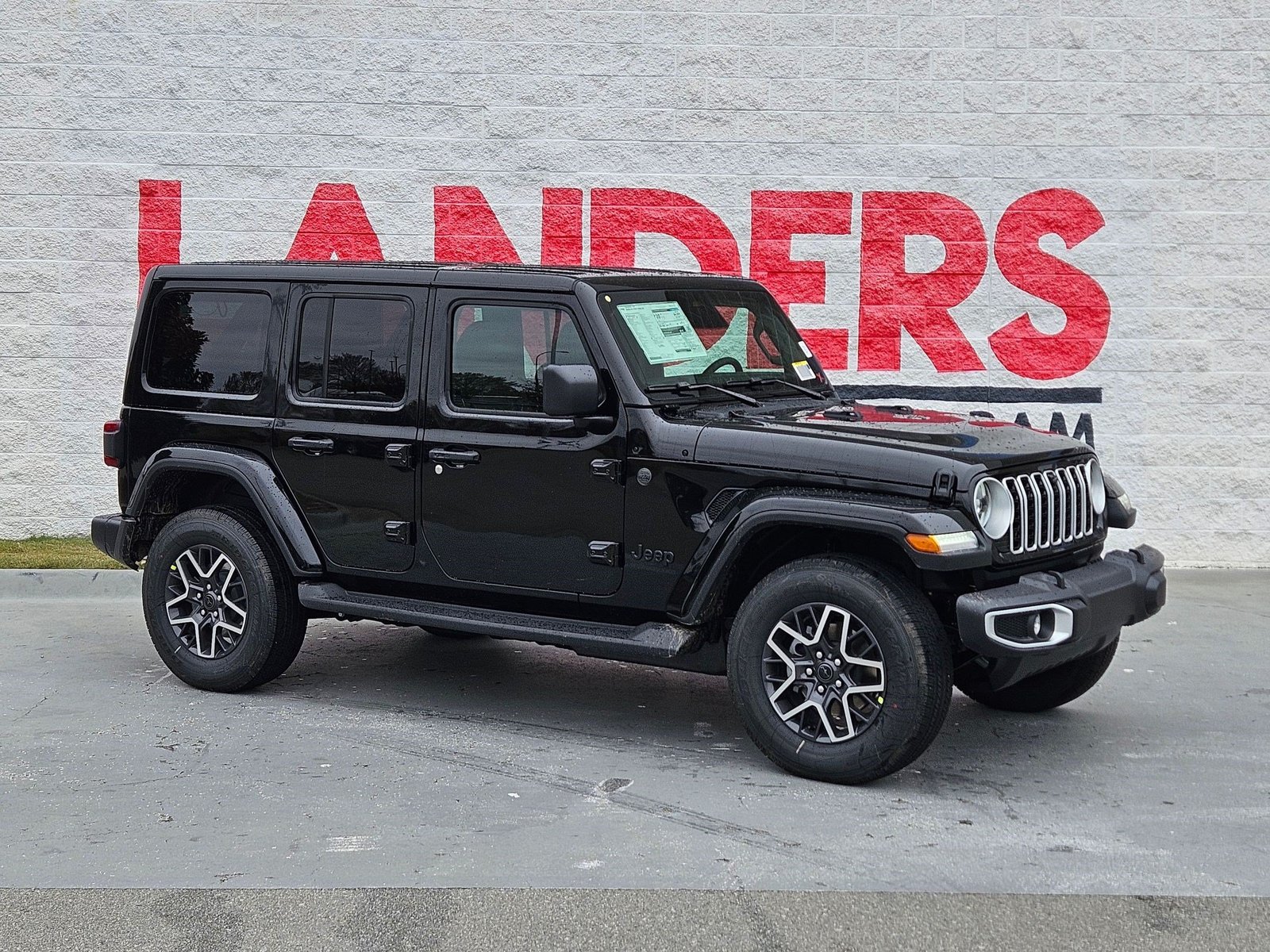
The Sahara is part of the Jeep Wrangler lineup. It’s known for mixing off-road capability with comfort features. Unlike base Wranglers, the Sahara gets more luxury touches, making it appealing for city driving as well as trail adventures.

Some key features include:
- Four-wheel drive for tough terrain
- Removable roof and doors for open-air driving
- Smooth suspension compared to other Wranglers
- Premium interior with options like leather seats and advanced tech
The Sahara’s blend of rugged and refined is why many drivers choose it over other Jeep models.
Performance And Reliability
The Sahara comes with a 3.6-liter V6 engine (285 horsepower) or a 2.0-liter turbocharged 4-cylinder (270 horsepower). Both engines deliver decent power for highway and city driving. Its automatic transmission offers smooth shifting, and you can choose a manual if you prefer.
On paved roads, the Sahara handles better than most Wranglers. Its suspension is tuned for a balance between off-road toughness and daily comfort.
However, it’s not as smooth as traditional SUVs like the Honda CR-V or Toyota RAV4.
Reliability is a mixed story. According to J.D. Power, the Wrangler (including Sahara) scores average reliability—about 3 out of 5. Owners report strong engines, but electrical and infotainment issues are common.
| Feature | Jeep Sahara | Honda CR-V | Toyota RAV4 |
|---|---|---|---|
| Horsepower | 285 hp | 190 hp | 203 hp |
| Reliability Score | 3/5 | 4.5/5 | 4.5/5 |
| Off-Road Ability | Excellent | Poor | Poor |
Comfort And Features
The Sahara adds comfort-focused touches not found in basic Wranglers. It has automatic climate control, heated seats, and a larger touchscreen with Apple CarPlay and Android Auto. The ride quality is better, but still bouncy compared to traditional family SUVs.
Cargo space is modest. With the rear seats up, you get around 31.7 cubic feet—enough for groceries or luggage. Fold the seats down, and space increases to 72.4 cubic feet.
| Model | Cargo Space (Seats Up) | Cargo Space (Seats Down) |
|---|---|---|
| Jeep Sahara | 31.7 cu ft | 72.4 cu ft |
| Honda CR-V | 39.2 cu ft | 75.8 cu ft |
| Toyota RAV4 | 37.6 cu ft | 69.8 cu ft |
Safety is decent, but not perfect. The Sahara has modern features like blind spot monitoring and rear backup camera. The IIHS rates the Wrangler’s crash safety as “Marginal” in some tests, mainly because of its boxy design.
Cost, Value, And Ownership
The Jeep Sahara is not cheap. The starting price for a new Sahara is about $47,000 in 2024. Used models cost less, but still hold their value well. Insurance and maintenance are higher than average, especially compared to crossovers.
Fuel economy is a drawback. The Sahara gets 18 mpg city / 23 mpg highway, which is less efficient than many rivals. If you drive long distances, this can add up.
Ownership costs include:
- Insurance: Higher rates due to off-road capability and removable parts.
- Maintenance: More frequent repairs, especially for electronics.
- Resale value: Strong—Sahara models keep their value better than most SUVs.
| Model | Starting Price | Fuel Economy (Combined) | Resale Value (5 Years) |
|---|---|---|---|
| Jeep Sahara | $47,000 | 20 mpg | Excellent |
| Honda CR-V | $30,000 | 28 mpg | Good |
| Toyota RAV4 | $32,000 | 30 mpg | Good |
Who Should Buy A Jeep Sahara?
The Sahara is perfect for people who:
- Want serious off-road ability
- Like the open-air experience (roof and doors off)
- Prefer unique styling and strong resale value
It’s less ideal for:
- Families needing lots of cargo space
- Drivers wanting the best fuel economy
- Anyone looking for a quiet, smooth ride
A non-obvious insight: Many buyers overlook the impact of removable roof and doors. While fun, they can cause leaks and wind noise over time. Also, the Sahara’s off-road ability is rarely used by most owners—so consider if you truly need it.
Practical Buying Tips
- Test drive on both city streets and rough roads. The Sahara feels different from regular SUVs.
- Check for water leaks and electrical issues, especially on used models.
- Compare insurance quotes before buying.
- Consider used Saharas—these often have minor upgrades and cost less.
- Don’t forget about aftermarket upgrades. Many owners add their own lights, tires, or bumpers.
Another insight: Many beginners assume all Wranglers are the same. The Sahara is actually more refined, with less road noise and more comfort.