Are Jeep Compass Good Vehicles
Choosing a compact SUV is not easy, especially with so many options in the market. The Jeep Compass often comes up in conversations about adventure-ready, practical vehicles.
But is it truly a good vehicle for daily use, families, or off-road fans? In this article, you'll find clear answers, data, and comparisons to decide if the Jeep Compass fits your needs.
Performance And Driving Experience
The Jeep Compass is known for its off-road capabilities. Most models come with either a 2.4-liter four-cylinder engine or a 1.3-liter turbocharged engine. Power output ranges from 177 to 180 horsepower. This is enough for city driving and weekend trips, but not as strong as some rivals.
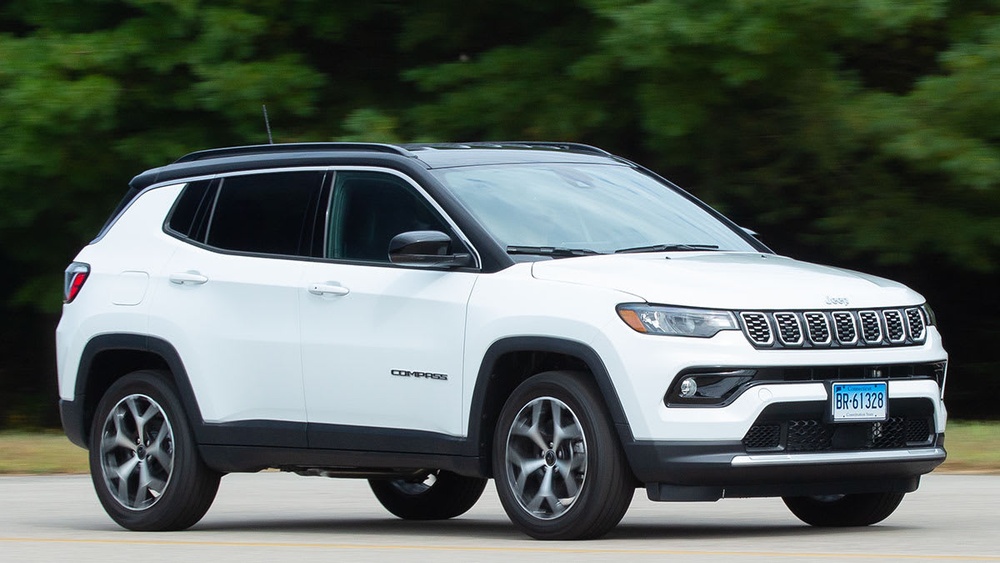
Handling is smooth on highways, with the Jeep Active Drive system making it easy to switch between two-wheel and four-wheel drive. The Compass Trailhawk trim stands out for real off-road adventures, thanks to higher ground clearance and extra skid plates.
However, some owners feel the engine is underpowered for quick acceleration, especially when fully loaded. The automatic transmission can sometimes feel slow to respond. If you often drive on steep hills or carry heavy loads, this could be a concern.
Interior Comfort And Features
Inside, the Compass offers a modern design with user-friendly controls. Materials feel sturdy, and the front seats are supportive for long drives.
Rear seat space is enough for two adults or three children, but taller passengers may want more legroom.
The latest models feature the Uconnect infotainment system with a 7- or 8.4-inch touchscreen, Apple CarPlay, and Android Auto. Most trims include:
- Dual-zone climate control
- Keyless entry and push-button start
- Optional heated seats and steering wheel
Cargo space is average. With the rear seats up, you get about 27 cubic feet.
Folding the seats expands it to over 59 cubic feet, but some rivals like the Honda CR-V offer more.
Here’s a quick comparison of cargo space with two main competitors:
| Model | Cargo Space (Seats Up) | Cargo Space (Seats Down) |
|---|---|---|
| Jeep Compass | 27 cu ft | 59.8 cu ft |
| Honda CR-V | 39.2 cu ft | 75.8 cu ft |
| Mazda CX-5 | 30.9 cu ft | 59.6 cu ft |

Safety And Reliability
Safety is a key concern for any vehicle buyer. The Compass scores well in most crash tests. The National Highway Traffic Safety Administration (NHTSA) gives it a 4-star overall rating. Standard safety features include:
- Forward collision warning
- Blind-spot monitoring
- Lane-keep assist
Higher trims add adaptive cruise control and automatic emergency braking. These features help the Compass compete with leaders in the compact SUV class.
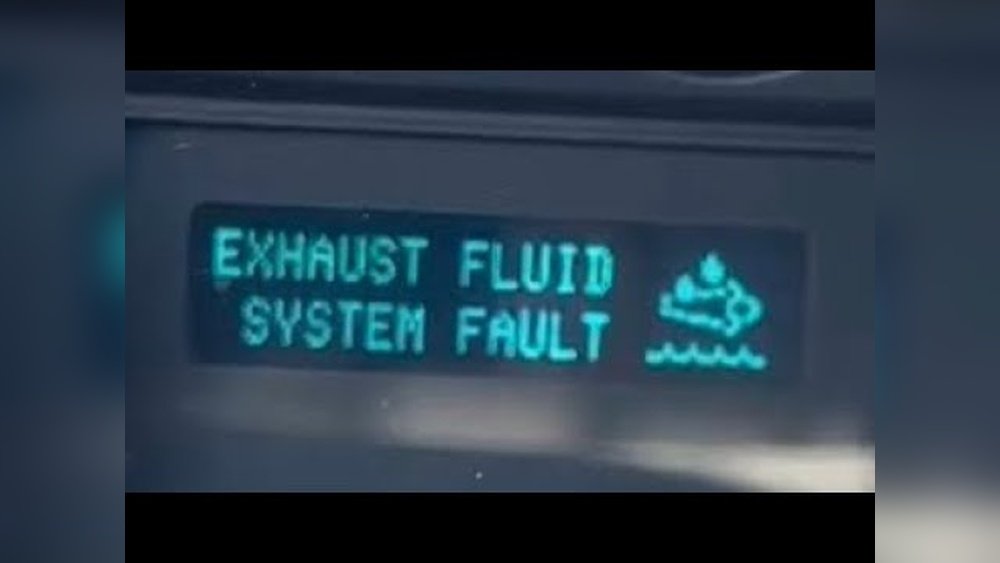
Reliability is average. According to J.D. Power, the Compass gets a reliability score of around 78 out of 100, which is close to the industry average. Some owners report electrical and transmission issues, but these are not widespread.
Here’s how the Compass compares to two competitors in safety ratings:
| Model | NHTSA Overall Rating | IIHS Top Safety Pick |
|---|---|---|
| Jeep Compass | 4 stars | No |
| Toyota RAV4 | 5 stars | Yes |
| Subaru Forester | 5 stars | Yes |
Fuel Efficiency And Maintenance
Gas mileage for the Jeep Compass is decent but not outstanding. The 2.4-liter engine gets about 22 mpg city / 31 mpg highway for front-wheel drive models. All-wheel drive lowers this slightly. Some newer turbo engines improve these numbers by a small margin.
In real-world driving, expect an average of 25-27 mpg. This is competitive, but some compact SUVs can reach 30+ mpg easily.
For maintenance, Jeep Compass owners report average costs. Regular oil changes, brake pads, and fluid checks are affordable.
However, be prepared for higher costs if you need transmission or electrical repairs after 60,000 miles. Using a trusted mechanic and following the maintenance schedule helps avoid surprises.
Value For Money
The Jeep Compass is priced from $26,000 to $35,000 depending on the trim and options. It offers good value if you want:
- Real off-road ability (especially Trailhawk trim)
- Classic Jeep styling
- A comfortable daily driver with modern features
However, if you want maximum cargo space, top fuel efficiency, or the highest safety scores, some other compact SUVs do better.
Let’s look at a quick price and warranty comparison:
| Model | Base Price | Powertrain Warranty |
|---|---|---|
| Jeep Compass | $26,000 | 5 yr / 60,000 mi |
| Hyundai Tucson | $27,500 | 10 yr / 100,000 mi |
| Ford Escape | $27,000 | 5 yr / 60,000 mi |
Non-obvious insight: Jeep resale values can be lower than some Japanese rivals. This means you may get less when selling or trading in later. Also, insurance costs for the Compass are usually average, not high, despite the Jeep brand.
Who Should Buy The Jeep Compass?
The Compass is best for drivers who want a city-friendly SUV with real off-road skills. It works well for singles, couples, or small families who need a mix of daily comfort and weekend adventure. If you rarely go off-road and want top resale value or maximum room, you may prefer another brand.