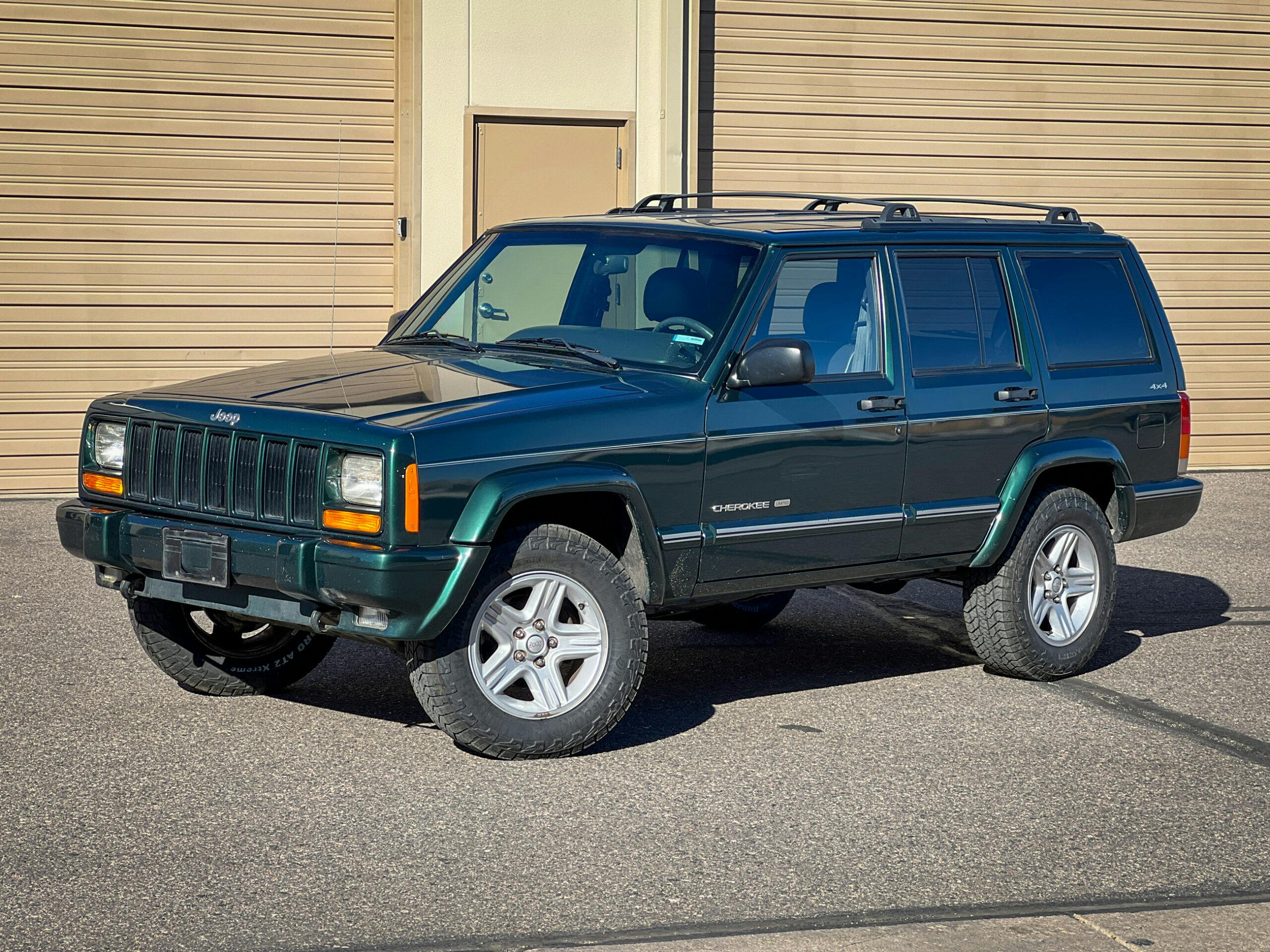
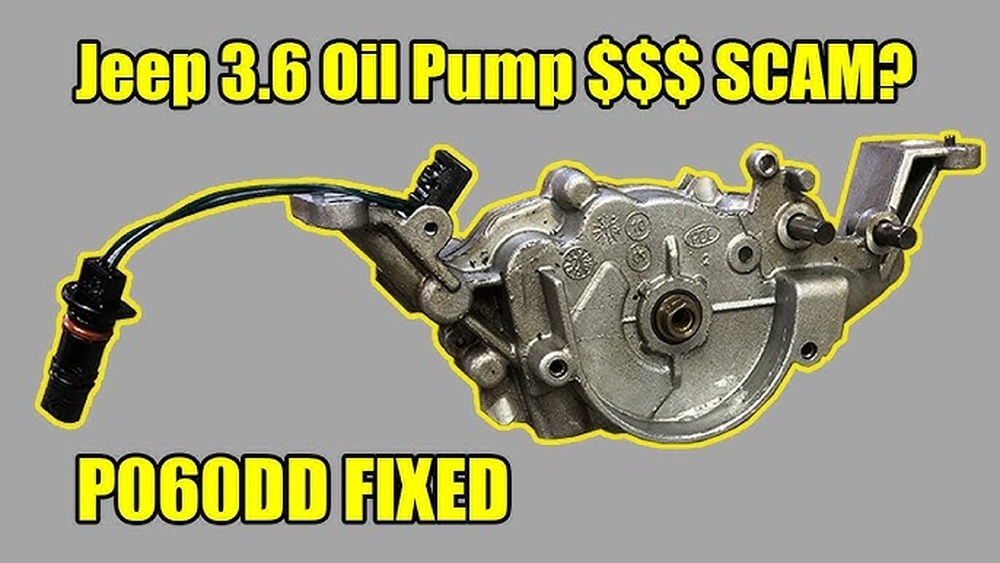
Many people are attracted to the Jeep Cherokee for its rugged looks and off-road abilities. But before buying one, a big question comes up: are Jeep Cherokees expensive to fix?
This is a smart concern, especially for anyone who wants to avoid surprise costs. Let’s look at what really affects repair costs for Jeep Cherokees, using real data, examples, and practical advice.
What Impacts Jeep Cherokee Repair Costs?
Several factors shape how much you’ll pay to keep a Jeep Cherokee running. The most important ones are:
- Model year: Older Cherokees often cost less to repair because their parts are simpler and cheaper. Newer models have more electronics, which can be costly to fix.
- Engine type: Some engines, like the 2.4L Tigershark, are known for issues that can add to repair bills.
- Driving habits: If you use your Jeep mainly for off-roading, repairs may come more often and cost more.
- Location: Labor rates and part prices change depending on where you live.
Surprisingly, many owners overlook the impact of regular maintenance. Skipping oil changes or ignoring warning lights can lead to much bigger problems—and bigger bills—down the road.
Typical Repair Costs: Data And Examples
To understand if Jeep Cherokees are expensive to fix, it helps to compare them with other SUVs. Here’s a look at average annual repair costs:
| Vehicle | Average Yearly Repair Cost |
|---|---|
| Jeep Cherokee | $520 |
| Honda CR-V | $407 |
| Toyota RAV4 | $429 |
| Ford Escape | $600 |
The Jeep Cherokee usually costs a bit more to repair each year than popular Japanese rivals, but less than some American competitors. Still, the type of repair makes a big difference. For example:
- Transmission replacement: $2,000–$4,000 (Cherokee models 2014–2017 are known for transmission issues)
- Water pump replacement: $400–$600
- Brake pad replacement: $200–$300
- Check engine light diagnosis: $100–$200
These numbers show that while regular maintenance is average in price, big repairs can get expensive fast.
Common Repairs And What They Cost
Some repairs come up more often in Jeep Cherokees than in other SUVs. Here’s what to expect:
| Repair Type | Typical Cost | Notes |
|---|---|---|
| Transmission Problems | $2,000–$4,000 | Common in 2014–2017 models |
| Oil Leaks | $150–$600 | Valve cover or gasket issues |
| Suspension Repairs | $300–$1,000 | Especially after off-road use |
| Electrical Issues | $100–$1,000 | Touchscreens and sensors fail |
A non-obvious point: electrical problems are becoming more common, especially in newer Cherokees packed with technology. These can be hard to diagnose, which means higher labor costs.
Comparing Jeep Cherokee To Other Suvs
To judge if Jeep Cherokees are truly expensive to fix, it’s useful to compare them to other compact SUVs in terms of reliability and repair costs.
| Model | Reliability Rating (out of 5) | Major Repair Likelihood (over 10 years) |
|---|---|---|
| Jeep Cherokee | 3.5 | 26% |
| Toyota RAV4 | 4.5 | 11% |
| Honda CR-V | 4.5 | 12% |
| Ford Escape | 3.0 | 30% |
The Jeep Cherokee scores lower on reliability compared to Toyota and Honda. This means you may face major repairs more often, which can feel expensive over time.
How To Lower Your Jeep Cherokee Repair Bills
There are smart ways to keep costs under control:
- Stay on top of maintenance. Change oil, filters, and fluids on schedule. This prevents bigger problems later.
- Use quality parts. Cheap parts may fail sooner and cost more in the long run.
- Find a trusted mechanic. Some repairs are tricky; a good mechanic avoids repeat visits.
- Know your model’s weak spots. For example, if you own a 2014–2017 Cherokee, watch for transmission warning signs.
- Consider an extended warranty if you buy a used model with a history of expensive repairs.
Another tip: many owners do not realize that regular software updates at the dealership can fix or prevent some electrical issues in newer Cherokees.
When Repairs Get Very Expensive
Not all Jeeps will break the bank, but certain scenarios bring high costs:
- Ignoring maintenance: Small issues turn into big ones, especially with the engine or transmission.
- Heavy off-road use: Suspension, undercarriage, and drivetrain parts wear out faster.
- Flood or accident damage: Repairs after serious incidents can run into the thousands.
If you plan to keep your Cherokee for many years, budgeting for at least one major repair is wise. This isn’t just a Jeep thing—many modern SUVs have similar risks, but Jeep’s repair frequency is a bit higher.

Are Jeep Cherokees Expensive To Fix? The Bottom Line
The honest answer: Jeep Cherokees are a bit more expensive to fix than the best Japanese SUVs, but not the most costly in their class. Routine maintenance is average in price, but unexpected repairs—especially with the transmission or electronics—can be pricey.
If you love the style, comfort, or off-road abilities of the Cherokee, be ready for above-average repair costs. Smart maintenance and choosing the right year/model can reduce surprise expenses. For more on reliability and owner experiences, check out resources like Consumer Reports.
Frequently Asked Questions
Is The Jeep Cherokee More Expensive To Repair Than A Toyota Rav4?
Yes, Jeep Cherokee repair costs are usually higher than those for a Toyota RAV4. The RAV4 is known for better reliability and cheaper parts.
What Are The Most Common Expensive Repairs On A Jeep Cherokee?
The most common costly repairs are transmission replacements, electrical problems, and suspension work. These can run from several hundred to several thousand dollars.
Do All Jeep Cherokees Have The Same Repair Costs?
No, repair costs vary by model year, engine type, and how the vehicle is used. Newer models tend to have higher labor costs due to more complex electronics.
Can I Reduce Jeep Cherokee Repair Costs With Diy Maintenance?
Yes, basic tasks like oil changes or replacing air filters can be done at home and save money. However, complex repairs should be left to professionals.
Is Buying A Used Jeep Cherokee Risky Because Of Repair Costs?
Buying used can be risky if you pick a model year known for major issues (like 2014–2017). Always check the vehicle’s history and consider an inspection before buying.