The Jeep Cherokee Trailhawk has built a reputation as a rugged SUV that promises adventure, comfort, and reliability. But is it truly a good car for everyday driving, or is it best left for off-road enthusiasts?
Many buyers are drawn to its bold look and advanced features, but want to know if it holds up in real-world use.
Let’s explore what makes the Trailhawk unique, its strengths, weaknesses, and whether it deserves a spot in your driveway.
What Makes The Trailhawk Different?
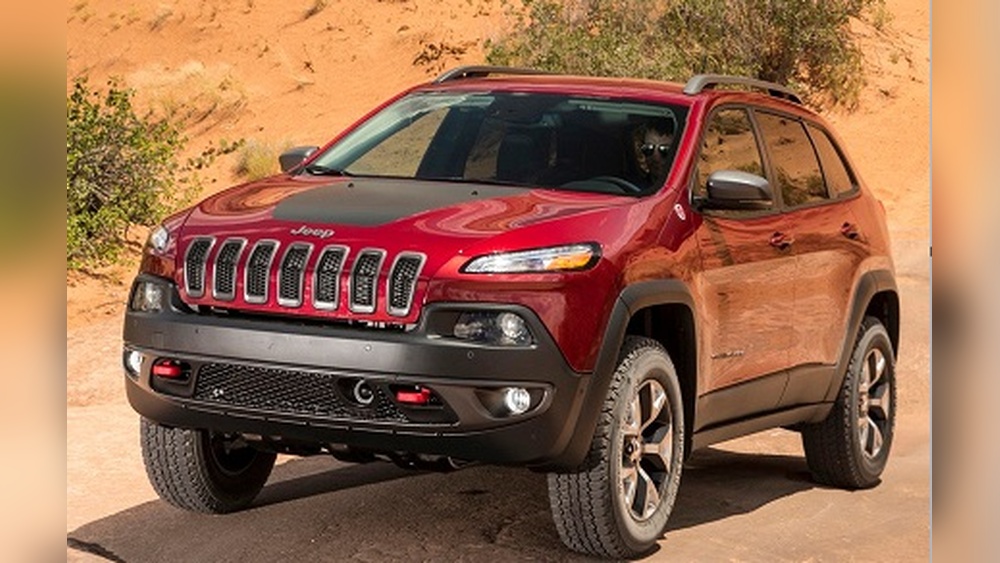
The Trailhawk is not just a regular Jeep Cherokee with a badge. It stands out with features designed for off-road performance. Key differences include:
- Active Drive Lock 4×4 system for serious off-roading
- Increased ground clearance (up to 8.7 inches)
- Skid plates to protect underbody parts
- Tow hooks (red, front and rear)
- All-terrain tires for better grip on rough surfaces
These upgrades make the Trailhawk the most capable Cherokee for tough conditions. But how does it handle normal roads, and does it offer good value for daily driving?
Performance And Driving Experience
On the road, the Trailhawk feels solid and confident. The standard engine is a 3.2L V6 that produces 271 horsepower. There is also a 2.0L turbocharged 4-cylinder option with 270 horsepower and more torque for faster acceleration.
| Engine | Horsepower | Towing Capacity | EPA MPG (combined) |
|---|---|---|---|
| 3.2L V6 | 271 | 4,500 lbs | 21 |
| 2.0L Turbo | 270 | 4,000 lbs | 24 |
On the highway, the Trailhawk is stable and comfortable. Steering is precise, though some drivers notice a heavier feel compared to lighter SUVs.
The suspension is tuned for both comfort and rough terrain, so it absorbs bumps well.
For off-road trips, the Trailhawk shines. The Selec-Terrain system lets you choose modes like Snow, Sand/Mud, and Rock, adjusting the vehicle’s behavior for each surface. Even in deep snow or muddy tracks, it pushes through with ease.

Interior Comfort And Features
Inside, the Trailhawk balances rugged style with modern comforts. Seats are supportive and available in leather or premium cloth.
Heated front seats and a heated steering wheel are common in recent models.
The Uconnect infotainment system is simple to use, with an 8.4-inch touchscreen, Apple CarPlay, and Android Auto. There’s also a premium audio option for music lovers.
Cargo space is decent but not class-leading. With rear seats up, you get about 25.8 cubic feet of storage; fold them down, and it grows to 54.7 cubic feet.
| Feature | Trailhawk | Base Cherokee | Honda CR-V |
|---|---|---|---|
| Ground Clearance | 8.7 in | 7.9 in | 7.8 in |
| Cargo (seats up) | 25.8 cu ft | 25.8 cu ft | 39.2 cu ft |
| Infotainment Screen | 8.4 in | 7.0 in | 7.0 in |
Safety And Reliability
The Trailhawk includes many modern safety features, such as blind-spot monitoring, rear cross-traffic alert, and adaptive cruise control. In crash tests, the Cherokee scores well, though some rivals edge it out with higher safety ratings.
Reliability is a mixed bag. According to sources like J.
D. Power, the Cherokee ranks average in reliability.
Some owners have reported issues with the transmission and electronics, especially in older models. Regular maintenance and buying a newer model can reduce the risk of problems.
Ownership Costs And Value
Trailhawks tend to cost more than standard Cherokees, mainly due to their advanced 4×4 system and off-road parts. Base prices for a new Trailhawk usually start around $37,000. Used models are more affordable, but prices vary based on age, mileage, and condition.
Fuel economy is not a strong point. The V6 Trailhawk returns about 20-21 MPG combined, while the turbo engine gets up to 24 MPG. This is less efficient than some other compact SUVs, especially for city drivers.
Repair costs can be above average, especially if off-road use leads to wear and tear. However, many owners feel the extra capability and unique features justify the price.
Here’s a quick cost comparison:
| Model | Starting Price (2023) | Average Annual Maintenance | Combined MPG |
|---|---|---|---|
| Trailhawk | $37,000 | $520 | 21 |
| Honda CR-V AWD | $32,000 | $370 | 29 |
| Toyota RAV4 Adventure | $34,000 | $410 | 27 |
Non-obvious Insights
Many buyers focus on the Trailhawk’s off-road skills, but miss that its higher ground clearance can make getting in and out harder for some people, especially kids or seniors. Also, the all-terrain tires are noisier and wear faster than regular tires, so expect to replace them sooner.
Another detail: the Trailhawk’s tight turning radius is helpful for parking or turning on trails, but the wider stance can make it feel bigger in narrow city streets.

Who Should Buy A Trailhawk?
The Trailhawk is a smart choice if you:
- Need an SUV that handles snow, mud, or rough roads often
- Value off-road ability, but also want daily comfort
- Don’t mind slightly lower fuel economy
It’s not ideal if your driving is mostly city commuting or you want the most cargo space or best gas mileage. For those needs, a Honda CR-V or Toyota RAV4 may suit better.
Frequently Asked Questions