Choosing the correct antifreeze for your 2014 Jeep Wrangler is more important than many car owners realize. The cooling system is the heart of your engine’s health, and the coolant, or antifreeze, is its lifeblood.
It’s not just about preventing freezing in winter; antifreeze also plays a critical role in preventing your engine from overheating during hot summer months.
For a 2014 Jeep Wrangler, using the wrong type of coolant can lead to serious problems, including corrosion, leaks, and even catastrophic engine damage. This guide will walk you through everything you need to know to select and use the right antifreeze for your specific Jeep.
The primary function of antifreeze is to lower the freezing point and raise the boiling point of the water in your engine's cooling system. Water alone freezes at 32°F (0°C) and boils at 212°F (100°C).
Antifreeze, typically made from ethylene glycol or propylene glycol, significantly alters these properties.
For instance, a 50/50 mixture of antifreeze and water can lower the freezing point to -34°F (-37°C) and raise the boiling point to 223°F (106°C) at atmospheric pressure, and even higher with a pressurized system. This wide temperature range protection is essential for vehicles operating in diverse climates.
Beyond temperature regulation, antifreeze contains additives that prevent corrosion and lubricate the water pump. These additives are crucial for the longevity of your engine’s cooling system components.
Understanding Coolant Types For Your 2014 Jeep Wrangler
Jeep, like most manufacturers, specifies particular types of coolant to ensure optimal performance and prevent damage. For a 2014 Jeep Wrangler, you’ll primarily be looking for a HOAT (Hybrid Organic Acid Technology) coolant. This technology combines inorganic and organic acids to provide both fast-acting protection (from inorganic components) and long-lasting protection (from organic components).
The Importance Of Hoat Coolant
HOAT coolants are designed to protect against corrosion and scale buildup in modern engine cooling systems, which often contain a mix of aluminum, iron, and other metals. The “hybrid” nature means they use a blend of silicate and organic acid inhibitors. Silicates offer excellent corrosion protection for aluminum components, while organic acids handle the longer-term protection of other metals. This combination is particularly beneficial for the materials used in the cooling system of a 2014 Jeep Wrangler.
Why Not Just Any Antifreeze?
Using a coolant that doesn’t meet the manufacturer’s specifications can cause significant issues.
- Corrosion: Inorganic additives in older coolants (like traditional green antifreeze) can deplete over time, leaving metal components vulnerable to rust and corrosion. Modern engines have more sensitive materials, like aluminum, that require specific protection.
- Gelling and Clogging: Some coolant types are not compatible with each other. Mixing different technologies can cause the inhibitors to react, leading to the formation of a gel-like substance. This gel can clog the radiator, heater core, and narrow coolant passages, severely restricting coolant flow and leading to overheating.
- Seal Damage: Certain chemicals in incompatible coolants can degrade rubber seals and gaskets within the cooling system, leading to leaks.
Specific Recommendations For The 2014 Jeep Wrangler
Chrysler (the parent company of Jeep at the time) often recommended a specific color and type of coolant. For your 2014 Jeep Wrangler, the factory fill was typically a Mopar OAT (Organic Acid Technology) or HOAT coolant. This is often a pink or orange color, but it’s crucial to verify this with your owner’s manual or a trusted dealership. Never rely solely on color, as some manufacturers use similar colors for different formulations.
The key specification to look for is MS-9769 or MS-12106. These are Mopar standards that guarantee the coolant meets Chrysler’s stringent requirements for your vehicle.
Ethylene Glycol Vs. Propylene Glycol
Most automotive coolants are based on either ethylene glycol or propylene glycol.
- Ethylene Glycol: This is the most common type. It offers excellent freeze and boil-over protection and is generally less expensive. However, it is highly toxic if ingested.
- Propylene Glycol: This type is less toxic than ethylene glycol, making it a safer choice if there’s a risk of accidental ingestion (e.g., around pets or children). It also tends to have a slightly higher boiling point. However, it can be more expensive and may not offer the same level of freeze protection at very low temperatures as ethylene glycol at equivalent concentrations.
For your 2014 Jeep Wrangler, ethylene glycol-based coolants meeting the Mopar specifications are most common and recommended.
How To Choose The Right Antifreeze
Selecting the correct antifreeze involves a few key steps to ensure you get the right product for your 2014 Jeep Wrangler.
1. Consult Your Owner’s Manual
This is the most important step. Your Jeep’s owner’s manual will explicitly state the type of coolant required, often by specification number (like MS-9769 or MS-12106) and sometimes by color. It will also recommend the correct 50/50 mixture ratio for your climate. If you don’t have a physical copy, you can usually find a digital version on the official Jeep website.
2. Check The Mopar Specification
As mentioned, look for coolants that meet Mopar Standard MS-9769 or MS-12106. Many reputable aftermarket brands produce coolants that are compatible with Mopar specifications, even if they aren’t branded as “Mopar.” These will usually be clearly labeled on the packaging.
3. Consider The Color (with Caution)
While color can be an indicator, it’s not foolproof.
- Pink/Orange: Often indicates HOAT or OAT coolant suitable for Chrysler/Jeep vehicles.
- Green: Typically older inorganic additive technology (IAT) coolants, generally not recommended for your 2014 Wrangler.
- Yellow/Orange: May be universal coolants, but always check the label for Mopar specification compatibility.
- Blue: Often used by Ford, but some universal coolants are blue.
Pro Tip: Always prioritize the specification number (MS-9769 or MS-12106) over the color. If a coolant is pink/orange and clearly states it meets MS-9769, it’s likely the correct choice.
4. Pre-mixed Vs. Concentrate
Antifreeze comes in two forms:
- Pre-Mixed (50/50): This is a ready-to-use solution of antifreeze and deionized water. It’s convenient and ensures the correct dilution ratio, which is critical for optimal freeze and boil protection. This is generally the easiest and safest option for most DIYers.
- Concentrate: This is pure antifreeze that you must mix with water yourself. You’ll need deionized or distilled water for mixing. Using tap water can introduce minerals and impurities that can cause scale buildup and corrosion. A common ratio is 50/50, but you can adjust it for extreme climates (e.g., 60/40 antifreeze to water for colder regions).
For most owners, a pre-mixed 50/50 HOAT coolant that meets Mopar specifications is the best and simplest choice.
5. Brand Reputation
While sticking to Mopar branded coolant is always a safe bet, many reputable aftermarket brands like Peak, Prestone, Zerex, and Valvoline offer compatible coolants. Look for products that explicitly state they are compatible with Chrysler, Dodge, Jeep, and Ram vehicles, and list the required Mopar specifications.
When To Change Your Antifreeze
The cooling system requires regular maintenance. The type and quality of the antifreeze, along with driving conditions, determine how often it needs to be changed.
Service Interval Recommendations
Your 2014 Jeep Wrangler’s owner’s manual will provide the recommended service interval for coolant replacement. Generally, for HOAT coolants:
- Initial Change: Often around 100,000 miles or 5 years.
- Subsequent Changes: Typically every 50,000 miles or 5 years.
However, if you are using a Mopar HOAT/OAT coolant, the intervals can be longer, potentially up to 150,000 miles or 10 years. Always defer to your owner’s manual for the most accurate information.
Signs Your Antifreeze Needs Changing
Even if you’re within the recommended mileage or time frame, there are signs that indicate your antifreeze is no longer effective and needs replacement:
- Low Coolant Level: If you frequently need to top off the coolant, there might be a leak, or the coolant itself could be degrading.
- Discolored or Dirty Coolant: Antifreeze should be clear and vibrant. If it looks rusty, murky, or has particles floating in it, the corrosion inhibitors have likely broken down, and the coolant is doing its job of trapping rust.
- Foul Odor: A sweet smell can indicate a coolant leak, but a burnt or acrid smell might suggest the coolant is overheating or breaking down.
- Engine Overheating: If your engine temperature gauge is consistently higher than normal, especially in moderate weather, your coolant may not be providing adequate protection.
- Corrosion on Radiator Cap or Hoses: Visible rust or buildup on cooling system components is a strong indicator that the coolant’s protective properties have diminished.
How Much Antifreeze Do You Need?
The cooling system capacity for a 2014 Jeep Wrangler varies slightly depending on the engine size (e.g., 3.6L Pentastar V6). Generally, it’s around 10-12 quarts (9.5-11.4 liters).
When draining and refilling, you'll need enough to account for the full system capacity. If using a 50/50 pre-mixed coolant, you'll need approximately 10-12 quarts of the pre-mixed solution.
If using concentrate, you’ll need about 5-6 quarts of concentrate and an equal amount of distilled water.
It’s always a good idea to have a little extra on hand.
Draining And Refilling Your 2014 Jeep Wrangler’s Cooling System
Replacing the coolant is a maintenance task that many owners can perform themselves. It involves draining the old coolant, flushing the system if necessary, and refilling with the correct new coolant mixture.
Safety Precautions
Working with antifreeze requires care:
- Never handle hot coolant: Allow the engine to cool down completely before draining. Hot coolant is under pressure and can cause severe burns.
- Wear protective gear: Use safety glasses and chemical-resistant gloves. Ethylene glycol is toxic if ingested and can irritate skin.
- Proper disposal: Antifreeze is toxic to animals and the environment. Do not pour it down drains or onto the ground. Collect it in a sealed container and take it to a local recycling center or auto parts store that accepts used fluids.
Step-by-step Process
- Prepare the Vehicle: Park the Jeep on a level surface. Ensure the engine is completely cool.
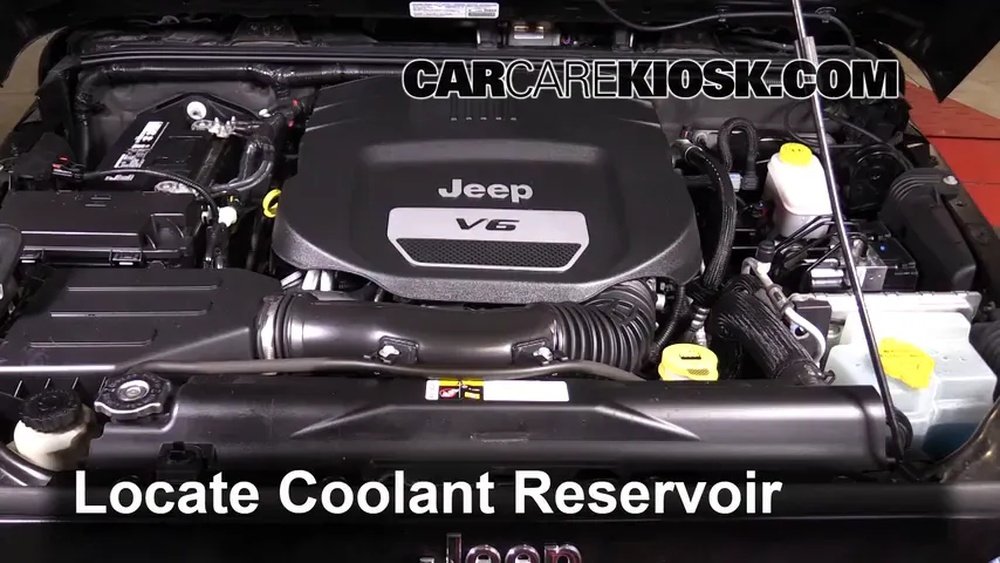
- Locate the Drain Plug: The radiator typically has a drain plug or petcock at the bottom. Consult your owner’s manual if you have trouble finding it.
- Position a Drain Pan: Place a large drain pan under the radiator drain plug.
- Drain the Old Coolant: Carefully open the radiator drain plug. You may also need to open the radiator cap to allow air in and speed up draining. Some systems also have a block drain plug, but draining from the radiator is usually sufficient for a simple flush.
- Flush the System (Optional but Recommended): Once drained, close the radiator plug. Fill the system with distilled water and run the engine for 10-15 minutes (or as per the flush product instructions). Drain this water. Repeat if the water still appears dirty. You can also use a commercial radiator flush product for a more thorough cleaning.
- Close the Drain Plug: Ensure the radiator drain plug is securely closed.
- Refill with New Coolant: Using a funnel, slowly fill the radiator with your 50/50 pre-mixed HOAT coolant (or concentrate mixed with distilled water). Fill until the coolant reaches the “cold fill” line on the radiator or coolant reservoir.
- Bleed the System: This is a critical step to remove air pockets.
- Locate the bleeder valve or screw on the thermostat housing or a coolant hose.
- With the radiator cap off, slowly run the engine.
- Open the bleeder valve slightly until a steady stream of coolant comes out without bubbles. Close the valve.
- Continue running the engine until it reaches operating temperature (the thermostat opens). You should see coolant circulating.
- Turn off the engine and let it cool slightly. Top off the radiator and reservoir to the correct level.
- Check for Leaks: Inspect all hoses, connections, and the drain plug for any signs of leakage.
- Monitor: Keep an eye on the coolant level and temperature gauge over the next few days. Top off as needed.
Using A Vacuum Fill Tool
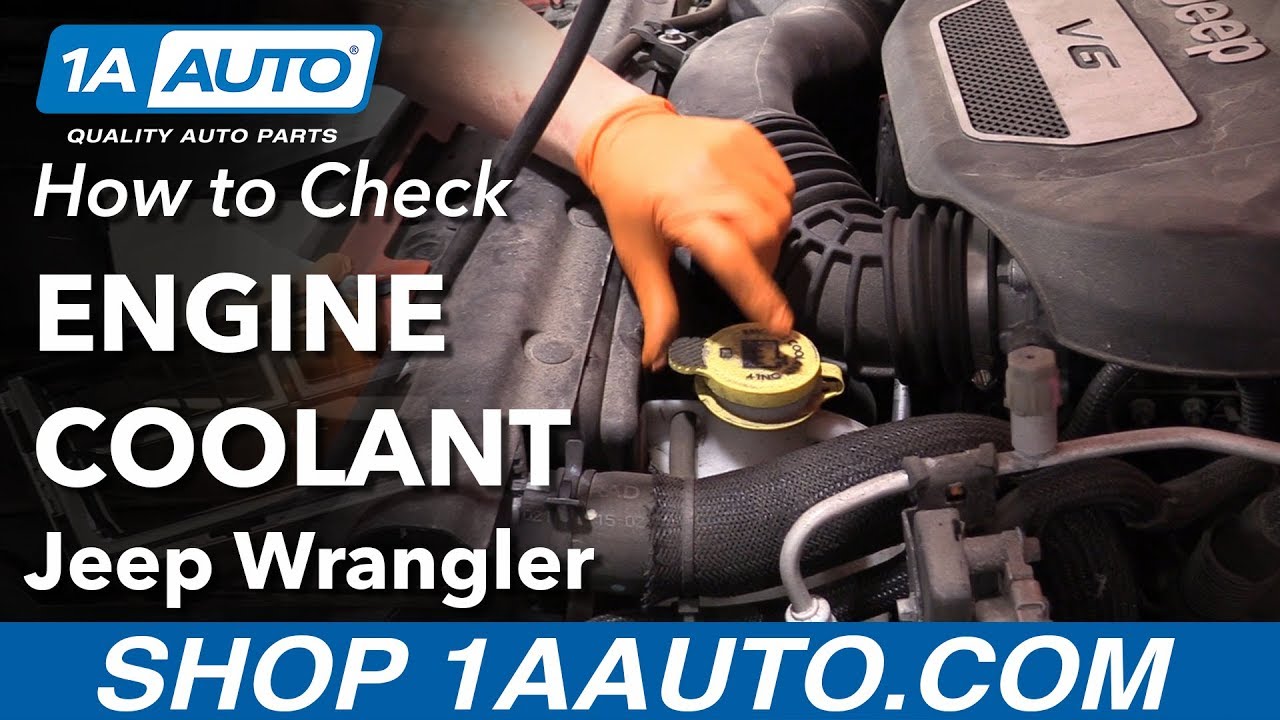
For a more efficient and complete fill, a vacuum coolant fill tool can be very helpful. This tool attaches to the radiator neck and uses a vacuum to pull the new coolant into the system, ensuring air pockets are minimized or eliminated. This can save time and reduce the need for extensive bleeding.
Common Antifreeze Mistakes To Avoid
Even with the right information, mistakes can happen. Here are common pitfalls to steer clear of when dealing with your 2014 Jeep Wrangler’s antifreeze.
1. Mixing Coolant Types
This is perhaps the most damaging mistake. As discussed, mixing different coolant technologies (e.
g. , HOAT with IAT, or OAT with HOAT without confirming compatibility) can lead to chemical reactions that neutralize the protective additives, causing corrosion and gelling.
Always stick to the recommended type or a confirmed compatible alternative. If you’re unsure, drain and flush the system completely before adding new coolant.
2. Using Tap Water With Concentrate
Tap water contains minerals like calcium and magnesium, which can form deposits (scale) in the cooling system. These deposits reduce heat transfer efficiency and can clog narrow passages. Always use distilled or deionized water when mixing concentrated antifreeze. Pre-mixed coolants already contain the correct type of water.
3. Overlooking The Owner’s Manual
Relying on color alone or assuming all “long-life” coolants are the same