Adding steering wheel controls to your Jeep Wrangler can transform the way you drive. Imagine adjusting the volume, skipping songs, or answering calls without lifting your hands from the wheel.
This upgrade brings comfort, convenience, and a modern feel to your Jeep, especially if your Wrangler didn’t come with these controls from the factory.
Whether you’re planning a road trip or simply enjoy daily driving, steering wheel controls make every journey easier and safer.
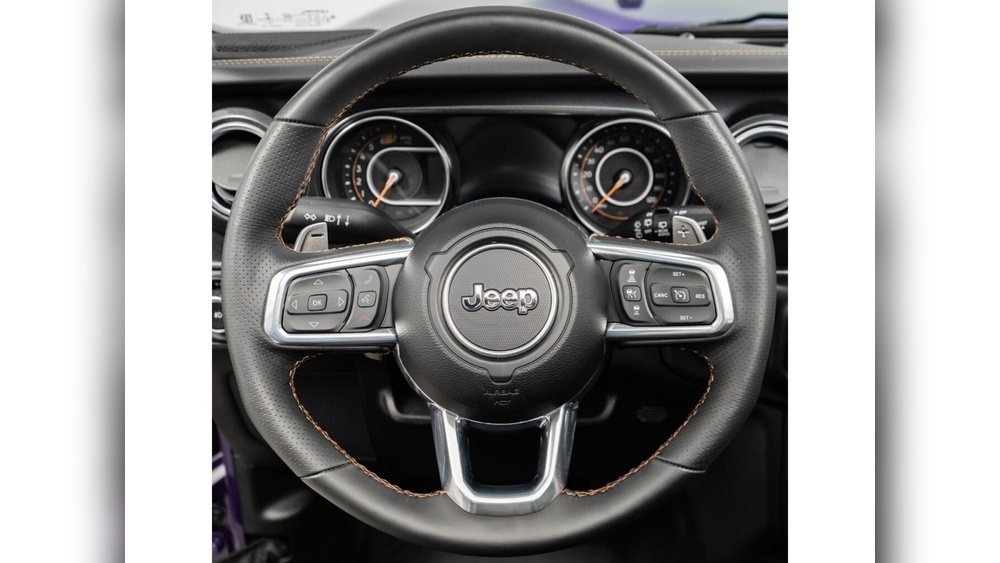
Many Jeep Wrangler owners think this upgrade is too technical or expensive. But with the right guidance, tools, and a bit of patience, adding steering wheel controls is very achievable even if you’re not a seasoned mechanic.
This guide covers everything you need to know, from understanding compatibility and choosing the right kit to step-by-step installation and troubleshooting common issues.
Why Add Steering Wheel Controls To Your Jeep Wrangler?
For many, the Jeep Wrangler is about adventure and freedom. But convenience shouldn’t be overlooked. Steering wheel controls offer several practical benefits:
- Safety: Keeping hands on the wheel and eyes on the road reduces distractions.
- Convenience: Change music tracks, adjust volume, or take calls instantly.
- Modern Features: Many new vehicles include these controls as standard. Upgrading your Wrangler brings it in line with newer models.
- Resale Value: Added features can increase your Jeep’s value and buyer interest.
- Customization: Personalizing your Wrangler adds to your driving enjoyment.
One insight many owners miss: these controls often work best with certain radios or infotainment systems. Planning ahead can save you headaches later.
Compatibility: Which Jeep Wranglers Can Be Upgraded?
Not all Jeep Wranglers are created equal when it comes to adding steering wheel controls. Here’s what you need to know:
- JK Models (2007–2018): Most JKs can be upgraded, but base trim models might require extra wiring or modules.
- JL Models (2018–present): Many JL Wranglers already have steering wheel controls. If missing, factory wiring is usually present, making installation easier.
- TJ Models (1997–2006): Upgrading older TJs is possible but more complex. You may need aftermarket steering wheels and additional electronic modules.
A common mistake is assuming all plug-and-play kits work for every Wrangler. Always check the year, trim, and existing infotainment system compatibility.
Factory Vs. Aftermarket Radios
If your Wrangler has an aftermarket radio, you may need a special adapter to make the steering wheel controls work. Some radios support these controls out of the box, while others require a separate interface module.
Below is a quick comparison of factory and aftermarket radio compatibility:
| Type | Steering Wheel Control Ready | Extra Adapter Needed? | Ease of Integration |
|---|---|---|---|
| Factory Radio | Usually Yes | Rarely | Easy |
| Aftermarket Radio (High-End) | Often Yes | Sometimes | Medium |
| Aftermarket Radio (Budget) | No | Yes | Difficult |
If you’re unsure, check your radio’s manual or ask the manufacturer before buying a steering wheel control kit.
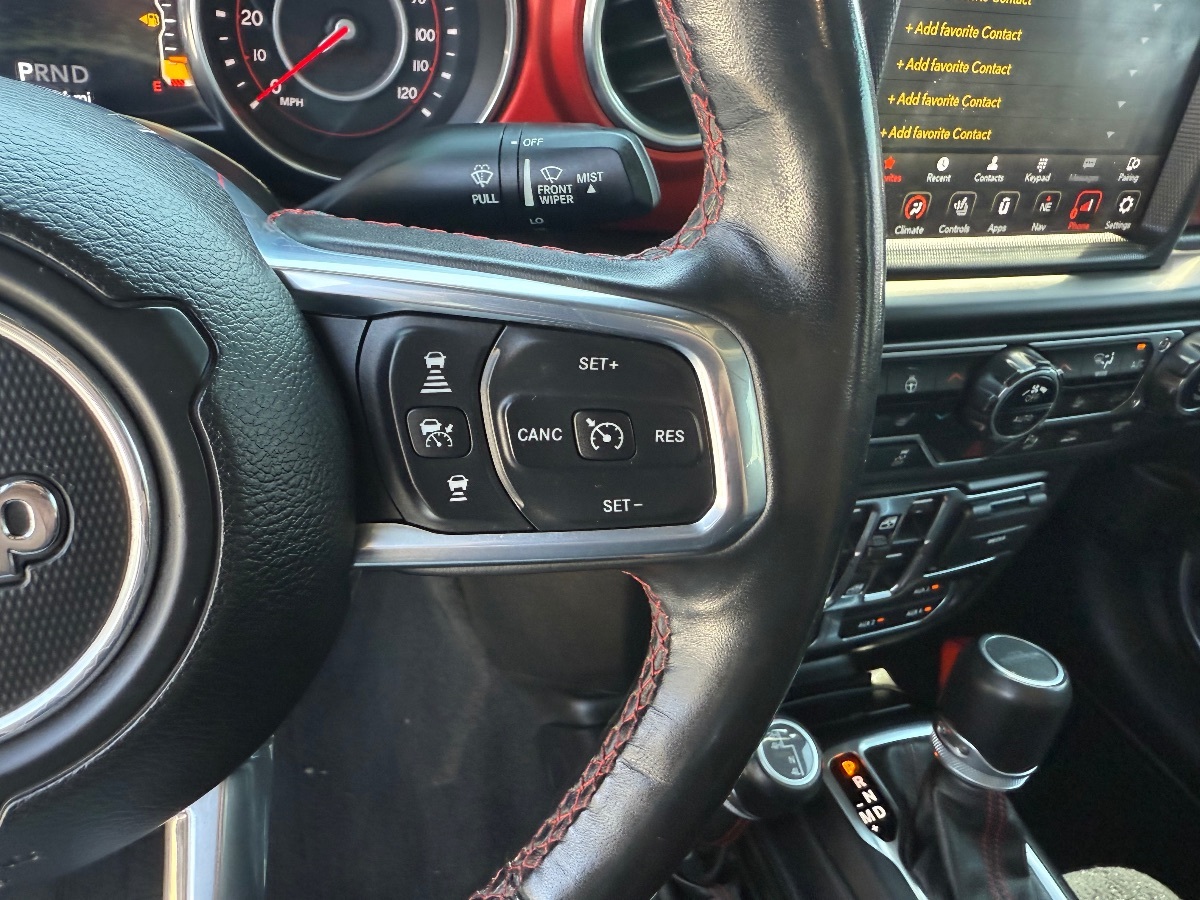
Choosing The Right Steering Wheel Control Kit
There are two main types of kits for adding steering wheel controls:
- OEM (Original Equipment Manufacturer) Kits: Use factory parts for a seamless, stock look and feel.
- Aftermarket Kits: Designed to work with a wide range of radios and vehicles. Brands like Metra, PAC, and Axxess are popular.
Key Factors When Selecting A Kit
- Compatibility: Confirm the kit fits your Wrangler’s year, trim, and radio.
- Features: Some kits add only basic controls (volume, track), while others support phone and voice commands.
- Ease of Installation: Plug-and-play kits are easier, but some require splicing wires or programming.
- Support: Look for kits with good instructions and customer support.
Here’s a table comparing two popular options:
| Kit Type | Pros | Cons |
|---|---|---|
| OEM Kit | Perfect fit, factory look, reliable | Higher cost, limited features |
| Aftermarket Kit | More features, supports many radios, lower price | May require programming, not always a perfect fit |
Don’t forget wiring harnesses and adapters if your kit doesn’t include them.
Tools And Parts You’ll Need
Before starting, gather all necessary tools and parts. Here’s a typical list:
- Steering wheel control kit (OEM or aftermarket)
- Wiring harness or adapter
- Torx screwdrivers (commonly T20 and T30)
- Trim removal tools
- Socket set
- Electrical tape
- Zip ties
- Optional: Soldering iron (for more secure wire connections)
- User manual or wiring diagram
Tip: Take pictures as you disassemble your steering wheel. It’s easy to forget where each wire or screw goes.
Step-by-step Installation Guide
Every Wrangler is a bit different, but most installations follow these main steps. Read your kit’s instructions carefully this guide is a general overview.
1. Disconnect The Battery
Always start by disconnecting the negative battery terminal. This prevents accidental airbag deployment and protects you from electrical shock.
2. Remove The Airbag
Most steering wheels have an airbag. Use the appropriate Torx screwdriver to remove the screws from behind the wheel.
Carefully pull the airbag out and unplug the connectors. Place the airbag somewhere safe, facing upward.
Non-obvious insight: Wait at least 10 minutes after disconnecting the battery before unplugging the airbag to allow any stored power to discharge.
3. Remove The Steering Wheel
Mark the steering wheel’s position with a marker. Remove the central bolt using a socket wrench.
Use a steering wheel puller if necessary. Gently slide the wheel off, taking care not to damage the clockspring (the spiral cable that connects the wheel’s electronics).
4. Install Steering Wheel Controls
- If you have an OEM kit, locate the pre-marked spots on your steering wheel for the controls. Some wheels have blank panels you’ll need to remove.
- For aftermarket kits, follow the instructions to fit the controls into the wheel. You may need to cut or trim plastic panels for a snug fit.
- Connect the wiring harness to the controls.
5. Route Wires And Connect To The Clockspring
Feed the wires through the steering wheel and connect them to the clockspring. The clockspring allows the wheel to turn without breaking the electrical connection.
If your Wrangler doesn’t have a compatible clockspring, you’ll need to replace it with one that supports steering wheel controls.
6. Wire To The Radio
- For factory radios, connect the harness as shown in your kit’s diagram.
- For aftermarket radios, use the proper adapter. Some interfaces require programming—follow the instructions closely.
- Secure all wires with zip ties and electrical tape.
7. Reassemble The Steering Wheel
Reverse the steps: put the steering wheel back on, tighten the bolt, reconnect the airbag, and secure everything in place.
8. Reconnect The Battery And Test
Reconnect the battery’s negative terminal. Turn on the ignition and test every steering wheel control function volume, track change, phone, etc.
Make sure the airbag warning light turns off. If something doesn’t work, double-check your connections.
Extra tip: Some controls need to be programmed before use. Read your kit’s instructions or check the radio’s manual for programming steps.
Common Problems And How To Fix Them
Even experienced DIYers run into challenges. Here are some common issues and solutions:
- Controls not working: Check all connections and make sure the correct adapter is installed. Some aftermarket radios need to be set to accept steering wheel input.
- Airbag light stays on: This usually means a connector isn’t plugged in fully. Double-check the airbag wiring and clockspring connections.
- Controls work inconsistently: Loose wires or poor electrical connections are common culprits. Secure all wiring and avoid pinching wires during reassembly.
- Static or interference: This may happen if wires are routed near high-voltage lines. Re-route the control wires away from the main power cables.
If you’re stuck, searching Wrangler forums or contacting the kit manufacturer can often help.

Professional Installation Vs. Diy
Not everyone feels comfortable taking apart their steering wheel. If you’re unsure, consider professional installation. Here’s a quick breakdown:
| Option | Pros | Cons |
|---|---|---|
| DIY | Cost savings, learn new skills, full control | Takes time, risk of mistakes, airbag handling required |
| Professional | Expertise, warranty, faster | Higher cost, less personal satisfaction |
On average, professional installation costs $150 $300 depending on location and vehicle complexity.
Maintaining And Using Your New Steering Wheel Controls
Once installed, using steering wheel controls becomes second nature. Most kits offer:
- Volume adjustment
- Track or station change
- Phone controls (answer/hang up)
- Voice command activation
To keep them working smoothly:
- Avoid spilling liquids on the controls.
- If a button sticks, clean gently with a dry cloth—avoid harsh cleaners.
- If you upgrade your radio, check if you need a new adapter or reprogramming.
One area many owners overlook: updating your Wrangler’s software (if applicable) to ensure full compatibility, especially with newer infotainment systems.

Is This Upgrade Worth It?
For most Jeep Wrangler owners, the answer is yes. The added safety, convenience, and modern feel are hard to beat. If you plan to keep your Wrangler for years or enjoy road trips, the investment pays off quickly.
But if you’re not comfortable with electrical work or airbag systems, it’s wise to ask for help. The right kit and a careful installation make all the difference.
For more details on factory steering wheel controls, see this Wikipedia guide.
Can I Add Steering Wheel Controls To Any Jeep Wrangler?
Most JK (2007 2018) and JL (2018 present) Wranglers can be upgraded. Older TJs are more difficult and may require extra parts.
Always check your model’s compatibility before buying a kit.
Do I Need A New Clockspring?
If your Wrangler didn’t come with steering wheel controls, you might need a new clockspring that supports them. Some base models lack the required wiring in the clockspring.
Will Steering Wheel Controls Work With My Aftermarket Radio?
Many aftermarket radios support steering wheel controls, but you’ll often need a separate adapter or interface module. Check your radio’s manual or manufacturer’s website for details.
Is Installation Safe For Beginners?
Basic mechanical skills are helpful, but handling the airbag and wiring requires care. If you’re not confident, professional installation is safer.
How Much Does It Cost To Add Steering Wheel Controls?
DIY kits range from $50 to $200 depending on brand and features. Professional installation adds $150 $300.
OEM kits are usually more expensive than aftermarket options.
Upgrading your Jeep Wrangler with steering wheel controls brings safety, style, and value. With careful planning and the right kit, you’ll enjoy a more modern driving experience every time you hit the road.