If you drive a 2011 Jeep Grand Cherokee or 2011 Jeep Grand Wagoneer and want better traction or off-road capability, you might be thinking about adding a 4-wheel drive (4WD) system.
Many Jeep owners ask if it’s possible to add on 4WD to their vehicles, how complicated it is, what options exist, and what to expect in terms of cost, reliability, and performance.
This article explores the key areas you must know before making a decision, including the four main types of add-on 4WD systems suited for the 2011 Jeep Grand series. You’ll get clear comparisons, real-world advice, and practical guidance to help you choose the right setup for your needs.
Why Consider An Add-on 4 Wheel Drive System?
The 2011 Jeep Grand lineup offers great comfort and style, but not every model comes with 4WD from the factory. Some have rear-wheel drive (RWD) only, which can limit your options for snow, mud, or rough terrain. Adding 4WD can:
- Improve traction on slippery roads
- Increase off-road capability
- Boost resale value in regions with tough weather
- Make towing and hauling safer on uneven ground
Not all 4WD conversions are the same, and not all are practical for daily drivers. It’s important to understand each system and its fit for your Jeep.
The Four Main Types Of Add-on 4wd Systems For 2011 Jeep Grand
There are four commonly used methods for adding 4WD to a 2011 Jeep Grand. Each has unique features, pros, and cons. Let’s look at each one in detail.
1. Oem 4wd Swap
An OEM 4WD swap means converting your RWD Jeep Grand to 4WD using original Jeep factory parts. This is the most reliable and seamless method, but also the most involved.
How It Works
- Remove the existing RWD transmission
- Install a 4WD transmission and transfer case
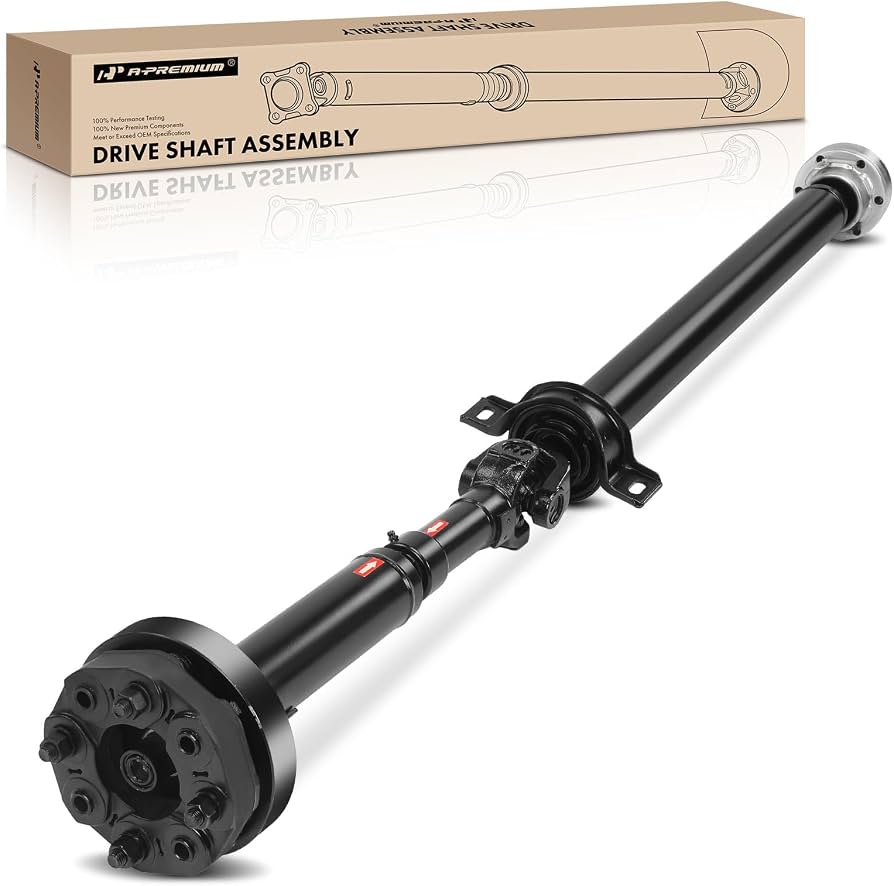
- Add a front differential and front drive shaft
- Update the suspension and axles as needed
- Integrate factory wiring and controls (like the 4WD switch)
Pros
- Factory quality and fit
- Best resale value
- Works with Jeep’s onboard systems
Cons
- High cost (often $3,500–$7,500 for parts and labor)
- Requires skilled mechanics
- May void some warranties
Real-world Example
A 2011 Grand Cherokee Laredo owner upgraded to OEM 4WD using donor parts from a salvage yard. The total bill was $4,800, but the Jeep drives like it came from the factory with 4WD.
Key Insight
A true OEM swap keeps all safety and stability features working, but it’s not a “weekend project. ” Only choose this route if you want a Jeep that feels and drives like a factory 4WD model.
2. Aftermarket Bolt-on 4wd Kits
Aftermarket bolt-on kits offer a way to add 4WD without hunting for factory parts. These kits are made by specialty companies and include most parts needed for the conversion.
How It Works
- Kit includes a transfer case, front axle, driveshaft, and mounting hardware
- Designed for easier installation (but still requires advanced skills)
- Some kits have electronic controls, while others use manual levers
Pros
- Easier to source than OEM parts
- Custom options (gear ratios, heavy-duty parts)
- Sometimes cheaper than OEM swaps
Cons
- May need cutting or drilling
- Not all kits fit all trim levels
- Could affect factory warranty or insurance
Practical Example
A popular kit from a US supplier costs about $3,000 (parts only). Installation by a professional shop typically takes 20 30 hours.
Key Insight
Not all bolt-on kits are truly “bolt-on” many require expert installation and careful alignment. Always verify that the kit matches your exact Jeep model and engine.
3. Manual Part-time 4wd Conversion
A manual part-time 4WD system is a simpler, mechanical setup. It allows you to engage 4WD only when needed (like in snow or off-road). When not in use, your Jeep runs in RWD.
How It Works
- Install a manual transfer case (often lever-operated)
- Add a compatible front axle and driveshaft
- No electronic controls—mechanical linkage only
Pros
- Lower cost (sometimes under $2,500)
- Less to go wrong (no computers or sensors)
- Good for off-roaders who like simplicity
Cons
- No automatic shifting between 2WD and 4WD
- Not as smooth as full-time systems
- Some noise and vibration possible
Real-world Example
An off-road enthusiast converted a 2011 Jeep Grand Laredo to part-time 4WD using used parts for $2,200, handling most of the work at home. The Jeep became much more capable off-road, but comfort on the highway was slightly reduced.
Key Insight
Manual part-time systems are best for those who understand when to use 4WD and don’t mind a basic, old-school approach.
4. Electronic All-wheel Drive (awd) Add-on Systems
Some companies now offer electronic AWD add-on kits. These systems use sensors and a computer to send power to all wheels when needed, improving grip without driver input.
How It Works
- Add an electronic transfer case with sensors
- System connects to Jeep’s stability control and ABS
- All wiring and programming included in the kit
Pros
- Set and forget—no manual levers
- Smooth operation on all surfaces
- Can be installed on higher-trim models
Cons
- Most expensive option ($5,000–$9,000)
- Complex installation and programming
- Hard to repair if something goes wrong
Practical Example
A Colorado-based company installed an electronic AWD kit on a 2011 Jeep Grand Overland for $7,200. The owner reported better winter traction and no loss of interior space or comfort.
Key Insight
Electronic AWD add-ons are great for daily drivers in snowy areas, but may be overkill for casual off-roaders.
Comparing Add-on 4wd Systems For The 2011 Jeep Grand
To help you see the main differences, here’s a comparison of features for each system:
| System Type | Price Range (Installed) | Complexity | Factory Integration | Best For |
|---|---|---|---|---|
| OEM 4WD Swap | $3,500–$7,500 | High | Excellent | Factory feel, resale value |
| Aftermarket Kit | $3,000–$6,000 | Medium-High | Good | Customization, availability |
| Manual Part-Time | $2,000–$4,000 | Medium | Fair | Off-roaders, simplicity |
| Electronic AWD Kit | $5,000–$9,000 | Very High | Excellent | Snow, all-weather driving |
Key Factors To Consider Before Adding 4wd
Not every Jeep Grand is a good candidate for 4WD conversion. Here are critical points to think about:
Compatibility
- Frame and drivetrain differences: Not all RWD Jeeps have the same mounts as 4WD models. Double-check fitment before buying parts.
- Engine and transmission match: A V6 Jeep may need different parts than a V8.
- Trim level electronics: Higher trims (like Overland) may need more wiring.
Cost And Value
Adding 4WD is a major investment. Consider:
- Total cost vs. buying a factory 4WD model: Sometimes, it’s cheaper to sell your RWD Jeep and buy a used 4WD version.
- Resale value: True OEM swaps keep value best. Custom kits can hurt resale if not installed perfectly.
Insurance And Warranty
- Most insurance companies need to know about drivetrain changes.
- Dealer warranties may be voided by major drivetrain swaps.
Driving Style
- Do you really need full-time 4WD? Or would winter tires and traction control be enough?
- Off-roaders may prefer manual systems; daily drivers may want electronic AWD.
Installation Challenges And Common Mistakes
Even skilled mechanics face challenges with 4WD conversions. Here are mistakes to avoid:
- Using mismatched parts: Mixing parts from different years or engines can cause vibration, leaks, or breakage.
- Ignoring wiring and sensors: Modern Jeeps rely on stability control, ABS, and transmission computers. Skipping proper wiring can trigger warning lights or limp mode.
- Overlooking axle ratios: Front and rear axles must match ratios for smooth operation.
- Forgetting about driveshaft length: Driveshafts are different for RWD vs. 4WD. Wrong length can cause damage.
If you’re not experienced with major drivetrain work, always use a shop with Jeep conversion experience.
Real-world Performance And Reliability
How does a converted 2011 Jeep Grand perform compared to a factory 4WD? Here’s what owners and experts report:
| Aspect | OEM 4WD Swap | Aftermarket Kit | Manual Part-Time | Electronic AWD |
|---|---|---|---|---|
| Traction (Snow) | Excellent | Good–Excellent | Good | Excellent |
| Off-Road Ability | Excellent | Very Good | Excellent | Good |
| Reliability | High | Medium–High | Medium | Medium–High |
| Maintenance Cost | Medium | Medium | Low | High |
Non-obvious insight: Even with a perfect conversion, your Jeep’s ride comfort may change slightly—4WD systems add weight and can create more vibration or road noise. Also, fuel economy usually drops by 1–2 mpg after adding 4WD, especially with heavier setups.
Is It Worth Adding 4wd To A 2011 Jeep Grand?
If you live in a region with heavy snow, steep hills, or love off-roading, adding 4WD can make your Jeep much more versatile. For those who mostly drive on dry pavement, the cost and complexity may outweigh the benefits. Always compare the total expense (including possible higher insurance) with the price of trading up to a factory 4WD model.
Another insight: Some buyers find that even after spending thousands on a swap, the final resale value is less than a true factory 4WD. Carefully check used prices in your area before starting a project.
For more technical details on 4WD systems and their operation, the Wikipedia Four-Wheel Drive page is a good resource.
Frequently Asked Questions
What Is The Cheapest Way To Add 4wd To A 2011 Jeep Grand?
The manual part-time 4WD conversion is usually the cheapest, often using used parts. However, it requires mechanical skill and may not be ideal for daily driving.
Will Adding 4wd Affect My Jeep’s Warranty?
Yes, most major modifications like 4WD swaps void the factory drivetrain warranty. Always check with your dealer and insurance before starting.
Can I Install An Aftermarket Kit At Home?
Some experienced DIYers can install bolt-on kits at home, but most 4WD conversions need special tools and knowledge. A professional shop is recommended for best results.
How Does 4wd Affect Fuel Economy?
Adding 4WD usually reduces mpg by 1–2 miles per gallon due to increased weight and drivetrain drag. Electronic AWD systems may have a smaller effect.
Is It Better To Sell My Rwd Jeep And Buy A 4wd Model?
In many cases, buying a factory 4WD Jeep is cheaper and simpler than converting your RWD model—especially if you factor in labor, downtime, and resale value.
Upgrading your 2011 Jeep Grand to 4WD can bring big benefits if you need extra traction, but it’s a project that requires careful planning and a clear look at your budget and needs.
With the right approach, you can turn your Jeep into a true all-weather performer.