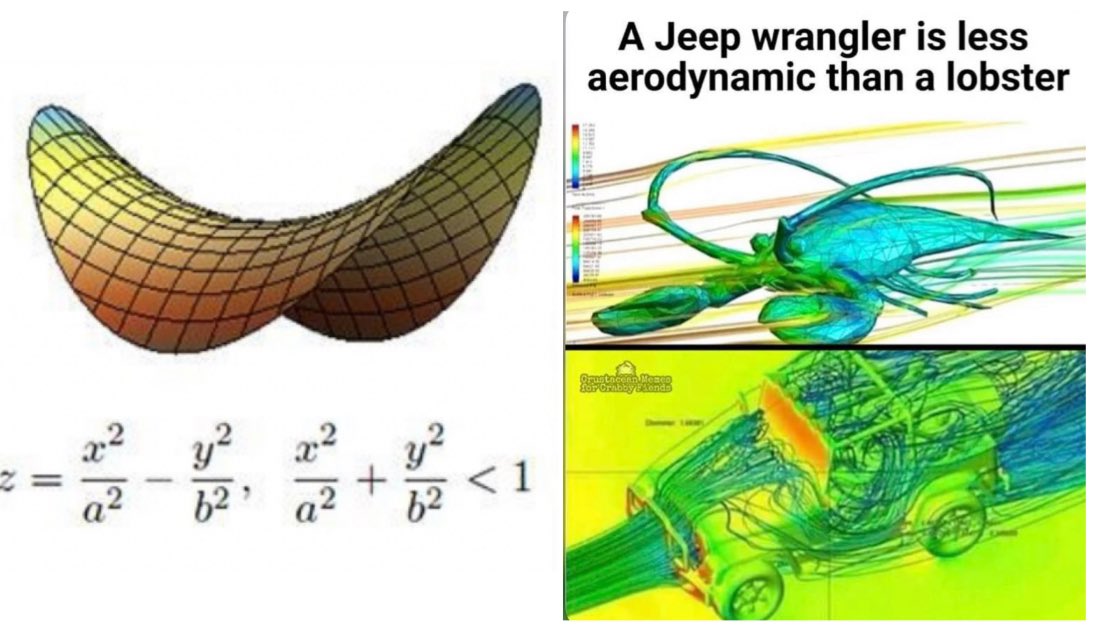
A lobster and a Jeep seem worlds apart. One lives on the ocean floor, the other conquers rocky roads.
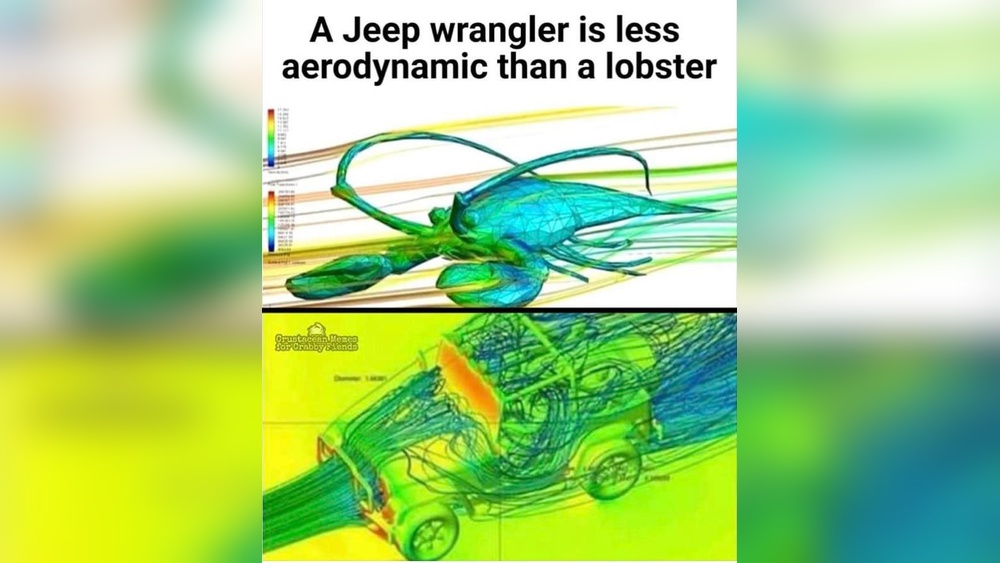
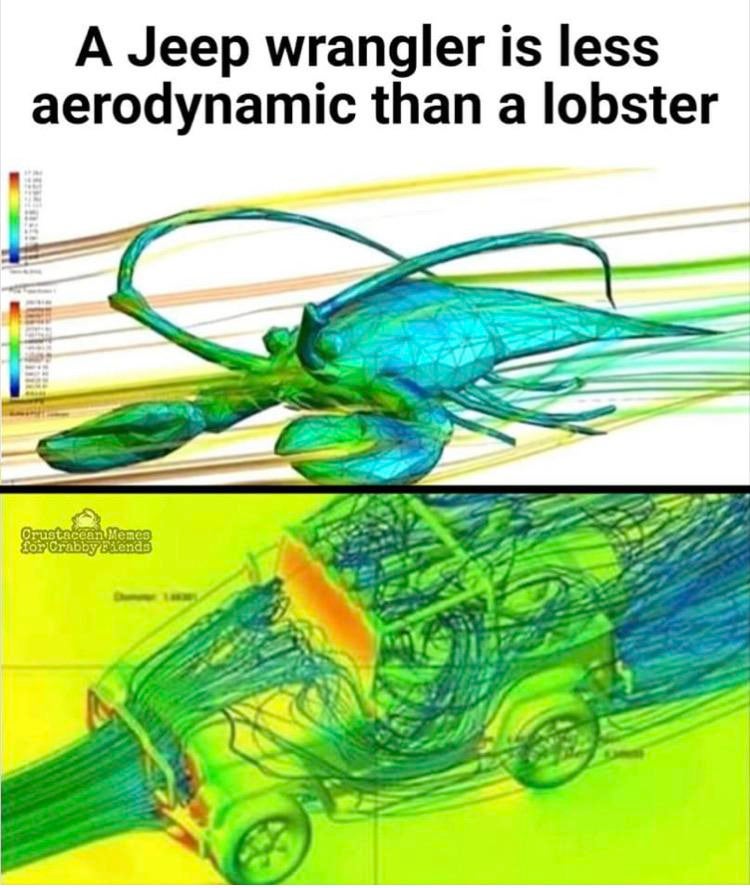
But if you measure how easily air flows around each shape, you’ll find a surprising fact: a lobster is more aerodynamic than a Jeep. This odd truth comes from the world of physics and engineering.
It’s not just a fun fact—it teaches us about design, nature, and even energy efficiency.
Understanding Aerodynamics
Aerodynamics is about how objects move through air. An object with good aerodynamics lets air flow smoothly around it. This means less drag, or air resistance, which slows things down. Cars, planes, and even sports gear are designed to be aerodynamic. The lower the drag, the less energy needed to move.
One key measurement is the drag coefficient. This number shows how much an object resists air flow. A lower drag coefficient means better aerodynamics. For example, a sports car is designed to have a low drag coefficient. A brick or a box has a high one.
The Lobster’s Surprising Shape
At first glance, a lobster looks anything but streamlined. It has claws, legs, and a bumpy shell.
But studies show a lobster’s body is actually shaped to let water (and air) flow smoothly over it.
The drag coefficient of a lobster is about 0.34. This number comes from studies of how lobsters move through water, which acts a lot like air at this scale. Water and air are both fluids, so the same principles apply. The lobster’s curved back, tapered tail, and smooth shell help it move with less resistance.
Here’s a look at the lobster’s drag compared to other objects:
| Object | Drag Coefficient |
|---|---|
| Lobster | 0.34 |
| Modern Sedan | 0.28 – 0.32 |
| Jeep Wrangler | 0.54 – 0.60 |
| Brick | 0.80 – 1.00 |
Why Is A Jeep Less Aerodynamic?
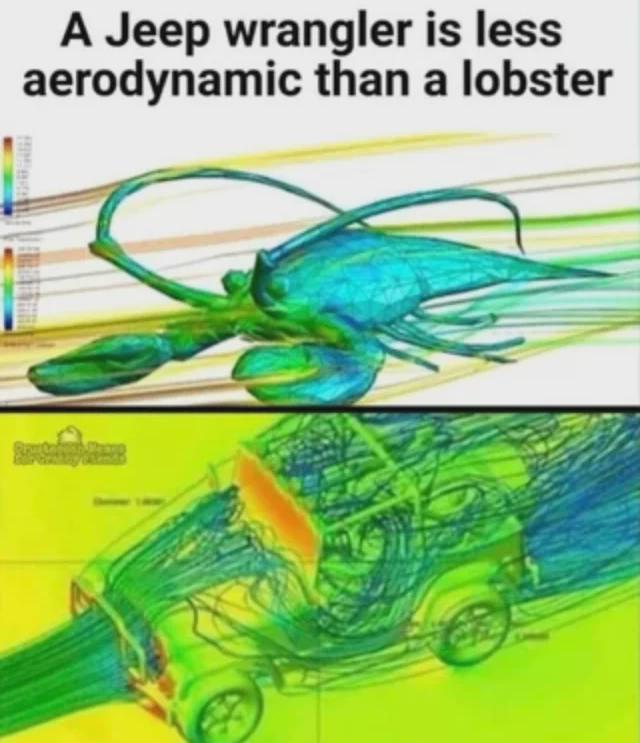
Jeeps, especially classic models like the Jeep Wrangler, are famous for their boxy look. This design is great for off-road strength, but terrible for slicing through air. The flat windshield, upright shape, and exposed wheels all add to drag.
A typical Jeep Wrangler has a drag coefficient between 0.54 and 0.60. That’s much higher than a lobster’s. The boxy design creates turbulence—swirling air behind the car—which wastes energy.
Here’s how the Jeep compares to other common vehicles:
| Vehicle | Drag Coefficient |
|---|---|
| Jeep Wrangler | 0.54 – 0.60 |
| Tesla Model S | 0.24 |
| Toyota Prius | 0.25 |
| Pickup Truck | 0.55 – 0.65 |
Why would evolution make lobsters aerodynamic? It’s about survival.
Lobsters need to move quickly to escape danger. Their bodies evolved to make swimming easier, so they use less energy and can move faster.
The curved shell and smooth surfaces are not just for looks—they’re for speed and efficiency.
This natural design is so effective that engineers often study animals like lobsters for ideas. This field is called biomimicry. For example, some submarine and underwater robot designs borrow shapes from sea creatures to reduce drag.
One insight beginners often miss: evolution is a powerful designer. Nature has had millions of years to “test” what works best. Sometimes, these designs solve problems that humans still struggle with.
Why Aerodynamics Matter
Aerodynamics affects more than just speed. In cars, better aerodynamics means better fuel efficiency. Less drag means the engine doesn’t have to work as hard. That saves fuel and money.
For electric vehicles, aerodynamics is even more important. Reducing drag means batteries last longer on each charge.
That’s why the most efficient cars are sleek and smooth, not boxy.
Another non-obvious point: drag also affects noise. More turbulence means more wind noise at high speeds. This is why boxy vehicles are often louder on the highway compared to sleek ones.
How Drag Impacts Real-world Performance
Let’s look at a simple example. At highway speeds, about half the energy a car uses goes to pushing air out of the way.
If you drive a Jeep Wrangler with a high drag coefficient, you’ll spend more on gas than someone driving a sedan.
Here’s how much fuel can be saved by better aerodynamics:
| Vehicle | Highway MPG | Estimated Annual Fuel Cost |
|---|---|---|
| Jeep Wrangler | 22 | $2,200 |
| Toyota Prius | 53 | $1,000 |
| Lobster (Hypothetical Car) | ~35 | $1,500 |
These numbers show that even small changes in drag can make a big difference over time.
What This Teaches Us
The lobster’s aerodynamic edge over a Jeep isn’t just a curiosity. It shows that design matters—whether you’re an engineer, a biologist, or just picking your next car. Nature often solves problems in ways humans can learn from. If a lobster can glide through water more smoothly than a Jeep can drive through air, maybe our vehicles still have a lot to learn from the animal kingdom.
For those interested in further reading, you can check out Wikipedia’s Drag Coefficient article to see more about how these numbers are measured and used.
Frequently Asked Questions
Why Is A Lobster More Aerodynamic Than A Jeep?
A lobster’s curved body and smooth shell let air (and water) flow around it with less resistance. In contrast, a Jeep’s flat, boxy shape creates turbulence and drag.
Does Aerodynamics Affect Fuel Efficiency?
Yes. Better aerodynamics mean less air resistance, which helps vehicles use less fuel, especially at higher speeds.
Can Car Designers Learn From Animals Like Lobsters?
Absolutely. Engineers study animal shapes—a field called biomimicry—to find new ways to reduce drag and improve efficiency.
Are All Suvs As Unaerodynamic As Jeeps?
Not all. Some modern SUVs are designed with smoother shapes to lower drag.
The classic Jeep Wrangler is among the least aerodynamic because of its boxy style.
How Is Drag Coefficient Measured?
It’s measured in wind tunnels by observing how much air resistance an object creates. Lower numbers mean better aerodynamics.