The steering wheel in your Jeep Cherokee 2014 is more than a tool for changing direction—it’s the main control point for your comfort and safety on the road. Many drivers don’t realize that adjusting the steering wheel to fit their body can make a big difference in driving experience. The right position helps you drive longer without fatigue, gives you better control, and keeps you safer in an emergency. If you own a 2014 Jeep Cherokee and want to know how to move the steering wheel, this guide will help you step by step.
Why Adjusting The Steering Wheel Matters
Most drivers get in, start the car, and go. But taking a minute to properly adjust the steering wheel can improve both comfort and safety. The ideal position lets you see the dashboard clearly, keeps your arms relaxed, and positions your hands for a quick response if needed.
Benefits Of Proper Adjustment
- Comfort: Reduces shoulder and back strain, especially on long drives.
- Control: Keeps your arms at a safe angle (not fully stretched or too bent).
- Visibility: Lets you see all gauges and the road clearly.
- Airbag Safety: Keeps the airbag pointed at your chest, not your face or arms.
- Accessibility: Easier reach for controls like wipers and signals.
Understanding The Steering Wheel Adjustment System
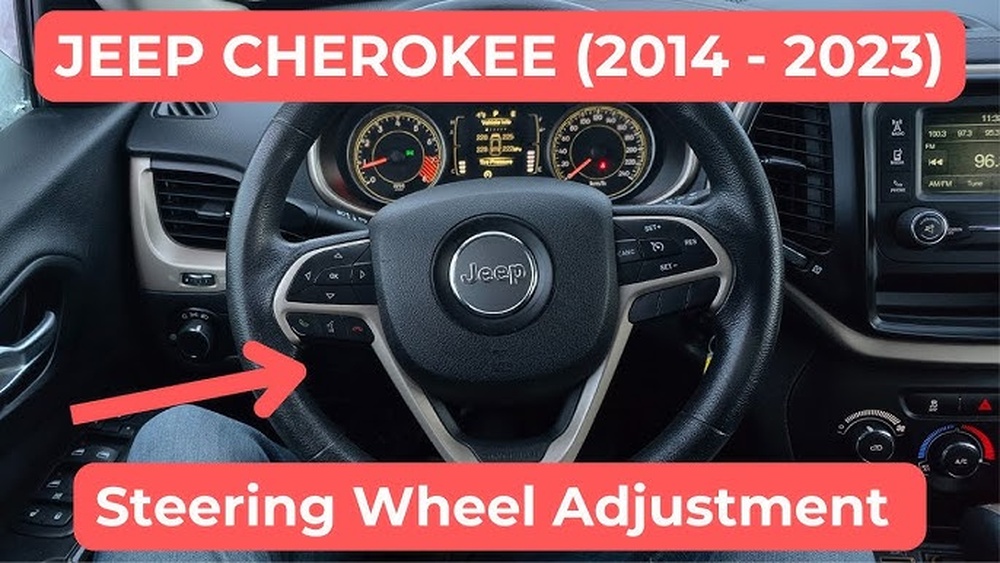
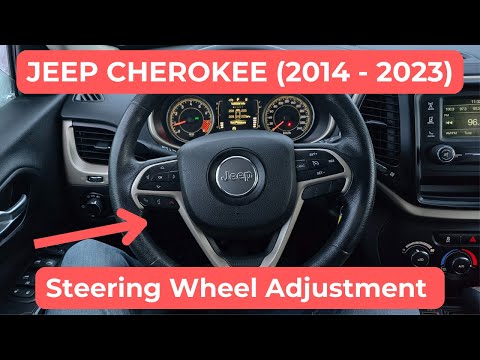
The 2014 Jeep Cherokee comes with a manual tilt and telescoping steering wheel. This means you can move the wheel up or down (tilt) and closer or farther from your body (telescope). Not all cars offer both; some only tilt.
Manual Vs. Power Adjustment
Most 2014 Jeep Cherokees use a manual lever under the steering column. Some luxury trim levels might offer electric adjustment, but this is rare.
Here’s how the two systems compare:
| Feature | Manual Adjustment | Power Adjustment |
|---|---|---|
| Operation | Pull lever, move by hand | Push button, moves automatically |
| Speed | Quick | Slower |
| Availability (Cherokee 2014) | Standard | Rare (mostly higher trims) |
| Ease of Use | Simple, no power needed | Easier for frequent adjustments |
For most owners, you’ll be using the manual lever to move your steering wheel.
Step-by-step Guide: How To Move The Steering Wheel
Adjusting the Jeep Cherokee 2014 steering wheel is straightforward, but there are key details to avoid damage or discomfort.
1. Prepare Your Vehicle
- Park your Jeep on a flat surface.
- Turn off the engine and set the parking brake.
- Sit in the driver’s seat and close the door.
Why? Adjusting while parked prevents accidental movement and keeps you safe.
2. Locate The Adjustment Lever
Reach under the steering column (the part connecting the wheel to the dashboard). You’ll feel a lever—usually on the left or right underside.
- The lever is a small handle, not a button.
- It might be black or gray plastic, matching your dashboard.
3. Unlock The Steering Wheel
- Pull the lever downward (toward your lap).
- You may hear a click. The steering wheel will now move freely.
Tip: Hold the steering wheel with your other hand to prevent it from dropping suddenly.
4. Adjust Tilt And Telescope
- Tilt: Move the wheel up or down until your arms are slightly bent and comfortable. Your hands should rest easily at the 9 and 3 o’clock positions.
- Telescope: Slide the wheel closer or farther from your chest. The ideal distance is about 10–12 inches from your chest to the center of the wheel. This keeps the airbag safe but within reach.
Don’t move the wheel while driving, and never force it if it feels stuck check the lever is fully released.
5. Lock The Steering Wheel
Once you find your best position:
- Push the lever upward to lock the wheel in place.
- Gently try moving the wheel. If it moves, the lever is not fully locked—repeat the step.
6. Final Checks
- Check your view of the speedometer and dashboard.
- Make sure you can reach the turn signal and wiper stalks without stretching.
- Test the horn—your hand should reach it easily.
If anything feels off, repeat the process. It’s worth a few extra seconds to get it right.
What If The Steering Wheel Won’t Move?
Sometimes, you may find the wheel is stuck, or the lever feels jammed. Here are common causes and what to do:
Common Issues
- Lever not fully released: Sometimes the lever needs a firm pull.
- Obstruction: Items under the steering column (like floor mats) can block movement.
- Mechanical problem: Rare, but parts can wear out or break.
- Locked ignition: If the key isn’t in the “on” position, some cars lock the wheel.
Troubleshooting Table
| Problem | Possible Cause | Solution |
|---|---|---|
| Wheel won’t move | Lever not fully released | Pull lever harder and try again |
| Lever stuck | Dirt or debris | Check for items blocking movement |
| Wheel moves but won’t lock | Lever not pushed up fully | Push lever up firmly until it clicks |
| No adjustment at all | Broken mechanism | Visit a mechanic or Jeep dealer |
If basic steps don’t work, don’t force the wheel. Forcing can break the adjustment system, leading to expensive repairs.
Setting The Ideal Position: Tips And Insights
Getting the steering wheel position right is more than comfort—it’s a safety feature. Here’s how to dial in the perfect setup:
Key Tips For The Best Fit
- Hands at 9 and 3 o’clock: This position gives you best control and comfort.
- Check shoulder relaxation: Shoulders should not lift when you grip the wheel.
- Clear view: Make sure you can see all dashboard indicators.
- Distance: Keep at least 10 inches between your chest and the wheel.
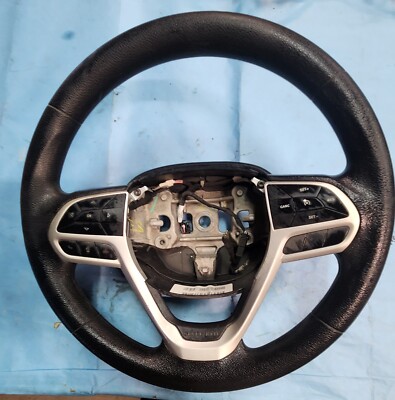
- Airbag safety: The center of the wheel should point at your chest, not your face.
Insights Beginners Miss
- Arm fatigue: If your arms or shoulders ache after short drives, your wheel is probably too high or too far.
- Safety and airbags: Many drivers set the wheel too close, putting them at risk from airbag force. It’s safer to sit a bit farther back.
Steering Wheel Settings And Memory Seats
If your Cherokee has power seats with memory, your steering wheel position might be saved with your seat and mirror settings. This is common in higher trims like Limited or Trailhawk.
How It Works
- Adjust your seat, mirrors, and steering wheel.
- Press and hold the “Set” button on the door, then press “1” or “2” to save.
- The next time you enter and press your saved button, everything returns to your settings.
Not all 2014 Cherokees have this feature. Check your owner’s manual if unsure.
When To Readjust The Steering Wheel
You should adjust the wheel:
- Every time a new driver uses the car.
- If you feel discomfort or pain while driving.
- After changing seat position.
- If you add a seat cushion or change your sitting height.
Getting in the habit of readjusting keeps you comfortable and safe, especially on long trips.
What Not To Do: Common Mistakes
Learning how to move the steering wheel is easy, but mistakes can happen.
Most Frequent Errors
- Moving while driving: Never adjust the wheel on the move—it can cause loss of control.
- Forcing the lever: If it’s stuck, check for blockage or see a mechanic. Never use extra force.
- Setting too low or high: Both can block the dashboard or make airbag deployment dangerous.
- Ignoring discomfort: If you feel pain, don’t ignore it—readjust.
What If You Can’t Find The Lever?
Some owners miss the lever because it’s tucked under the wheel. Sit low in the seat, look up under the column, and feel for a plastic handle.
If you’re still unsure, check the owner’s manual or ask a Jeep dealer.
Quick Reference: Jeep Cherokee 2014 Steering Adjustment
Here’s a brief summary for quick recall:
| Step | Action | Purpose |
|---|---|---|
| 1 | Park and sit properly | Safety and accuracy |
| 2 | Find and pull lever | Unlocks steering wheel |
| 3 | Move wheel (tilt/telescope) | Adjusts position |
| 4 | Push lever up | Locks in place |
| 5 | Double-check comfort and safety | Ensures proper setup |
Long-term Care: Keeping The Adjustment Smooth
The lever and mechanism under your steering wheel need little maintenance, but a few habits can help:
- Don’t hang heavy items (like bags) on the steering wheel or column.
- Keep the area clean: Avoid loose items or dirt near the lever.
- Use gentle force: Never jerk or force the wheel when adjusting.
- Lubrication: If the wheel feels stiff, a mechanic can lubricate the moving parts.
If you hear grinding or the lever gets hard to move, have it checked sooner rather than later. Catching problems early prevents bigger repairs.
When To See A Mechanic
You may need a professional if:
- The steering wheel won’t lock in place.
- The lever moves but the wheel does not.
- There’s a grinding or clicking noise.
- You see broken or loose parts under the column.
Driving with a loose or broken steering wheel is dangerous. If you notice any of these problems, visit a trusted Jeep service center. For more details about steering systems, see this Wikipedia page.
How Do I Know If My Jeep Cherokee Has A Manual Or Power Steering Wheel Adjustment?
Most 2014 Cherokees have a manual lever under the steering wheel. If you see buttons on the side of the steering column, you might have a power system. The owner’s manual can confirm your model.
Can I Adjust The Steering Wheel While Driving?
No. Adjusting the steering wheel while driving is unsafe.
Always park first, turn off the engine, and then adjust.
What Is The Safest Distance Between My Chest And The Steering Wheel?
The best distance is 10–12 inches from your chest to the wheel center. This allows the airbag to work correctly and keeps you close enough for good control.
Why Does My Steering Wheel Feel Stuck?
Common reasons include the adjustment lever not fully released, debris blocking movement, or a worn-out mechanism. Check for simple issues first, and see a mechanic if it remains stuck.
Is It Normal For The Steering Wheel To Move Slightly After Locking?
No. After locking the adjustment lever, the steering wheel should not move.
If it does, the lever may not be fully engaged or the mechanism could be worn. Have it checked if it continues.
Moving the steering wheel on your Jeep Cherokee 2014 is a quick task that can transform your driving comfort and safety.
Take a few moments to set it up correctly, and you’ll enjoy a better view of the road, less fatigue, and peace of mind knowing you’re safer behind the wheel.